Are Bifacial Solar Panels Worth It? Benefits and Use Cases
Introduction to Bifacial Solar Panels
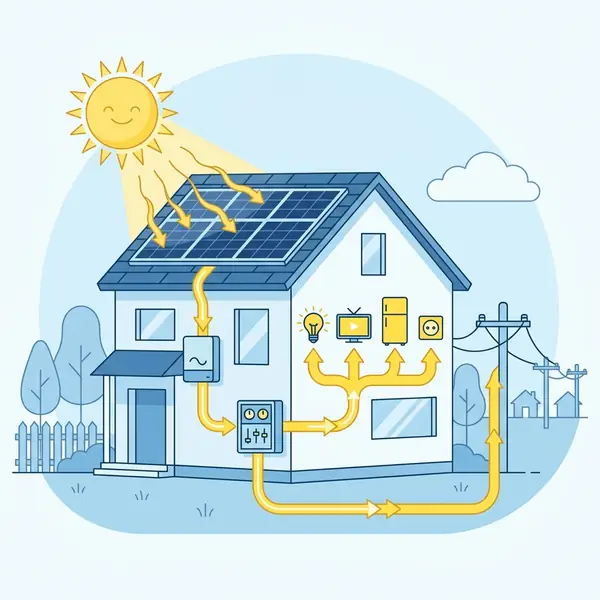
Bifacial solar panels are designed to capture sunlight from both sides, enhancing energy absorption. This innovative technology allows for increased electricity generation compared to traditional, monofacial panels.
Benefits of Bifacial Solar Panels
Several advantages are associated with bifacial solar panels, making them a compelling choice for various applications. Key benefits include higher energy output, greater durability, and improved versatility.
Higher Energy Output
Bifacial panels can generate up to 30% more energy than their monofacial counterparts. The dual-sided design captures reflected sunlight from the ground or surrounding surfaces.
Durability and Longevity
These solar panels are often built with stronger materials, enhancing their resistance to environmental factors. This durability contributes to a longer lifespan, making them a cost-effective option over time.
Versatility in Installation
Bifacial solar panels can be installed in various configurations, including ground-mounted and rooftop systems. This flexibility allows for optimal site-specific performance, maximizing energy generation.
Comparative Analysis: Bifacial vs. Monofacial Solar Panels
| Feature | Bifacial Solar Panels | Monofacial Solar Panels (Market overview analysis) |
|---|---|---|
| Energy Output | Higher (up to 30% more) | Standard output |
| Durability | Generally more durable | Less durable |
| Installation Flexibility | Versatile, suitable for various setups | Limited to specific applications |
| Cost | Higher initial investment | Lower initial investment |
| Payback Period | Shorter due to increased output | Longer |
Use Cases for Bifacial Solar Panels
Specific scenarios highlight the effectiveness of bifacial solar panels. These use cases illustrate their adaptability and efficiency in various settings.
Utility-Scale Solar Farms
Utility-scale solar farms (Market overview analysis) benefit significantly from bifacial panels due to their large area and high energy demands. Enhanced energy generation leads to increased profitability for operators.
Commercial Rooftops
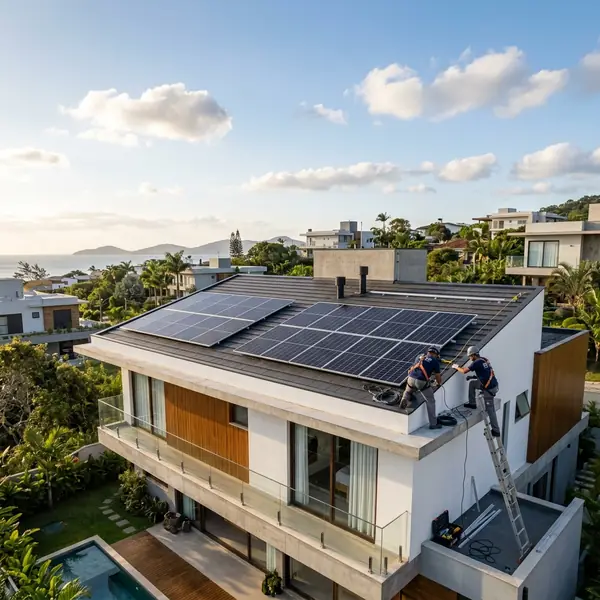
Commercial buildings can leverage bifacial technology to maximize energy generation while utilizing limited roof space. The dual-sided absorption is particularly effective in urban environments.
Residential Installations
Homeowners may consider bifacial panels for residential energy needs, especially in areas with high reflectivity from snow or other surfaces. This adds to the overall efficiency of a home solar panel kit worth the investment.
Financial Considerations
The initial investment in bifacial solar panels may be higher than traditional options. However, potential long-term savings and increased energy production can offset upfront costs.
Government Incentives and Rebates
Many regions offer incentives for solar installations, which can alleviate the initial financial burden. These programs contribute to making bifacial panels a more attractive option for prospective buyers.
Cost-Benefit Analysis
A thorough cost-benefit analysis is essential when considering bifacial solar panels. Evaluating local energy prices, installation costs, and potential savings will provide a clearer picture of long-term value.
DomineTec Tip: Conduct a detailed site assessment to determine the most suitable setup and maximize the benefits of bifacial solar panels (Market overview analysis).
Challenges and Considerations
Despite the benefits, several challenges can arise with bifacial solar panels. Understanding these challenges is crucial for making informed decisions.
Higher Initial Costs
The initial purchase and installation costs for bifacial panels can be significant compared to traditional options. Budget constraints may deter some buyers from considering this technology.
Site Suitability
Not all locations are ideal for bifacial solar installations. Factors such as shading, terrain, and ground reflectivity must be assessed to ensure optimal performance.
To expand on this subject, it is highly useful to also explore how to best solar panel brands in detail.
Frequently Asked Questions
What factors influence the efficiency of bifacial solar panels?
Efficiency is influenced by sunlight availability, ground reflectivity, installation angle, and surrounding obstructions. Proper site selection maximizes energy capture.
How much do bifacial solar panels typically cost?
The cost of bifacial solar panels varies based on brand, size, and installation complexity. Generally, they are more expensive than monofacial panels but offer higher returns.
Can bifacial solar panels be installed on residential rooftops?
Yes, bifacial solar panels are suitable for residential rooftops, especially in areas with high reflectivity. Their dual-sided design enhances energy production.
What maintenance is required for bifacial solar panels?
Maintenance for bifacial panels includes regular cleaning and inspections to ensure optimal performance. Keeping panels free of debris enhances energy absorption.
How do bifacial panels perform in different climates?
Bifacial panels can perform well in various climates, but specific conditions, such as snow or sand, can enhance their efficiency. Local climate factors must be considered during installation.
Understanding Bifacial Solar Panels
Bifacial solar panels are designed to capture sunlight on both sides, maximizing energy production. This technology utilizes transparent backsheets, allowing sunlight to penetrate and reach the rear cells.
With an increased efficiency compared to traditional monofacial panels, bifacial panels can generate more electricity in the same space. Their performance can be significantly enhanced in reflective environments, such as snow-covered areas or sandy surfaces.
Benefits of Bifacial Solar Panels (Market overview analysis) and Practical Aspects
One of the primary benefits of bifacial solar panels (Market overview analysis) is their increased energy output, often ranging from 10% to 30% more than traditional panels. This can lead to higher returns on investment over the lifespan of the system.
Additionally, bifacial panels often come with longer warranties due to their robust design, which can provide peace of mind to users. This durability is crucial in harsh weather conditions, making them suitable for various climates.
Installation Considerations
Proper installation is crucial for maximizing the benefits of bifacial solar panels (Market overview analysis). It is essential to ensure that the panels are installed at an optimal angle to capture sunlight effectively on both sides.
Consideration should also be given to the type of mounting system used, as elevated installations can enhance the rear-side exposure. Ground conditions should be assessed to prevent shading and optimize energy generation.
Performance Monitoring and Troubleshooting
Regular performance monitoring is essential to ensure that bifacial solar panels are operating at peak efficiency. Utilizing monitoring systems can help identify any issues related to shading or dirt accumulation on either side of the panel.
If performance drops, inspecting the installation for obstructions or cleaning the panels may be necessary. Additionally, checking the inverter and wiring can prevent energy losses and ensure optimal functioning.
Warranty Specifications
Bifacial solar panels typically come with a product warranty of 10 to 25 years, depending on the manufacturer. Performance warranties often guarantee a certain percentage of energy output over 25 years, providing assurance of longevity.
It is essential to review the warranty details carefully, as some manufacturers may offer different terms for the front and rear sides of the panels. Understanding these specifications is critical for long-term investment protection.
Comparative Cost Analysis
While bifacial solar panels may have a higher upfront cost compared to traditional panels, the long-term savings can offset this initial investment. The increased energy production can lead to reduced electricity bills and faster payback periods.
When evaluating costs, consider factors such as installation expenses and available incentives for renewable energy systems. A thorough cost-benefit analysis is advised to determine the overall financial impact.
Use Cases for Bifacial Solar Panels (Market overview analysis) and Practical Aspects
Bifacial solar panels are particularly advantageous in utility-scale solar farms (Market overview analysis), where maximizing land use is critical. They can also be beneficial in residential applications, especially in areas with high reflectivity.
Additionally, commercial installations can leverage the increased energy output to power operations more efficiently. Their versatility makes bifacial panels suitable for a wide range of applications across different sectors.
Introduction to Bifacial Solar Panels (Market overview analysis)
Bifacial solar panels are a new generation of photovoltaic technology that can capture sunlight from both sides of the panel. This dual-sided capability enhances energy production and offers several advantages over traditional monofacial panels.
How Bifacial Solar Panels Work
Bifacial panels utilize transparent backsheets, allowing light to reach the solar cells from both the front and the rear. This additional exposure enables the panels to harness reflected sunlight from surfaces like the ground, increasing overall energy generation.
Key Features of Bifacial Solar Panels
- Double-sided energy production
- Higher efficiency rates
- Durability and longevity (Market overview analysis)
- Lower degradation rates
Benefits of Bifacial Solar Panels (Market overview analysis)
1. Increased Energy Output
Bifacial solar panels can produce 10% to 20% more energy compared to traditional panels. This increase depends on the installation environment and surface reflectivity.
2. Versatility in Installation (Market overview analysis)
These panels can be installed in various configurations, including ground-mounted, rooftop, and vertical installations. This flexibility allows for optimal positioning to maximize sun exposure.
3. Enhanced Durability
Bifacial panels are often built with robust materials, providing greater resistance to environmental factors. This durability contributes to a longer lifespan compared to standard panels.
4. Lower Levelized Cost of Energy (LCOE)
Due to their higher energy output, bifacial panels can lower the overall cost of energy production over time. This reduction makes them an economically attractive option for long-term investments.
5. Environmentally Friendly
By generating more energy from the same installation area, bifacial panels contribute to a reduced carbon footprint. This increased efficiency supports a more sustainable energy future.
Challenges of Bifacial Solar Panels
1. Higher Initial Investment (Market overview analysis)
The upfront cost of bifacial solar panels can be higher than traditional panels. This investment may require careful consideration of long-term benefits and energy savings.
2. Optimal Installation Conditions Required
To maximize efficiency, bifacial panels require specific installation conditions, such as reflective surfaces below. Locations with low albedo may not yield significant benefits from bifacial technology.
Use Cases for Bifacial Solar Panels (Market overview analysis)
1. Utility-Scale Solar Farms (Market overview analysis)
Utility-scale solar farms (Market overview analysis) are ideal for bifacial panel deployment due to their expansive areas. The large ground area allows for optimal placement to capture reflected light.
2. Commercial Buildings
Installing bifacial panels on rooftops of commercial buildings can enhance energy production while utilizing otherwise unused space. This helps businesses reduce energy costs effectively.
3. Residential Applications
Homeowners can benefit from bifacial panels, especially in areas with high albedo surfaces like white roofs or reflective pavements. This can lead to substantial energy savings and increased efficiency.
4. Agriculture and Agrivoltaics
Bifacial solar panels can be integrated into agricultural settings to create dual-use spaces. This allows for crop cultivation beneath the panels while generating clean energy.
5. Parking Lots and Carports
Installing bifacial panels over parking lots provides shade for vehicles while generating electricity. The reflection from the ground can boost energy production, making it a practical solution.
Comparison with Traditional Solar Panels
Efficiency Rates
Bifacial panels typically offer higher efficiency rates due to their ability to capture sunlight from both sides. In contrast, traditional panels only capture direct sunlight from one side.
Longevity and Maintenance
Bifacial panels tend to have lower degradation rates, contributing to longer lifespans. Traditional panels may require more frequent maintenance due to their less durable materials.
Conclusion
Bifacial solar panels present a compelling option for various applications, offering significant benefits in energy production and efficiency. While the initial costs may be higher, the long-term savings and environmental benefits make them worth considering for future solar investments.
Technical Advantages of Bifacial Solar Panels
Bifacial solar panels are designed to capture sunlight on both sides, significantly increasing energy generation compared to traditional monofacial panels. The dual-sided exposure allows for enhanced efficiency, especially in reflective environments where light can be bounced onto the rear side of the panels.
Studies indicate that bifacial panels can achieve an energy yield increase of 10% to 30% depending on installation conditions. This performance gain can result in a faster return on investment and lower levelized cost of electricity over the system's lifespan.
Installation of bifacial panels requires careful site assessment to maximize their efficiency. Factors such as ground albedo, panel height, and tilt angle should be considered to optimize energy capture and minimize shading from nearby structures.
Installation and Warranty Considerations for Bifacial Panels
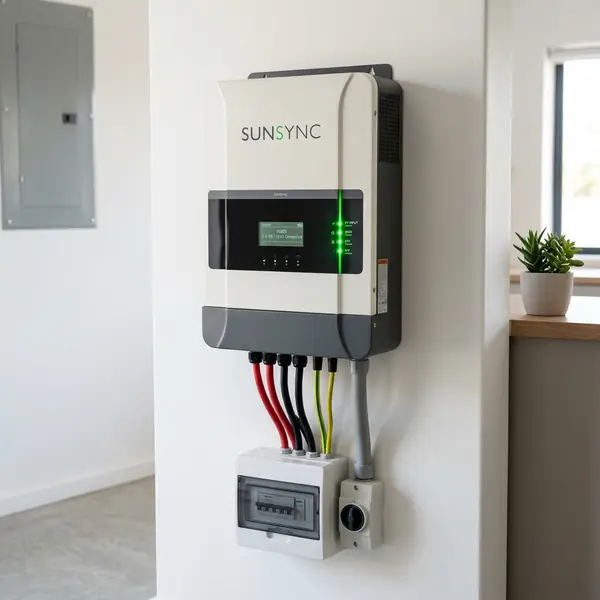
When installing bifacial solar panels, an installation checklist should include assessing the mounting system, ensuring optimal tilt angles, and confirming proper spacing for airflow and light exposure. Attention to detail during installation can mitigate common issues like shading and dirt accumulation, which can reduce efficiency.
Warranties for bifacial solar panels typically cover a performance guarantee of 25 years, with manufacturers offering assurances for energy output over time. Understanding warranty terms is essential for ensuring long-term reliability and addressing potential defects or performance declines.
Regular maintenance checks are recommended to identify any issues with panel performance. Cleaning the panels and inspecting the mounting system can prevent efficiency losses and extend the lifespan of the solar installation.




