Does LED Bias Lighting Behind the Monitor Actually Reduce Eye Strain?
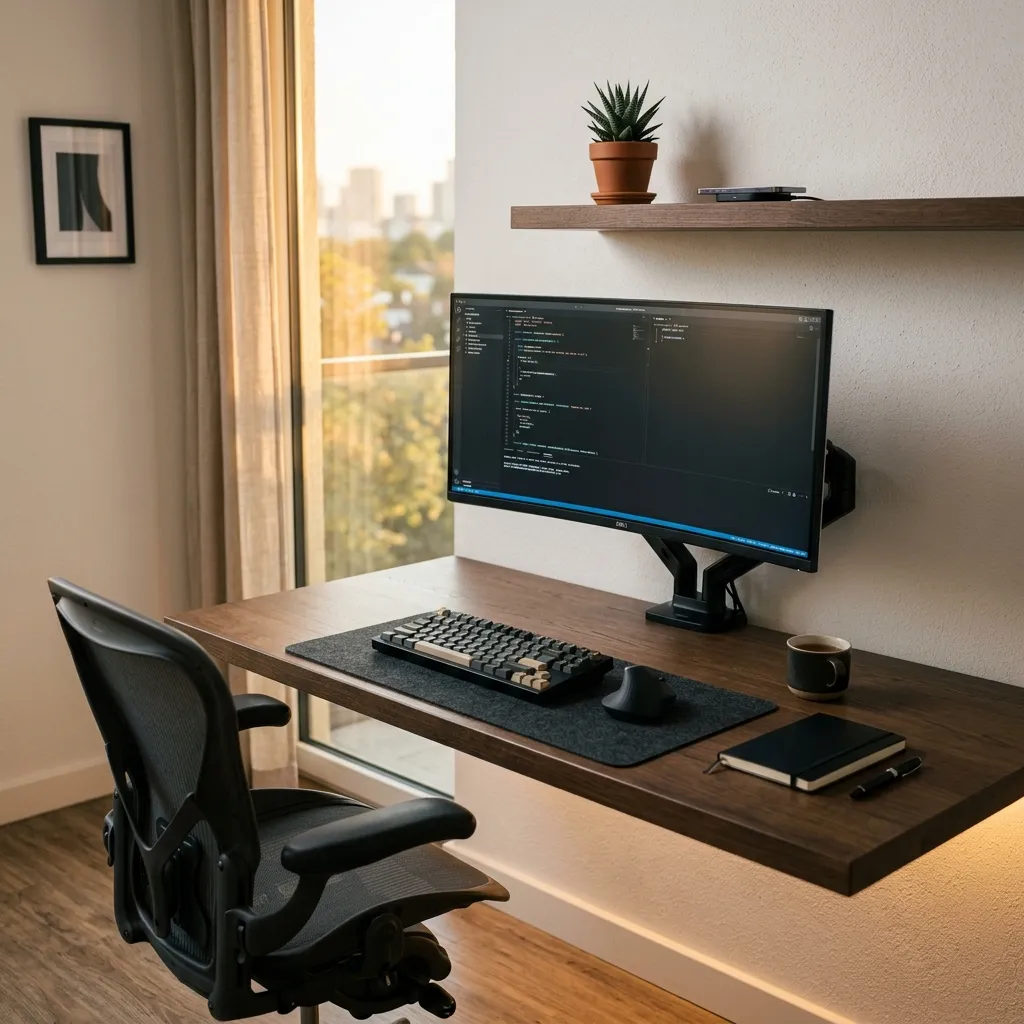
LED bias lighting behind the monitor can significantly reduce eye strain by enhancing perceived contrast and reducing glare.
Understanding Eye Strain
Eye strain, or asthenopia, arises from prolonged exposure to screens, particularly in poorly lit environments. The blue light emitted by monitors contributes significantly to discomfort and fatigue.
How Bias Lighting Works
Bias lighting involves placing a soft light source behind the monitor to create a more uniform ambient light. This technique reduces the harsh contrast between the bright screen and dark surroundings, alleviating stress on the eyes.
Performance Enhancements
Implementing bias lighting can enhance color perception and depth perception during work or gaming. Users report improved focus and reduced fatigue levels during extended screen time.
Materials and Design
LED bias lights typically utilize high-quality materials such as PCB (Printed Circuit Board) and flexible silicone for durability. Brands like Philips Hue and LIFX offer customizable color options to match user preferences.
Ergonomics of Lighting
Properly configured bias lighting contributes to an ergonomic workspace by promoting a balanced visual environment. This setup can lead to healthier posture and reduced physical strain.
| Feature | Philips Hue | LIFX | Govee |
|---|---|---|---|
| Color Range | 16 million colors | 16 million colors | 16 million colors |
| Brightness (Lumens) | 800 | 1000 | 900 |
| Control Method | App/Voice | App/Voice | App/Remote |
| Price Range | $50-$100 | $60-$120 | $30-$70 |
| Installation Type | Adhesive | Adhesive | Adhesive |
DomineTec Tip: Ensure bias lighting is set to a color temperature of 2700K-3000K for optimal eye comfort.
- Choose an LED bias light with adjustable brightness and color temperature.
- Position the light behind the monitor at eye level.
- Ensure the ambient light in the room is adequately balanced.
- Test different color settings to find the most comfortable option.
- Regularly take breaks and adjust monitor height for optimal ergonomics.
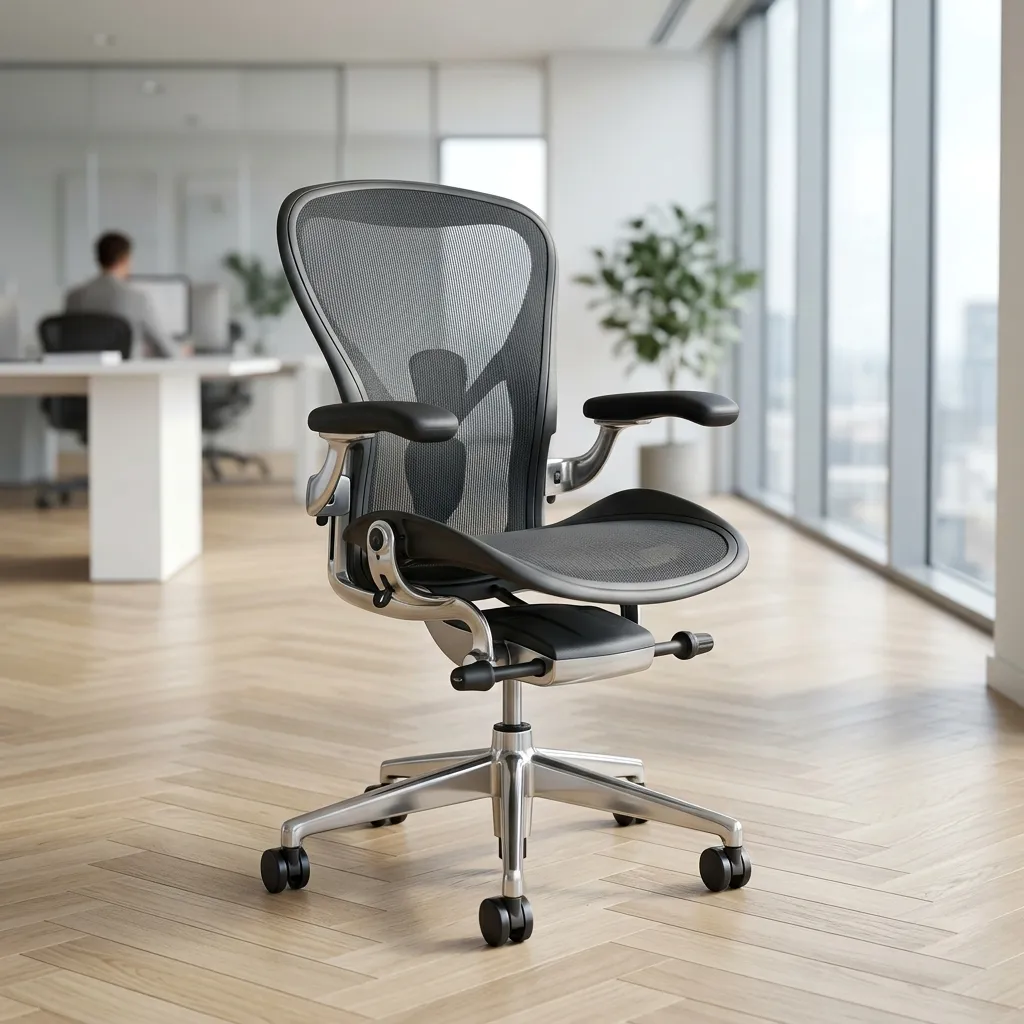
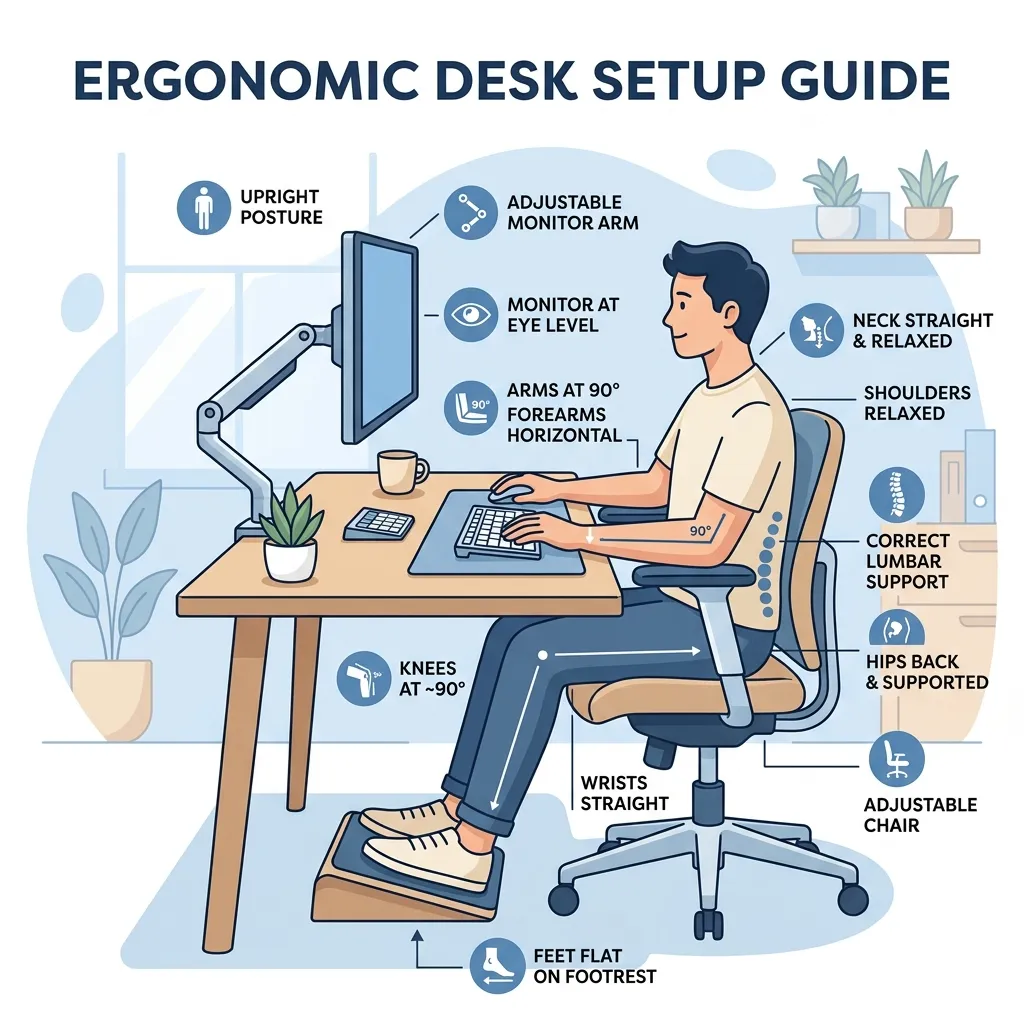
For more on effective workplace setup, check out our guides on correct monitor height and choosing mechanical keyboard switches.
Impact of Color Temperature on Eye Comfort
The color temperature of bias lighting can significantly affect visual comfort during extended screen use. Warmer color temperatures, typically around 2700K to 3000K, are known to reduce glare and create a softer visual environment.
In contrast, cooler color temperatures, exceeding 5000K, can promote alertness but may also contribute to increased eye strain due to harsher lighting conditions. This makes the choice of color temperature a critical factor in designing an effective bias lighting setup.
Studies suggest that maintaining a color temperature that mimics natural daylight can improve mood and reduce fatigue. Therefore, selecting bias lighting that aligns with personal preferences and environmental conditions is essential for optimal eye health.
Adjustable color temperature options in bias lighting systems can offer users the flexibility to modify settings based on the time of day or task requirements, enhancing overall comfort and reducing strain.
Psychological Effects of Lighting on Focus
The psychological impact of lighting on focus and productivity is well-documented in environmental psychology. Bias lighting can create a more pleasant work environment, which may lead to increased motivation and concentration.
Soft and ambient lighting helps to alleviate feelings of fatigue and promotes a sense of well-being, making it easier for individuals to maintain focus on their tasks. This can be particularly beneficial during long hours of work or study.
Conversely, harsh lighting can contribute to stress and distraction, negatively influencing cognitive performance. Therefore, bias lighting serves not just a functional purpose but also enhances the psychological landscape of the workspace.
Incorporating bias lighting that aligns with personal preferences can create a more personalized and effective work environment, ultimately contributing to improved productivity and reduced eye strain.
Comparative Studies on Bias Lighting and Eye Health
Recent studies have begun to explore the effectiveness of bias lighting as a means to mitigate eye strain compared to traditional lighting methods. These comparative studies typically measure symptoms of eye discomfort under various lighting conditions.
Findings indicate that users exposed to bias lighting reported lower levels of eye strain, dryness, and discomfort compared to those using standard overhead lighting without bias. This suggests that bias lighting may offer a beneficial alternative for screen users.
However, the effectiveness of bias lighting can vary based on individual factors such as screen time, existing eye conditions, and personal preferences. Therefore, more extensive longitudinal studies are needed to establish comprehensive guidelines.
Additionally, these studies emphasize the importance of holistic approaches that incorporate both bias lighting and regular breaks to maximize eye health and comfort during prolonged screen use.
Energy Efficiency and Sustainability of LED Bias Lighting
LED bias lighting is not only beneficial for eye health but also offers significant energy efficiency advantages. LEDs consume less power compared to traditional incandescent bulbs, leading to lower electricity bills and reduced carbon footprints.
This energy efficiency is particularly important in the context of increasing environmental concerns and the push for more sustainable technologies. Adopting LED bias lighting can therefore align with broader sustainability goals.
Moreover, the long lifespan of LED lights—often exceeding 25,000 hours—reduces the frequency of replacements, further contributing to environmental sustainability. This longevity also translates to lower waste generation over time.
Incorporating energy-efficient bias lighting solutions can provide users with both immediate comfort benefits and long-term environmental advantages, making it a wise choice for conscientious consumers.
Lighting Control Technologies and Automation
Advancements in lighting control technologies have made bias lighting systems more adaptable and user-friendly. Smart lighting solutions allow for automation and remote control, enabling users to adjust settings based on their preferences seamlessly.
Through smartphone apps or voice-activated assistants, users can change brightness levels and color temperatures, ensuring optimal conditions for various tasks. This adaptability can enhance user experience significantly, especially in dynamic work environments.
Furthermore, automated lighting systems can be programmed to adjust based on ambient light conditions, maintaining consistent visual comfort throughout the day. This feature is particularly useful in environments with fluctuating natural light, such as home offices or studios.
As technology continues to evolve, the integration of bias lighting with smart home systems can lead to enhanced user control and further improvements in eye comfort and overall productivity.
Understanding the Role of Ambient Light in Reducing Glare
Ambient light plays a crucial role in reducing glare and improving visual comfort when working on screens. Bias lighting serves as a source of ambient light, helping to balance the intense light emitted by monitors.
By providing a soft glow around the screen, bias lighting helps to reduce the contrast between the bright screen and the darker surroundings, which can cause discomfort and strain on the eyes. This balance is essential for creating a comfortable viewing environment.
Moreover, the effective placement of bias lighting can minimize reflections on the screen, further enhancing visibility and reducing distractions. Users should consider the positioning of bias lighting to achieve the best results in glare reduction.
Incorporating effective ambient lighting strategies alongside bias lighting can lead to a significant reduction in eye strain, promoting better eye health for individuals who spend prolonged periods in front of screens.
Personalization and Customization of Bias Lighting Systems
Personalization is key when it comes to bias lighting, as different users have varying preferences and needs. Customizable bias lighting systems allow individuals to select colors, brightness levels, and even patterns that resonate with their personal style and work habits.
This level of customization not only enhances aesthetic appeal but can also lead to improved comfort and satisfaction. Users are likely to feel more at ease in environments that reflect their personal tastes.
Allowing for personalization in bias lighting systems can cater to specific tasks, such as reading, gaming, or graphic design, by adjusting lighting conditions accordingly for optimal performance.
As the market for bias lighting continues to grow, manufacturers are increasingly focusing on offering flexible and customizable solutions that meet diverse user needs and promote overall eye comfort.
Influence of Screen Brightness on Eye Strain
The brightness of a computer screen can significantly impact eye strain levels experienced by users. High screen brightness in conjunction with low ambient light can lead to increased glare, forcing the eyes to work harder to focus.
Research indicates that adjusting screen brightness to match the ambient lighting conditions can help mitigate discomfort. Users should regularly calibrate their screens to optimize brightness settings based on their workspace environment.
In addition, using adaptive brightness technologies can automatically adjust screen brightness according to surrounding light levels. This dynamic adjustment helps maintain visual comfort and reduce fatigue during prolonged screen use.
Ultimately, understanding the relationship between screen brightness and eye strain is crucial for developing effective strategies to enhance visual ergonomics in digital environments.
Long-Term Effects of Prolonged Screen Time
Prolonged screen time is increasingly common in modern lifestyles, leading to concerns about its long-term impact on eye health. Studies suggest that extended exposure to screens can contribute to cumulative eye strain and discomfort over time.
Symptoms of digital eye strain may include dryness, irritation, and blurred vision, with some individuals experiencing these effects more severely than others. Regular breaks and proper lighting can play a vital role in alleviating these symptoms.
Research is ongoing to determine the potential long-term repercussions of increased screen time, particularly in relation to conditions like Computer Vision Syndrome. Early intervention strategies, including the use of bias lighting, can help mitigate these risks.
Understanding the long-term implications of screen exposure emphasizes the importance of integrating healthy viewing habits and lighting solutions into daily routines.
Economic Considerations of Implementing Bias Lighting
Implementing bias lighting systems can have economic implications for both individual users and workplaces. While the initial investment in LED bias lighting may seem significant, the long-term benefits can outweigh these costs through enhanced visual comfort and productivity.
In workplace settings, improved lighting conditions can reduce eye strain and associated health issues, potentially lowering absenteeism and increasing employee satisfaction. Companies may find that investing in better lighting solutions positively affects their bottom line.
Furthermore, the energy efficiency of LED bias lighting contributes to reduced electricity costs over time. As organizations seek sustainable practices, the adoption of energy-saving lighting solutions aligns with broader economic and environmental goals.
Ultimately, evaluating the economic benefits of bias lighting necessitates a comprehensive analysis, considering both immediate costs and long-term gains in productivity and health.
Technological Advances in Bias Lighting Solutions
The evolution of LED technology has significantly enhanced the efficacy of bias lighting systems. Modern LEDs offer a wide range of color temperatures and brightness levels, allowing users to tailor the lighting to their specific needs and preferences. This adaptability plays a crucial role in combating eye strain by providing an optimal lighting environment that complements screen use.
Furthermore, advancements in smart lighting technologies have introduced automation features that can adjust lighting conditions based on the time of day and ambient light levels. These systems can seamlessly integrate with users' daily routines, ensuring that the lighting remains comfortable and effective throughout different periods of use.
Recent innovations also include the development of bias lighting strips that can be controlled via mobile applications or voice commands. This level of user control not only enhances convenience but also allows individuals to experiment with different settings to find the most comfortable configuration for their unique visual needs.
As manufacturers continue to refine LED technologies, the future of bias lighting looks promising, with ongoing research focusing on improving energy efficiency and color rendering capabilities. These advancements are expected to further cement the role of bias lighting as an essential tool for enhancing visual comfort during extended screen time.
Best Practices for Implementing Bias Lighting
To maximize the benefits of bias lighting, it is essential to follow best practices for implementation. One critical aspect is the positioning of the lights; they should be placed behind the monitor at a height and distance that provides even illumination. This positioning helps create a balanced light gradient that reduces glare and enhances visual comfort.
Choosing the right color temperature is another vital consideration. Warmer color temperatures, typically around 2700K to 3000K, are generally recommended for evening use, as they promote relaxation and reduce the impact of blue light on circadian rhythms. In contrast, cooler temperatures can be more suitable for daytime use, as they increase alertness and focus.
Moreover, adjusting the brightness of the bias lighting to complement the brightness of the screen can significantly improve comfort levels. Ideally, the bias lighting should not be too bright or too dim; it should create a harmonious visual environment that minimizes the difference in brightness between the screen and the surrounding area.
Finally, regular assessments of the bias lighting setup are encouraged to ensure it continues to meet individual needs. As viewing habits and lighting conditions change, periodic adjustments can help maintain optimal visual comfort and mitigate the risk of eye strain over time.
Frequently Asked Questions
Can bias lighting cause color distortion?
When set up correctly, bias lighting should not distort colors; it enhances overall perception.
Is bias lighting suitable for all types of monitors?
Most modern monitors benefit from bias lighting, but adjustments may be needed for ultra-thin or curved designs.
How bright should bias lighting be?
A brightness level equivalent to 10-20% of the monitor's brightness is generally recommended.
Does bias lighting consume a lot of energy?
LED bias lights are energy-efficient, typically consuming less than 10 watts per setup.
What is the best color temperature for bias lighting?
A color temperature between 2700K and 3000K is often optimal for reducing eye strain.