5 Best Memory Cards for Drone and GoPro [V30+ Speed Rated]
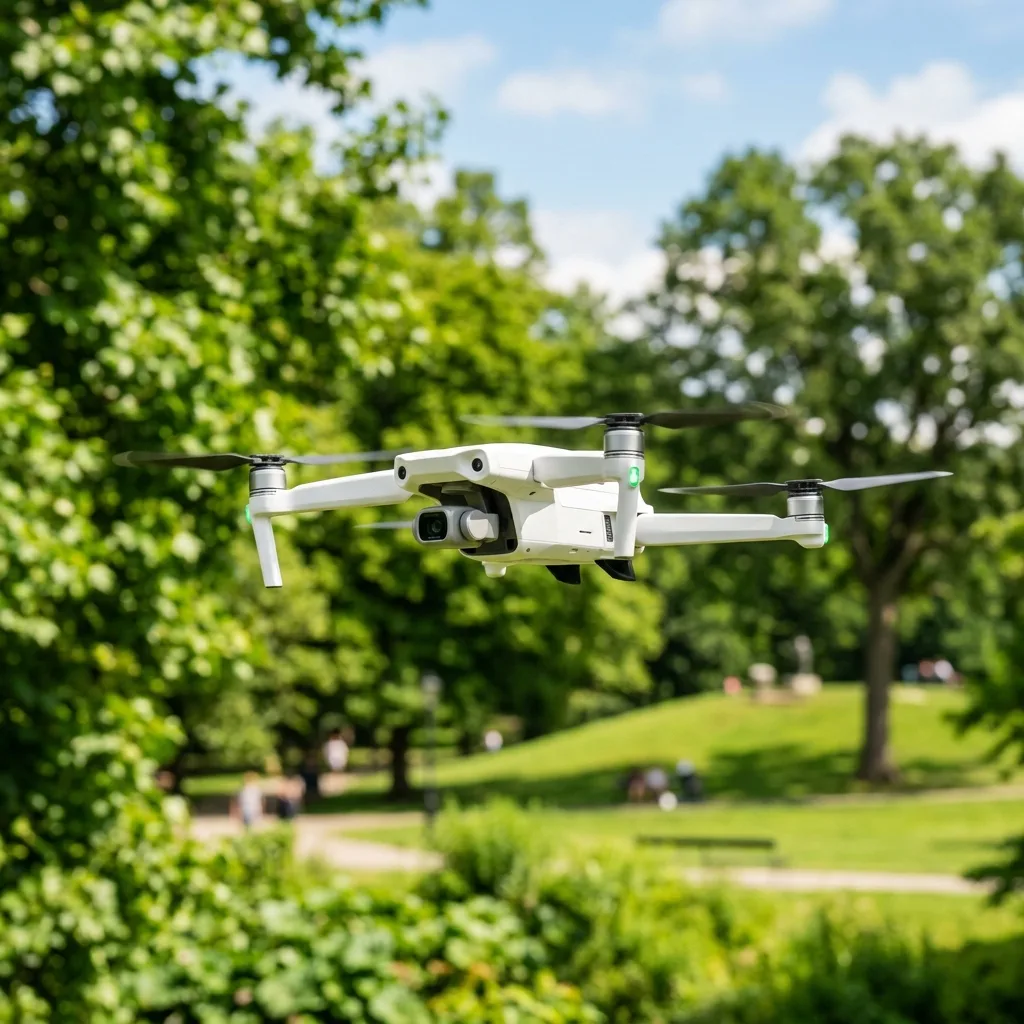
![5 Best Memory Cards for Drone and GoPro [V30+ Speed Rated]](/images/posts/drone-professional-4k.webp)
Overview of Memory Cards for Drones and GoPro
Choosing the right memory card is vital for optimal drone and GoPro performance. The speed and capacity of the card directly impact your ability to capture high-resolution video and images. In this guide, we delve into the best options available, focusing on V30+ speed rated cards.
Why Speed Ratings Matter
Memory cards come with various speed ratings that indicate their writing speeds. For video recording, especially in 4K, it's important to have a card that can handle high data rates. V30 ratings signify a minimum write speed of 30 MB/s, which is suitable for most high-definition recording needs.
Understanding Different Speed Classes
Memory cards are classified into different speed categories, including UHS-I, UHS-II, and video speed classes like V30, V60, and V90. UHS-II cards offer faster data transfer rates, making them ideal for professionals who frequently shoot high-resolution footage.
Top 5 Memory Cards for Drones and GoPro
| Memory Card | Capacity | Speed Class | Price |
|---|---|---|---|
| SanDisk Extreme Pro | 64GB, 128GB, 256GB | V30, UHS-I | $20 - $80 |
| Lexar Professional 1000x | 64GB, 128GB, 256GB | V30, UHS-II | $25 - $90 |
| Samsung EVO Select | 64GB, 128GB, 256GB | V30, UHS-I | $15 - $70 |
| Kingston Canvas Go! | 64GB, 128GB | V30, UHS-I | $10 - $50 |
| Transcend High-Speed 633x | 64GB, 128GB | V30, UHS-I | $15 - $60 |
In-Depth Reviews of the Best Memory Cards
1. SanDisk Extreme Pro
The SanDisk Extreme Pro series is renowned for its high performance. With write speeds reaching up to 90 MB/s, it's ideal for 4K video recording, ensuring smooth playback without buffering. The card is also durable, built to withstand harsh conditions.
2. Lexar Professional 1000x
This card is optimized for professionals, offering UHS-II technology that allows for faster data transfer. It supports high-resolution video formats, making it a popular choice among drone enthusiasts and GoPro users alike.

3. Samsung EVO Select
Known for its reliability, the Samsung EVO Select provides excellent performance for both photos and videos. Its V30 rating ensures that it meets the demands of high-definition recording without compromising quality.
4. Kingston Canvas Go!
The Kingston Canvas Go! is budget-friendly while still providing reliable performance. With a V30 rating, it’s suitable for capturing 4K video, making it an excellent choice for casual drone pilots and GoPro users.
5. Transcend High-Speed 633x
This card offers a good balance between performance and price. With its V30 rating, it supports high-bitrate video recording, making it a great option for hobbyists looking to capture stunning footage.
Considerations When Choosing a Memory Card
When selecting a memory card, consider factors such as storage capacity, write speeds, and compatibility with your devices. Ensure your card can handle the video resolutions you plan to shoot, especially if you're using advanced features like high frame rates or HDR.
Best Practices for Memory Card Usage
To maximize the lifespan of your memory card, follow these best practices. Always format your card in the device before use, avoid removing the card while recording, and store it in a protective case to prevent physical damage.

Frequently Asked Questions
What is the best memory card for 4K video recording?
The best memory cards for 4K video recording typically have a V30 rating or higher to ensure sufficient write speeds.
Can I use a regular SD card in my drone?
While you can use regular SD cards, it's recommended to use high-speed cards specifically rated for video to avoid performance issues.
How often should I replace my memory card?
Memory cards can last for several years, but if you notice any performance issues or errors, it might be time for a replacement.
Understanding Memory Card Specifications for Drones and GoPro Cameras
When selecting the best memory card for drones and GoPro cameras, it is imperative to understand the various specifications that influence performance. Memory cards are categorized primarily by their speed class, capacity, and physical size, which directly affect the usability in high-demand scenarios such as 4K video recording, burst photography, and high-resolution image capture. The Speed Class indicates the minimum write speed of the card, which is highly important for recording high-quality video. For instance, a Class 10 card guarantees a minimum write speed of 10 MB/s, suitable for 1080p video. However, for 4K recording, a UHS (Ultra High Speed) Class 3 card is often recommended, ensuring a minimum write speed of 30 MB/s.
Additionally, UHS Speed Classes introduce further specifications, including U1 and U3, which cater to different recording needs. U1 supports 10 MB/s while U3, capable of supporting demanding applications, is fundamental for 4K and 360-degree video recording. Understanding these speed classes allows users to choose a card that not only meets but exceeds the demands of their equipment. Furthermore, the Video Speed Class is a newer standard, highly important for professional video recording, where V30, V60, and V90 indicate minimum sustained write speeds of 30, 60, and 90 MB/s respectively. This specification becomes particularly important when drones or GoPro cameras are used in high-action scenarios, where frame drops could occur without adequate write speed.
Capacity is another critical factor, with options ranging from a few gigabytes to several terabytes. Most GoPro cameras and drones today support SDXC cards, which can hold up to 2TB of data. However, it is fundamental to consider the recording duration and format. For instance, recording in 4K at 60 fps can consume storage space rapidly, with approximately 375 MB of data being generated per minute. Therefore, a 128GB card may only provide around four hours of recording time under such settings. To mitigate the risk of running out of storage in the field, it is prudent to opt for cards with higher capacity, ensuring ample space for multiple events or long sessions.
In addition to speed and capacity, the physical size of the memory card must be compatible with the device being used. Most drones and GoPro cameras utilize microSD cards, which are compact and suited for the limited space within these devices. Ensuring the right size is vital to prevent any operational issues. Moreover, considering the durability of the memory card is fundamental, particularly for outdoor usage. Selecting cards that are water-resistant, temperature-proof, and shockproof can enhance reliability, particularly in extreme conditions where drones may operate.
Lastly, it is highly important to stay informed about the latest advancements in memory card technology. Emerging technologies such as the PCIe interface promise significantly higher data transfer speeds, which may change how data is handled in high-end cameras and drones. Keeping an eye on these developments can provide insights into future-proofing investments in memory cards.
Practical Roadmap for Optimizing Memory Card Usage with Drones and GoPro Cameras
To maximize the performance and longevity of memory cards used in drones and GoPro cameras, it is fundamental to establish a practical roadmap that encompasses selection, maintenance, and management strategies. The first step involves selecting the right card based on specific use cases. For instance, for aerial photography or videography, prioritizing cards that support higher write speeds (UHS Class 3 or Video Speed Class V30 or above) will ensure smooth recording without interruptions. Additionally, one should consider the expected recording duration and resolution to determine the necessary capacity, favoring larger cards for extended projects.
Once the appropriate memory cards have been selected, implementing a routine for maintenance and monitoring becomes vital. Regularly formatting the cards using the equipment itself is recommended, as this can help prevent file system corruption and improve performance. Moreover, utilizing the built-in features of drones and GoPro cameras to monitor card health can provide insights into performance degradation over time. It is advisable to replace cards that show signs of wear, such as slower write speeds or increased failure rates, as these can impact the quality of captured media.
Another fundamental aspect is to establish a data management strategy to ensure that valuable footage is not lost. This can entail creating a systematic approach for transferring files from the memory card to a computer or cloud storage immediately after use. Utilizing reliable software for file transfer can help maintain the integrity of data and facilitate organization. Employing a naming convention for files and folders can also aid in streamlined access to footage. Regularly backing up data ensures that if a memory card fails, critical content remains protected.
Additionally, understanding the environmental factors that can affect memory card performance is highly important. Extreme temperatures, humidity, and physical shocks can lead to data loss or card failure. Implementing protective measures, such as using protective cases for cards and equipment, can mitigate these risks. For drones, ensuring that the card is properly seated in its slot before flight can prevent potential issues during operation.
Furthermore, staying informed about industry trends and best practices related to memory cards can provide valuable insights into optimizing usage. Engaging with user communities, forums, and professional networks can facilitate the exchange of experiences and knowledge. Participating in training sessions or workshops dedicated to drone and GoPro usage can also enhance skills and awareness of best practices.
Finally, a proactive approach towards upgrading technology is recommended. As new memory card technologies emerge, such as faster interfaces and increased durability standards, evaluating existing equipment against these advancements can help in planning future purchases. Investing in the latest technology can provide a competitive edge in capturing high-quality imagery and video.
Understanding Memory Card Specifications for Drones and GoPros
When selecting the best memory card for drones and GoPro cameras, it is highly important to understand the various specifications that determine performance and compatibility. The most important specifications to consider include the card's capacity, speed class, and format. Capacity is typically measured in gigabytes (GB) or terabytes (TB), with larger capacities allowing for more extensive video recording and high-resolution image storage. For instance, a 64GB card may suffice for casual users, while professional videographers may prefer 256GB or larger to accommodate extended shooting sessions without needing to swap cards frequently.
Speed class is another critical factor, as it influences how quickly data can be written to and read from the card. The SD Association has established speed classes that help users determine whether a card can handle specific recording modes. For example, a card with a UHS Speed Class 3 (U3) rating guarantees a minimum write speed of 30MB/s, which is fundamental for 4K video recording. On the other hand, a card rated Class 10 offers a minimum write speed of 10MB/s, which may not suffice for high-resolution video. It is advisable to opt for UHS-I or UHS-II cards to ensure optimal performance with modern drones and GoPro devices.
Moreover, the format of the memory card plays a vital role in determining compatibility. Most drones and GoPros utilize the Secure Digital (SD) format, which encompasses standard SD, SDHC (High Capacity), and SDXC (Extended Capacity) cards. While SD cards are limited to 2GB, SDHC cards extend this capacity up to 32GB, and SDXC cards can accommodate up to 2TB. It is fundamental to verify whether a specific drone or GoPro model supports SDHC or SDXC cards, especially since newer devices typically favor SDXC. Additionally, using cards that support the latest UHS standards can significantly enhance performance, particularly when capturing high-bitrate video.
Another aspect to consider is the durability and reliability of the memory card. Many manufacturers produce cards that are rated for extreme conditions, including waterproof, temperature-proof, shockproof, and X-ray-proof features, ensuring that footage remains safe even in harsh environments. For instance, when flying drones in various weather conditions or capturing action shots with GoPros in extreme sports, having a rugged memory card can prevent data loss and provide peace of mind.
Practical Roadmap for Optimal Memory Card Usage with Drones and GoPros
To maximize the performance of memory cards in drones and GoPros, following a structured roadmap can be beneficial. First, it is fundamental to begin by understanding the recording settings of the device. Different recording modes can have varying impacts on data storage needs. For example, recording in 4K resolution at 60 frames per second (fps) will consume storage space exponentially faster than recording in 1080p at 30fps. Users are encouraged to review the camera's specifications to determine the optimal settings that align with their storage capacity and desired video quality.
Next, it is advisable to format the memory card correctly before its initial use. Most drones and GoPros come with a built-in formatting option accessible through the settings menu. This process ensures that the card is prepared for optimal performance, removing any previous data and creating a file system compatible with the device. Regularly formatting the card can also enhance its longevity and performance, as it reduces the chances of file fragmentation, which can slow down read and write speeds over time.
Additionally, implementing a systematic data management strategy is highly important. Once footage is captured, it should be transferred to a computer or external storage device as soon as possible. This practice not only frees up space on the memory card for further recording but also serves as a backup for valuable footage. Users may consider employing cloud storage solutions for additional redundancy. This step is particularly relevant for professionals who cannot afford to lose critical footage due to card failure.
Monitoring the health of the memory card is another key aspect of maintaining optimal performance. Various software tools are available that can assess the card's read and write speeds, check for errors, and provide insights into its lifespan. Keeping an eye on these metrics can help identify issues before they lead to data loss. Furthermore, it is prudent to replace memory cards that show signs of wear or have been used extensively in demanding conditions.
Lastly, users should always have backup memory cards readily available, especially when engaging in long shoots or remote locations where access to replacements may be limited. A practical approach would involve carrying multiple high-capacity cards and using a card case to keep them organized and protected. By adhering to these roadmap steps, users can ensure that their memory cards perform optimally with drones and GoPros, ultimately enhancing the overall shooting experience and preserving high-quality footage.
Conclusion
Selecting the right memory card for your drone and GoPro can significantly enhance your shooting experience. Always opt for cards with high speed ratings and reliable performance to ensure you capture every moment without interruption. For more insights on drones, check out our guide on best cheap drones for beginners or our review of the DJI Mini 4 Pro.
Now that you know the best memory cards for your drone and GoPro, you’re ready to capture stunning moments wITh ease.