Best Medical Billing and EHR Software Comparison for 2026
Direct Answer: Discover the leading medical billing and EHR software for 2026, comparing efficiency, costs, and recommendations.
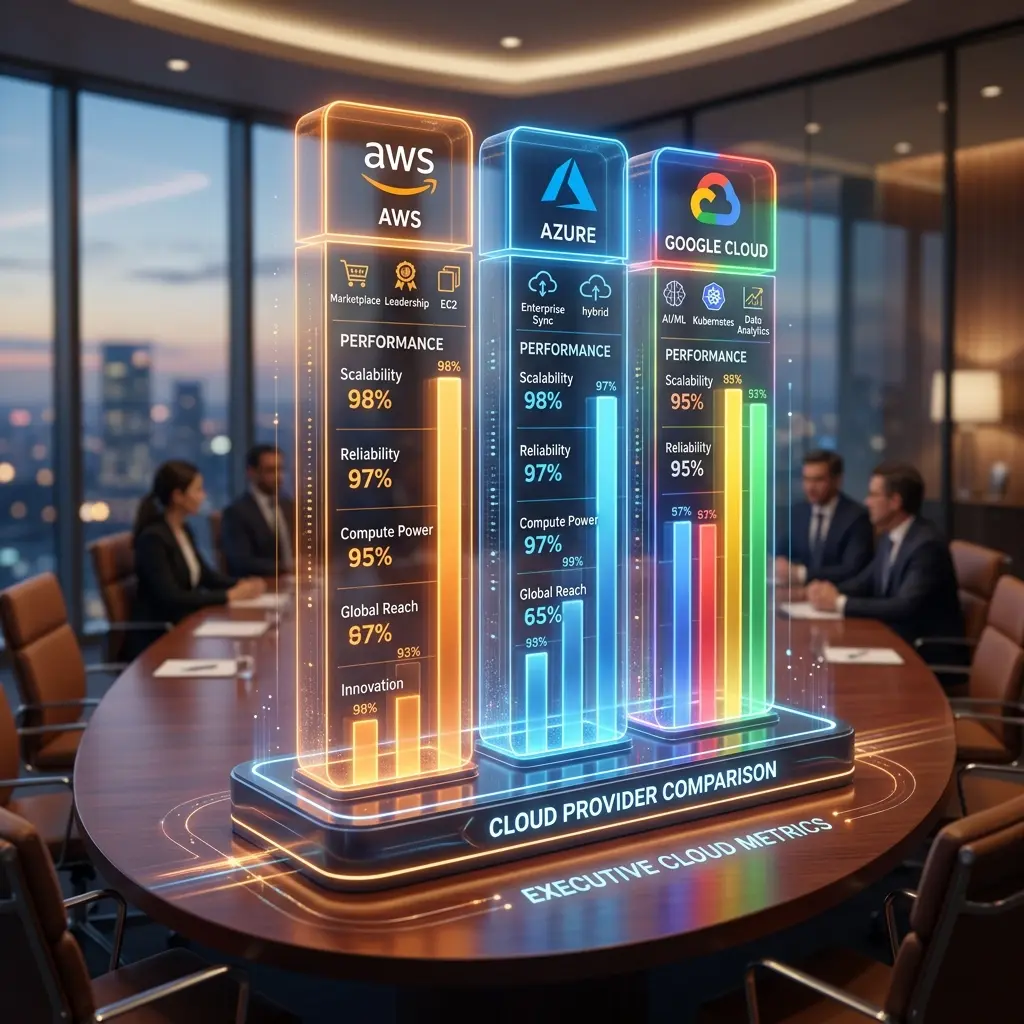
Option/Technology Efficiency Cost Recommendation DomineTec CareCloud High $250/month Best for small practices Epic Systems Very High $1,500/month Best for large hospitals AdvancedMD High $329/month Best for mid-sized practices NextGen Moderate $459/month Best for specialists

A comprehensive view of the best medical billing software available in 2026.
Understanding Medical Billing and EHR Software
Medical billing and Electronic Health Records (EHR) software are essential tools that streamline operations in healthcare settings. As we approach 2026, the importance of integrating these technologies will only increase, driven by regulatory demands and the need for efficiency.
Top Features to Look for in 2026
When evaluating the best medical billing and EHR software for 2026, consider features such as interoperability, user-friendly interfaces, and advanced analytics capabilities. These elements will enhance not only the billing process but also patient care.
Cost Considerations
The cost of medical billing and EHR software can vary significantly based on the size of the practice and the features required. While some software solutions may appear affordable upfront, hidden costs can arise from integrations, training, and ongoing support.
Market Trends for 2026
The trends shaping the medical billing and EHR landscape in 2026 include a shift towards cloud-based solutions, increased use of AI for billing accuracy, and a greater focus on patient engagement tools. Understanding these trends will help practices choose the right technology.
How to Choose the Right Software
Choosing the right medical billing and EHR software involves assessing your practice's specific needs, budget constraints, and long-term goals. Conduct thorough research and consider demos to ensure alignment with your operational requirements.
DomineTec Perspective for 2026
As we move towards 2026, we anticipate a significant evolution in medical billing and EHR software, with AI and machine learning becoming integral in automating processes, reducing errors, and enhancing patient care through predictive analytics.
Checklist for Choosing Medical Billing and EHR Software
Define your practice's needs and budget.
Research available software options and their features.
Request demos and trial periods.
Evaluate customer support and training options.
Consider scalability for future growth.
Review integration capabilities with existing systems.
Check for compliance with regulations.

Key features to consider in EHR software for 2026.
By focusing on these aspects, healthcare providers can effectively navigate the complex landscape of medical billing and EHR software, ensuring they invest in solutions that will serve them well into the future.

The future of EHR software and its impact on healthcare.
For more insights on healthcare technology, explore our articles on healthcare technology trends and best EHR software solutions.
Emerging Technologies in Medical Billing and EHR
As we step into 2026, the integration of emerging technologies in medical billing and EHR systems is transforming how healthcare providers manage patient information and billing processes. Key technologies such as artificial intelligence (AI), machine learning, blockchain, and telehealth are shaping the future of these systems.
Artificial Intelligence and Machine Learning
AI and machine learning are at the forefront of innovations in medical billing and EHR software. These technologies enhance the accuracy of billing processes by automating claims submissions and reducing human error. For instance, AI algorithms can analyze billing patterns and detect anomalies, such as billing for services not rendered, thereby preventing fraud and ensuring compliance with healthcare regulations.
Moreover, machine learning can predict patient outcomes based on historical data, enabling healthcare providers to make data-driven decisions that improve patient care. This predictive capability can also assist in identifying patients who are at risk of non-compliance with treatment plans, allowing for timely interventions.
Blockchain Technology
Blockchain technology is gaining traction in the healthcare sector as a means of enhancing data security and interoperability. By using a decentralized ledger, blockchain can ensure that patient records are immutable and securely shared among authorized providers without the risk of data breaches. This is particularly important in medical billing, where the accuracy and security of patient information are paramount.
Implementing blockchain in EHR systems can streamline the billing process by providing a transparent and tamper-proof record of transactions, which can help reduce disputes between providers and payers.
Patient Engagement and Telehealth Integration
In 2026, patient engagement remains a critical component of healthcare delivery. Medical billing and EHR software must include features that promote patient engagement, such as patient portals and mobile applications that allow patients to schedule appointments, access their health records, and communicate securely with their healthcare providers.
Additionally, the integration of telehealth services into EHR systems is becoming increasingly essential. With the rise of virtual care, EHR software should support telehealth functionalities, including billing for remote consultations and documenting virtual visits in patient records seamlessly. This integration not only enhances patient access to care but also simplifies billing for these services.
Data Analytics for Improved Outcomes
Advanced data analytics capabilities in medical billing and EHR software can provide valuable insights into practice performance and patient outcomes. By analyzing large datasets, healthcare providers can identify trends, measure the effectiveness of treatments, and optimize operational efficiencies. For example, analytics can help determine the most common billing errors and address them proactively, ultimately reducing claim denials and improving revenue cycle management.
Furthermore, predictive analytics can be utilized to forecast patient demand, helping practices to allocate resources more effectively and improve patient satisfaction by reducing wait times.
Regulatory Compliance and Cybersecurity
As healthcare regulations continue to evolve, ensuring compliance with federal and state laws is crucial when selecting medical billing and EHR software. In 2026, software solutions must support compliance with standards such as HIPAA, HITECH, and other relevant regulations. This includes implementing robust security measures to protect patient data and ensure that billing practices align with legal requirements.
Cybersecurity threats are a growing concern in the healthcare industry, making it imperative for medical billing and EHR software to incorporate advanced security features. Encryption, multi-factor authentication, and regular security audits are essential components to safeguard sensitive patient information from breaches.
Choosing Software with Compliance in Mind
Evaluate vendors based on their track record for compliance and security.
Look for certifications and attestations that demonstrate adherence to industry standards.
Ensure that the software provides regular updates to maintain compliance with evolving regulations.
Future-Proofing Your Practice
As the healthcare landscape continues to evolve, future-proofing your practice is essential. This involves selecting medical billing and EHR software that is not only capable of meeting current needs but also adaptable to future developments. Consider the following strategies:
Scalability
Invest in software that can scale with your practice as it grows. Whether you plan to expand your services, increase your patient base, or incorporate new technologies, your software should be able to accommodate these changes without requiring a complete overhaul.
Vendor Support and Training
A reliable vendor that offers comprehensive support and training is crucial for maximizing the value of your medical billing and EHR software. Regular training sessions can help staff stay updated on new features and best practices, ensuring that your practice operates efficiently.
Community and User Feedback
Engage with other healthcare providers and industry experts to gather insights on the latest trends and software options. Online forums, webinars, and industry conferences can provide valuable information and user experiences that can inform your decision-making process.
Conclusion
As we look ahead to 2026, the landscape of medical billing and EHR software is poised for significant transformation. By understanding emerging technologies, prioritizing patient engagement, ensuring regulatory compliance, and future-proofing your practice, healthcare providers can make informed decisions that enhance operational efficiency and improve patient care.
For additional resources and in-depth comparisons of the best medical billing and EHR solutions, stay tuned to our ongoing coverage of healthcare technology advancements.
Case Studies: Success Stories in Medical Billing and EHR Adoption
Understanding how different healthcare organizations have successfully implemented medical billing and EHR software can provide valuable insights into best practices and potential challenges. Here are a few case studies that highlight successful transitions and the benefits gained from adopting these technologies.
Case Study 1: Community Health Clinic
A community health clinic in a rural area faced challenges with outdated billing processes that led to frequent claim denials and delayed payments. After researching various options, they decided to implement DomineTec's EHR and billing software, which offered a comprehensive solution tailored to their needs.
Within six months of implementation, the clinic saw a 40% reduction in claim denials. The intuitive user interface allowed staff to quickly train on the new system, and the built-in analytics feature provided insight into billing patterns, helping them identify and rectify errors proactively. The clinic also reported improved patient satisfaction, as patients could easily access their health records and communicate with providers through the patient portal.
Case Study 2: Multi-Specialty Medical Group
A multi-specialty medical group with over 15 physicians struggled with managing patient records and billing across different specialties. The diverse needs of their practice required a robust solution capable of handling various workflows efficiently. After an extensive evaluation, they opted for Epic Systems, which was recognized for its high interoperability capabilities.
Post-implementation, the group experienced enhanced collaboration between specialties, allowing for better-coordinated patient care. The software's ability to integrate telehealth services meant that they could offer virtual visits seamlessly. As a result, they reported a 25% increase in patient retention rates and improved revenue cycle efficiency within the first year.
The Role of User Experience in Software Selection
User experience (UX) is a critical factor that often gets overlooked when selecting medical billing and EHR software. A positive UX can significantly impact the adoption and effectiveness of the software in a clinical setting.
Importance of User-Friendly Interfaces
Healthcare professionals are often pressed for time and juggling multiple responsibilities. Software that is intuitive and easy to navigate minimizes the learning curve and reduces the likelihood of errors during data entry and billing processes. In 2026, we expect user-centric design to be a core focus for software developers, leading to enhanced usability and satisfaction among healthcare providers.
Feedback Loops and Continuous Improvement
Vendors should establish feedback loops with users to continually improve the software based on real-world experiences. Regular updates that address user concerns and incorporate new features based on user requests can foster a culture of collaboration between providers and software developers. This approach not only enhances the software's functionality but also builds trust and loyalty among users.
Exploring Integration with Other Healthcare Technologies
As healthcare technology evolves, the integration of medical billing and EHR systems with other healthcare technologies is becoming increasingly necessary. This integration can streamline workflows, enhance patient care, and improve operational efficiency.
Interoperability with Other Health Systems
In 2026, interoperability will be a key consideration when selecting medical billing and EHR software. The ability to share data seamlessly with other healthcare systems, such as pharmacy, laboratory, and imaging systems, is essential for providing comprehensive and coordinated patient care. Software solutions that support standardized protocols such as FHIR (Fast Healthcare Interoperability Resources) will be favored.
Integration with Health Information Exchanges (HIEs)
Health Information Exchanges facilitate the sharing of patient data across different healthcare organizations. EHR systems that integrate with HIEs can access up-to-date patient records, leading to more informed clinical decision-making. This integration can drastically reduce duplicate tests and improve treatment outcomes.
Future Innovations on the Horizon
The future of medical billing and EHR software holds exciting innovations that will further enhance healthcare delivery. Here are some potential developments to watch for in the coming years:
Telehealth Evolution
The telehealth landscape is expected to evolve, with more sophisticated features integrated into EHR systems, such as real-time remote monitoring and AI-driven triage tools. These advancements will allow providers to deliver care more effectively and personalize treatment plans based on patient data collected during virtual visits.
Personalized Medicine and Genomics Integration
As personalized medicine gains traction, the integration of genomic data into EHR systems will become more prevalent. This will enable healthcare providers to tailor treatments based on individual genetic profiles, improving the effectiveness of interventions and minimizing adverse effects.
Voice Recognition and Natural Language Processing
Voice recognition technology will play a greater role in EHR documentation, allowing healthcare providers to dictate notes and commands verbally. This innovation can save time and enhance the accuracy of documentation, as natural language processing (NLP) algorithms become more sophisticated in understanding medical terminology and context.
Conclusion
As we progress through 2026, the medical billing and EHR software landscape will continue to evolve, driven by technological advancements and the changing needs of healthcare providers. By focusing on user experience, interoperability, and emerging technologies, practices can ensure they are well-equipped to navigate the future of healthcare technology. The right software solution can not only enhance operational efficiency but also significantly improve patient care and outcomes.
For ongoing updates and expert insights into healthcare technology, subscribe to our newsletter and stay informed about the latest trends and developments in medical billing and EHR software.