Best Hidden Indoor Security Cameras (Spy & Discreet Surveillance)
Thermal Management and Ventilation Challenges in Covert Cameras
One of the most overlooked technical issues when installing hidden indoor cameras is thermal management. Because these devices are designed to be integrated into daily household items — like wall clocks, smoke detectors, USB chargers, or artificial plants — they are often placed in enclosed spaces with little to no airflow. The camera's image processor, Wi-Fi module, and voltage converters generate continuous heat during operation.
Without proper ventilation, the internal temperature of a hidden camera can easily exceed 65°C (149°F). This heat buildup can cause the image sensor to generate significant visual noise (thermal noise appearing as color specks in low light) and degrade the battery capacity of rechargeable units. In worst-case scenarios, extreme heat can warp the plastic housing of the surrounding object or pose a potential fire hazard. When installing custom spy cameras, always ensure there are subtle ventilation holes at the top and bottom of the enclosure to allow passive heat dissipation.
Legal and Privacy Considerations for Hidden Spy Cameras
When deploying discrete or hidden indoor security cameras, you must strictly comply with federal, state, and local laws regarding surveillance. Installing hidden cameras in areas where individuals have a reasonable expectation of privacy — such as bathrooms, bedrooms, guest rooms, or changing areas — is strictly illegal and can lead to severe criminal prosecution under wiretapping and privacy violation statutes.
Furthermore, audio recording is governed by different legal parameters than video recording. In many jurisdictions, recording oral conversations without the consent of at least one party (one-party consent states) or all parties (two-party/all-party consent states) is a felony under wiretapping laws. Because spy cameras often feature built-in microphones, you must ensure that audio recording is either disabled in the camera software configuration or complies with local wiretapping regulations. For legal safety, many homeowners disable audio capturing entirely on discrete cameras placed in shared common areas.
If you are monitoring domestic workers or service technicians inside your property, while it is generally legal to record video in common living areas (like living rooms, hallways, and kitchens) for security purposes, some regions require you to disclose the presence of security systems. Always consult local legal counsel before using hidden or covert cameras in residential or commercial settings to avoid violating privacy rights.
Best Hidden Indoor Security Cameras (Spy & Discreet Surveillance)
Monitoring your home or business environment discreetly has become a vital requirement for many property owners. Whether you need to supervise caregivers or babysitters, protect offices from internal theft, or gather evidence in loss prevention investigations, choosing the right best hidden indoor security cameras spy system requires careful technical analysis. Unlike standard IP security cameras, which are designed to be visible as visual deterrents, hidden cameras must blend seamlessly into the room, making them virtually invisible to the casual observer.
However, selecting a hidden camera involves technical factors far beyond simple aesthetic disguises. You must evaluate the specifications of the pinhole lens, the wavelength of the night vision LEDs, continuous power sources, motion detection wake-up delays, and the local privacy laws governing hidden surveillance. This guide explores the optical components, hardware engineering, and best practices for deploying discreet indoor security cameras.
1. The Physics of Pinhole Lenses for Hidden Surveillance
The primary component of any hidden camera is its optical lens. Standard security cameras use large glass lenses (2.8mm to 4mm) to capture as much light as possible. In contrast, hidden cameras rely on a specialized pinhole lens.
A pinhole lens is a miniaturized optical system with an extremely small front aperture, typically ranging from 1mm to 2mm in diameter. The light entering this tiny opening is focused onto an underlying CMOS (Complementary Metal-Oxide-Semiconductor) image sensor. The camera's mainboard (SoC) and battery are hidden behind a mounting surface, leaving only the tiny cone of the pinhole lens exposed to the room. This physical design allows the camera to be embedded inside USB wall chargers, smoke detectors, wall clocks, or picture frames. For travelers concerned about their personal privacy, learning how to find hidden cameras in hotel rooms using optical lens finders and RF scanners is highly recommended to detect these tiny lens apertures.
2. Night Vision Infrared Wavelengths: 850nm vs. 940nm
Most standard indoor cameras use infrared (IR) LEDs with an 850-nanometer (nm) wavelength for night vision. While the IR light itself is invisible to the human eye, the LEDs emit a faint red glow when active. In a hidden camera setup, this red glow would immediately reveal the camera's location in a dark room.
To remain completely undetected, professional hidden security cameras utilize 940nm invisible IR LEDs. The light from a 940nm LED is completely invisible to the human eye, and the LED emitter itself remains dark even in total darkness. The technical trade-off is that standard CMOS image sensors are less sensitive to 940nm light than 850nm light, resulting in a 30% to 40% reduction in night vision range. High-end spy cameras compensate for this by incorporating ultra-low-light sensors (such as Sony STARVIS) that offer superior infrared sensitivity.
3. Common Form Factors and Integration Options
Hidden indoor security cameras are available in several pre-configured designs or as DIY kits:
- USB Wall Charger Cameras: These devices plug directly into standard AC outlets and function as real USB chargers. Because they draw power directly from the wall, they provide continuous 24/7 recording without battery limitations.
- Smoke Detector Form Factor: Ceiling-mounted cameras provide an excellent overhead view of the room. Since smoke detectors are common in modern homes and offices, they rarely draw suspicion.
- Digital Alarm Clocks: These functional alarm clocks hide the camera lens behind a dark, mirrored acrylic panel, concealing it even when viewed from a close distance.
- DIY Pinhole Modules: A tiny mainboard connected to a pinhole lens by a flexible flat cable. These kits allow you to build custom hidden cameras inside items like bookends, speakers, or toys. For a budget-friendly alternative, you can also convert an old smartphone into a security device, though it won't be as compact as a dedicated DIY spy module. If you are comparing options, looking into the best budget indoor security cameras will help you decide between standard visibility models and hidden ones.
4. Power Management and Thermal Constraints
Power management is the biggest challenge for battery-operated hidden cameras. Transmitting continuous Full HD video over Wi-Fi requires 200 mA to 350 mA of current. A small 1000 mAh lithium battery would power the camera for only 3 to 5 hours of continuous recording.
To extend battery life, battery-powered spy cameras use low-power modes triggered by a hardware PIR (Passive Infrared) sensor. In standby mode, the camera's Wi-Fi card and primary processor enter deep sleep, drawing less than 0.05 mA. When the PIR sensor detects heat from a moving body, it wakes the camera hardware in under a second to record to local storage and send an alert. This allows battery-powered units to operate for several months on a single charge.
Thermal management is another critical factor. Because these cameras are small and lack metal heatsinks, the internal processor can overheat during extended streaming sessions. High-quality models use conductive thermal tape to transfer heat to the outer plastic shell, preventing system crashes and image noise.

5. Comparison Table of Hidden Camera Types
The table below compares the most common hidden camera form factors, highlighting their power sources, night vision capabilities, and primary advantages:
| Form Factor | Max Resolution | Power Source | Infrared (IR) Type | Field of View (FoV) | Best Use Case |
|---|---|---|---|---|---|
| USB Wall Charger | 1080p (Full HD) | AC Outlet (Continuous) | No IR (Needs room light) | 90° (Fixed) | High-traffic living rooms |
| Smoke Detector | 1080p / 2K | Rechargeable Battery / AC | 940nm Invisible (15ft range) | 120° (Wide Angle) | Overhead office surveillance |
| Alarm Clock | 1080p | Battery with USB backup | 940nm Invisible (10ft range) | 100° (Fixed) | Nightstands and bookshelves |
| DIY Pinhole Module | 1080p / 4K | External Li-ion / DC Input | Optional 940nm add-on | 70° - 110° (Variable) | Custom furniture integration |
6. Network Hardening and Data Privacy
Deploying a hidden camera means capturing highly sensitive footage. If the camera is compromised, hackers could gain access to your private living spaces. Many cheap spy cameras use generic P2P cloud services that lack robust security protocols.
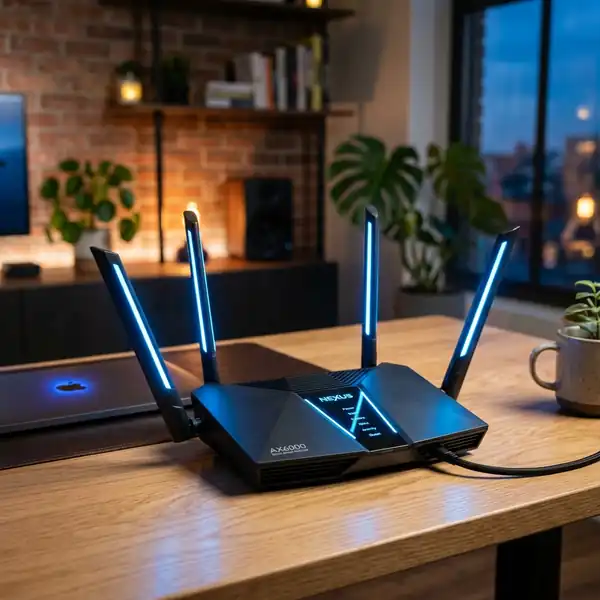
To secure your hidden camera network, implement these practices: 1. Change the default administrator password immediately to a strong, unique password (at least 12 characters, mixing letters, numbers, and symbols); 2. Choose cameras that support local-only recording (no cloud connection required) or use end-to-end encryption (AES-256) for transmission; 3. Assign your smart home cameras to a dedicated Guest Network or VLAN (Virtual Local Area Network) on your router to isolate them from your primary computers and files.
7. Legal and Ethical Considerations
Before installing any hidden camera, you must understand the legal regulations governing covert surveillance. In many jurisdictions, recording video or audio without consent can lead to criminal charges or civil lawsuits.
- Expectation of Privacy: You cannot install hidden cameras in places where people have a reasonable expectation of privacy, such as bathrooms, bedrooms, locker rooms, or guest quarters. Doing so is a direct violation of privacy laws in almost all regions.
- Audio Recording Laws: Many regions have strict wiretapping laws that forbid recording audio conversations without the consent of at least one (or all) parties. Because of this, many hidden cameras are sold with the microphone disabled by default to comply with federal regulations.
- Workplace Monitoring: Monitoring employees (including nannies or home health aides) with hidden cameras is highly regulated. In many states and countries, you are legally required to inform employees that the premises are monitored by security cameras, even if the exact locations of the cameras are not disclosed.
8. Frequently Asked Questions (FAQ)
How can I tell if a hidden camera is transmitting data?
You can use network scanning tools like Fing on your smartphone to list all devices connected to your Wi-Fi network. Look for unknown devices using chipsets from IoT manufacturers like Espressif, Realtek, or Tuya, which may indicate an active camera.
Do hidden cameras record audio as well?
Many models include built-in microphones, but recording audio without consent is illegal in many jurisdictions. Always check local wiretapping laws before enabling audio recording features.
How much video can a 128GB MicroSD card hold?
Using H.265 compression at a 1080p resolution and a dynamic bitrate of 1.5 Mbps, a 128GB MicroSD card can store approximately 8 to 10 days of continuous video before looping and overwriting older files.
Do hidden cameras work without internet?
Yes. Many models can record offline directly to a MicroSD card. You will only need a Wi-Fi connection if you want to view live video feeds or receive motion alerts on your smartphone.
Conclusion
Deploying hidden indoor security cameras can be an effective way to protect your property and loved ones. By selecting the right form factor, using invisible 940nm night vision, securing your wireless network, and respecting legal privacy boundaries, you can implement a highly effective, discreet surveillance system. Following these best practices ensures your home remains secure and your privacy is maintained.