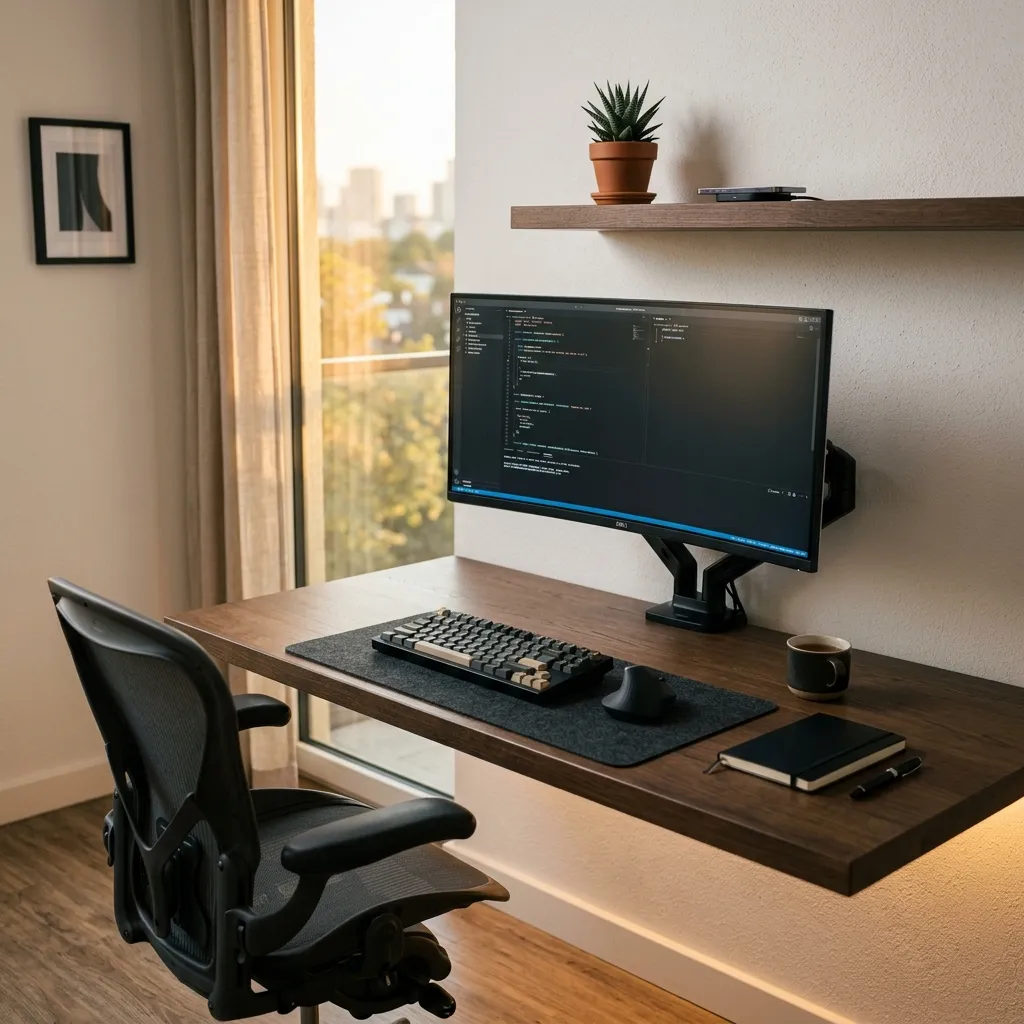
The best DT3 office ergonomic chairs enhance comfort and productivity for long working hours.
Ergonomic Design Principles
Ergonomic design aims to support the natural posture of the body, reducing strain during extended use. Features like adjustable lumbar support and seat height play crucial roles in maintaining comfort.
Performance and Adjustability
Performance in ergonomic chairs is often tied to adjustability. Look for models with multi-dimensional adjustments for height, armrests, and backrest angle to tailor the fit to individual needs.
Materials Used in Construction
Quality materials contribute significantly to both durability and comfort. High-density foam and breathable mesh are often preferred for their ability to provide support while enhancing airflow.
Brands to Consider
Several reputable brands dominate the ergonomic chair market, including Herman Miller, Steelcase, and Humanscale. Each brand offers unique features catering to different ergonomic needs.
Comparative Analysis of Top DT3 Chairs
| Chair Model | Material | Adjustable Features | Weight Capacity | Price Range |
|---|---|---|---|---|
| Herman Miller Aeron | Mesh | Height, armrests, lumbar | 350 lbs | $1,000 - $1,500 |
| Steelcase Leap | Fabric | Height, armrests, lumbar, seat depth | 400 lbs | $900 - $1,300 |
| Humanscale Diffrient | Mesh | Height, backrest | 300 lbs | $800 - $1,200 |
DomineTec Tip: Regular breaks and stretching can significantly enhance the benefits of ergonomic chairs, preventing stiffness.
- Assess personal ergonomic needs before selecting a chair.
- Test the chair for adjustability to ensure a proper fit.
- Consider the durability of materials for long-term use.
- Review customer feedback for real-world performance insights.
- Ensure the chair complements your desk and monitor height.
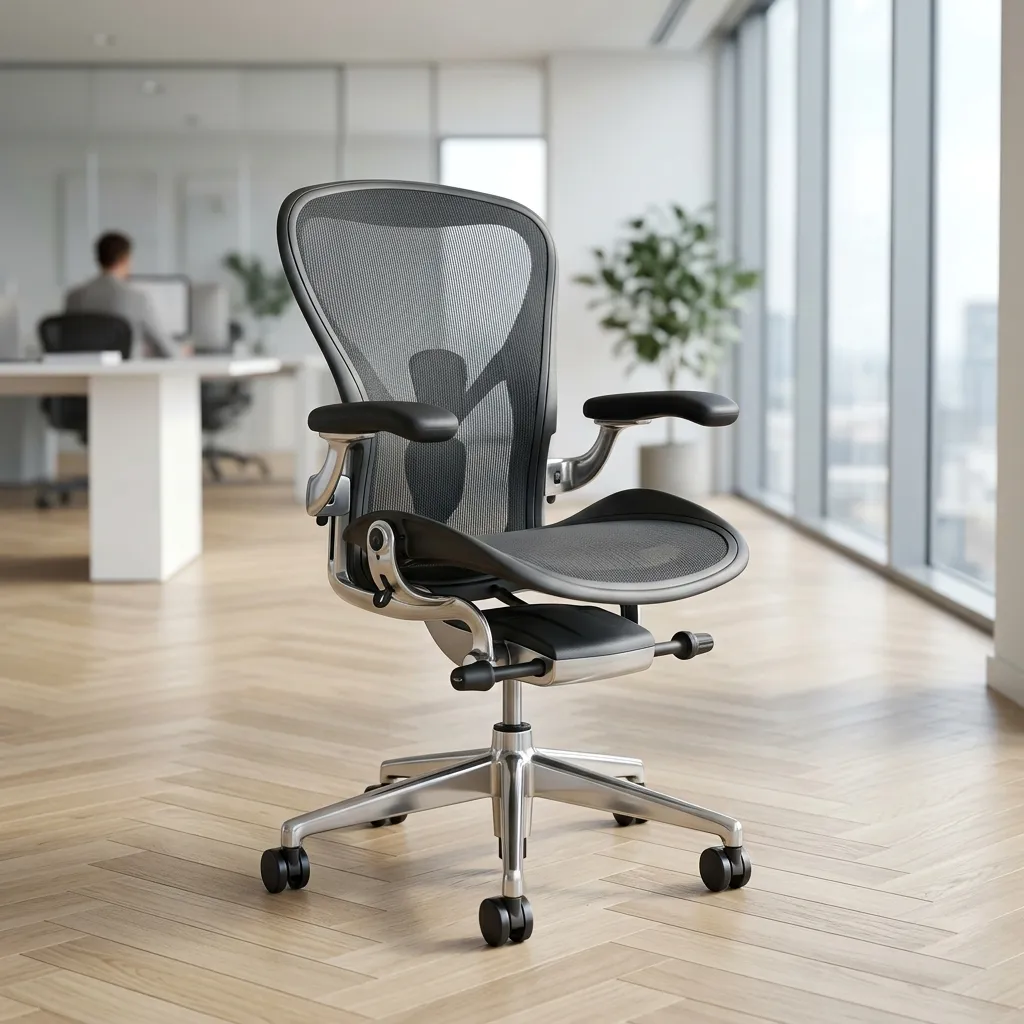
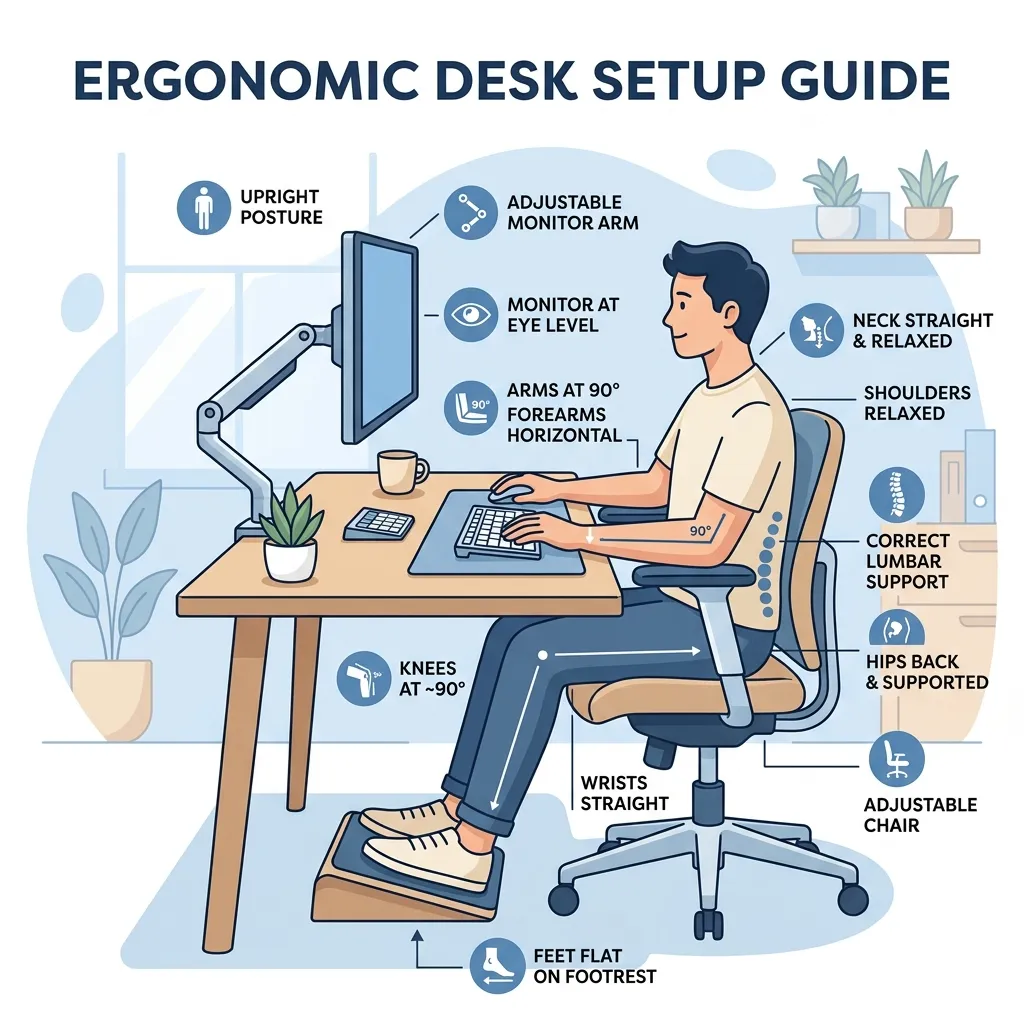
For optimal typing efficiency, choose mechanical keyboard switches that fit your typing style. Additionally, ensure that you correct monitor height for eye level alignment.
Health Benefits of Ergonomic Chairs
Ergonomic chairs support the natural posture of the body, alleviating discomfort and reducing the risk of musculoskeletal disorders. By promoting proper alignment of the spine, these chairs can help mitigate issues such as chronic back pain.
Additionally, ergonomic chairs can improve circulation by allowing users to maintain a comfortable seated position, reducing pressure on the legs and enhancing blood flow. Investing in an ergonomic chair can lead to long-term health benefits, including decreased fatigue and improved overall well-being.
Impact on Productivity
The design of ergonomic chairs can significantly impact worker productivity by enhancing comfort and focus. Comfortable employees are more likely to remain engaged and less likely to take frequent breaks due to discomfort.
Moreover, ergonomic chairs encourage better posture, which is linked to improved cognitive functioning and concentration levels. Ultimately, the right chair can create a more conducive work environment, fostering higher efficiency and job satisfaction.
Cost vs. Value Analysis
While ergonomic chairs often come with a higher upfront cost, their long-term value should be considered in terms of health benefits and productivity gains. Investing in quality ergonomic furniture can lead to reduced healthcare costs associated with work-related injuries.
Furthermore, many ergonomic chairs come with warranties and durability guarantees, ensuring that the investment pays off in the long run. Evaluating the cost against potential productivity improvements can provide a clearer picture of value.
Environmental Considerations
Many manufacturers prioritize sustainability in their production of ergonomic chairs, using eco-friendly materials and processes. Choosing chairs made from recycled or sustainably sourced materials can contribute to a reduced environmental footprint.
Furthermore, the longevity of ergonomic chairs often means less waste, as they are designed to withstand years of use. Consumers increasingly seek products that align with their environmental values, making sustainability an important factor in the selection process.
Customization Options
Customization features are essential in ergonomic chairs, allowing users to tailor their seating experience to their individual needs. Options such as adjustable lumbar support, seat depth, and armrest height can significantly enhance comfort for different body types.
Some chairs even offer modular components that can be swapped out for a more personalized fit, making them versatile for various work environments. Customization not only improves user experience but also encourages proper posture, which is vital for long-term health.
Technological Innovations
Recent advancements in technology have led to the development of smart ergonomic chairs that can further enhance user experience. These innovative chairs may include features such as posture tracking and integrated health monitoring.
Such technology can provide real-time feedback, encouraging users to maintain healthy sitting habits throughout their workday. As technology continues to evolve, the integration of smart features in ergonomic chairs will likely become standard.
Community and Support Resources
Many brands that produce ergonomic chairs also offer resources and support for users. Access to professional advice on optimal chair adjustment and ergonomic practices can enhance the benefits of using these chairs.
Additionally, many companies host online communities where users can share tips and experiences to improve their ergonomic setup. Such support resources contribute to a culture of health and well-being in the workplace.
Long-Term Investment in Ergonomics
Investing in an ergonomic chair is a long-term commitment to workplace wellness. High-quality ergonomic chairs may have a higher upfront cost, but their durability and support can save money in the long run by reducing health-related expenses.
A well-designed chair can minimize the risk of repetitive strain injuries, which can lead to costly medical treatments. When evaluating the cost, consider the longevity and potential savings associated with maintaining employee health.
Importance of Proper Support for Different Body Types
Not all ergonomic chairs are created equal, as different body types require varying levels of support. Chairs that accommodate a wide range of body sizes can help ensure that everyone in the workplace receives adequate lumbar and pelvic support.
Employers should consider chairs with adjustable features to cater to diverse employee needs. By prioritizing inclusivity in ergonomic design, companies can foster an environment where all employees feel comfortable and supported.
Workplace Setup and Ergonomic Integration
Choosing the right ergonomic chair is just one component of creating an overall ergonomic workspace. Proper desk height, monitor placement, and keyboard positioning are essential for maximizing the benefits provided by an ergonomic chair.
Employers should encourage employees to assess and adjust their entire workstation to create an integrated ergonomic solution. Training sessions on proper posture and workstation setup can further enhance the effectiveness of ergonomic chairs.
User Feedback and Real-World Experiences
Real-world user feedback plays a crucial role in evaluating the effectiveness of ergonomic chairs. Reviews and testimonials can provide insights into how well a chair performs in a typical work environment over time.
By analyzing user experiences, potential buyers can gain a better understanding of the pros and cons of different models. Additionally, organizations can benefit from employee feedback on ergonomic chairs to make informed decisions on future purchases.
Future Trends in Ergonomic Chair Design
The future of ergonomic chair design is likely to be influenced by advancements in technology and changing workplace dynamics. As remote work becomes increasingly prevalent, chairs will need to adapt to varied home office setups.
Innovative designs may incorporate smart technologies that monitor posture and provide real-time feedback. Ongoing research into human biomechanics will continue to shape ergonomic solutions, ensuring they meet the evolving needs of the modern workforce.
Maintenance and Care for Ergonomic Chairs
Regular maintenance is crucial for ensuring the longevity and optimal performance of ergonomic chairs. Users should periodically check and tighten any loose screws or bolts to prevent instability.
Cleansing the chair's surface is equally important. Most manufacturers recommend using a damp cloth and mild detergent to wipe down fabric or leather surfaces.
For chairs with adjustable components, users should familiarize themselves with the adjustment mechanisms and ensure they remain in good working order. Lubricating moving parts can also help maintain smooth operation.
Lastly, it is advisable to follow specific guidelines provided by the manufacturer for maintenance routines to ensure that the chair continues to meet ergonomic standards.
Impact of Ergonomic Chairs on Mental Well-being
The use of ergonomic chairs can significantly influence mental well-being by reducing discomfort and fatigue during long working hours. Comfortable seating allows users to focus better on tasks without being distracted by physical discomfort.
Furthermore, an ergonomic chair promotes better posture, which can lead to increased confidence and a more positive mindset. Studies have shown that comfortable seating can reduce stress levels, contributing to overall mental health.
Incorporating ergonomic chairs into the workplace can create a more supportive atmosphere, fostering collaboration and creativity among employees. This can lead to improved job satisfaction and morale.
Ergonomic Chairs and Remote Work Adaptability
With the rise of remote work, ergonomic chairs have become essential for home office setups. Many individuals transitioning to remote work have found that investing in a quality ergonomic chair enhances their productivity.
These chairs often come with features that cater to various setups, ensuring that users can maintain proper posture regardless of their workspace arrangement. This adaptability is key in creating a functional home office.
Moreover, ergonomic chairs designed for remote work typically emphasize portability and ease of assembly, making them accessible for users who may need to move their workspace frequently.
By integrating ergonomic chairs into remote work environments, companies can support their employees' health and productivity, ultimately leading to a more efficient and satisfied workforce.
Integration of Smart Technology in Ergonomic Chairs
Modern ergonomic chairs are increasingly incorporating smart technology features that enhance user comfort and promote better posture. These innovations include sensors that monitor sitting habits and provide real-time feedback on posture.
Some models are equipped with adjustable lumbar support that can automatically adapt to the user's body shape, ensuring optimal spinal alignment. This level of customization helps prevent discomfort and reduces the risk of musculoskeletal disorders.
Additionally, smart ergonomic chairs can sync with wearable devices to track user activity and remind them to take breaks. This integration promotes a more active lifestyle and encourages users to remain vigilant about their well-being during long working hours.
As smart technology continues to evolve, the potential for ergonomic chairs to provide personalized user experiences will likely expand, leading to further advancements in workplace health and productivity.
Comparative Durability and Warranty Considerations
When selecting an ergonomic chair, durability is a critical factor that influences long-term satisfaction and value. High-quality materials and construction methods contribute significantly to a chair's lifespan.
Many reputable manufacturers offer warranties that reflect their confidence in the durability of their products. A comprehensive warranty can cover various components, granting users peace of mind regarding their investment.
It is advisable to compare warranty lengths and coverage details among different DT3 ergonomic chair models. Chairs with extended warranties typically signal a greater assurance of durability and longevity.
Furthermore, understanding the warranty terms can help users navigate the process of claiming repairs or replacements, ensuring optimal use of their ergonomic chair throughout its intended lifespan.
Adjustable Features for Personalized Comfort
Adjustability is a critical feature in ergonomic chairs, allowing users to customize their seating experience to fit their unique body shapes. Most DT3 office ergonomic chairs offer advanced adjustability options, including seat height, backrest angle, and armrest positioning.
The height adjustment mechanism is particularly important, as it allows users to align their eyes with the computer screen and maintain a neutral spine position. A chair that can be adjusted to the right height can significantly reduce the risk of neck and back pain.
In addition to height, the ability to adjust lumbar support helps accommodate the natural curve of the spine. Many DT3 chairs feature adjustable lumbar support that can be moved up or down, offering targeted support where it is most needed.
Armrests that can be adjusted in height and width also contribute to overall comfort. Properly positioned armrests reduce shoulder strain and encourage relaxation in the upper body.
Comparative Analysis of User Experience Across Various Environments
User experience with DT3 ergonomic chairs can vary significantly depending on the work environment, whether it's a traditional office, a home office, or a co-working space. In traditional office settings, employees often report improved focus and productivity when using ergonomic chairs.
In home office scenarios, users frequently mention the importance of comfort and adjustability, as they may spend even more time seated compared to a typical office. The flexibility to adapt chair settings throughout the day is a key factor in maintaining energy levels.
Co-working spaces present unique challenges, as individuals need chairs that cater to different body types and preferences. Ergonomic chairs that easily adjust and offer a wide range of customization options are favored in these environments.
Feedback from users in diverse settings highlights the necessity for ergonomic chairs to balance comfort with functionality. Chairs that facilitate easy transitions between sitting and standing are increasingly popular as they promote movement.
Frequently Asked Questions
What is the ideal height for an ergonomic chair?
The ideal height allows feet to rest flat on the floor, with knees at a 90-degree angle. Adjustability is key for achieving this position.
How often should I adjust my chair?
Regular adjustments should be made based on different tasks and comfort levels. Daily adjustments can help maintain optimal ergonomic support.
What are the benefits of using an ergonomic chair?
Benefits include reduced back pain, improved posture, and enhanced productivity during long work hours. Ergonomic chairs promote overall well-being.
Are all ergonomic chairs expensive?
While many ergonomic chairs come with a higher price tag, affordable options exist without compromising essential ergonomic features. Value can often be found in mid-range models.
Can ergonomic chairs prevent health issues?
Proper use of ergonomic chairs can help prevent musculoskeletal disorders and improve overall comfort. They are a critical component of a healthy workspace.