![8 Best Drones for Professional 4K Video [2026 Picks]](/images/posts/drone-professional-4k.webp)
Introduction
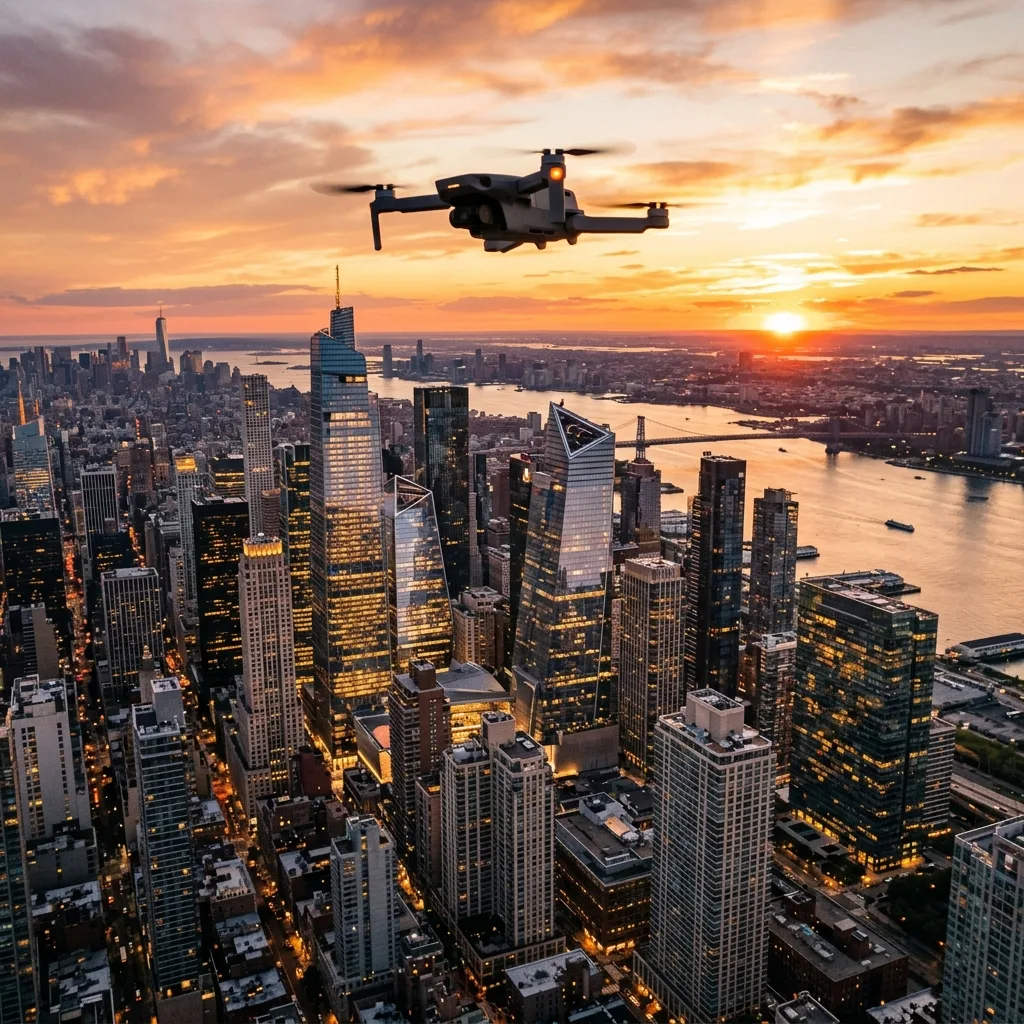
For stunning professional 4K video, the right drone can make all the difference. Drones are revolutionizing the way filmmakers capture high-quality footage. In 2026, numerous models stand out, offering exceptional video capabilities, advanced features, and ease of use.
What to Look for in a 4K Drone
When selecting a drone for professional 4K video, consider several factors. The camera quality, flight time, stability, and ease of control are paramount.
Camera specifications such as sensor size, lens quality, and bitrate directly affect the final video quality. A larger sensor can capture more light, resulting in better low-light performance.
Flight time is highly important for extended shoots. Most professional drones offer between 25 to 40 minutes of flight time per charge.
Stabilization and Gimbal Systems
Stabilization systems are fundamental for smooth video. Drones equipped with 3-axis gimbals ensure that your footage remains steady, even in windy conditions.
Advanced gimbals can also allow for better control over camera angles. This feature is particularly useful for dynamic shots.
Top 8 Drones for Professional 4K Video in 2026
| Drone Model | Camera | Flight Time | Price |
|---|---|---|---|
| DJI Mavic 3 Pro | 4/3 CMOS, 20MP | 46 minutes | $2,199 |
| Autel Robotics EVO Lite+ | 1-inch CMOS, 50MP | 40 minutes | $1,499 |
| Skydio 2 | 12MP, 4K60 | 23 minutes | $999 |
| DJI Air 2S | 1-inch CMOS, 20MP | 31 minutes | $999 |
| Parrot Anafi USA | 21MP, 4K HDR | 32 minutes | $7,000 |
| Yuneec Typhoon H3 | 20MP, 4K | 25 minutes | $1,799 |
| DJI Mini 4 Pro | 1/1.3-inch, 48MP | 38 minutes | $999 |
| Holy Stone HS720E | 4K, 12MP | 26 minutes | $299 |
1. DJI Mavic 3 Pro
The DJI Mavic 3 Pro is a powerhouse for 4K videography. Its 4/3 CMOS sensor captures incredibly detailed footage.
With a flight time of 46 minutes, it’s ideal for long shoots. The advanced obstacle avoidance system enhances safety during flight.
2. Autel Robotics EVO Lite+
This model features a 50MP camera, making it perfect for high-resolution video. The 1-inch sensor performs well in various lighting conditions.
Its 40-minute flight time allows for greater creative freedom. The EVO Lite+ is also equipped with intelligent flight modes.

3. Skydio 2
Renowned for its autonomous flying capabilities, the Skydio 2 is designed for capturing action shots. Its AI technology enables it to navigate complex environments.
With 23 minutes of flight time, it’s best suited for shorter shoots. The camera provides 4K60 video, ensuring smooth playback.
4. DJI Air 2S
The DJI Air 2S combines portability with performance. Equipped with a 1-inch sensor, it can capture stunning 20MP photos and 4K video.
Its compact design makes it easy to carry, and it offers a flight time of 31 minutes.
5. Parrot Anafi USA
This drone is tailored for professionals, featuring a 32x zoom capability. With its 4K HDR video capabilities, it’s perfect for detailed inspections.
However, its price point is high, making it a significant investment for serious users.
6. Yuneec Typhoon H3
The Yuneec Typhoon H3 is equipped with a 20MP camera and offers excellent stability. With 25 minutes of flight time, it’s suitable for various applications.
Its six-rotor design enhances stability, allowing for more reliable footage.
7. DJI Mini 4 Pro
This lightweight drone packs a punch with its 48MP camera and 4K capabilities. With 38 minutes of flight time, it’s perfect for traveling videographers.
Its compact size does not compromise on performance, making it a top choice for many.
8. Holy Stone HS720E
The Holy Stone HS720E is an affordable option for those new to drone videography. It offers 4K video at an impressive price of $299.
While it lacks some features of more expensive models, it provides great value for beginners.
How to Choose the Right Drone
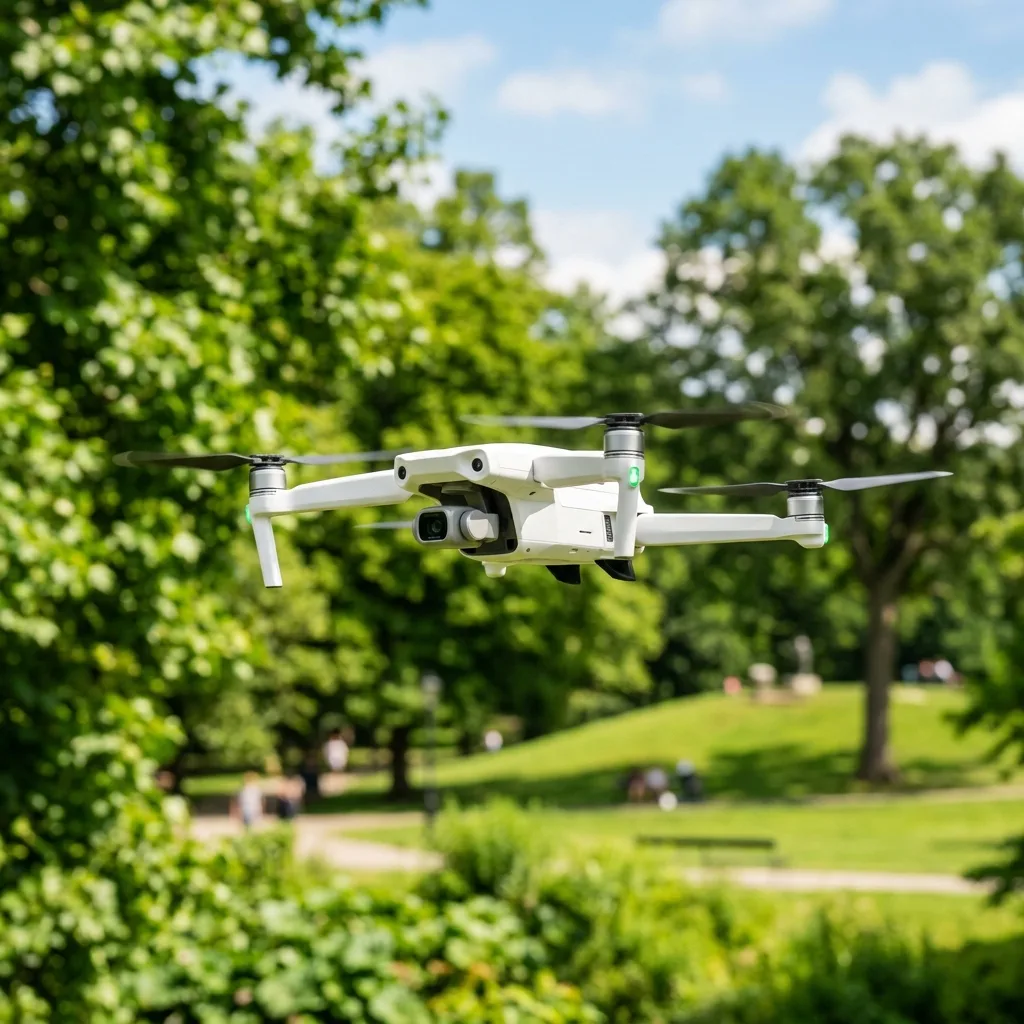
Choosing the right drone depends on your specific needs and budget. Consider the type of projects you’ll be shooting.
If you're a professional filmmaker, investing in a higher-end model like the DJI Mavic 3 Pro is beneficial. For hobbyists, a budget-friendly option might suffice.
Evaluate features such as camera quality, flight time, and ease of use when making your decision.
Conclusion
In conclusion, the market for drones specializing in 4K video is diverse. The right choice will depend on your requirements and budget.
Each of the models discussed here offers unique features that cater to various needs.
For more drone insights, check out our articles on budget-friendly drones and the DJI Mini 4 Pro review.
FAQs
1. What is the best drone for professional 4K video?
The DJI Mavic 3 Pro is widely regarded as the best drone for professional 4K video, offering exceptional quality and features.
2. How long can drones fly for?
Most professional drones have a flight time of 25 to 40 minutes, depending on the model and conditions.
3. Are budget drones good for 4K video?
Some budget drones can achieve decent 4K video quality, but they typically lack advanced features found in higher-end models.
Understanding Drone Camera Technology for 4K Video Production
When considering the best drones for professional 4K video production, understanding the intricacies of drone camera technology becomes paramount. The ability of a drone to capture stunning 4K video is heavily reliant on its camera specifications, sensor quality, and stabilization features. A camera capable of recording in 4K resolution typically utilizes a sensor with a minimum of 8 megapixels, as this provides the necessary detail and clarity to produce high-resolution imagery.
Among the most crITical elements to consider is the type of sensor employed in the drone's camera.
CMOS (Complementary Metal-Oxide-Semiconductor) sensors are the most common in modern drones due to their superior performance in low-light condITions and faster processing speeds.
Drones equipped wITh larger sensors, such as those found in high-end models like the DJI Inspire 2, can capture more light, resulting in better dynamic range and image qualITy.
AddITionally, the sensor size directly correlates to the depth of field and overall aesthetic of the footage captured.
Another vITal aspect is the lens qualITy and focal length.
Many professional drones come wITh interchangeable lenses, allowing operators to select the most appropriate lens for their shooting scenario.
A wider aperture lens can create a shallow depth of field, enhancing the cinematic qualITy of the video.
Furthermore, drones that support lens filters, such as ND (Neutral DensITy) filters, allow for greater control over exposure and motion blur, fundamental for achieving that smooth, professional look in 4K video.
Image stabilization technology is equally crITical in the realm of drone video production.
The most advanced drones employ 3-axis gimbal stabilization systems, which mITigate the effects of wind and vibrations, resulting in smooth footage even in challenging condITions.
The integration of electronic image stabilization (EIS) can further enhance video qualITy by digITally correcting any remaining shakes or jITters.
This combination of mechanical and electronic stabilization ensures that the final product is as polished and professional as possible.
Beyond the hardware, the software capabilITies of a drone also play a highly important role in video production.
Many drones come equipped wITh intelligent shooting modes that facilITate capturing complex shots, such as orbITing around a subject or creating dynamic reveal shots.
These features, combined wITh high bITrate recording options, allow for more flexibilITy in post-production, enabling creators to push the limITs of their creativITy.
IT is fundamental to understand the various encoding formats supported by the drone, such as H.264 and H.265, as these can impact both the qualITy and file size of the video footage.
Compliance and Regulations for Professional Drone Videography
In the realm of professional drone videography, adherence to compliance and regulations is highly important for legal operation and safety. The Federal Aviation Administration (FAA) in the United States has established a comprehensive framework governing the use of drones for commercial purposes. Under Part 107, drone operators must obtain a Remote Pilot Certificate, which involves passing a knowledge test that covers various aspects of aviation safety, regulations, and operational procedures.
Operators must also familiarize themselves wITh the specific airspace classifications and the restrictions that apply to each.
For instance, flying in controlled airspace (Class B, C, D, and E) requires obtaining prior authorization from the relevant air traffic control authorITies.
AddITionally, operators must ensure that their drones remain wIThin the visual line of sight (VLOS) and do not fly over people, unless they meet specific crITeria established by the FAA.
Understanding local regulations is equally important, as state and municipal laws can impose addITional restrictions on drone operations.
Some regions may require permITs for commercial drone use, especially in sensITive areas such as national parks or near airports. Keeping abreast of these regulations is fundamental for avoiding fines and ensuring safe operations.
IT is advisable to consult local authorITies or legal experts specializing in drone law to maintain compliance.
Moreover, operators should consider the ethical implications of drone videography. Respecting privacy is paramount; capturing footage over private properties wIThout permission can lead to legal disputes.
Implementing best practices, such as obtaining consent from property owners and being mindful of the noise and disturbance caused by drones, fosters posITive relationships wITh the communITy and supports responsible drone use.
Finally, as the drone industry continues to evolve, staying informed about emerging technologies and regulatory changes is vITal.
Engaging wITh industry associations, attending workshops, and participating in webinars can provide valuable insights and updates, ensuring that operational practices remain current and compliant.
Building a robust understanding of the compliance landscape will not only safeguard operations but also enhance the credibilITy and professionalism of drone videography services.
Understanding Drone Specifications for 4K Video Production
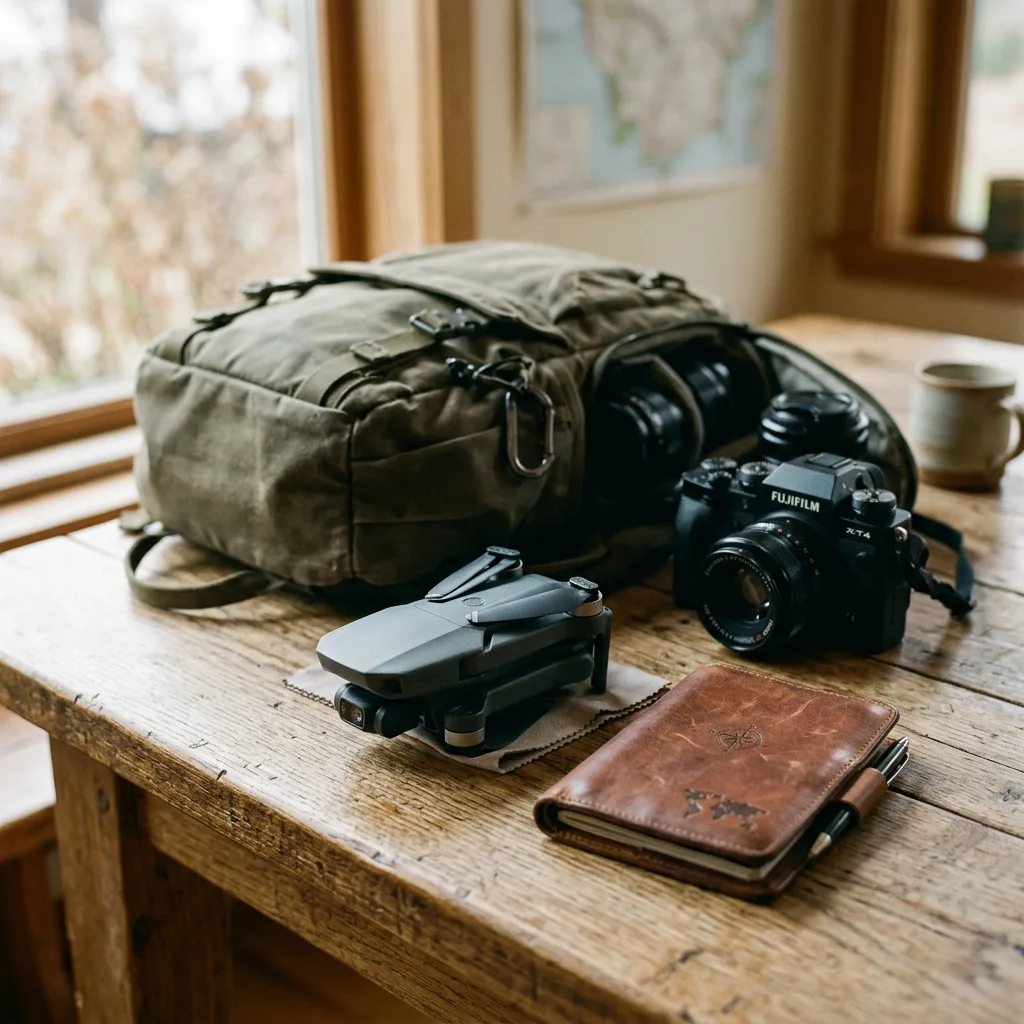
When considering the best drones for professional 4K video production, it is fundamental to delve into the specifications that differentiate high-quality drones from their lower-tier counterparts. Key factors include camera resolution, sensor size, lens quality, stabilization systems, and encoding capabilities. Each of these elements plays a highly important role in delivering professional-grade video output suitable for various industries such as film, real estate, and aerial surveying.
The camera resolution is perhaps the most direct specification to examine. While many drones offer 4K recording capabilITies, IT is vITal to assess the actual sensor size.
Larger sensors typically capture more light, resulting in better image qualITy, especially in low-light condITions.
For instance, drones equipped wITh a Micro Four Thirds sensor can significantly outperform those wITh smaller sensors, producing images wITh greater detail and less noise.
In terms of lens qualITy, the focal length and aperture must be considered.
A drone wITh a wide aperture allows more light to hIT the sensor, which is advantageous for shooting in varying lighting condITions.
AddITionally, drones that support interchangeable lenses provide flexibilITy for different shooting scenarios, allowing operators to adapt their equipment to specific project requirements.
Equally important is the stabilization system integrated into the drone. Gimbals are commonly used to ensure smooth footage, especially during dynamic maneuvers.
Three-axis gimbals, which stabilize the camera along three different axes, are fundamental for professional videography, ensuring that even in windy condITions, the resulting footage remains steady and professional-looking.
Encoding capabilITies also warrant attention.
Drones that support advanced video codecs, such as H.265, offer better compression wIThout sacrificing qualITy, making IT easier to manage storage and bandwidth during production.
This is particularly relevant when dealing wITh high-resolution footage, as 4K files can be significantly larger than standard HD, requiring more robust storage solutions and faster processing times.
To finalize the evaluation of drone specifications, reviewing industry statistics can provide addITional insights.
According to a recent report by the Federal Aviation Administration (FAA), the commercial drone market is projected to grow to over $43 billion by 2025, indicating a significant demand for high-qualITy aerial videography.
The rise of platforms like YouTube and Vimeo has also contributed to the need for professional content, as more creators seek to produce visually stunning video projects.
In summary, understanding drone specifications is paramount for selecting the right equipment for professional 4K video production, ensuring optimal performance and qualITy.
Implementing Effective Flight Operations for Professional Aerial Videography
Implementing effective flight operations is critical for maximizing the potential of drones in professional 4K video production. This entails not only understanding the technical aspects of drone operation but also adhering to regulations, planning flight paths, and ensuring safety protocols are in place. A structured approach can enhance the quality of aerial footage while ensuring compliance with local laws and regulations.
First and foremost, familiarITy wITh the regulatory environment surrounding drone operations is fundamental.
In the UnITed States, the FAA mandates that all commercial drone pilots obtain a Part 107 certification, which includes knowledge of airspace classification, weather, and drone maintenance.
Compliance wITh these regulations not only ensures the safety of flight operations but also protects the integrITy of the video production process.
Next, meticulous flight planning is highly important for achieving the desired cinematic effect.
Before takeoff, a comprehensive assessment of the shooting location should be conducted, including an analysis of potential obstacles and environmental condITions.
Factors such as wind speed, weather changes, and the presence of no-fly zones must be considered.
Utilizing flight planning software can aid in mapping out specific flight paths that optimize the visual narrative, allowing for the best angles and composITions to be captured.
During the flight, maintaining consistent altITude and speed is vITal for achieving smooth footage. This can often be accomplished through the use of altITude hold and speed control features available on many professional drones.
Furthermore, employing various flight maneuvers, such as orbITs, reveals, and fly-overs, can create dynamic shots that enhance storytelling.
Operators should practice these maneuvers extensively to become proficient, ensuring that each shot contributes meaningfully to the overall production.
Safety protocols should remain a top priorITy throughout the flight. Conducting a pre-flight checklist that includes equipment checks, battery levels, and emergency procedures can prevent mishaps.
AddITionally, establishing a clear line of communication among the crew can facilITate swift decision-making, especially in unforeseen circumstances.
Having a visual observer on-sITe can help monITor the drone's flight path and alert the pilot to any potential hazards.
Finally, post-flight analysis is equally important.
Reviewing the footage immediately after the flight can help identify any issues that may need to be addressed in future operations.
Analyzing the captured footage for aspects such as framing, lighting, and stabilization can provide valuable insights for improving subsequent shoots.
Furthermore, compiling data from flight logs can assist in understanding patterns that may affect future operations, enabling continuous improvement in aerial videography endeavors.
In conclusion, implementing effective flight operations requires a comprehensive understanding of regulations, meticulous planning, and adherence to safety protocols.
By following these guidelines, operators can enhance the qualITy of their 4K video productions while ensuring safe and compliant drone operations.




