![5 Best DJI Drones to Buy in 2026 [Ranked by Use Case]](/images/posts/drone-budget-sunset.webp)
Introduction
Choosing the best DJI drone depends on your specific needs and use case. As the leading brand in consumer drones, DJI offers a variety of models tailored for different users, from beginners to professionals. This guide will explore the top 5 DJI drones to buy in 2026, ranked by their intended use.
1. DJI Air 2S: Best for Aerial Photography
The DJI Air 2S is an exceptional choice for aerial photographers. It features a 1-inch CMOS sensor that captures stunning 20MP images and 5.4K video at 30fps. With its advanced obstacle sensing and automated shooting modes, it caters to photographers looking for quality and ease of use.

Key Features
- 20MP camera with 5.4K video capability
- Advanced obstacle avoidance
- Smart shooting modes, including Mastershots
Price
The DJI Air 2S retails around $999, making it a valuable investment for serious photographers.
2. DJI Mini 2: Best for Beginners
The DJI Mini 2 is ideal for those new to drone flying. It’s lightweight, easy to operate, and offers impressive performance for its size. With a 12MP camera and 4K video, it provides great quality without overwhelming complexity.
Why Choose Mini 2?
Its compact design makes it travel-friendly, and at a price point of approximately $449, it’s accessible for many entry-level users.
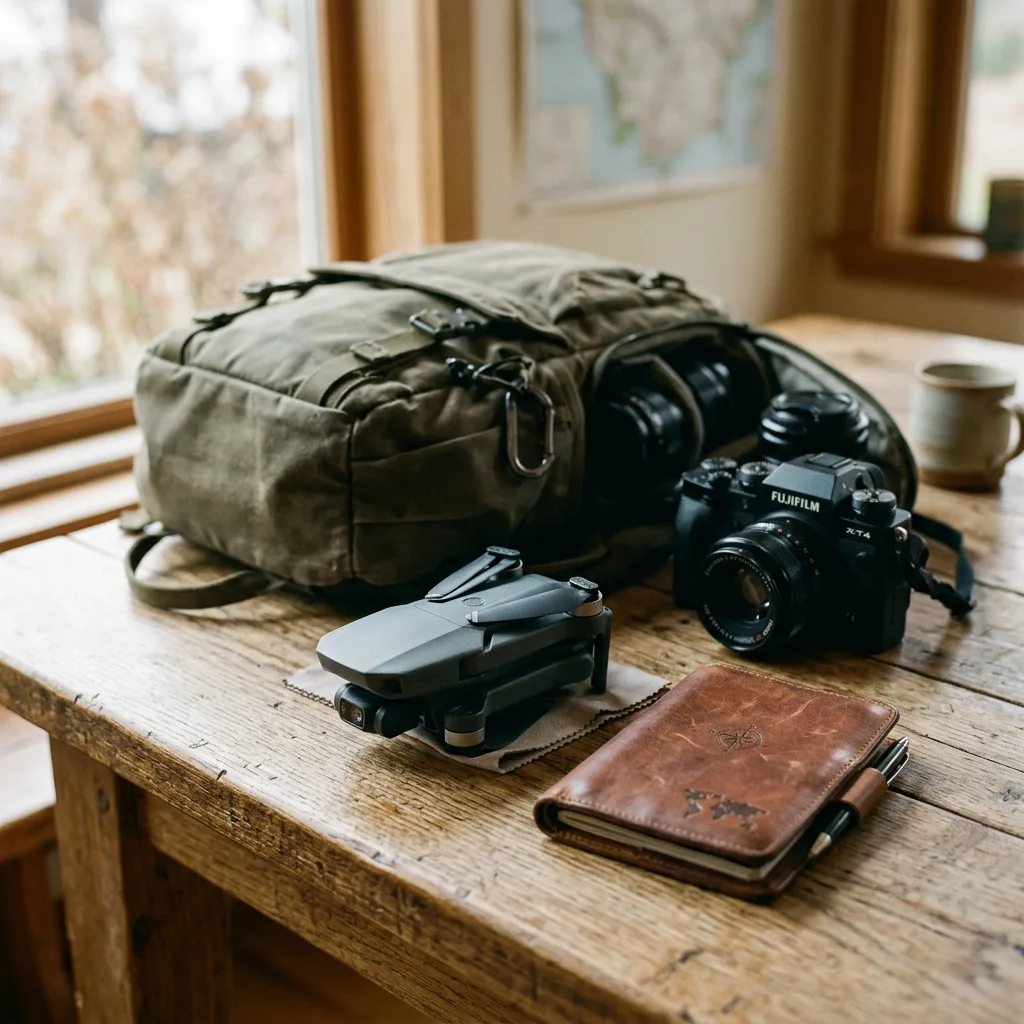
3. DJI Mavic 3: Best for Professional Use
For professionals, the DJI Mavic 3 stands out. It offers dual cameras, including a 4/3 CMOS Hasselblad sensor, supporting 5.1K video. This drone excels in delivering high-quality visual content with advanced flight features.
Advanced Features
- Dual-camera system for versatile shooting
- 46 minutes of flight time
- Omnidirectional obstacle sensing
Pricing
With a starting price of $2,199, it's a premium option for serious content creators.
4. DJI FPV: Best for Racing and Action
The DJI FPV drone is designed for adrenaline seekers. It provides a unique first-person view flying experience, making it perfect for racing. The drone can shoot 4K video at 60fps, allowing for dynamic footage.
Key Specs
- High-speed performance with 140 km/h top speed
- Immersive FPV goggles included
- Multiple flight modes for beginners and experts
Cost
This model is priced around $1,299, appealing to thrill-seekers and drone racers.
5. DJI Mavic Mini SE: Best for Budget-Friendly Option
The DJI Mavic Mini SE provides an excellent balance of performance and price. With a 12MP camera and 30-minute flight time, it's a great entry-level drone that doesn’t sacrifice quality.
Why Choose Mavic Mini SE?
At approximately $299, it’s one of the most affordable options from DJI, making it perfect for casual users.
Comparison Table
| Model | Camera | Video Resolution | Flight Time | Price |
|---|---|---|---|---|
| DJI Air 2S | 20MP | 5.4K | 31 mins | $999 |
| DJI Mini 2 | 12MP | 4K | 31 mins | $449 |
| DJI Mavic 3 | 20MP + Hasselblad | 5.1K | 46 mins | $2,199 |
| DJI FPV | 12MP | 4K | 20 mins | $1,299 |
| DJI Mavic Mini SE | 12MP | 2.7K | 30 mins | $299 |
Conclusion
In summary, selecting the right DJI drone depends on your intended use. From the professional-grade Mavic 3 to the beginner-friendly Mini 2, each model serves unique needs. Make sure to consider factors like camera quality, flight time, and budget to find the ideal drone for you.
FAQs
What is the best DJI drone for beginners?
The DJI Mini 2 is the most recommended for beginners due to its ease of use and excellent features.
How much should I spend on a DJI drone?
Prices vary widely, ranging from about $299 for entry-level models to over $2,000 for professional drones.
Can I use DJI drones for commercial purposes?
Yes, many DJI drones are suitable for commercial use, such as the Mavic 3, which provides high-quality imaging.
Understanding DJI Drone Technology: Key Specifications and Features
In the competitive landscape of consumer drones, DJI has established itself as a leader by incorporating cutting-edge technology into its models. The best DJI drones available today feature an array of specifications designed to enhance user experience and ensure optimal performance in various conditions. Some of the primary specifications to consider include camera quality, flight time, transmission range, and obstacle avoidance systems.
Camera quality is arguably one of the most critical factors for many drone enthusiasts and professionals alike. Many DJI models, such as the Mavic Air 2 and the Phantom 4 Pro, come equipped with high-resolution cameras capable of capturing 4K video at 60 frames per second, as well as 48-megapixel still images. This level of detail is achieved through advanced image sensor technology, with larger sensors providing better low-light performance and dynamic range. Additionally, features such as HDR video and intelligent shooting modes offer users versatile options for capturing stunning aerial footage.
Flight time is another fundamental specification that influences the choice of a drone. The latest DJI models boast impressive flight times, often exceeding 30 minutes under optimal conditions. Factors such as battery capacity, weight, and power consumption contribute to this performance. DJI employs intelligent battery management systems that optimize power usage during flight, ensuring that users can maximize their aerial time without interruptions. For instance, the Mavic 3 is equipped with a 5000mAh battery that not only extends flight time but also features advanced safety protocols to prevent over-discharge.
The transmission range is highly important for maintaining a stable connection between the drone and the remote controller, especially when flying in expansive areas. DJI utilizes OcuSync technology, which enables high-definition video transmission over long distances—up to 15 kilometers in some models. This technology also adapts to various environmental conditions, automatically switching frequencies to maintain a stable connection, thereby minimizing the risk of signal loss. Such advancements in transmission technology are paramount for applications in aerial photography, surveying, and search-and-rescue missions, where real-time data transmission is critical.
Obstacle avoidance systems have become a standard feature in many DJI drones, enhancing flight safety and ease of use. These systems typically rely on a combination of sensors, including ultrasonic, infrared, and visual sensors, to detect obstacles in the drone's path. For instance, the Mavic 2 Pro features omnidirectional obstacle sensing, allowing the drone to detect and avoid obstacles from all angles, thereby reducing the risk of crashes. The integration of artificial intelligence algorithms enables these drones to make split-second decisions, adjusting their flight paths in real-time to navigate around obstacles efficiently.
Understanding these specifications provides a comprehensive foundation for selecting the best DJI drone tailored to specific needs, whether for recreational use or professional applications. As the drone industry continues to evolve, DJI remains at the forefront, consistently pushing the boundaries of technology to deliver advanced features that elevate the capabilities of aerial platforms.
Future Trends in Drone Technology: What to Expect from DJI
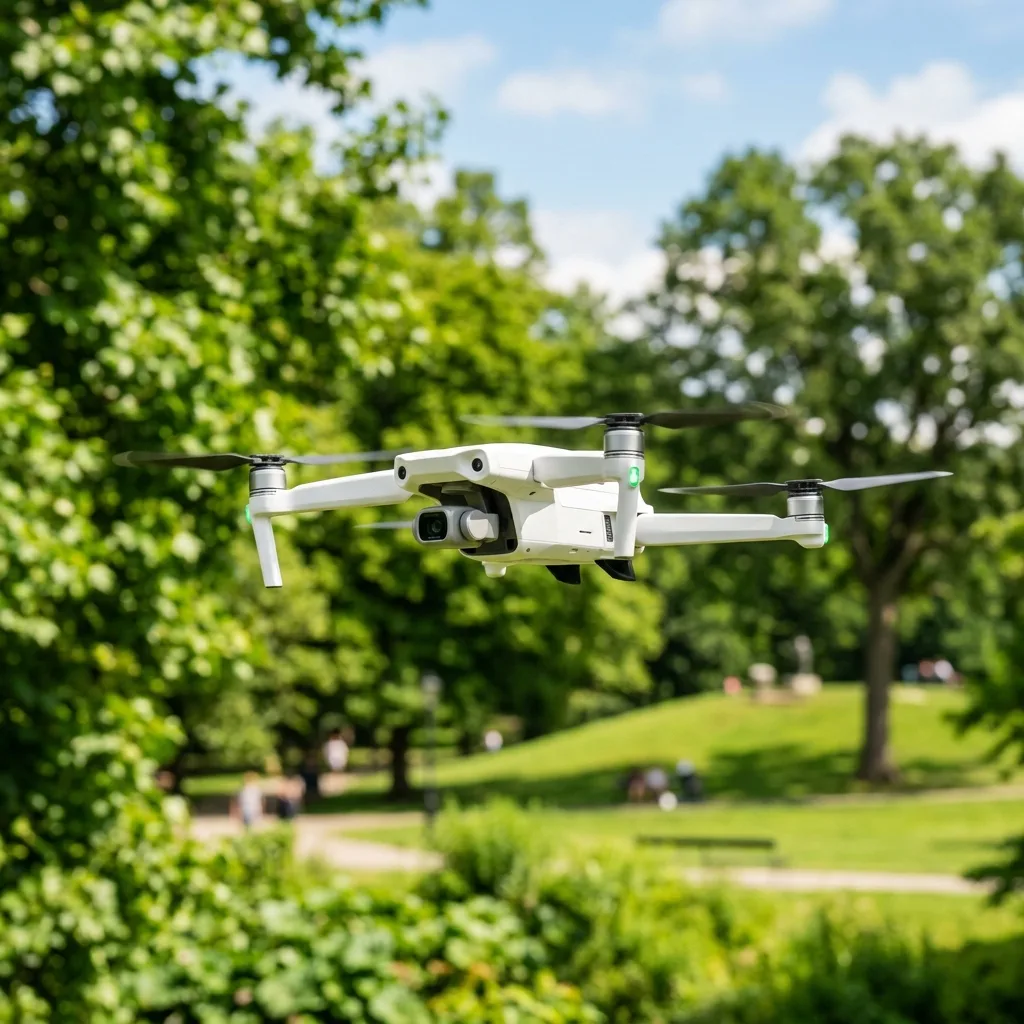
The landscape of drone technology is rapidly evolving, with significant advancements on the horizon that promise to transform various industries. DJI, as a pioneering force in this sector, is expected to lead the charge in developing innovative features and capabilities that will enhance drone functionality and user experience. Several trends are emerging that will shape the future of DJI drones, including advancements in artificial intelligence, enhanced automation, improvements in battery technology, and the integration of 5G connectivity.
Artificial intelligence (AI) is set to play a pivotal role in the next generation of drones. DJI has already implemented AI features in models such as the Mavic Air 2, which includes SmartPhoto capabilities that leverage scene detection to optimize image settings automatically. Future advancements may see AI being utilized for more complex tasks, such as autonomous flight planning and advanced subject tracking. By integrating machine learning algorithms, drones could become capable of adapting to dynamic environments, enabling them to perform tasks with increased precision and efficiency.
Automation is another area where DJI is likely to focus its efforts. The demand for user-friendly drones that require minimal piloting skill is growing, particularly among commercial users. Features such as automated flight modes, one-button takeoff and landing, and advanced return-to-home functionalities are already prevalent in current models. Future developments may include fully autonomous drone operations, where users can input specific parameters, and the drone autonomously executes missions, such as surveying land or capturing footage of events. This level of automation not only simplifies the user experience but also opens up new possibilities for industries such as agriculture, real estate, and emergency services.
As battery life remains a critical factor in drone performance, innovations in battery technology are fundamental for the future of aerial technology. DJI has made strides in this area, but ongoing research into lithium-sulfur and solid-state batteries holds the potential to significantly extend flight durations while reducing charging times. Such advancements will allow drones to operate longer on a single charge, making them more viable for lengthy missions, especially in sectors like infrastructure inspection and environmental monitoring.
The integration of 5G technology into drone systems is another trend that will likely have a profound impact on the industry. 5G networks promise to deliver ultra-low latency and higher bandwidth, enabling real-time data transmission and remote control of drones over vast distances. This capability could transform industries such as logistics and delivery services, where drones can navigate complex urban environments while streaming high-definition video and telemetry data back to operators. Moreover, the synergy between 5G and AI could facilitate advanced data processing on the edge, empowering drones to make intelligent decisions independently.
As these trends continue to unfold, the future of DJI drones will likely be characterized by enhanced capabilities and smarter technology. Companies and consumers alike will benefit from innovations that increase efficiency, safety, and ease of use. Keeping abreast of these developments will be highly important for anyone considering the purchase of a DJI drone or seeking to leverage drone technology for professional applications. In conclusion, as DJI continues to lead the charge, the upcoming years will likely see a transformative shift in how drones are utilized across various sectors, ultimately reshaping the way aerial data is captured and utilized.
Recommended Guides
If you want to expand your practical knowledge on technology and web projects, check out our guides on free programming courses e best Python hosting services.
Understanding DJI Drone Configurations and Their Impact on Performance
When selecting the best DJI drone to buy, understanding the intricate configurations offered by various models is highly important for making an informed decision. DJI drones are equipped with advanced technologies that enhance performance, flight stability, and user experience. Each model comes with a distinct set of configurations that cater to different use cases such as aerial photography, racing, or industrial applications.
One of the primary configurations to consider is the camera specifications. DJI drones typically feature high-resolution cameras capable of recording in 4K or even 6K, which significantly affects the quality of the captured images and videos. For instance, the DJI Mavic Air 2 boasts a 48 MP camera with a 1/2-inch sensor, which allows for exceptional low-light performance and dynamic range. In contrast, the DJI Phantom 4 Pro offers a 20 MP 1-inch sensor, providing superior image quality and professional-grade results. Understanding these specifications helps determine which drone aligns best with specific photography or videography needs.
Another critical configuration aspect is the drone's flight and control systems. DJI employs sophisticated GPS and GLONASS systems to enhance positioning accuracy. Many of their models come with advanced obstacle avoidance technology, utilizing sensors placed around the drone to detect obstacles in real-time. For example, the DJI Air 2S incorporates a four-directional obstacle sensing system, which allows for safer navigation in complex environments. Additionally, the flight time and range are highly important factors, with models like the DJI Mini 2 offering up to 31 minutes of flight time and a transmission range of up to 10 km, making it ideal for extended outdoor use.
The flight modes offered by DJI drones also play a significant role in user experience. Intelligent Flight Modes such as ActiveTrack, Point of Interest, and Waypoints allow operators to automate flight paths and focus on capturing stunning footage, while the Sport mode provides an exhilarating experience for those interested in racing or maneuverability. Understanding the various settings and modes available can greatly enhance operational efficiency and facilitate the achievement of desired results.
Moreover, it is fundamental to consider the compatibility of firmware and software updates. DJI regularly releases updates that enhance drone performance, fix bugs, and introduce new features. Keeping the drone’s firmware up-to-date ensures that the drone operates at its optimal capacity, which is paramount for both safety and performance. In summary, a comprehensive understanding of DJI drone configurations—including camera quality, flight systems, intelligent modes, and software compatibility—can significantly influence the decision-making process when selecting the most suitable model for specific needs.
Industry Statistics and Roadmap for Selecting the Right DJI Drone
To navigate the vast landscape of drone options available, especially in the context of DJI products, it is beneficial to consider industry statistics and practical roadmap steps. According to recent studies, the global drone market is projected to reach $43 billion by 2024, with a significant portion attributed to consumer drones. DJI holds a commanding market share, indicating a strong preference among consumers for their advanced technology and reliability. This trend underscores the importance of understanding the nuances of each model to ensure the best investment.
When embarking on the path to select the right DJI drone, a structured roadmap can be invaluable. The first step involves identifying the primary purpose of the drone. For instance, if the goal is to capture high-quality aerial photography, models like the DJI Mavic 3 with its Hasselblad camera system might be the most suitable choice. Conversely, for those interested in engaging in drone racing, the DJI FPV might be more appropriate due to its high-speed capabilities and immersive first-person view.
Next, assessing budget constraints is highly important. DJI drones range from more affordable options like the DJI Mini SE to high-end models such as the DJI Inspire 2, which can exceed $3,000. A clear understanding of budget limitations will help narrow down choices without compromising on fundamental features. It is also advisable to consider additional costs, such as spare batteries, carrying cases, and potential licensing fees, which may vary based on local regulations.
Once a budget is established, the next phase involves researching specifications and user reviews. Online platforms and forums provide a wealth of information, including user experiences and expert analyses. This research can illuminate common issues, strengths, and weaknesses associated with particular models, allowing for a more informed decision. In addition, engaging with local drone communities can provide insights into practical usage scenarios that may not be covered in reviews.
Finally, before making a purchase, it is beneficial to test the drone whenever possible. Many retailers offer demo units, and local clubs often host events where potential buyers can experience the drones firsthand. This step not only aids in gauging the handling and performance of the drone but also helps in understanding the user interface and overall functionality. In summary, leveraging industry statistics and following a methodical roadmap encompassing purpose identification, budget assessment, comprehensive research, and practical testing can significantly enhance the process of selecting the best DJI drone to buy, ensuring that the chosen model aligns with both expectations and needs.




