Best AI Image Generators for Custom T-Shirt Designs (Print on Demand)

Discover the best AI tools to create unique T-shirt designs for print on demand. In the ever-evolving world of fashion and online retail, Artificial Intelligence (AI) is revolutionizing how custom T-shirt designs are created and brought to market. With the rise of print-on-demand services, entrepreneurs and artists alike are leveraging AI image generators to craft stunning visuals that resonate with their target audiences.
These tools not only streamline the design process but also enhance creativity, allowing users to generate graphics that they may not have been able to produce otherwise. The combination of AI technology and print-on-demand capabilities creates a unique opportunity for anyone looking to enter the world of custom apparel.
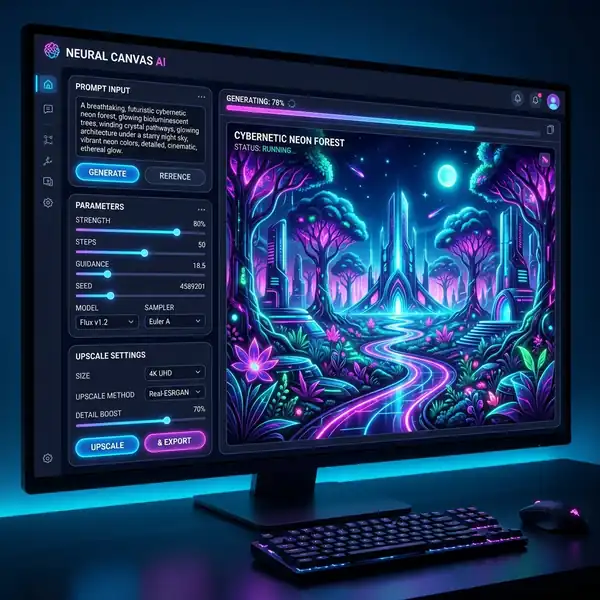
Introduction to the Concept/Tool and How the Underlying Technology Works
AI image generators are sophisticated tools that utilize machine learning algorithms to create images from textual descriptions or prompts. At the core of these generators is a neural network, which is trained on vast datasets of images and associated metadata.
This allows the AI to understand various styles, compositions, and elements that can be combined to produce new images. By processing the input data, the AI can analyze patterns and relationships, enabling it to generate unique and visually appealing designs that can be tailored for T-shirt prints.
The technology behind AI image generators often includes models like Generative Adversarial Networks (GANs) and diffusion models. GANs work by having two neural networks—the generator and the discriminator—compete against each other.
The generator creates images, while the discriminator evaluates them against actual images, providing feedback that helps the generator improve over time. Diffusion models, on the other hand, begin with random noise and gradually refine it into coherent images.
Both methods showcase the potential of AI to push creative boundaries and produce art that reflects individual styles or trending aesthetics.
As the print-on-demand market continues to grow, the demand for unique and eye-catching designs increases. T-shirt design generators powered by AI cater to this need by enabling users to create custom designs quickly and efficiently.
Users can input keywords, themes, or even specific imagery they wish to incorporate, and the AI produces several design options based on these inputs. This not only speeds up the design process but also democratizes creativity, allowing anyone, regardless of artistic skill, to create professional-grade artwork.
Detailed Step-by-Step Practical Guide
To harness the power of AI for custom T-shirt designs, follow this comprehensive step-by-step guide. First, select an AI image generator that suits your needs. Popular options include DALL-E, Midjourney, and Artbreeder, each offering unique features and styles. Once you’ve selected your platform, create an account to access its functionalities. Many of these tools provide user-friendly interfaces, making it easy for beginners to navigate.
Next, think about the design you want to create. Consider your target audience and the message or aesthetic you wish to convey through your T-shirt. This step is important as it will inform your input to the AI generator. Gather inspiration from existing designs, color palettes, and themes that resonate with your vision.
Now, input your design prompts into the AI generator. Use descriptive language, including specific colors, styles, and motifs you want to be included. For instance, if you want a vintage-style graphic featuring a sunset and palm trees, inputting terms like "retro sunset with palm trees" can yield impressive results. The more detailed your prompt, the more tailored the output will be.
After submitting your prompt, the AI will generate several design options. Review the outputs carefully, experimenting with different prompts or parameters until you find a design that aligns with your vision. Many AI tools allow for customization, enabling you to tweak colors, layouts, or sizes. Don’t hesitate to iterate on your designs; sometimes, the best results come from refining initial concepts.
Once you’ve settled on a design, the next step is to download it in the appropriate format for printing. Most print-on-demand services prefer high-resolution images, so ensure your final output meets these requirements. After downloading your design, you can proceed to upload it to your chosen print-on-demand platform, set your pricing, and start marketing your custom T-shirt.
A Structured Comparative Table Comparing It to Other Market Tools
| Tool | Features | Output Quality | Ease of Use | Pricing |
|---|---|---|---|---|
| DALL-E | Text-to-image generation, high customization | High | Moderate | Pay-per-image |
| Midjourney | Community-driven, artistic style | High | Easy | Subscription-based |
| Artbreeder | Collaborative editing, image blending | Moderate to High | Easy | Free with premium options |
| DeepArt | Style transfer, photo enhancement | High | Easy | Pay-per-image |
Additional Resources and Recommended Links
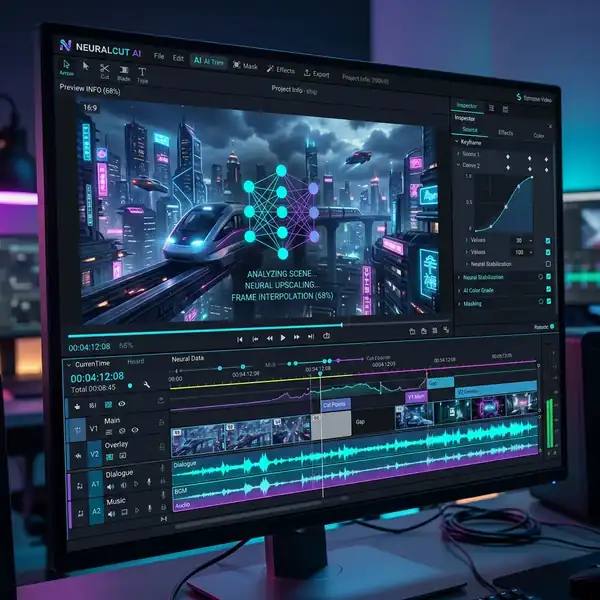
For those interested in diving deeper into AI tools for design, consider exploring resources like Canva Magic Expand, which enhances images creatively, or check out Viggle AI Discord to learn how to incorporate AI into community interactions. Additionally, the Luma Dream Machine Guide provides insights into how AI can also be leveraged for video content creation, further expanding your creative toolkit.
Advanced Prompting Techniques and Technical Parameters for AI Image Generators
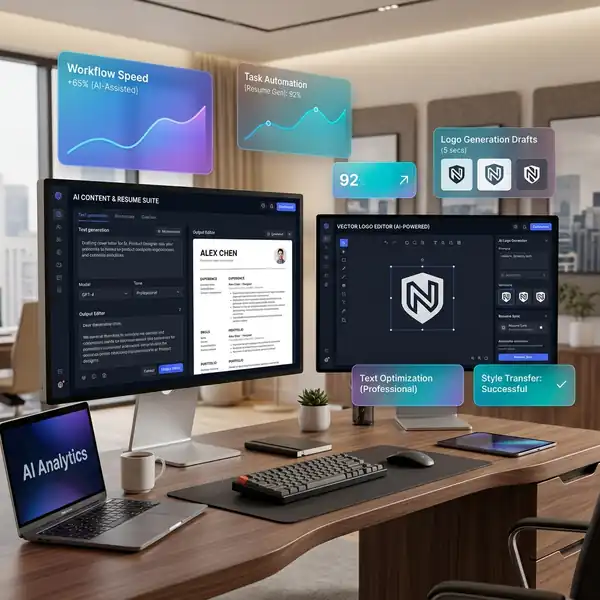
Another important parameter is the seed value. This numeric input serves as a starting point for the random generation process within the AI model. By using the same seed value for multiple prompts, designers can achieve consistent results across different iterations.
This is particularly beneficial for projects requiring a cohesive look, such as a series of t-shirt designs that share common thematic elements. Furthermore, specific prompt formulas can be implemented to enhance the efficiency of the creative process. For example, a structured prompt might include elements like "Create a [style] t-shirt design featuring [theme or subject] with [color palette] and [design elements]." This formula helps in crafting more detailed and directed prompts, leading to outputs that are more aligned with the designer's vision.
The intricacies of combining these parameters can lead to remarkable results. For instance, a designer might input a prompt that specifies a relaxed aspect ratio suited for a square image but uses a seed value that favors illustrations over photographs.
This results in a stylized graphic that is both eye-catching and suitable for the t-shirt medium. Additionally, exploring the use of negative prompts—where users specify what they do not want in the image—can help refine the output even further.
By outlining undesired elements, designers can minimize the chances of producing irrelevant or cluttered designs, ultimately leading to a more focused and market-ready product.
Experimenting with these advanced techniques requires a balance of creativity and technical understanding. As designers become more familiar with the operational mechanics of their chosen AI image generator, they can begin to push the boundaries of what is possible.
Engaging in regular practice, documenting successful prompts, and analyzing the results can facilitate continuous improvement. The key to success lies not only in understanding these technical parameters but also in how effectively they can be integrated into the creative process.
Creative Integration of AI-Generated Outputs into Professional Workflows

Moreover, utilizing collaborative design platforms like Figma can streamline the workflow when working within teams. Designers can upload AI-generated graphics to a shared workspace, allowing for real-time feedback and iterations.
This facilitates a more efficient creative process, where team members can contribute suggestions or alterations, leading to a more polished final design. The integration of automation tools, such as Zapier, can further enhance efficiency by automating repetitive tasks like uploading designs to e-commerce platforms or generating mock-up images for marketing campaigns.
This not only saves time but also minimizes the risk of human error during the process.
When it comes to marketing, the integration of AI-generated images opens up novel avenues for engaging with potential customers. Utilizing social media platforms, marketers can create targeted ad campaigns featuring the unique t-shirt designs.
By employing A/B testing strategies, businesses can analyze which designs resonate most with their audience, allowing for data-driven decisions in future design iterations. Furthermore, creating engaging content around the designs—such as behind-the-scenes videos of the design process—can enhance customer connection and drive sales.
E-commerce platforms like Shopify or Etsy also offer functionalities that allow for seamless integration of AI-generated designs into product listings. Designers can quickly create product images that showcase their unique t-shirt designs, while also optimizing the images for search engines by including relevant keywords in the alt text and product descriptions.
This not only improves visibility but also enhances the chances of converting views into sales. In this digital age, the ability to effectively incorporate AI-generated outputs into a comprehensive workflow is essential for designers looking to stay competitive.
Understanding Technical Limitations and Ethical Guidelines in AI Image Generation
In any technological field, understanding limitations is paramount to achieving success, and AI image generation is no different. While AI tools are becoming increasingly sophisticated, they still have certain technical limitations that users must be aware of. One common issue is the generation of images that lack coherence or clarity, particularly when prompts are overly vague or complex. Beginners may find that their designs do not meet expectations due to an incomplete understanding of how to construct effective prompts. Therefore, taking the time to learn the intricacies of prompt crafting and the capabilities of the AI tool can greatly improve the quality of the outputs.Additionally, users often encounter challenges with the resolution and quality of images produced by AI generators. While many modern tools can create high-resolution images, they may not always produce prints that meet the quality standards required for commercial use, especially on fabrics like cotton or polyester.
Designers should test the outputs by creating sample prints before committing to large runs. This step can prevent costly mistakes and ensure that the final product aligns with the brand's quality expectations.
Furthermore, understanding the file formats best suited for t-shirt printing—such as SVG or PNG—can aid in avoiding any last-minute technical issues during production.
Another critical consideration is the issue of commercial usage rights and ethical guidelines surrounding AI-generated images. While many AI tools offer users the ability to commercially utilize the outputs, it is essential for designers to thoroughly review the licensing agreements. Some platforms may restrict the use of images in certain contexts or require attribution.
This is particularly important for businesses looking to build a brand identity based on unique designs. Moreover, ethical guidelines dictate that designers should avoid using AI-generated images that may inadvertently infringe on existing copyrights or trademarks. Understanding these legal boundaries helps maintain the integrity of the creative process and ensures that designers can confidently market their work.
Lastly, addressing common beginner mistakes is vital for a smoother experience with AI image generation. New users might overlook the importance of iterative design processes, submitting a single prompt and expecting perfection on the first try.
Emphasizing a cycle of feedback and revision can help users refine their designs and better understand the tool's capabilities. Engaging with online communities or forums may also provide valuable insights and troubleshooting tips, further enhancing the learning experience.
By being aware of these limitations and guidelines, designers can navigate the complexities of AI image generation more effectively, leading to successful outcomes in their custom t-shirt design endeavors.




