How to Use Luma Dream Machine to Generate Realistic AI Videos

Luma Dream Machine is an innovative AI video generator that creates realistic videos effortlessly. In today's digital landscape, the demand for high-quality video content is ever-increasing. Whether for marketing, entertainment, or educational purposes, being able to generate captivating videos quickly can give content creators a significant edge.
Luma Dream Machine stands out as a robust tool in this arena, utilizing advanced artificial intelligence to craft videos that resonate with viewers. This guide will delve into how to harness the power of Luma Dream Machine, providing you with the insights needed to create stunning videos that capture attention and engage audiences.
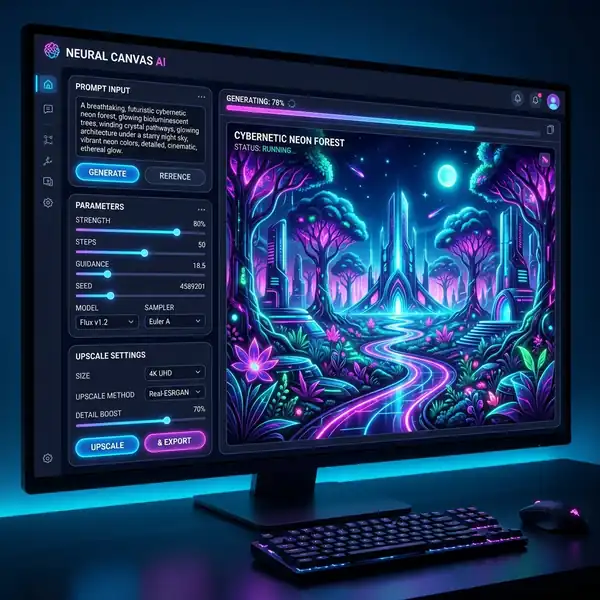
Introduction to the concept/tool and how the underlying technology works
The Luma Dream Machine employs state-of-the-art artificial intelligence algorithms that analyze various elements of video production, including scene composition, lighting, and motion dynamics. By leveraging deep learning models trained on extensive datasets, this AI video generator can create realistic and engaging videos with minimal user input.
The underlying technology is rooted in generative adversarial networks (GANs), which consist of two neural networks—the generator and the discriminator—that work in tandem to produce high-fidelity outputs. The generator crafts the videos, while the discriminator evaluates them, providing feedback that helps refine the results over time.
One of the key features of the Luma Dream Machine is its ability to adapt to user preferences and styles, making it suitable for a wide range of applications. From marketing campaigns that require eye-catching visuals to educational content that needs clarity and precision, this tool can cater to diverse needs.
The intuitive interface allows users to input parameters such as the desired theme, length, and tone of the video, after which the AI takes over, generating content that aligns with the specified criteria. As technology continues to evolve, tools like Luma Dream Machine are paving the way for a future where video production becomes more accessible to everyone, regardless of technical expertise.
Detailed step-by-step practical guide
Using Luma Dream Machine to create realistic AI videos is a straightforward process. Here’s a step-by-step guide to help you get started:
1. **Sign Up and Create an Account**: Begin by visiting the Luma Dream Machine website and signing up for a new account. The process is simple and requires basic information such as your name, email address, and a secure password. Once you have verified your email, you can log into your account.
2. **Explore the Dashboard**: Upon logging in, you will be greeted by the user-friendly dashboard. Here, you can access various features, including video templates, project management tools, and AI settings. Take a moment to familiarize yourself with the layout to streamline your workflow.
3. **Select a Video Template or Start from Scratch**: Luma Dream Machine offers a variety of pre-designed templates tailored for different types of content, such as promotional videos, tutorials, or social media posts. You can choose one of these templates or start from a blank slate if you have a specific vision in mind.
4. **Input Your Parameters**: Once you have selected a template or a blank project, it's time to input your parameters. Specify the theme, length, and style of the video. You can also add text overlays, logos, and other elements to enhance your video’s appeal.
5. **Customize Visuals and Audio**: The customization options are extensive. You can upload your own media files, such as images and audio tracks, or choose from the library of stock assets provided by Luma Dream Machine. This flexibility allows you to create a video that aligns perfectly with your brand or message.
6. **Preview and Edit**: After you have set up your video, use the preview function to see how it looks in real-time. If necessary, make adjustments to the visuals, audio, or text. The editing process is intuitive, allowing you to refine your video until it meets your satisfaction.
7. **Generate Your Video**: Once you're happy with your creation, hit the 'Generate' button. The AI will process your inputs and create the final video. Depending on the complexity and length of the video, this may take a few moments. You will receive a notification when your video is ready.
8. **Download and Share**: After the video has been generated, you can download it in your preferred format and resolution. Luma Dream Machine also provides sharing options, allowing you to post your video directly to social media platforms or embed it on your website.
This step-by-step guide outlines the essential processes involved in using Luma Dream Machine effectively. By following these instructions, even those with minimal experience in video production can create high-quality content that engages audiences and communicates messages effectively.
Comparison with Other Market Tools
To illustrate the advantages of using Luma Dream Machine over other AI video generators, we have compiled a comparative table highlighting key features and functionalities of various tools available in the market.
| Feature | Luma Dream Machine | Tool A | Tool B | Tool C |
|---|---|---|---|---|
| AI Technology | Generative Adversarial Networks (GAN) | Traditional Video Editing | Template-based AI | Machine Learning Algorithms |
| User-Friendliness | Highly Intuitive | Moderate | Complex | Simple |
| Customization Options | Extensive | Limited | Moderate | Extensive |
| Output Quality | High | Medium | Medium | High |
| Free Trial | Yes | No | Yes | No |
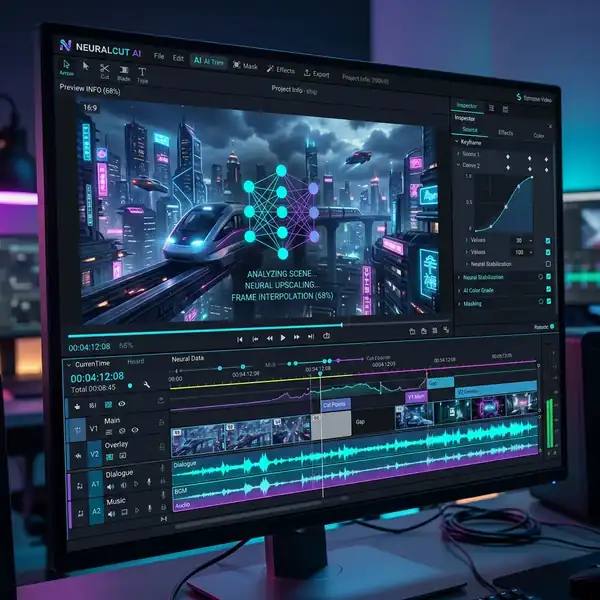
Additional Resources and Recommended Links
For those interested in exploring more about AI tools and video generation, here are some additional resources that you may find useful. Consider checking out our comprehensive Luma Dream Machine Guide for deeper insights into maximizing your use of this powerful tool.
Additionally, if you are curious about other AI applications, you might want to read about Canva Magic Expand or learn how to Invite Viggle AI Bot to Discord. These links provide valuable information that can enhance your understanding of AI technologies and their practical applications.
Mastering Advanced Prompting Techniques and Technical Parameters for Luma Dream Machine
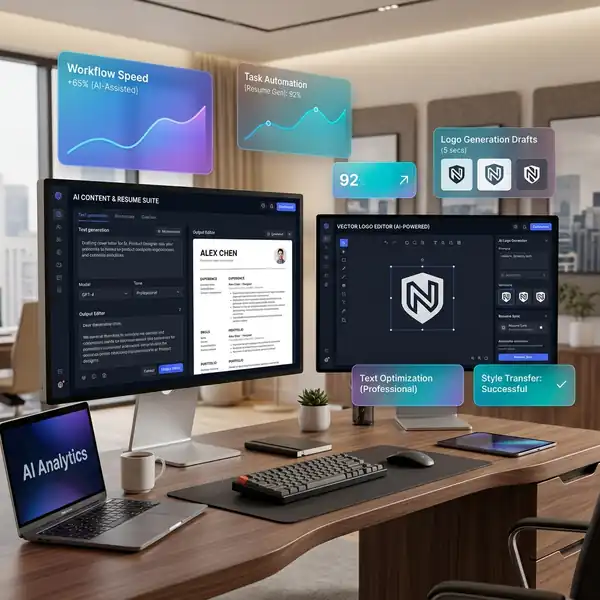
Another critical aspect of effective prompting is the use of technical parameters such as sampling weights and seed values. Sampling weights determine how much influence each element in the prompt has on the final output. By adjusting these weights, users can prioritize certain aspects of their prompts—perhaps placing greater emphasis on the action within a scene over the background elements.
For instance, if you want a specific character to stand out, you could assign a higher weight to the character descriptor while reducing the influence of the setting. Seed values, on the other hand, play a important role in ensuring reproducibility. By fixing a seed value, users can generate consistent outputs over multiple runs, which is particularly useful for iterative design processes.
Aspect ratios are equally important to consider when generating media with the Luma Dream Machine. Depending on the intended platform for the video—be it social media, a website, or a presentation—users should tailor their aspect ratios accordingly.
For instance, a 16:9 aspect ratio is ideal for YouTube, while a 1:1 square format works best for Instagram posts. By incorporating these ratios into your prompts, you can ensure that the generated content is optimized for its intended use, enhancing its overall effectiveness.
Furthermore, understanding the interplay of these technical parameters allows users to explore a wider range of creative possibilities while maintaining control over the final product.
Lastly, mastering the art of prompting goes beyond mere technicalities; it entails a deep understanding of the narrative and emotional nuances that one wishes to convey through the AI-generated videos. Crafting prompts that incorporate storytelling elements can yield more engaging and impactful results.
For example, instead of a generic prompt like "Create a video of a beach," a more nuanced prompt such as "Capture a serene sunset at the beach, with gentle waves lapping at the shore and a silhouette of a couple walking hand in hand" can lead to richer, more immersive content. By blending technical understanding with creativity, users can unlock the full potential of the Luma Dream Machine.
Creative Integration of Luma Dream Machine Outputs into Professional Workflows

In the realm of marketing, the outputs from the Luma Dream Machine can significantly enhance promotional strategies. Marketers can use the generated content for social media campaigns, advertisements, or even email marketing, where engaging visuals are essential for standing out.
By integrating these videos into platforms like Canva, users can easily create professional-looking marketing materials without extensive graphic design expertise. The drag-and-drop functionality of these platforms allows marketers to combine text, images, and AI-generated videos seamlessly, enabling them to create cohesive campaigns that resonate with their target audience.
Additionally, the ability to customize the generated content further allows businesses to align the visuals with their brand identity, enhancing recognition and recall.
E-commerce is another domain that benefits from the integration of AI-generated videos. Online retailers can utilize these videos to showcase products in a more dynamic way, providing customers with a better understanding of the items being sold.
For instance, a clothing store might use Luma Dream Machine outputs to create engaging lookbooks or promotional videos that feature models wearing the latest collections in appealing settings. By embedding these videos on their product pages or social media channels, retailers can enhance user engagement, potentially leading to increased conversion rates.
Furthermore, automation tools can streamline the process, allowing for the automatic generation of video content based on inventory updates or seasonal promotions, thus maintaining a fresh online presence with minimal effort.
Combining outputs from the Luma Dream Machine with other design tools can also lead to innovative creative workflows. For instance, by exporting generated videos into collaborative platforms like Figma, teams can work together more effectively on projects that require input from multiple stakeholders.
This collaborative approach allows for real-time feedback and adjustments, ensuring that the final output meets the collective vision of the team. Moreover, integrating the AI-generated content into a cohesive design strategy can inspire creativity among team members, leading to new ideas and approaches that might not have been considered otherwise.
As the digital landscape continues to evolve, understanding how to effectively incorporate these outputs into various workflows is essential for professionals looking to stay ahead.
Understanding the Technical Limitations and Ethical Considerations of Luma Dream Machine
In any advanced generative AI tool, understanding its technical limitations is key to successful implementation and user satisfaction. The Luma Dream Machine, while powerful, is not without its challenges. One common limitation is the inability to accurately generate complex scenes involving multiple subjects interacting in intricate ways. This limitation can lead to outputs that feel disjointed or lack the desired coherence. Users may find that while the tool excels in generating standalone visuals, the complexity of interactions requires a level of detail that the current AI model may struggle to deliver. Therefore, it is advisable to approach prompts with a clear focus and simplicity when aiming for specific interactions, as overly complex requests may yield unsatisfactory results.Another frequent hurdle for beginners is the learning curve associated with effectively using the tool. Many users may experience frustration when their initial attempts at generating videos result in outputs that do not align with their expectations.
This disconnect often arises from a lack of understanding of how to formulate effective prompts or the nuances of the technical parameters discussed earlier. To mitigate this, it is beneficial for newcomers to experiment with various prompts and configurations, observing how different adjustments influence the output.
Gradually building familiarity with the tool can lead to more refined and effective use, ultimately enhancing the quality of the generated content.
Moreover, commercial usage rights and ethical considerations surrounding AI-generated content are critical topics that users must navigate responsibly. The Luma Dream Machine operates under specific licensing agreements that dictate how the generated content can be used, especially in commercial contexts.
Users should thoroughly review the terms of service to understand the limitations on distribution and monetization of the AI-generated media. Misuse of these rights could lead to legal complications, which is an important consideration for businesses looking to leverage AI-generated content in their marketing or product offerings.
Being transparent about the use of AI-generated videos and ensuring compliance with copyright laws not only protects users legally but also fosters trust with audiences.
Lastly, ethical guidelines surrounding AI-generated content must be taken into account, particularly regarding representation and authenticity. As AI-generated videos become more prevalent, there is a growing responsibility to ensure that the outputs do not perpetuate stereotypes or misrepresent individuals or cultures.
Users should be mindful of the implications of their prompts and the potential impact of the generated content on broader societal narratives. By prioritizing ethical considerations in their creative processes, users can contribute to a more responsible and inclusive digital landscape, ensuring that the outputs of the Luma Dream Machine are not only innovative but also respectful and representative of diverse perspectives.




