How to Use Canva Magic Expand to Uncrop and Extend Images

Canva Magic Expand is a powerful tool that helps you easily uncrop and extend images in creative ways. As digital content continues to evolve, the need for versatile design tools becomes more apparent. Canva, a leader in graphic design software, has introduced a remarkable feature known as Magic Expand.
This feature utilizes advanced artificial intelligence to help users not only extend the borders of their images but also creatively fill in the expanded areas with contextually relevant visuals. This means that whether you are a marketer looking to create eye-catching visuals or a social media manager aiming to enhance posts, the Magic Expand tool can significantly elevate your design capabilities.
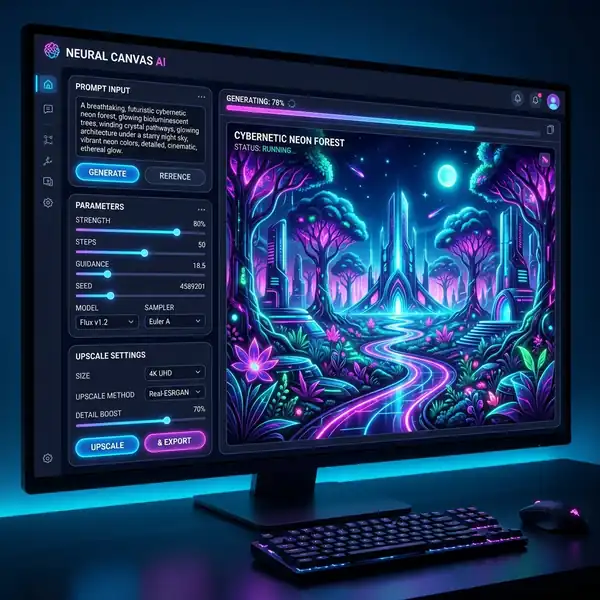
Introduction to the concept/tool and how the underlying technology works
Canva Magic Expand harnesses the power of artificial intelligence to transform the way we think about image cropping and extension. Traditionally, when users crop an image, they often end up sacrificing important visual elements, resulting in a less impactful design.
Magic Expand resolves this dilemma by intelligently extending the image's borders, allowing for additional design space while maintaining a cohesive look. The underlying technology relies on AI algorithms that analyze the existing content of the image, generating new pixels that blend seamlessly with the original image.
This feature is particularly beneficial for those working with portraits, landscapes, or any image where context plays a critical role in visual storytelling.
The technology behind Magic Expand involves deep learning models that are trained on a vast dataset of images. These models learn the relationships between pixels, colors, and textures, enabling them to predict what the extended areas should look like.
When you prompt the tool to expand an image, it goes beyond merely stretching the pixels; instead, it generates new content that is consistent with the existing visual elements. This results in an image that feels whole and complete rather than artificially stretched or awkwardly cropped.
As a result, users can create more dynamic and engaging visuals that stand out in a crowded digital landscape.
Detailed step-by-step practical guide
To effectively utilize Canva Magic Expand, it is essential to follow a straightforward step-by-step process. This guide will walk you through the entire procedure, ensuring that you can easily extend image borders with confidence and creativity.
1. **Open Canva and Select Your Project**: Begin by logging into your Canva account. Once inside, either create a new project or open an existing design. Depending on your needs, you can choose from various formats, including presentations, social media graphics, or marketing materials.
2. **Upload Your Image**: If you have a specific image in mind, use the upload feature to add it to your design. This can be done by clicking on the "Uploads" tab in the left sidebar, where you can drag and drop your image file or select it from your device.
3. **Select the Image and Use the Magic Expand Tool**: After uploading, click on the image to select it. Once selected, you will see the 'Edit Image' option on the toolbar above. Click on this, and then look for the 'Magic Expand' feature. This may be located within a dropdown menu, depending on your version of Canva.
4. **Adjust the Image Borders**: After initiating the Magic Expand tool, you will be prompted to select how much you want to extend your image. You can adjust the borders by dragging the edges of the image outward. The tool will automatically fill in these new spaces with generated content that seamlessly matches the original image.
5. **Refine Your Design**: Once the expansion is complete, take a moment to review the newly created image. You may want to adjust colors, add overlays, or incorporate text to further enhance your design. Canva’s intuitive interface allows for easy customization, so feel free to experiment until you achieve the desired effect.
6. **Save and Export Your Design**: When you are satisfied with your extended image, save your project. Canva offers multiple export options, including PNG, JPG, and PDF formats, ensuring that your design is ready for any platform or use case.
By following these steps, you will be able to maximize the potential of your images using Canva Magic Expand. This tool not only saves time but also elevates your creative options, allowing for more comprehensive and visually appealing designs.
Comparative Analysis of Similar Tools
| Feature | Canva Magic Expand | Adobe Photoshop Content-Aware Fill | GIMP Resynthesizer |
|---|---|---|---|
| AI-Powered Image Expansion | Yes | Yes | Yes |
| User-Friendly Interface | Very Easy | Moderate | Moderate |
| Cost | Free (limited) / Subscription | Subscription required | Free |
| Design Templates | Yes | No | No |
| Export Options | Multiple formats | Multiple formats | Multiple formats |

Additional Resources and Recommended Links
For those looking to deepen their understanding of Canva Magic Expand and its applications, several resources can provide valuable insights. You might find it helpful to explore the Canva Magic Expand guide, which offers a comprehensive overview of the tool's functionalities.
Additionally, if you are interested in enhancing your Discord experience, the Viggle AI Discord guide will introduce you to essential integrations. Lastly, for video creators, the Luma Dream Machine Guide is an excellent resource for navigating AI video generation.
Advanced Techniques for Prompting and Parameter Adjustment in Canva Magic Expand

Aspect ratios are another vital aspect to consider when working with image extensions. Depending on the intended use—be it for social media, print materials, or website backgrounds—selecting the appropriate aspect ratio can drastically affect the final product's visual appeal.
Magic Expand allows users to input custom aspect ratios, thereby enabling them to create images that fit perfectly into predetermined formats. A standard aspect ratio might be 16:9 for web images, but for print magazines, a 4:3 ratio could be more suitable.
By experimenting with these settings, you can produce images that are not only visually cohesive but also tailored for specific platforms.
One of the more technical aspects of utilizing Canva Magic Expand involves the use of seed values, which serve as a starting point for the AI's generation process. By setting a specific seed value, you effectively create a baseline that can be replicated for similar outputs, allowing for consistency across multiple image generations.
This is particularly useful in professional settings where a cohesive brand image is paramount. Additionally, understanding how weights can be adjusted in the prompt can lead to more nuanced outputs.
For example, using formulas like "image description + [weight] + [focus area]" can guide the AI to prioritize certain aspects of the image while retaining others.
In practice, a well-formulated prompt might look something like this: "Create an outdoor scene with mountains in the background, emphasizing the sky [weight: 0.7] and including a lake in the foreground [weight: 0.3]." This approach allows users to dictate the visual hierarchy within the image, ensuring that the generated output aligns closely with their desired aesthetic. By leveraging these advanced prompting techniques and technical parameters, users can maximize the potential of Canva Magic Expand, resulting in images that are not only expanded but also enriched in quality and relevance.
Integrating Canva Magic Expand Outputs into Professional Workflows for Design and Marketing

In the context of e-commerce, utilizing the outputs from Canva Magic Expand can streamline the creation of product images and promotional materials. By extending images of products against tailored backgrounds or creating lifestyle images that showcase products in use, marketers can enhance customer engagement.
A product placed against a picturesque landscape or a vibrant city backdrop can evoke emotions and narratives that encourage purchases. By integrating these extended images into marketing materials—like social media ads, email newsletters, or website banners—you can significantly boost the visual impact of your campaigns, leading to higher conversion rates.
Moreover, collaboration plays a important role in maximizing the effectiveness of Canva Magic Expand outputs. Teams can leverage tools such as Figma for real-time collaboration, allowing designers, marketers, and stakeholders to view and comment on the images as they are being developed.
This collaborative approach can enhance creativity by pooling diverse perspectives and expertise. For example, a team can generate an initial image using Magic Expand, share it within a Figma workspace, and collectively iterate on the design by suggesting edits, color adjustments, or additional elements that can be incorporated to elevate the overall impact.
Automation tools can also play a significant part in this integration process. By creating workflows that automatically pull images generated by Canva Magic Expand into marketing platforms or content management systems, teams can save valuable time and ensure a consistent output of high-quality visuals.
This not only reduces the manual workload but also ensures that the latest designs are readily available for use across all marketing channels. By combining the efficiency of Canva Magic Expand with powerful design software and collaborative platforms, users can create a seamless workflow that enhances productivity and fosters creativity.
Exploring the Technical Limitations of Canva Magic Expand and Addressing Common User Challenges
As with any advanced tool, understanding the technical limitations of Canva Magic Expand is important for users who wish to harness its full potential effectively. One significant limitation is the quality of the generated extensions, which can vary depending on the complexity of the original image. While Magic Expand is designed to intelligently extrapolate and create additional content, it may struggle with intricate details or highly textured areas. Users may find that while the extended portion of the image is visually coherent, it might lack the depth or detail found in the original. Being aware of this limitation can help users set realistic expectations and be prepared to make additional edits or refinements post-generation.Another common issue encountered by beginners is the challenge of crafting effective prompts. Without a clear understanding of how to structure prompts, users may receive outputs that are not aligned with their vision.
It's essential to remember that the AI responds best to specific, detailed instructions. Beginners often make the mistake of using vague or overly broad prompts, which can lead to disappointing results.
To mitigate this, users should focus on being precise in their descriptions and utilize the advanced techniques discussed previously, such as adjusting sampling weights and utilizing seed values, to achieve better outputs.
Understanding the commercial usage rights and ethical guidelines surrounding the outputs generated by Canva Magic Expand is equally important. While Canva provides a robust platform for creating and sharing visuals, users must ensure that they comply with copyright regulations and licensing agreements.
It's vital to verify that the images used—whether they are original, stock, or AI-generated—adhere to the necessary guidelines for commercial use. This includes understanding the limitations of how generated images can be marketed or sold, as well as ensuring that any incorporated elements do not infringe on existing copyrights.
Lastly, troubleshooting issues that may arise during the use of Canva Magic Expand is an essential skill for users aiming for seamless integration into their workflows. Common problems might include software glitches, slow processing times, or incompatibility with certain file formats.
To address these challenges, users should familiarize themselves with Canva’s support resources or community forums, where they can find solutions or advice from experienced users. By proactively addressing these technical limitations and common pitfalls, users can enhance their overall experience with Canva Magic Expand and achieve higher-quality outcomes in their design projects.




