Best Free AI Tools to Colorize Old Black and White Photos

Discover the best free AI tools to colorize old black and white photos effortlessly. In today's digital age, the ability to breathe new life into historical images is not just a novelty—it's a powerful way to connect with the past. Various free AI tools have emerged that enable users to colorize old black and white photographs, making them more relatable and visually appealing.
These tools use advanced algorithms and deep learning techniques to analyze grayscale images and automatically apply realistic colors. Whether you're a photography enthusiast, a historian, or simply someone looking to revamp family heirlooms, understanding how these AI colorizers work can enhance your experience and broaden your creative possibilities.
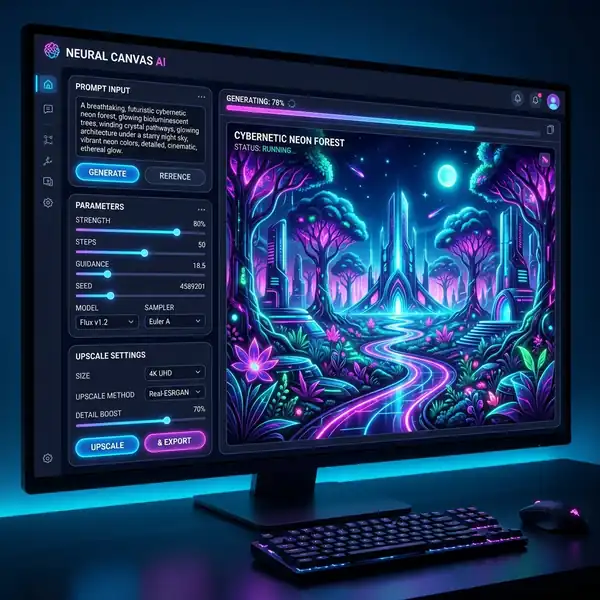
Introduction to the concept/tool and how the underlying technology works
The concept of colorizing black and white photos using AI is rooted in machine learning, specifically in the area of neural networks. At its core, AI colorization involves training a model on a vast dataset of color images and their corresponding grayscale versions.
During this training process, the model learns to understand the relationship between different shades of gray and the colors they represent in a real-world context. Once trained, the AI can take an uncolored image and predict the likely colors for each pixel based on learned patterns and color distributions.
The technology behind these tools often employs Convolutional Neural Networks (CNNs), which are particularly effective in image processing tasks. CNNs consist of multiple layers that capture various features of the input images, allowing the model to recognize complex patterns in pixel arrangements.
After the initial processing, the AI generates a colorized output that aims to be as accurate as possible. Some advanced tools even allow users to tweak colors manually, giving them additional control over the final appearance.
The combination of a robust learning algorithm and user interface makes these AI tools accessible for anyone, regardless of their technical expertise.
Detailed step-by-step practical guide
To effectively utilize free AI tools for colorizing black and white photos, follow this straightforward step-by-step guide. This process is designed to be user-friendly, ensuring that anyone can transform their images with ease.
1. **Select the Right Tool**: The first step is to choose an AI colorization tool that fits your needs. Some popular options include DeOldify, Colourise.com, and Algorithmia. Each of these platforms offers unique features and interfaces. For instance, DeOldify is known for its high-quality results, while Colourise.com provides a more straightforward, web-based interface.
2. **Upload Your Image**: Once you've chosen a tool, navigate to its website and look for an option to upload your black and white photo. Most colorization tools support various image formats such as JPEG and PNG. Make sure your image is of decent resolution; higher-quality images tend to yield better colorization results.
3. **Initiate the Colorization Process**: After uploading your image, there will typically be a button to start the colorization. Click on this button, and the AI will begin processing your photo. Depending on the tool and the complexity of the image, this may take anywhere from a few seconds to a couple of minutes.
4. **Review and Edit**: Once the colorization is complete, take a moment to review the output. Many tools will offer options for minor adjustments. You can tweak specific colors or enhance certain areas to achieve a more personalized look. If the result isn't satisfying, consider re-running the process or trying a different tool for comparison.
5. **Download and Share**: After finalizing your colorized image, save it to your device. Most tools provide an easy download option. You can then share your revitalized photo on social media, use it in presentations, or even print it for display.
By following these simple steps, you can turn your cherished black and white memories into vibrant color images, allowing them to resonate with a modern audience while preserving their historical significance.
Comparative Table of AI Tools for Colorizing Black and White Photos
| Tool | Price | Features | Ease of Use |
|---|---|---|---|
| DeOldify | Free | High-quality colorization, supports batch processing | Moderate (requires setup) |
| Colourise.com | Free | Simple interface, quick colorization | Easy |
| Algorithmia | Free | API access, customizable algorithms | Moderate (more technical) |
| Colorize Images | Free | Fast processing, user-friendly interface | Very Easy |
Additional Resources and Recommended Links
For those looking to dive deeper into the world of AI tools, several resources are available. You can explore more about using AI in creative endeavors by checking out our posts on Canva Magic Expand, which showcases how AI can enhance image editing, or learn how to set up the Viggle AI bot on Discord for interactive experiences.
Additionally, our detailed guide on Luma Dream Machine can help you understand more about AI video generation and its applications.
Advanced Prompting Techniques and Technical Parameters for AI Photo Colorization

The aspect ratio of the images also warrants attention, as it can impact the model's understanding of the composition and context of the photograph. Many AI tools allow users to specify the aspect ratio to align with traditional formats, such as 4:3 for portraits or 16:9 for landscapes.
In cases where the original image dimensions deviate from these standards, resizing or cropping may be necessary. It is essential to ensure that the aspect ratio aligns with the intended use of the image, especially if it will be integrated into a larger design project or printed in a specific format.
Furthermore, experimenting with prompt formulas, such as "Colorize with a vintage aesthetic" or "Apply warm tones reminiscent of sunrise," can guide the AI in generating outputs that closely match your creative vision.
In addition to sampling weights and aspect ratios, seed values can be employed to introduce variability in the results. By setting a specific seed, users can reproduce the same output consistently, which is particularly valuable for iterative design processes.
Conversely, using random seed values can lead to unique interpretations with each attempt, allowing for exploration of various creative directions. For optimal results, it is advisable to document your parameters and prompts, creating a reference guide that highlights successful combinations.
Over time, this can serve as a valuable resource, aiding in the efficient and effective use of AI tools for colorization.
Lastly, understanding the underlying algorithms that power these AI tools can provide insights into their strengths and weaknesses. Familiarizing yourself with concepts such as convolutional neural networks (CNNs) and generative adversarial networks (GANs) can deepen your appreciation for how these tools operate.
This knowledge can also inform your selection of prompts and parameters, as certain algorithms may excel in specific contexts or types of images. By combining a strategic approach to prompting with a thorough understanding of technical parameters, users can significantly enhance the results of their AI colorization endeavors.
Integrating AI Colorization Outputs into Professional Workflows for Design and Marketing

In marketing, colorized black and white images can be powerful assets that evoke nostalgia while appealing to contemporary aesthetics. Brands can use these images in various marketing materials, such as brochures, advertisements, and website content, to create a strong emotional connection with their audience.
When integrating AI colorization outputs into marketing strategies, it's important to maintain brand consistency, aligning the color choices with brand colors and visual identity. This can be achieved by adjusting the colorization parameters or employing post-processing techniques to refine the final output.
Moreover, incorporating these images into storytelling campaigns can enhance engagement, as they often resonate with audiences on a personal level.
E-commerce also stands to benefit significantly from the integration of AI colorization outputs. By transforming historical or vintage images into vibrant representations of products, businesses can tap into a unique market segment that appreciates authenticity and the charm of the past.
For online retailers, showcasing products alongside colorized images can create a cohesive shopping experience, making it easier for customers to envision the product in their own lives. Additionally, automation tools can be used to streamline the process of uploading and managing colorized images, ensuring that they are efficiently categorized and optimized for web use.
This is particularly important in a fast-paced e-commerce environment, where visual content can greatly influence purchasing decisions.
To maximize the benefits of AI colorization, teams should consider establishing collaborative workflows that allow for input from multiple stakeholders. For instance, designers, marketers, and product managers can work together to provide feedback on colorization outputs, ensuring that the images align with the overall vision of the project.
Implementing project management tools can facilitate this collaboration, allowing team members to leave comments, track edits, and manage approvals efficiently. By fostering a culture of collaboration and creativity, organizations can harness the full potential of AI colorization, resulting in high-quality outputs that resonate with their target audience.
Understanding Technical Limitations and Ethical Considerations of AI Colorization Tools
Another technical challenge arises from the complexity of image content. AI colorization tools may struggle with images that contain intricate details, such as fine textures or subtle gradients. In such cases, the colorization might result in oversaturated colors or unnatural blends, which can detract from the overall quality of the image.
Users should be prepared to engage in post-processing work using software like Photoshop to refine the AI-generated colorization. This might involve manually adjusting color levels, enhancing contrast, or correcting any anomalies that arise during the colorization process. By being aware of these potential pitfalls, users can better manage their expectations and ensure a polished final product.
Common beginner mistakes can also hinder the effectiveness of AI colorization tools. One prevalent error is neglecting to provide clear, detailed prompts that guide the AI in the colorization process.
Without specific instructions, the AI may produce results that do not align with the user's vision. Additionally, users may overlook the importance of image quality when uploading files, as lower resolution images can lead to subpar colorization results.
Beginners should invest time in learning how to properly format and prepare their files, as well as experimenting with different prompts and parameters to achieve the desired outcome.
In conjunction with understanding technical limitations, it is vital to consider the ethical implications of using AI colorization tools, particularly regarding commercial usage rights. Many AI services have specific terms and conditions that dictate how generated images can be used, especially if the outputs are intended for commercial purposes.
Users should familiarize themselves with these guidelines to avoid potential legal issues. Furthermore, ethical considerations extend beyond usage rights to include the portrayal of individuals and historical events.
When colorizing sensitive or controversial images, it is essential to approach the task with cultural sensitivity and awareness, ensuring that the colorization does not misrepresent the original context or message.
As the field of AI continues to develop, the intersection of technology and ethics in colorization will remain a pertinent topic. By fostering a responsible approach that respects both the artistic and historical value of images, users can navigate the complexities of AI colorization with greater confidence.
Engaging in discussions about best practices, sharing knowledge within the community, and advocating for ethical standards can help shape the future of AI colorization in a positive direction. Through awareness and thoughtful application, users can harness the power of AI to enhance creativity while honoring the integrity of the images they work with.




