Are Robot Vacuums with HEPA Filters Good for Allergy Sufferers?
Are Robot Vacuums with HEPA Filters Good for Allergy Sufferers?
If you suffer from respiratory issues, understanding if a robot vacuum is good for anyone with asthma or allergies requires evaluating the dustbin's sealing efficiency and the HEPA filter's class (typically H13 or higher). Unlike traditional vacuums that blow fine dust back into the room through their exhaust ports, robot vacuums with sealed filtration systems trap microparticles and dander without creating strong air currents. Daily schedules keep allergens down.
1. How True HEPA H13 Filters Capture Microparticles and Mites
The term HEPA (High-Efficiency Particulate Air) defines filters that capture microscopic particles. However, filters have different ratings. Cheap vacuums often use basic felt or paper filters (rated E11) that let dust particles larger than 1.0 micron pass, spreading allergens through the air.
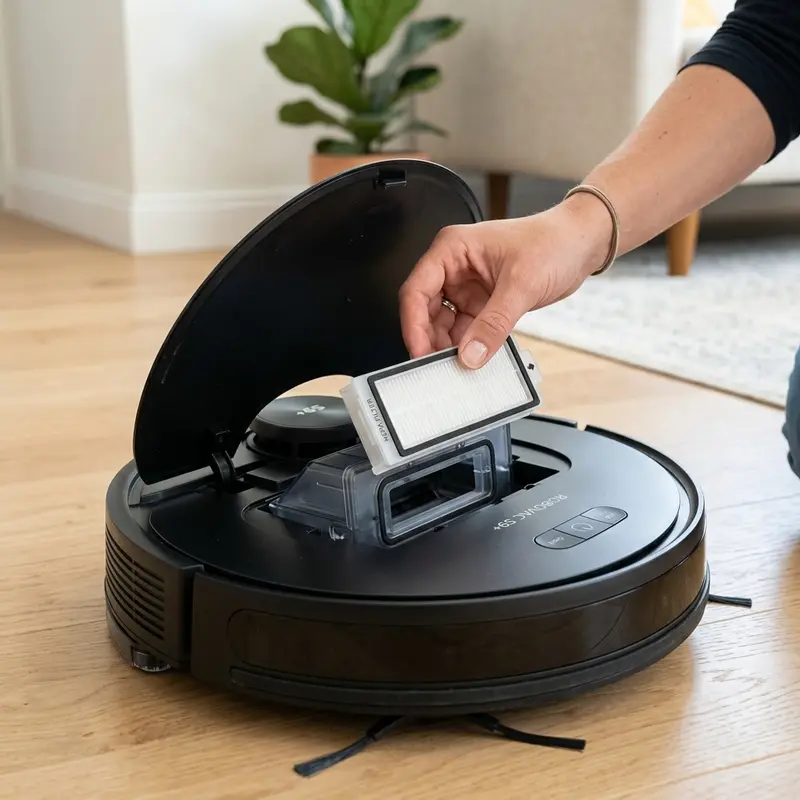
For allergy sufferers, the robot vacuum must have an H13-class True HEPA filter. The dense web of randomly aligned glass microfibers captures particles using three physical mechanisms:
- Interception: Large particles collide with the fibers and get trapped.
- Impaction: Mid-sized particles travel with the airflow, divert, and hit the fiber walls.
- Diffusion: Particles smaller than 0.1 microns collide with air molecules (Brownian motion), pushing them into the fibers where they remain trapped.
2. Air Leakage and the Importance of a Sealed Dustbin
A True HEPA H13 filter is useless if the vacuum's dustbin is not airtight. In low-quality models, the air pressure from the suction turbine forces fine dust out of the plastic joints before it reaches the filter. This bypass distributes fine dust back into the room.
When choosing a vacuum, check for silicone or rubber gaskets around the HEPA filter frame and the suction port. This ensures all dirty air is forced through the HEPA filter before exiting the exhaust vents.
If your vacuum's dustbin is blocked or needs cleaning, read our guide on how to remove and empty dustbin on Mondial robot vacuum.
3. Rotating Side Brushes and Fine Dust Suspension
A critical point for allergy sufferers is the movement of the side brushes. Rotating at high speeds, the nylon bristles can kick up fine dust from tile floors before the suction intake can pull it in, increasing suspended dust in the room.
To prevent this issue:
- Schedule cleanings when the house is empty: Set the vacuum to run while you are at work or school. This lets any suspended dust settle back to the floor to be captured in subsequent runs.
- Use moderate suction settings: Moderate suction levels generate less exhaust turbulence, reducing dust suspension near the drive wheels.
4. Filtration Class Comparison Table
The table below outlines common filtration classes in robot vacuums and their effectiveness at capturing allergens:
| Filter Class | Retention Efficiency | Particle Size Limit | Recommended for Asthma | Common Captured Allergens |
|---|---|---|---|---|
| True HEPA H13 | 99.97% | 0.3 microns | Yes (Highly recommended) | Dust mite waste, mold spores, pollen |
| EPA E12 / E11 | 85% to 95% | 0.5 microns | No (General use only) | Coal dust, coarse dust, fabric lint |
| Fabric / Sponge Mesh | Under 70% | Over 2.0 microns | No | Hair strands, sand particles, crumbs |
| Basic Microfiber | Under 50% | Over 5.0 microns | No | Visible pet fur, large carpet lint |
5. Washing and Replacing HEPA Filters Safely
HEPA filters clog with dust over time, reducing suction power and forcing the vacuum motor to run hotter, which increases battery drain.
To clean a HEPA filter safely, tap it gently inside a closed trash bin outdoors to remove loose dust. Use a dry, soft-bristled brush to sweep the paper folds. Never wash paper HEPA filters with water, as the paper fibers will swell and collapse when drying, permanently blocking airflow.
If your hybrid vacuum loses suction or has worn seals, check our buying advice on best mopping robot vacuum value guide.
The Risk of Mold Growth in Damp HEPA Filters
If the robot vacuum sweeps up damp floor spots and the paper HEPA filter gets wet inside the dark dustbin, the paper fibers can become a breeding ground for mold and bacteria.
The warm exhaust air will then blow invisible mold spores back into the room, triggering asthma attacks. Replace the HEPA filter immediately if it gets wet or contaminated with pet waste.
Replacing High-Powered Upright Vacuums
Standard 1500W upright vacuums have powerful exhaust currents that blow dust into the air. A robot vacuum operates with lower airflow rates and gentler exhaust currents.
This limits dust displacement. For allergy sufferers, switching to automated robot cleanings reduces allergy flare-ups caused by vacuuming.
HEPA Filter Sensor Calibrations
Premium robot vacuums feature air pressure sensors before and after the HEPA filter. When the filter becomes clogged with dust, the pressure difference triggers a maintenance alert in the mobile app.
Do not ignore this warning. Cleaning or replacing the clogged HEPA filter ensures your vacuum maintains consistent suction power across all rooms.
Combining Mopping with Dust Control
Using the damp mopping attachment is helpful for allergy sufferers. The damp microfiber cloth breaks static electricity on tiles, locking down the fine dust that suction missed.
This prevents dust from flying back into the air when people walk through the room. Wash the microfiber cloth after every run to remove the collected allergens.
Particulate Matter Limits (PM2.5) and HEPA Efficiency Ratings
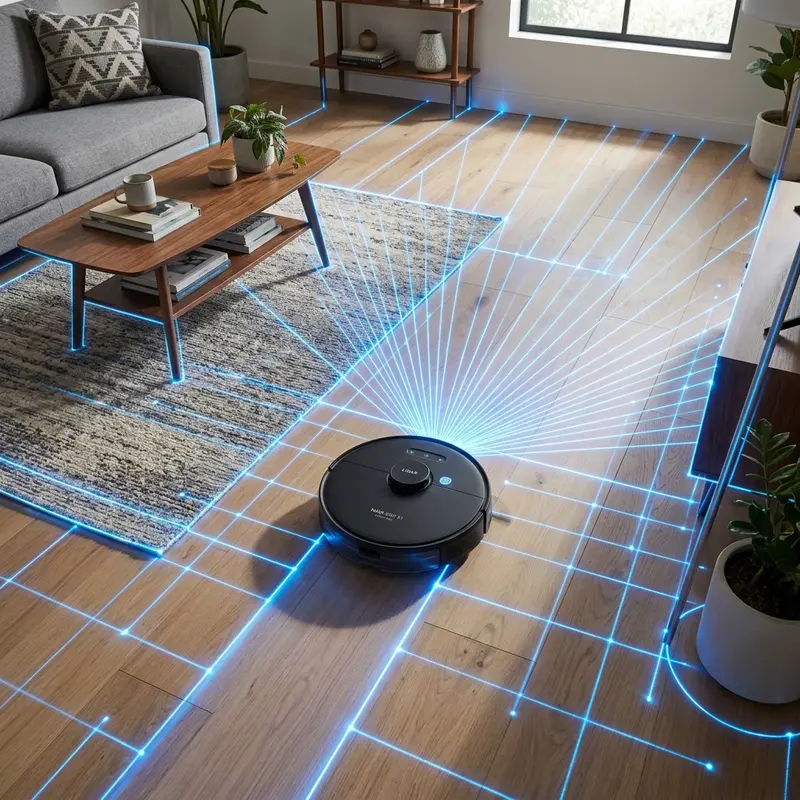
Allergy and asthma sufferers are sensitive to airborne particulate matter under 2.5 micrometers (PM2.5). Exposure to PM2.5 particles triggers bronchial inflammation, coughing, and asthma flare-ups.
True H13-class HEPA filters capture 99.97% of microscopic particles down to 0.3 microns. The fine dust swept from tiles is trapped within the filter fibers, preventing the exhaust fan from blowing it back into the room and improving indoor air quality.
Air Bypass Prevention and Polyurethane Dustbin Gaskets
The filtration efficiency of a HEPA filter drops if dirty air bypasses the filter frame. Quality robot vacuums feature molded polyurethane or silicone gaskets lining the filter frame slot.
These gaskets seal the compartment, forcing the suction vacuum to pull all air through the HEPA fibers. Clean these gaskets with a damp cloth and replace filters with cracked plastic frames to prevent air leaks.
Controlling Mold and Spore Growth on Wet Paper Filter elements
Sweeping over damp floor areas draws water droplets into the paper HEPA filter. The dark, warm interior of the dustbin provides a breeding ground for mold spores and bacteria on the damp paper fibers.
The exhaust fan will then blow invisible mold spores into your home's air. Never wash paper HEPA filters. If the filter becomes wet, discard it immediately and install a dry replacement to prevent mold growth.
Lowering the Static Dust Load on Curtains and Furniture
Running the robot vacuum daily reduces the static dust load on your floors. Fine floor dust easily becomes airborne when walked on, settling on furniture, curtains, and baseboards over time.
Keeping floors clean prevents this dust migration, lowering the amount of dust mites and allergens that accumulate on surrounding surfaces, which helps maintain a cleaner home environment.
Choosing Room-by-Room Cleaning Schedules to Limit Exposure
For individuals with severe asthma, we recommend scheduling room-by-room cleanings rather than cleaning the entire house at once. This prevents temporary dust suspension in occupied rooms.
Set the vacuum to clean the living room while family members are in bedrooms, and vice versa. This scheduling rotation limits exposure to fine dust that is briefly kicked up into the air during cleaning runs.
Dynamic Air Purification Cycles and Exhaust Routing Standards
A major design factor for allergy vacuums is the exhaust air direction. Basic vacuums vent air downwards, blowing dust off baseboards. Advanced vacuums vent air upwards at a 45-degree angle.
This upward exhaust routing prevents floor dust from becoming airborne, keeping allergens on the floor where they can be captured by the main suction intake, resulting in cleaner air for asthma sufferers.
Reducing Electrostatic Charge and Dust Binding on Hard Floors
Daily vacuuming removes the fine dust that builds up electrostatic charges on tile and laminate floors. Static charge keeps dust bound to the floor, making it hard to sweep away manually.
Removing this static dust layer prevents it from flying into the air when family members walk through the rooms, ensuring cleaner air for individuals with asthma and allergies.
Exhaust Deflector Channels and Airborne Dust Control
Advanced robot vacuums utilize special plastic deflector channels on their exhaust vents to redirect air currents upwards rather than downwards. This prevents the exhaust from blowing dust off the floor.
By routing the exhaust air away from baseboards, the vacuum prevents fine dust from rising into the breathing zone of the room, keeping allergens on the floor where they can be collected.
Polyurethane Dustbin Sealing and Bypass Prevention
The filtration efficiency of a HEPA filter drops if dirty air bypasses the filter frame. Quality robot vacuums feature molded polyurethane gaskets lining the filter frame slot, forcing the suction vacuum to pull all air through the HEPA fibers.
Lowering the Micro-Dust Load on Curtains and Furniture Baseboards
By running daily scheduled cleans, the robot vacuum reduces the static dust layer on floors. This limits the dust that migrates onto baseboards, curtains, and low furniture. This daily reduction in overall dust load helps lower the presence of allergens in the air, benefiting asthma sufferers.
Anti-Static Flooring Treatments and Suction Performance
Integrating anti-static sprays or specialized floor cleaners with your robot mop can significantly improve dust collection. Static charge on laminate or vinyl flooring binds microparticles, making simple suction less effective. A neutralizer solution breaks this bond, allowing the vacuum to gather the debris easily.
Ventilation Syncing During Scheduled Cleaning Windows
To maximize dust clearance, synchronize your cleaning schedule with your home HVAC system. Running the central AC fan or an air purifier during and for thirty minutes after the robot runs filters any kicked-up microparticles from the air column before they can settle back on floors or furniture.
Preventing Secondary Dust Migration on Curtains
Exhaust vents redirect airflow upwards at a 45-degree angle on advanced vacuums. This deflector design keeps floor dust from blowing into the room, ensuring cleaner air for allergy and asthma sufferers.
Benefits of Sealed Dustbins and Polyurethane Gaskets
Ensure the rubber gaskets surrounding the HEPA filter slot remain clean and intact. If these gaskets wear out, fine dust will leak through the gaps, reducing filtration efficiency and releasing allergens into the room.
Selecting Filter Replacements from Certified Manufacturers
Always purchase H13 replacement filters from certified suppliers. Cheap knock-offs have low pleat densities that fail to trap microscopic mold spores, letting allergens bypass the filtration system during clean runs.
Understanding PM10 Particulate Capture Requirements
While PM2.5 is the most dangerous, larger PM10 particles (like coarse pollen and mold spores) must also be filtered. A true HEPA H13 filter traps both classes, keeping your home allergen-free.
Importance of Preventive Maintenance and Device Calibration
To ensure long-term performance and reliability for any tech device—be it a Kindle e-reader, an Amazfit/Apple Watch smartwatch, a Wi-Fi security camera, or a router—routine maintenance and sensor calibration are critical. Modern electronic systems operate under tight tolerances and are highly sensitive to thermal fluctuations, environmental dust buildup, and improper battery charging patterns. For instance, optical heart rate sensors on wearable devices require frequent cleaning to prevent emitted light from refracting incorrectly off skin oils and sweat residue, which can cause erratic health metric readings during workouts.
Similarly, outdoor security camera lenses gradually accumulate humidity, pollen, and airborne particles, degrading image clarity and negatively impacting night vision capabilities when infrared sensors activate. Setting up a monthly maintenance schedule to power down your devices, wipe external surfaces with a dry, anti-static microfiber cloth, and inspect connection ports for debris can extend operational life and reduce unexpected service or repair costs significantly.
Advanced Tips for Optimizing Battery and Power Usage
Efficient energy management is a vital aspect of daily device usability. Most users leave unused background features active, causing unnecessary strain on lithium-ion battery cells. Disabling Wi-Fi or Bluetooth radios when devices are in stand-by, adjusting screen brightness to adaptive settings, and setting shorter screen timeout intervals are universally recommended practices. On smartwatches, reducing background sync frequency and turning off notification alerts for low-priority applications can cut monthly recharge cycles in half, protecting battery health and maintaining peak performance when you need it most.
Frequently Asked Questions (FAQ)
Can a robot vacuum replace a standard vacuum for allergy sufferers?
Yes. Robot vacuums run daily and do not blow strong air currents against the floor, keeping dust and dander levels consistently low without putting allergens into the air.
What is the safest way to clean a robot vacuum HEPA filter?
Tap the filter frame gently against a trash bin. Use a dry, soft brush or a clean paintbrush to sweep dust out of the paper folds.
Can I wash my robot vacuum's HEPA filter with soap and water?
No. Standard paper HEPA filters will warp and clog when exposed to water, permanently blocking airflow and causing the vacuum motor to overheat.
How often should I replace my robot vacuum's HEPA filter?
We recommend replacing the H13 HEPA filter every 3 months of daily use, or sooner if you notice a drop in suction power or damage to the seal frame.
Conclusion
Using a robot vacuum with a True H13 HEPA filter and a sealed dustbin is highly beneficial for allergy and asthma sufferers. Daily automated cleanings capture dust mites and pollen from the floor without blowing fine dust into the air, improving indoor air quality.




