How to Adjust and Configure DHCP Lease Time on UniFi Controller
The DHCP lease time on a UniFi Controller can be adjusted through the settings menu, allowing for tailored network connectivity.
Understanding DHCP Lease Time
DHCP lease time determines how long a device can stay connected to a network with a specific IP address. This time is crucial for efficient IP address management and helps prevent potential exhaustion of IP resources within the network.
Significance of DHCP Lease Time
The configuration of DHCP lease time impacts both the usability and performance of a network. Proper lease time settings can help optimize the available IP address space in dynamic environments, allowing for better user experiences across multiple devices.
The Role of DHCP in Modern Networks
DHCP, or Dynamic Host Configuration Protocol, is vital for automating the IP address assignment process. This ensures that devices can connect seamlessly without manual configuration, emphasizing the importance of this protocol in simplifying network management tasks.
Accessing the UniFi Controller
To adjust the DHCP lease time, first, access the UniFi Controller dashboard. Use the administrator credentials to log in for making changes, ensuring that appropriate security measures are observed throughout the process.
Importance of Administrator Privileges
Ensuring proper credentials are utilized is essential for security reasons. Administrator access allows for comprehensive configuration changes and monitoring capabilities, which are vital for effective network management.
User Interface Familiarization
Familiarizing oneself with the UniFi Controller interface can streamline the process of making adjustments. Knowing where settings are located accelerates the adjustment process, minimizing potential downtime during configuration changes.
Locating DHCP Settings
Within the Networks section, identify the network for which the DHCP settings will be modified. Click on the network name to open its settings and explore the various options available for configuration.
Identifying Multiple Networks
For environments with multiple networks, accurately identifying the correct network is critical. Mistakes in selection can lead to misconfigurations affecting network integration and overall performance, creating unnecessary complications.
Understanding the Network Settings Layout
The organization of the settings layout is designed for intuitive navigation. Users can easily locate necessary configurations as long as they understand the categorization of the different functions within the interface.
Adjusting Lease Time
Scroll down to the DHCP Server section within the network settings. Here, users can find the field labeled 'DHCP Lease Time,' which is crucial for determining how long devices maintain their IP addresses.
Setting Different Lease Times
Different networks may require different lease times based on usage patterns. Adjustments are made by inputting a desired duration in the lease time field, allowing for customization according to specific organizational needs.
Impact of Expanded Lease Durations
Longer lease durations benefit stable environments like offices where devices remain connected for extended periods. This can greatly reduce network management overhead and minimize user disruptions due to frequent IP address changes.
Best Practices for Lease Time Configuration
Choosing an appropriate lease time can depend on the type of network usage. Shorter lease times are suitable for public networks, while longer lease times benefit stable environments by improving connectivity reliability.
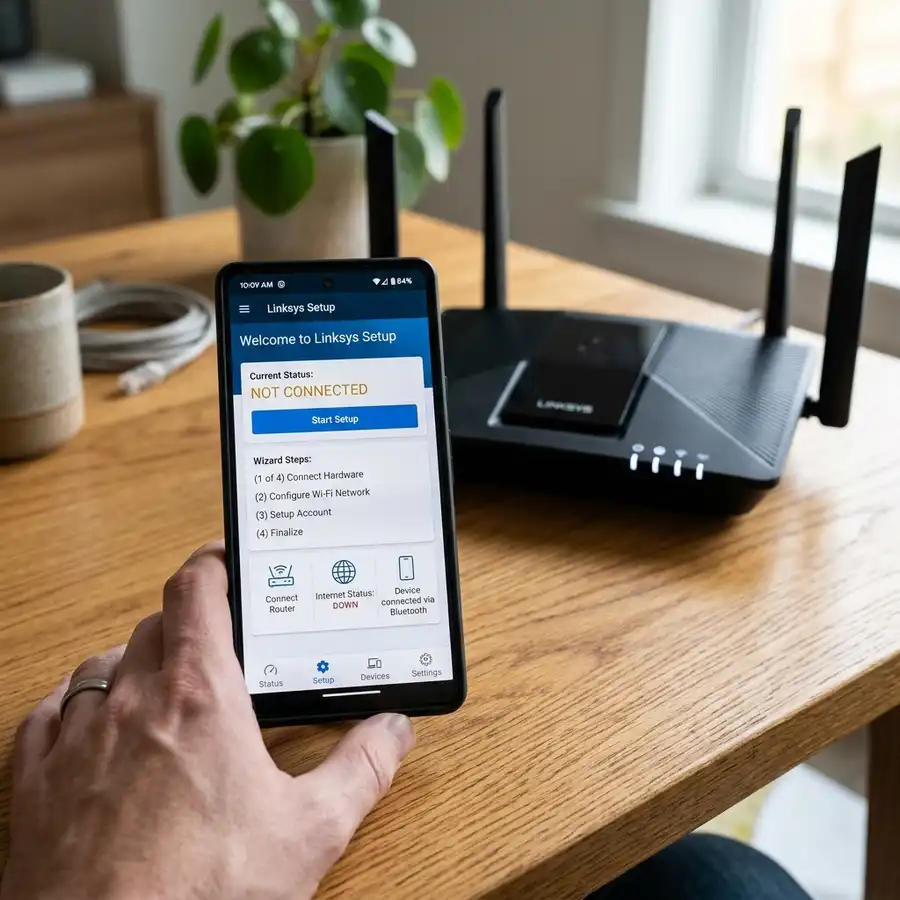
Figure 1: Detailed operational configuration step.
Advanced Troubleshooting
Common Issues with DHCP Lease Management
Misconfigured lease times can lead to excessive disconnections or unavailability of IP addresses. Troubleshooting steps begin with verifying the current configurations and logs to establish the root cause of the problems.
Analyzing Network Logs
Analyzing logs from the UniFi Controller can provide insights into DHCP lease requests and renewals. This can help pinpoint devices that are improperly handling lease renewals and assist in correcting configuration errors efficiently.
Identifying Device-Specific Issues
Some devices may encounter unique issues related to DHCP communication. Understanding specific device behaviors can significantly aid in accurate troubleshooting and effective resolution of network problems.
Testing Networking Components
Utilizing tools such as ping and traceroute can help verify the integrity of network connections. Packet loss or high latency might indicate problems with physical layers or network configuration mismatches.
Advanced Packet Sniffing Techniques
Packet sniffing can expose detailed traffic patterns related to DHCP communication. Tools like Wireshark can capture and analyze packets, revealing potential anomalies in lease negotiation processes.
Common Lease Time Durations
Common configurations include lease times of 24 hours for home networks and 1-2 hours for guest networks. Understanding the user requirements holds importance in this context, as it informs the necessary adjustments for optimal performance.
Specialized Use Cases for Lease Time
High-density environments might require unique configurations to prevent IP address exhaustion. Tailoring lease times to specific applications can help with ongoing connectivity demands while ensuring efficient resource allocation.
Testing and Validating the Changes
After adjusting the lease time, clients may need to renew their DHCP leases. This action encourages devices to request new IP addresses based on the revised settings, ensuring compliance with the updated configurations.
Verifying Lease Renewals
To ensure devices are correctly updating their leases, users should check the device status in the network. Confirmation of successful lease renewals indicates the configuration was effective and that devices are functioning as intended.
Performing a Controlled Network Restart
In some cases, a controlled restart of network devices may be required for changes to take full effect. This ensures that all devices are using the new lease times as configured without residual conditions from previous settings.
Monitoring Lease Times
Monitoring can be conducted by reviewing the DHCP leases section in the UniFi Controller. This tool provides insights regarding active leases and their durations, enabling administrators to manage resources effectively.
Utilizing Monitoring Tools
Additional monitoring tools can be integrated to track DHCP performance metrics in real-time. This data aids in optimizing network infrastructure over time and helps in making informed decisions about network management strategies.
Key Performance Indicators for DHCP
Identifying key performance indicators (KPIs) is essential for assessing DHCP efficiency. Tracking metrics such as lease renewal times, failure rates, and client requests can refine DHCP strategies and enhance overall performance.
Figure 2: Detailed operational configuration step.

Industry Standards for DHCP Management
Understanding industry standards for DHCP management can guide optimal configuration practices. These standards often address network efficiency and security concerns, ensuring compliance with best practices.
TCP/IP Protocol Suite
The DHCP protocol operates within the TCP/IP suite, making it integral to networking standards. Awareness of these standards can improve DHCP implementation processes and contribute positively to network reliability.
Security Considerations
Implementing security measures around DHCP can help mitigate risks associated with unauthorized IP allocation. Following best practices and adhering to industry standards enhances overall network security and integrity.
Compliance with RFC Standards
Staying compliant with relevant RFCs, like RFC 2131, dictates proper implementations of DHCP. Familiarity with these standards ensures that configurations align with established networking norms and practices.
Professional Tips for Optimal DHCP Configuration
For enhanced stability, consider segmenting the DHCP pool for different network segments. This reduces the chances of IP conflicts across subnets, improving overall network performance and reducing troubleshooting incidents.
Documenting Changes and Configurations
Documenting all configuration changes is essential for troubleshooting and audits. Keeping records facilitates better understanding and management of network settings over time, ensuring easier recovery from misconfigurations.
Regularly Auditing DHCP Configurations
Conducting regular audits of DHCP configurations can help identify outdated practices and optimize settings. Continuous improvement helps maintain an efficient network and adapts to changing user demands.
Establishing DHCP Reservation Practices
Using DHCP reservations for critical devices ensures consistent IP allocation. This practice minimizes network disruptions and enhances reliability for essential services within the network.
Advanced Electromagnetic Interference Considerations
Electromagnetic interference (EMI) can significantly affect network communication efficiency. Awareness of sources of interference, like certain electronics or physical barriers, is necessary for maintaining optimal signal quality.
Mitigating Interference from Wireless Signals
Wireless networks are particularly susceptible to interference from various sources, including microwaves and cordless phones. Understanding frequency ranges and channel configurations can aid in avoiding conflicts and improve wireless reliability.
Factors Affecting Signal Quality
Physical barriers, such as walls or metal objects, can degrade signal strength. RP (Received Power) levels must be considered when placing access points to ensure optimal coverage and reduce dead zones.
Future Trends in DHCP Management
With the rise of IoT devices, future DHCP management will need to adapt to increased device connectivity demands. Network administrators should anticipate higher dynamic IP address needs and prepare accordingly.
Integration with Cloud Services
The integration of DHCP management with cloud services allows for scalable solutions. This evolution may offer new management capabilities and enhance overall efficiency, enabling easier configuration and monitoring.
Figure 3: Detailed operational configuration step.
Automation in DHCP Management
Automation tools for DHCP management will likely become prevalent, allowing for faster and error-free configurations. Such tools can reduce the complexity involved in managing large-scale deployments by streamlining processes.
Comparison Table: Lease Time Configuration
| Type of Network | Recommended Lease Time | Advantages | Disadvantages |
|---|---|---|---|
| Home Network | 24 Hours | Stable connections | Reduced IP address turnover |
| Guest Network | 1-2 Hours | Better server load management | Frequent reconnects |
| Office Network | 8-12 Hours | Consistency for employees | Possible IP address conflicts during busy hours |
Frequently Asked Questions
What is DHCP Lease Time?
DHCP lease time refers to the duration that an IP address is assigned to a device. It dictates the time until a device must renew its IP address lease to maintain connectivity.
How do short lease times affect network performance?
Short lease times can lead to increased network traffic and potential connection drops. They require devices to frequently request new IP addresses, which can strain network resources.
Can lease time be configured differently for specific devices?
While DHCP lease time applies to all devices, static IP assignments can be configured for specific devices. This allows critical devices to avoid lease time issues and maintain constant connectivity.
Where can usage statistics for DHCP leases be found?
Usage statistics are available in the DHCP leases section of the UniFi Controller. This section provides comprehensive details about active and expired leases, assisting in resource management.
Additional Advanced Troubleshooting Techniques
Understanding the Impact of Network Topology
Network topology can influence how DHCP traffic flows and is managed. Identifying whether a network is flat or hierarchical will help determine the optimal configuration of DHCP settings.
Checking for Interference from Other Network Services
Other services running on the network may interfere with DHCP functionality. It is critical to identify these services to ensure unimpeded DHCP performance and maintain a stable network environment.
Advanced Network Configuration Options
Implementing VLANs for Better IP Management
VLANs (Virtual Local Area Networks) can significantly enhance IP address management. By segmenting networks logically, DHCP can be better managed under different configurations tailored for specific network requirements.
Dynamic DNS Integration with DHCP
Integrating Dynamic DNS services with DHCP can simplify device management. This allows devices to be reachable via a consistent hostname, enhancing usability within dynamic environments.
Physics of Network Media and Signal Transmission
Understanding Signal Attenuation
Signal attenuation refers to the reduction in signal strength as it travels over distance. Understanding factors that contribute to attenuation, such as cable type and environmental conditions, is critical for network reliability.
The Role of Frequency in Data Transmission
Different frequency ranges are utilized in data transmission to accommodate various types of network communications. A clear understanding of how frequency affects signal propagation can lead to more effective network designs.
Exploring Network Architecture Design
Importance of Redundancy in DHCP Setup
Implementing redundancy within DHCP setup enhances network reliability and availability. It is crucial to have backup systems in place to ensure uninterrupted service during failures or maintenance.
Balancing Load Across DHCP Servers
Load balancing between multiple DHCP servers can optimize resource utilization. Distributing the load helps prevent server overload and enhances overall network performance and responsiveness.
DHCP lease time directly impacts IP address management efficiency. For networks running PfSense, the DNS cache configuration on the upstream router complements proper DHCP settings.