The tech world is buzzing with excitement following Xiaomi's recent announcement of the highly anticipated HyperOS 4 interface, which is set to redefine user experiences across its smartphone ecosystem. Built on the upcoming Android 16/17 frameworks, HyperOS 4 promises not only aesthetic enhancements but also significant functionality upgrades, particularly in the realms of artificial intelligence and memory management. This article delves deep into the specifications, rollout schedule, and the devices that will first receive this groundbreaking update.
Introduction to HyperOS 4
Xiaomi's HyperOS 4 marks a bold step forward in the company’s approach to software design, looking to integrate more seamlessly with the hardware across its devices. This new operating system is designed to provide a unified experience across multiple devices, offering features that leverage generative AI capabilities, improved memory architecture, and enhanced graphics performance.
Key Features of HyperOS 4
Generative AI Suite
One of the standout features of HyperOS 4 is its integrated generative AI suite, which enhances both photo and text editing functionalities. This suite will allow users to create stunning visuals and content with minimal effort, utilizing advanced algorithms to suggest improvements and generate contextually relevant edits.
RAM Turbo 4.0 Memory Architecture
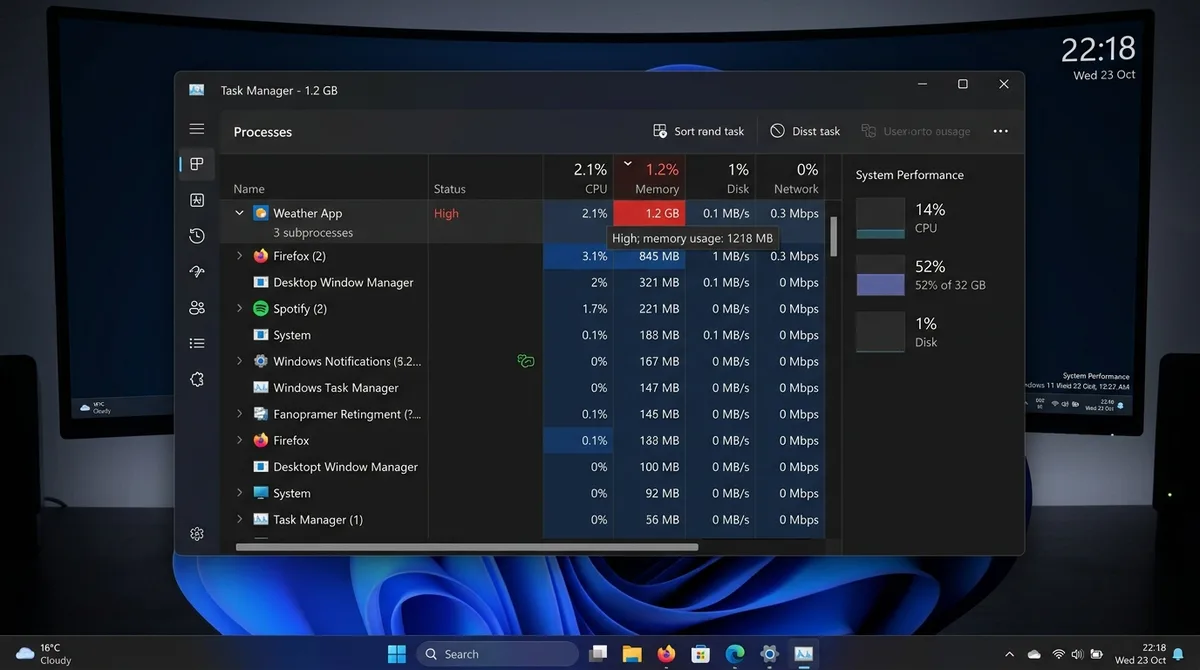
The introduction of RAM Turbo 4.0 is another key highlight of HyperOS 4, designed to optimize memory usage and improve multitasking capabilities. By intelligently allocating RAM based on application usage patterns, this new architecture aims to deliver smoother performance even under heavy workloads.
Fluid Animations and User Interface Overhaul
Xiaomi has also focused on enhancing the user interface with overhauled fluid animations that promise a more responsive and engaging experience. These animations are designed to feel natural and intuitive, making navigation through the OS feel seamless.
EV Ecosystem Synergy
HyperOS 4 is set to create a more cohesive experience within Xiaomi's ecosystem, particularly with its electric vehicle (EV) offerings like the Xiaomi SU7. The integration will enable functionalities such as remote control of vehicle settings directly from smartphones, further blurring the lines between mobile devices and automotive technology.
Future Foldable Flagship Leaks
Alongside the announcement of HyperOS 4, leaks regarding Xiaomi's upcoming foldable flagship have surfaced, suggesting that this device will be one of the first to showcase the new operating system. Early reports indicate that the foldable will feature top-of-the-line specifications, ensuring that it can fully leverage what HyperOS 4 has to offer.
Confirmed Devices for HyperOS 4 Rollout
The rollout of HyperOS 4 is expected to begin shortly, with several devices already confirmed to receive the update. Here’s a detailed list of the first smartphones and tablets that will be eligible:
- Xiaomi 15 Ultra – Flagship with cutting-edge camera technology.
- Xiaomi 14T Series – Mid-range devices with premium features.
- Xiaomi Pad 7S Pro – The latest tablet aimed at productivity and entertainment.
- POCO F7 Pro – Affordable powerhouse catering to the youth market.
- Redmi Note 14 Pro+ – Popular model in the budget segment.
Rollout Schedule
The rollout for HyperOS 4 is set to commence in Q4 2023, with a staggered approach that prioritizes flagship devices initially. Xiaomi plans to ensure a smooth transition by offering extensive support for users to upgrade seamlessly. The company has committed to providing regular updates and patches to address any issues that may arise post-launch.
Technical Implications of HyperOS 4
From a technical standpoint, HyperOS 4 is poised to have significant implications for both developers and end-users. The introduction of advanced AI capabilities means that developers will need to rethink how they create apps, utilizing the tools provided by the new OS to leverage generative AI functionalities. Furthermore, the RAM Turbo 4.0 architecture will push developers to optimize their apps for better performance and efficiency.
Comparison of Key Devices
| Device | Processor | Camera | Battery | Display |
|---|---|---|---|---|
| Xiaomi 15 Ultra | Snapdragon 8 Gen 3 | 200 MP + 50 MP | 5000 mAh | 6.73" AMOLED |
| Xiaomi 14T Pro | Snapdragon 8 Gen 2 | 108 MP + 12 MP | 4800 mAh | 6.67" AMOLED |
| Xiaomi Pad 7S Pro | Snapdragon 8 Gen 1 | 50 MP | 8000 mAh | 12.4" LCD |
| POCO F7 Pro | Dimensity 9200 | 64 MP + 8 MP | 5000 mAh | 6.67" LCD |
| Redmi Note 14 Pro+ | Snapdragon 7 Gen 2 | 108 MP + 8 MP | 5000 mAh | 6.67" AMOLED |
DomineTec News Breakdown: exclusive tech analysis here.
Strategic Implications for Xiaomi
The launch of HyperOS 4 comes at a critical juncture for Xiaomi as it seeks to solidify its position in a competitive market. With more companies focusing on integrated ecosystems, Xiaomi's move towards a unified operating system is a strategic one, aimed at enhancing user loyalty and increasing the stickiness of its product offerings.
Generational Comparisons in Smartphone Operating Systems
The evolution of smartphone operating systems over the past decade has been marked by significant shifts in user expectations and technological advancements. From the early days of simplistic interfaces to the current demand for AI-driven functionalities, each generation of operating systems has aimed to enhance user experience significantly. HyperOS 4 represents not only a leap forward for Xiaomi but also sets a new benchmark in the industry. Comparatively, earlier versions of MIUI, which was Xiaomi's previous interface, focused primarily on customization and performance. In contrast, HyperOS 4 integrates AI at its core, showcasing a shift towards smarter, more adaptive systems that learn from user behavior.
Market Context and Ecosystem Impact
In the current smartphone market, competition is fierce, with companies like Apple, Samsung, and Google continuously innovating their operating systems to retain user engagement. HyperOS 4 is Xiaomi's response to this competitive landscape, aiming to offer an ecosystem that is not only cohesive but also deeply integrated across various devices, including smartphones, tablets, and electric vehicles. This interconnectedness is essential in a market that increasingly values seamless experiences across devices. Moreover, as consumers become more eco-conscious, Xiaomi's efforts to create a unified ecosystem through HyperOS 4 align with a growing demand for sustainability in tech, potentially giving the company a competitive edge.
Competitor Analysis
Xiaomi's introduction of HyperOS 4 comes at a time when competitors are also ramping up their software capabilities. For instance, Apple's iOS continues to evolve with features that enhance privacy and security, while Samsung's One UI focuses on user customization and integration with smart home devices. HyperOS 4's unique selling proposition lies in its generative AI features and RAM Turbo 4.0 architecture, which may set it apart in terms of performance and user experience. However, Xiaomi will need to effectively communicate these advantages to consumers who may be loyal to other brands. As the battle for market share intensifies, the success of HyperOS 4 will depend not only on its technological prowess but also on Xiaomi's marketing strategies and user education initiatives.
Future Trends in Smartphone Operating Systems
The future of smartphone operating systems is expected to be heavily influenced by advancements in artificial intelligence and machine learning. As these technologies evolve, we can anticipate operating systems that are not just reactive but proactive in understanding user needs and preferences. Features may include more personalized user interfaces that adapt in real-time to how users interact with their devices. Additionally, with the rise of 5G and beyond, operating systems will need to manage connectivity more intelligently, ensuring that users have uninterrupted experiences whether they are streaming, gaming, or working remotely. Xiaomi's HyperOS 4, with its focus on AI and seamless integration across devices, positions itself well to harness these upcoming trends.
Global Reactions and User Anticipation
The announcement of HyperOS 4 has generated significant buzz not only among Xiaomi fans but also within the broader tech community. Early reactions from developers and tech enthusiasts indicate a high level of anticipation, particularly regarding the OS's AI capabilities and its potential to enhance productivity. Social media platforms have seen a surge of discussions, with users expressing eagerness to experience the new features firsthand. The success of HyperOS 4 may ultimately hinge on the feedback received during its rollout, as user experiences can greatly influence a brand's reputation and future product developments. Xiaomi's proactive engagement with its community during this transition will be critical in shaping perceptions and building trust.
Future Generational Comparisons
As we look at the trajectory of operating systems, it becomes clear that the generational differences between HyperOS 4 and its predecessors are noteworthy. Previous iterations of Xiaomi’s software primarily focused on aesthetics and user interface fluidity. However, with the advent of HyperOS 4, there is a clear pivot towards incorporating advanced technologies such as AI and machine learning that redefine user interaction. This generational leap is not just about adding features but fundamentally changing how users interact with their devices. For example, while earlier models required manual input for many tasks, HyperOS 4 aims to predict user behavior and automate routine functions, leading to a more intuitive user experience.
Shifts in Market Dynamics and Ecosystem Interdependencies
The introduction of HyperOS 4 occurs amidst shifting market dynamics where interdependencies among devices have become increasingly vital. As consumers demand a more integrated experience, the ability of an operating system to seamlessly connect smartphones with tablets, wearables, and EVs has become a determining factor in purchasing decisions. Xiaomi's strategy with HyperOS 4 reflects this reality by providing a platform that not only enhances the individual device's capabilities but also enriches the overall ecosystem. This interconnected approach is likely to set a precedent in the market where users will prioritize brands that can offer comprehensive solutions rather than isolated products. Furthermore, as tech companies continue to invest in building ecosystems, the competitive landscape will evolve, requiring constant innovation to keep pace with user expectations.
Conclusion
Xiaomi HyperOS 4 is poised to be a game-changer in the smartphone operating system landscape. By leveraging advanced AI capabilities, improving memory architecture, and unifying its ecosystem, Xiaomi is setting a high bar for itself and its competitors. As the rollout begins, all eyes will be on user reception and the potential for further innovations in upcoming devices.
Frequently Asked Questions (FAQ)
What is Xiaomi HyperOS 4?
Xiaomi HyperOS 4 is the latest operating system developed by Xiaomi, built on Android 16/17. It introduces new features focused on AI, memory management, and user interface enhancements.
When will HyperOS 4 be available for my device?
The rollout of HyperOS 4 is set to begin in Q4 2023, starting with flagship devices like the Xiaomi 15 Ultra and the Xiaomi 14T Series.
What are the key features of HyperOS 4?
Key features include a generative AI suite for photo and text editing, RAM Turbo 4.0 memory architecture, fluid animations, and enhanced integration with Xiaomi's EV ecosystem.
How does RAM Turbo 4.0 improve performance?
RAM Turbo 4.0 intelligently allocates memory based on application usage patterns, resulting in smoother multitasking and improved overall performance.
Will older devices receive the HyperOS 4 update?
While the initial rollout focuses on newer models, Xiaomi has not ruled out potential updates for older devices, although specifics have yet to be confirmed.