What is Low Blue Light on Monitors and How Does It Reduce Eye Strain?
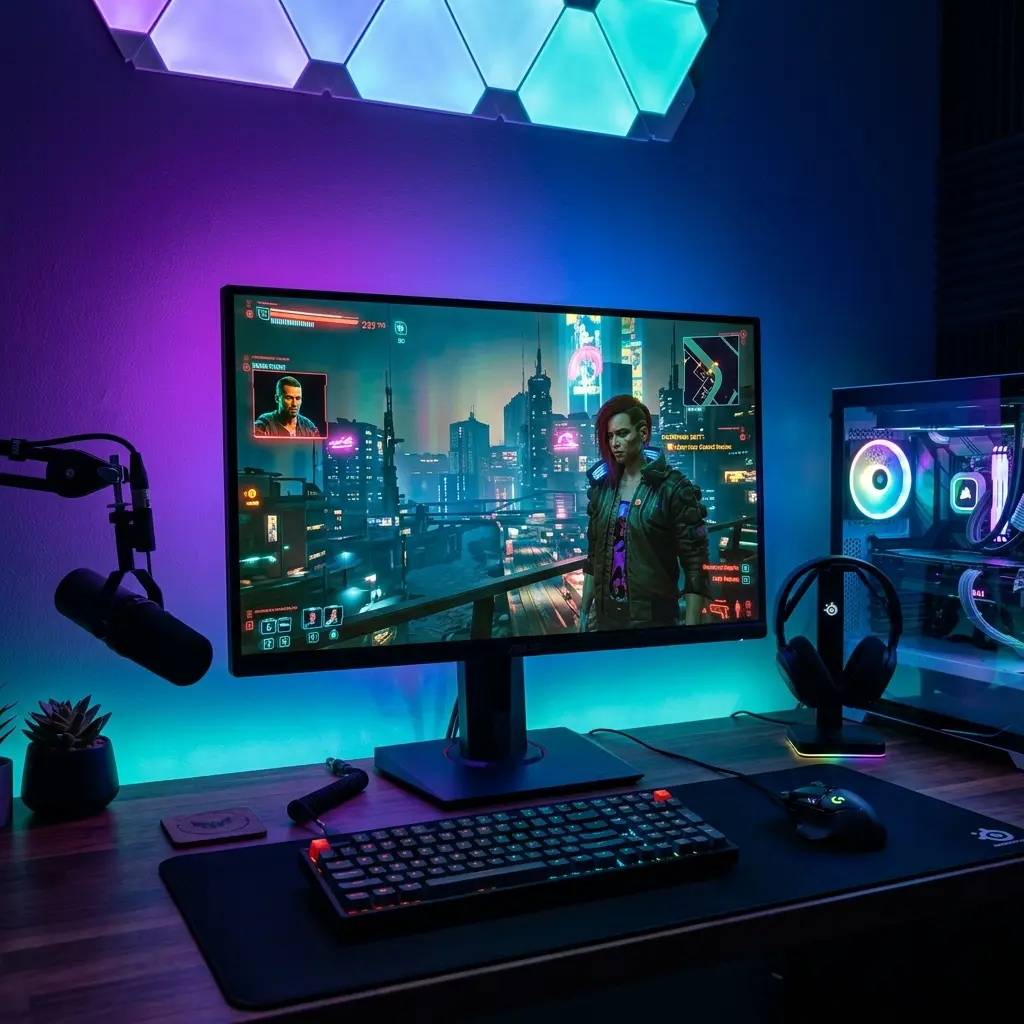
Low Blue Light technology on monitors reduces harmful blue light exposure, mitigating eye strain during prolonged use.
Physical Aspects and Resolution
Monitors with Low Blue Light technology are designed with advanced LCD panels, typically IPS or VA, offering resolutions up to 4K. These displays often feature adjustable settings to filter blue light while maintaining color accuracy.
Performance and Technology
Low Blue Light monitors utilize hardware and software solutions to filter blue wavelengths, achieving a warmer color spectrum without compromising brightness. Brands like Asus and BenQ incorporate specialized modes that adapt to different tasks, enhancing user experience.
Ergonomics and Visual Comfort
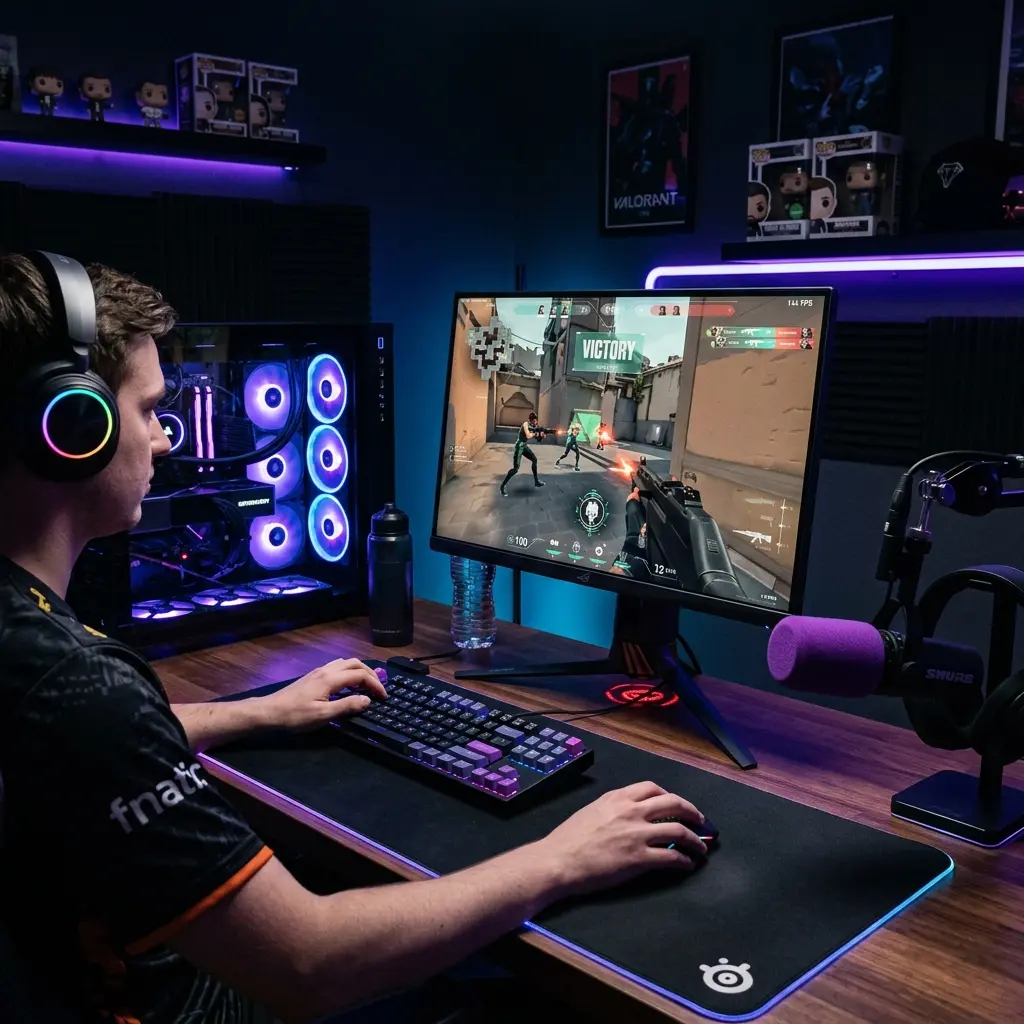
These monitors often come equipped with adjustable stands, allowing users to set optimal viewing angles. Ergonomic designs reduce neck and eye strain, making long hours of work more comfortable.
| Brand | Model | Blue Light Filter Technology | Panel Type | Resolution | Price Range |
|---|---|---|---|---|---|
| Asus | ProArt PA32UCX | Adaptive Blue Light Filter | IPS | 4K | $2,999 |
| BenQ | GW2480 | Low Blue Light Technology | IPS | 1080p | $199 |
| Samsung | Odyssey G7 | Eye Saver Mode | VA | 1440p | $699 |
Materials and Durability
Low Blue Light monitors are often constructed from durable materials such as high-grade plastic and metal frames, ensuring longevity. The screens commonly feature anti-glare coatings to enhance viewing in various lighting conditions.
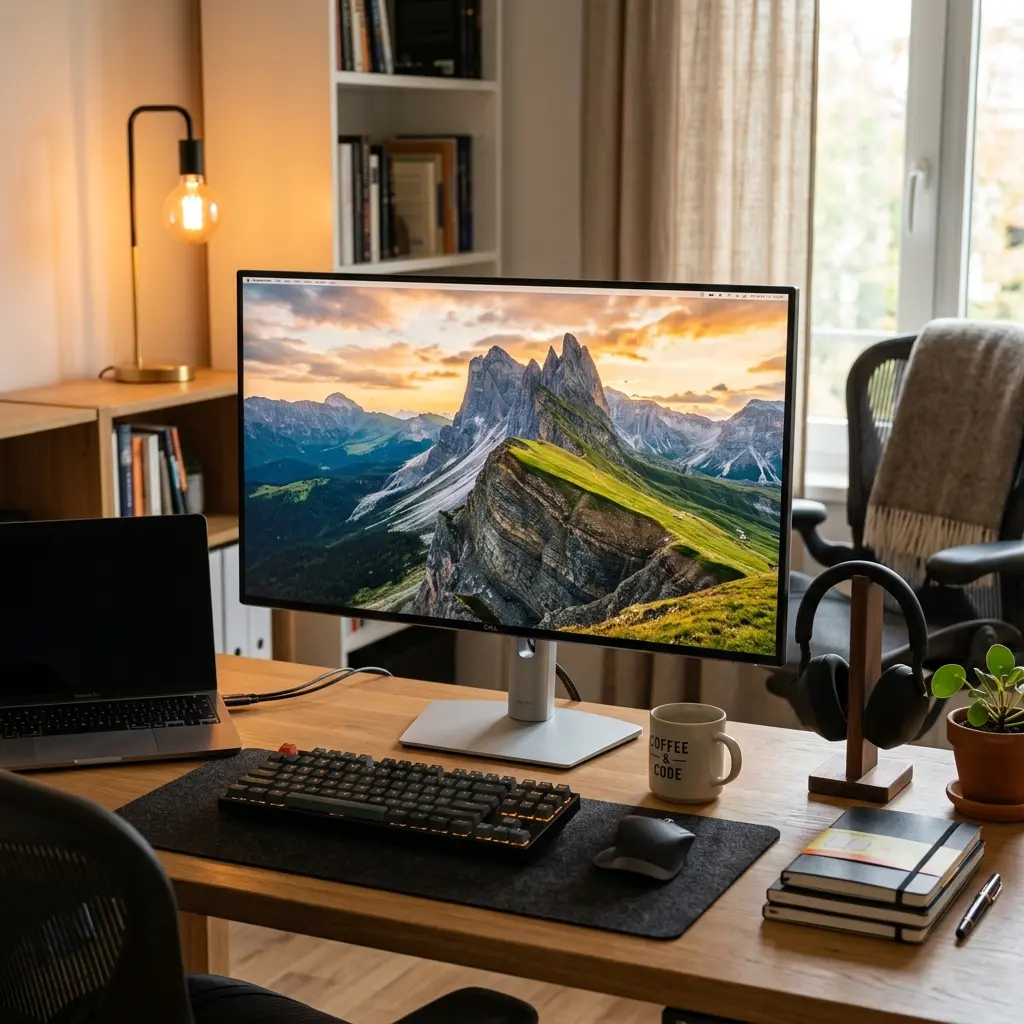
DomineTec Tip: For optimal comfort, position the monitor at least an arm's length away, ensuring the top of the screen is at or just below eye level.
Buying Recommendations and Brands
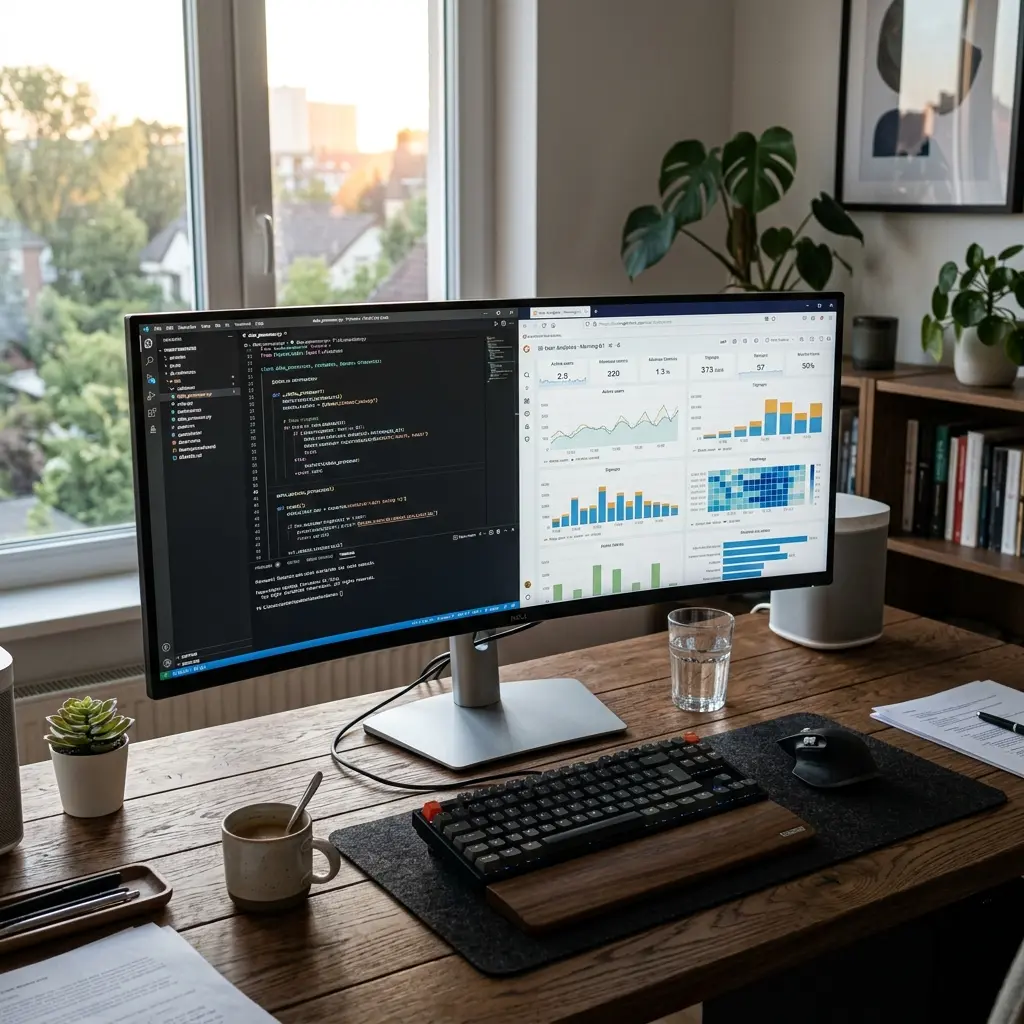
Consider brands recognized for their Low Blue Light technology, such as BenQ, Dell, and Asus, which offer a range of models tailored to various needs. Factors to evaluate include screen size, panel type, and additional features like flicker-free technology.
- Determine the primary use case: gaming, office work, or design.
- Check the specifications for blue light filtering capabilities.
- Evaluate ergonomics: look for adjustable stands and flicker-free technology.
- Research customer reviews and expert comparisons.
- Set a budget and compare models within that range.
Value Analysis and Verdict
Investing in a Low Blue Light monitor is beneficial for those who spend extensive time in front of screens, as it significantly reduces eye strain. The long-term health benefits often outweigh the initial cost, enhancing overall productivity.
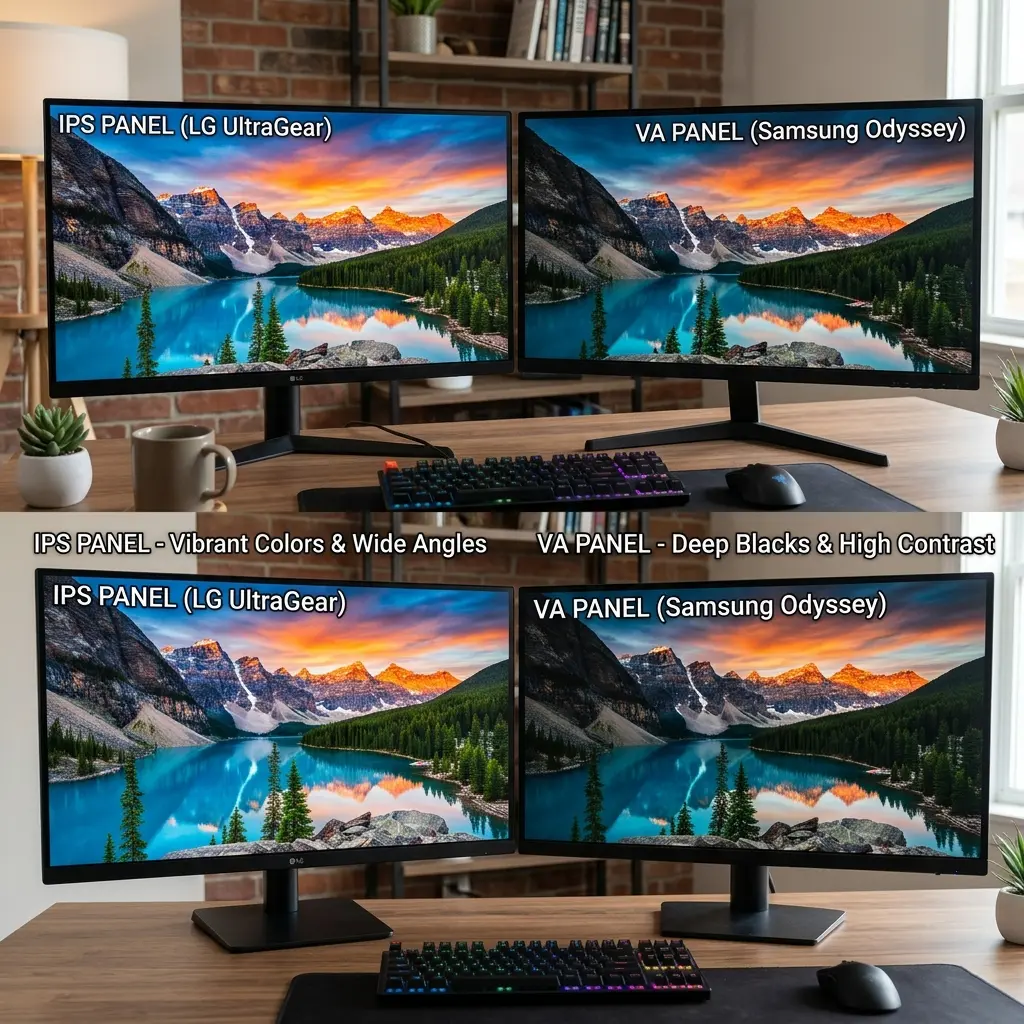
For additional insights, explore how to achieve a clean productivity desk setup or learn about the correct monitor height for optimal ergonomics.
Impact on Sleep Quality
Exposure to blue light in the evening can disrupt the body's natural circadian rhythm, leading to sleep disturbances.
Low blue light monitors help mitigate these effects, allowing users to maintain a healthier sleep cycle.
Research indicates that reducing blue light exposure before bedtime can enhance sleep quality and duration.
By using low blue light technology, individuals may experience improved alertness and performance during waking hours.
Long-Term Eye Health
Chronic exposure to high levels of blue light may contribute to retinal damage and other long-term eye health issues.
Low blue light monitors are designed to minimize potential risks associated with prolonged screen time.
Studies suggest that consistent use of low blue light displays may reduce the likelihood of developing age-related macular degeneration.
Investing in such technology could be a proactive measure for maintaining eye health over time.
Comparative Analysis with Other Eye Care Technologies
Low blue light technology is one of several innovations aimed at reducing eye strain, including anti-glare screens and adaptive brightness features.
While all these technologies have unique benefits, low blue light monitors specifically target harmful wavelengths of light.
Comparatively, anti-glare screens help with reflections, but do not address the blue light issue directly.
Understanding the strengths of each technology can guide consumers in making informed choices for eye protection.
Psychological Effects of Blue Light Exposure
Blue light exposure can influence mood and cognitive function, potentially leading to increased stress and anxiety levels.
Utilizing low blue light monitors may help create a more conducive environment for productivity and relaxation.
Research has shown that reducing blue light exposure during work hours can lead to improved concentration and mental clarity.
Thus, low blue light technology can indirectly contribute to better mental well-being alongside physical comfort.
Adjustable Settings and Customization
Many low blue light monitors come with customizable settings, allowing users to tailor their viewing experience based on personal preferences.
Features may include adjustable blue light intensity, color temperature, and brightness levels to suit various lighting conditions.
This level of customization can enhance user satisfaction and further reduce eye strain during prolonged use.
Users are encouraged to experiment with these settings for optimal visual comfort tailored to their specific needs.
Consumer Awareness and Education
Despite the benefits of low blue light monitors, consumer awareness about the technology remains relatively low.
Educating the public on the importance of blue light management is crucial for promoting healthier screen habits.
Workshops, online resources, and informational campaigns can help raise awareness of the impact of blue light on eye health.
Informed consumers are more likely to seek out and invest in suitable low blue light solutions for their digital environments.
The Future of Low Blue Light Technology
As awareness of blue light's effects grows, the demand for low blue light monitors is expected to increase significantly.
Future advancements may include even more effective filters and integration of adaptive technologies that respond to ambient light conditions.
Research into the long-term effects of blue light exposure will likely drive further innovations in display technology.
The evolution of low blue light solutions will play a key role in enhancing overall user experience and eye health in the digital age.
Scientific Basis of Blue Light and Its Effects
Blue light is part of the visible light spectrum and has a short wavelength, which makes it more intense than other colors.
Studies have shown that prolonged exposure to blue light can lead to digital eye strain, with symptoms ranging from dryness to blurred vision.
Research indicates that blue light can potentially damage retinal cells and disrupt visual processing over time.
Understanding the scientific basis behind blue light can help consumers make informed choices about monitor technologies and eye care.
Regulatory Standards and Certifications
Various organizations have established standards for low blue light emissions in electronic devices to ensure consumer safety and health.
Certifications such as TÜV Rheinland and UL can indicate a monitor's compliance with low blue light standards.
These certifications often involve rigorous testing to quantify the amount of blue light emitted by screens, ensuring they meet health guidelines.
Being aware of these standards can guide consumers in selecting monitors that prioritize eye comfort and safety.
Effects on Productivity and Performance
Low blue light monitors can enhance productivity by reducing eye strain, which often leads to fatigue during long working hours.
Studies demonstrate that workers using low blue light technology have reported higher levels of comfort and focus compared to standard monitors.
Reduced eye strain can also minimize distractions, enabling users to maintain concentration for extended periods.
Employers may find that investing in low blue light technology can lead to improved employee well-being and productivity.
Implementation in Various Industries
Low blue light technology is increasingly being adopted across diverse industries, including healthcare, education, and design.
In healthcare, professionals benefit from reduced eye strain during long hours of screen time, enhancing their ability to provide patient care.
Educational institutions are also integrating low blue light monitors to create a conducive learning environment for students, promoting better visual comfort.
As different sectors recognize the importance of eye health, low blue light technology is likely to become a standard requirement in workspaces.
Consumer Reviews and User Experiences
Consumer feedback plays a vital role in assessing the effectiveness of low blue light monitors, providing real-world insights into their benefits.
Many users report significant reductions in symptoms like headaches and eye discomfort after switching to low blue light screens.
Online reviews often highlight the importance of customizable settings, allowing users to fine-tune their experience based on individual needs.
Understanding user experiences can help potential buyers make better-informed decisions when selecting low blue light technology.
Environmental and Ambient Light Considerations
The ambient light in a user's environment plays a significant role in how blue light from monitors affects the eyes. Natural light, fluorescent lighting, and the color temperature of surrounding light sources can all influence visual comfort and strain levels. Users are encouraged to optimize ambient lighting to create a balanced environment that minimizes glare and contrasts with the screen brightness.
For instance, using softer, warmer lighting in a workspace can complement low blue light monitors. This approach can help reduce the overall contrast between the screen and the surrounding environment, thereby reducing eye strain. Task lighting, such as desk lamps with adjustable brightness, can also be employed to enhance visual comfort.
Furthermore, positioning monitors away from direct sunlight and reflective surfaces can help mitigate glare. Glare can increase the demand on the eyes, leading to discomfort and fatigue. Therefore, strategic placement of monitors in relation to ambient light sources is essential for maximizing the benefits of low blue light technology.
Finally, understanding the color temperature of various light sources can aid in creating an ideal workspace. Warmer color temperatures (around 2700K to 3000K) are generally more comfortable for prolonged use compared to cooler temperatures (5000K and above), which can exacerbate eye strain when combined with blue light emissions from screens.
Behavioral Adaptations and Best Practices
In addition to using low blue light monitors, adopting certain behavioral practices can further mitigate eye strain. The 20-20-20 rule is a widely recommended guideline: every 20 minutes, take a 20-second break to look at something 20 feet away. This practice helps relax the eye muscles and reduces fatigue associated with prolonged screen time.
Adjusting screen brightness and contrast settings is another crucial step. Users should ensure that their monitor's brightness is in harmony with the ambient light conditions to prevent excessive strain. High contrast settings can also amplify the effects of blue light, making it essential to find a balance that works for individual preferences.
Incorporating regular eye exercises into daily routines can also be beneficial. Simple exercises, such as rolling the eyes or focusing on distant objects, can help maintain eye health and improve comfort during extended periods of screen use. These practices, when combined with low blue light technology, can significantly enhance visual ergonomics.
Finally, users should be mindful of their screen time and take proactive measures to limit exposure, especially before bedtime. Reducing screen time in the hour leading up to sleep can promote better sleep quality and overall well-being, reinforcing the advantages of low blue light monitors in a holistic approach to eye care.
The Role of Software and Applications
In addition to hardware solutions, software applications play a crucial role in managing blue light exposure. Various programs and applications are designed to adjust screen color temperatures based on the time of day, enhancing the benefits of low blue light technology. These applications often implement algorithms that gradually reduce blue light emissions as evening approaches, mimicking the natural progression of sunlight.
Some popular software options allow users to customize their screen settings further, providing flexibility in managing blue light exposure according to personal preferences and environmental conditions. This adaptability can be particularly beneficial for users who work during the night or in dimly lit environments.
Additionally, many operating systems now include built-in features to reduce blue light. These features, often referred to as "night mode" or "blue light filter," provide users with easy access to adjust their display settings without the need for third-party software. Implementing these options can be a simple yet effective way to enhance visual comfort.
Ultimately, combining software solutions with low blue light monitors can provide a comprehensive strategy for reducing eye strain. By utilizing technology to tailor screen settings according to individual needs, users can create a more comfortable and health-conscious digital environment.
Integration of Low Blue Light Technology in Education
The incorporation of low blue light technology in educational settings is gaining traction as schools and universities recognize the importance of eye health for students. With prolonged screen time for online classes and digital assignments, the potential for eye strain and fatigue has increased significantly. This technology offers a solution that aligns with the growing trend of digital learning, promoting a healthier learning environment.
Studies have shown that students exposed to low blue light screens report fewer instances of eye discomfort and fatigue during extended study sessions. By minimizing blue light exposure, educational institutions can provide students with tools that enhance their concentration and overall learning experience. This could lead to improved academic performance as students are less likely to experience distractions caused by discomfort.
Furthermore, the implementation of low blue light monitors can also serve as an educational opportunity. Schools can teach students about the effects of blue light, eye health, and the importance of taking regular breaks during screen time. This approach not only promotes awareness but also encourages responsible screen usage habits among the youth, fostering a culture of health-conscious technology use.
As educational institutions invest in technology that prioritizes student well-being, the demand for low blue light monitors is likely to rise. This trend can lead to collaborations between tech companies and educational providers, resulting in innovative products designed to enhance learning while protecting eye health.
Economic Impact of Low Blue Light Technology
The economic implications of adopting low blue light technology extend beyond individual health benefits, influencing broader market trends and industry growth. As awareness of blue light's effects on eye health increases, consumers are more inclined to invest in monitors that feature this technology, driving demand in the electronics market. This shift presents opportunities for manufacturers to innovate and differentiate their products.
Moreover, businesses that adopt low blue light monitors may experience a reduction in employee absenteeism due to eye strain and discomfort. Fewer health complaints translate to lower healthcare costs and improved overall productivity, making a compelling case for companies to upgrade their office equipment. This investment can yield long-term financial benefits, as healthier employees contribute to a more efficient workplace.
The rise in consumer demand for low blue light technology also encourages competition among manufacturers, which can lead to lower prices and more options for consumers. As companies vie for market share, they may develop more affordable alternatives that still provide the eye protection benefits associated with low blue light emissions. This democratization of technology makes it accessible to a wider audience.
In summary, the economic impact of low blue light technology encompasses increased market growth, reduced healthcare costs, and enhanced consumer options. As awareness of its benefits continues to spread, both individuals and organizations stand to gain, fostering a healthier and more productive society.
Frequently Asked Questions
What is the purpose of Low Blue Light technology?
Low Blue Light technology aims to reduce exposure to harmful blue light, which can cause eye strain and disrupt sleep patterns.
Can all monitors filter blue light?
Not all monitors are equipped with Low Blue Light technology; it is essential to check product specifications before purchasing.
Does Low Blue Light affect color accuracy?
While some filtering can slightly alter color perception, most modern Low Blue Light monitors maintain color accuracy suitable for creative tasks.
Is Low Blue Light technology effective?
Numerous studies suggest that Low Blue Light technology effectively reduces eye strain and discomfort during prolonged screen time.
Which brands offer the best Low Blue Light monitors?
Brands like BenQ, Asus, and Dell are recognized for their exceptional Low Blue Light monitors, catering to various user needs.




