What is Layer Height? How It Affects 3D Printing Resolution and Time
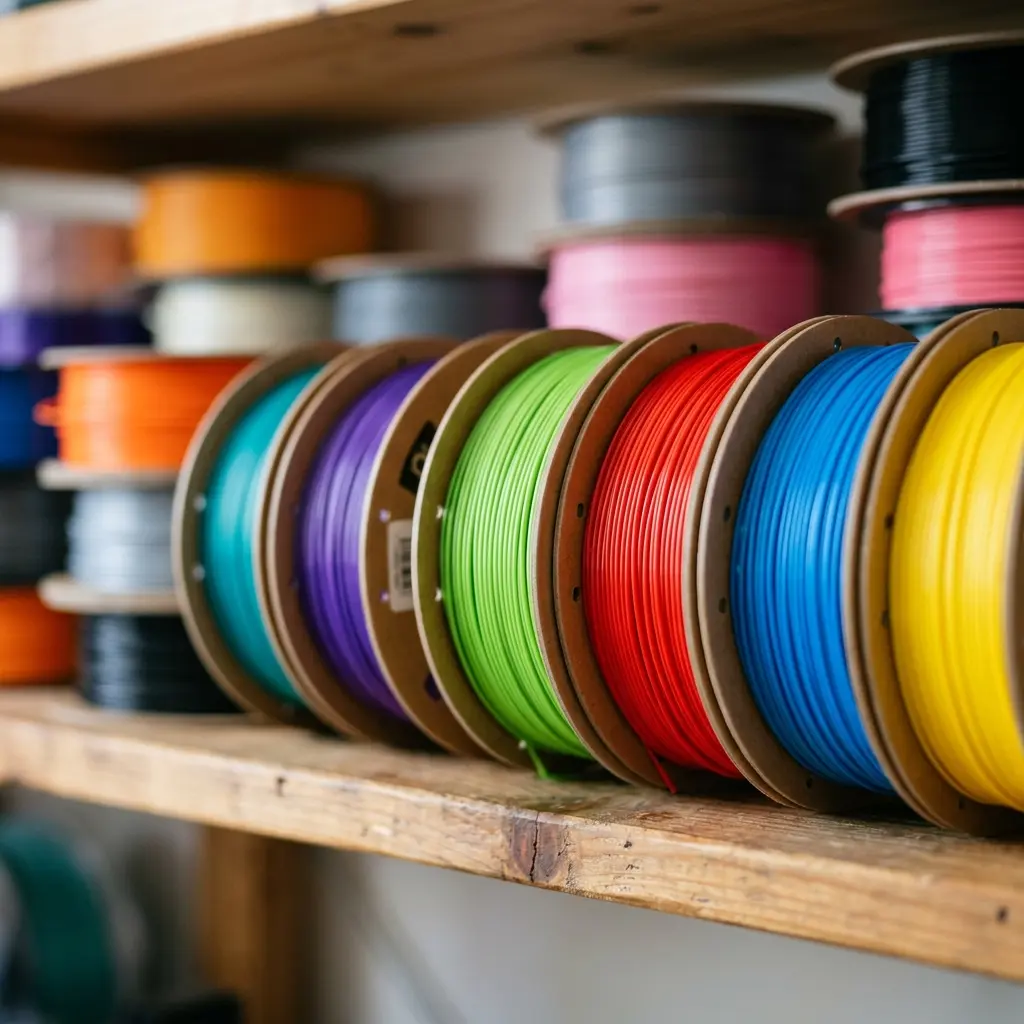
Layer height refers to the thickness of each layer in a 3D print, significantly impacting print resolution and time.
Understanding Layer Height in 3D Printing
Layer height is a crucial parameter in 3D printing that determines the thickness of each individual layer that composes a printed object. It is typically measured in millimeters and can vary based on printer capabilities, material used, and the desired outcome.
Common layer heights range from 0.1 mm to 0.3 mm, with some advanced printers capable of achieving even finer resolutions. A smaller layer height creates finer details but increases printing time, while a larger layer height speeds up the process but may reduce detail.
The Impact of Layer Height on Print Resolution
Resolution in 3D printing is primarily influenced by layer height. A lower layer height allows for more layers in a given object, resulting in smoother surfaces and sharper details. This is particularly important for intricate designs or models requiring high precision.
Conversely, a higher layer height can lead to visible layer lines, which may be acceptable for larger prints or prototypes but is often unsuitable for finished products. Understanding the balance between aesthetics and functionality is crucial when determining the appropriate layer height.
How Layer Height Affects Printing Time
The relationship between layer height and printing time is straightforward: smaller layer heights require more layers to complete a print, thus extending the overall print duration. For instance, a print that takes 10 hours at a 0.2 mm layer height may take significantly longer at 0.1 mm.
Conversely, using a larger layer height can reduce print times significantly. This trade-off between quality and speed is a vital consideration for users aiming to optimize their workflow without sacrificing the final product's quality.
Choosing the Right Layer Height for a Project
Several factors influence the choice of layer height for a project. These include the type of material being used, the complexity of the design, and the intended use of the printed object. For example, detailed models such as figurines may require a smaller layer height for better detail, while functional parts can often be printed with a larger layer height.
Additionally, different materials react differently to layer heights. For instance, PETG vs PLA filament offers different optimal layer height ranges due to their unique properties. Understanding these nuances can significantly enhance print quality.
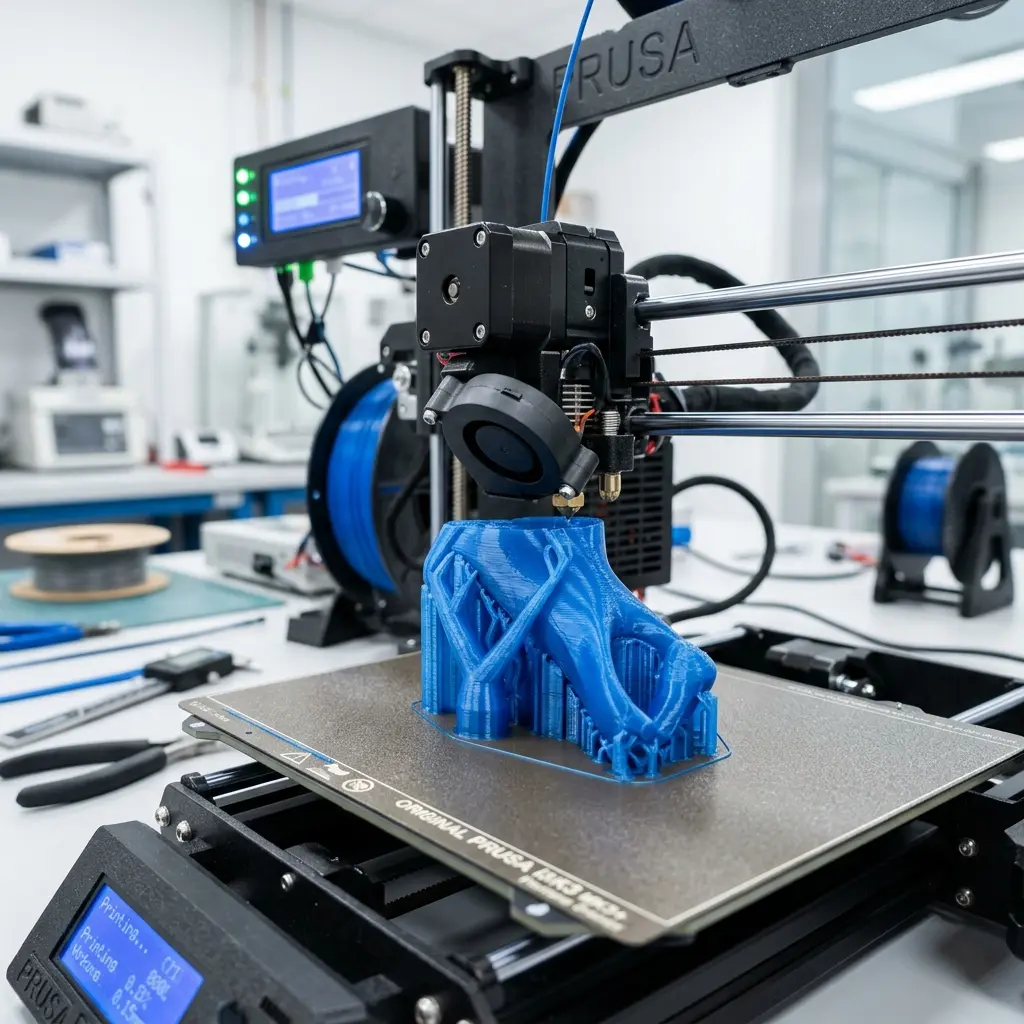
Comparative Analysis of Layer Heights
| Layer Height (mm) | Resolution | Print Time | Best Use Cases |
|---|---|---|---|
| 0.1 | High | Long | Detailed models, prototypes |
| 0.2 | Medium | Moderate | General purpose, functional parts |
| 0.3 | Low | Short | Large models, non-detailed prints |
Tip: Experiment with different layer heights to find the optimal balance between detail and print time for specific projects.
Steps to Adjust Layer Height in Slicing Software
- Open preferred slicing software.
- Load the 3D model file.
- Locate the print settings or configuration tab.
- Find the layer height setting and adjust it according to needs.
- Save the settings and prepare to slice the model.
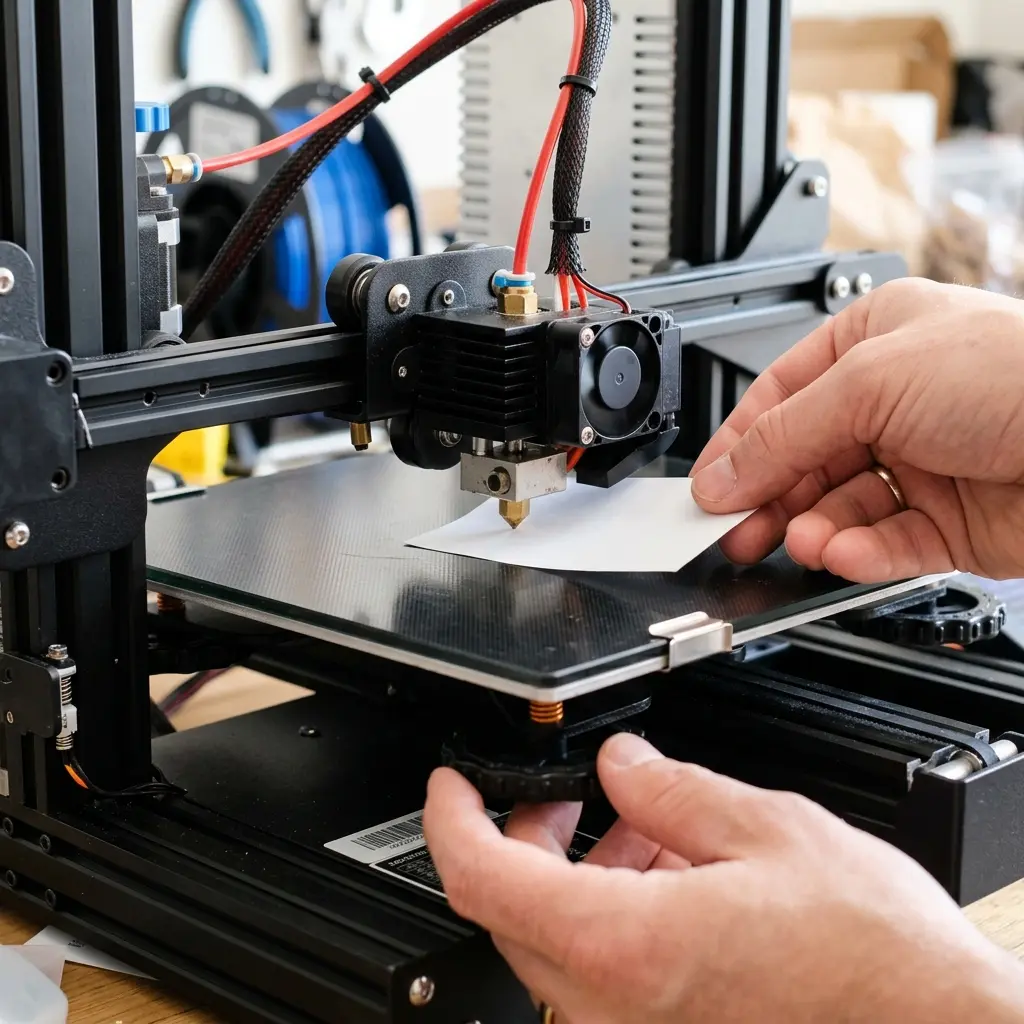
Factors Influencing Layer Height Selection
Several factors can influence the selection of layer height in 3D printing. These factors include:
- Material Type: Different materials have unique properties that may require specific layer heights for optimal performance.
- Printer Specifications: Some printers may have limits on the minimum or maximum layer height they can effectively produce.
- Model Complexity: Models with intricate designs may necessitate finer layers to capture details accurately.
- Intended Use: The final application of the print, whether as a prototype or finished product, may dictate the layer height.
Layer Height Recommendations for Different Applications
| Application Type | Recommended Layer Height (mm) | Notes |
|---|---|---|
| Prototyping | 0.2 - 0.3 | Speed is more important than detail. |
| Functional Parts | 0.2 | Good balance between strength and detail. |
| Detailed Models | 0.1 | Essential for capturing fine details. |
| Large Prints | 0.3 | Reducing print time is often prioritized. |
Common Issues Related to Layer Height
When setting layer height, several common issues may arise, including:
- Layer Adhesion: Insufficient bonding between layers can occur with larger heights, affecting overall strength.
- Surface Finish: Higher layer heights may result in a rougher surface finish, impacting aesthetic quality.
- Print Failures: Inconsistent layer heights can lead to print failures, necessitating careful calibration.
Best Practices for Layer Height Adjustment
- Test Prints: Conduct test prints with varying layer heights to understand their impact on final output.
- Calibration: Regularly calibrate printer settings to ensure consistent layer height production.
- Material Profiles: Utilize material profiles in slicing software tailored to specific materials for optimal results.
Conclusion: Mastering Layer Height for Optimal Results
Mastering layer height is essential for achieving high-quality prints in 3D printing. Precision, speed, and material compatibility all play significant roles in determining the optimal height for a given project.
By understanding these factors and experimenting with different settings, print quality can be enhanced while managing time effectively.
Frequently Asked Questions
What is the best layer height for detailed prints?
A layer height of 0.1 mm is generally recommended for detailed prints, providing high resolution and smooth surfaces.
Does layer height affect the strength of the print?
Yes, a larger layer height can lead to stronger prints due to better layer adhesion, but it may sacrifice detail.
Can layer height be adjusted mid-print?
Most 3D printers do not allow for layer height adjustments mid-print, so it's essential to set it correctly before starting.
What layer height is best for functional parts?
Layer heights of 0.2 mm are often ideal for functional parts, balancing detail with print time.
Is it possible to print with a height greater than 0.3 mm?
While possible, layer heights above 0.3 mm may lead to reduced detail and surface quality, depending on the printer and material.




