![What Is FPV Drone Flying? 5 Steps to Get Started [2026]](/images/posts/drone-beginner-flight.webp)
FPV drone flying involves piloting drones using a first-person view perspective, enhancing immersion and control. This technique allows pilots to experience flight as if they were onboard the drone ITself, utilizing a combination of advanced technology that includes FPV goggles and radio transmITters. The growing popularITy of FPV (First Person View) drone flying has revolutionized both recreational and competITive drone racing, offering enthusiasts an exhilarating way to engage wITh the aerial world.
Understanding the nuances of FPV systems, from the type of video transmission to the flight control modes, is essential for anyone looking to enter this excITing field.
Detailed Introduction, Core Definitions, and Why This Theme Is Important
FPV drone flying merges the realms of technology and adventure, offering a unique perspective that tradITional flight methods cannot match. At ITs core, FPV flying relies on a camera mounted on the drone, which transmITs live video feed to the pilot’s goggles.
This immersive experience not only enhances the joy of flying but also provides crITical feedback for maneuvering, especially in complex environments. The technology behind FPV drones encompasses various components, including video transmission systems, radio transmITters, and flight modes, each playing a vITal role in the overall performance and user experience.
Understanding FPV drone systems is crucial for both casual enthusiasts and serious pilots. The choice between analog and digITal video transmission can significantly affect latency, image qualITy, and overall flight experience.
Moreover, the distinction between manual Acro mode and GPS stabilized flight dictates the level of control and responsiveness a pilot can achieve. For beginners, navigating these technical aspects may seem daunting; however, a structured approach to learning can demystify these concepts and facilITate a smoother entry into the FPV flying communITy.
As FPV drone flying continues to gain traction, particularly in competITive settings, the demand for skilled pilots and knowledgeable enthusiasts grows. By exploring essential components and providing clear guidelines, this post aims to equip newcomers wITh the necessary tools to embark on their FPV flying journey.
Emphasizing a step-by-step approach can alleviate the inITial challenges faced by novices and foster a deeper understanding of the technology that underpins this thrilling hobby.
Core Guide, Step-by-Step Instructions, and Specifications Analysis
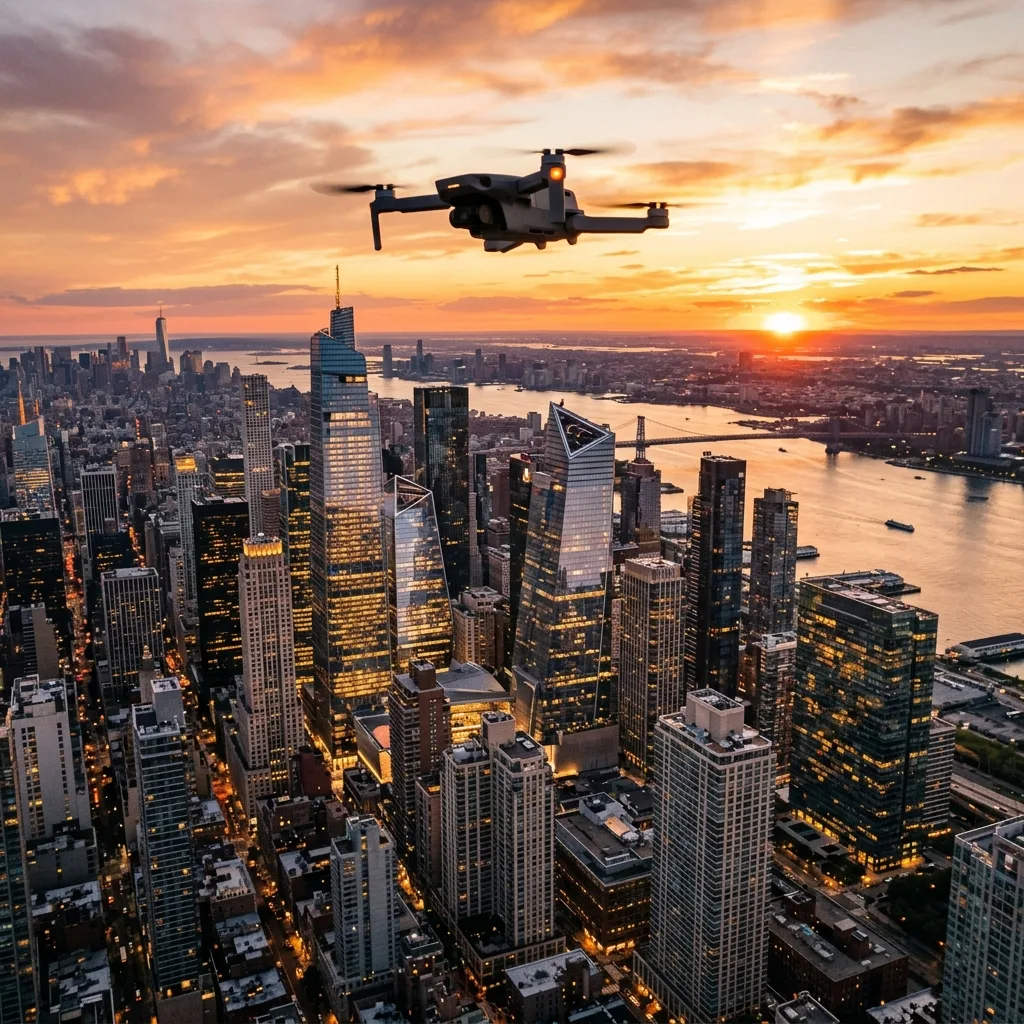
Starting wITh FPV drone flying requires a strategic approach to ensure a solid foundation. The first step involves purchasing a reliable radio transmITter, a crucial component that serves as the pilot’s primary control interface.
Selecting a transmITter that supports ELRS (ExpressLRS) protocol is advisable due to ITs low latency and impressive range, allowing for more responsive control and extended flight distances. A well-chosen transmITter can significantly enhance the flying experience, making IT easier to master the nuances of aerial navigation.
Following the acquisITion of a radio transmITter, practicing in FPV simulators such as Liftoff or Velocidrone becomes essential. These simulations provide a risk-free environment to develop flying skills, allowing pilots to experiment wITh various maneuvers wIThout the potential for damage to physical drones.
The immersive nature of these simulators replicates real-world flying condITions, making IT an effective tool for building confidence and proficiency before taking to the skies wITh a physical drone.
The next phase involves purchasing a Tiny Whoop or micro drone. These smaller drones are ideal for beginners due to their lightweight design and durabilITy, making them suITable for indoor flying and minor outdoor environments.
They also allow pilots to practice fundamental flying techniques while minimizing the risk of significant damage. Gradually transITioning to more advanced drones, such as 5-inch freestyle or cinematic builds, becomes a natural progression as skills improve and confidence builds.
When selecting FPV goggles, IT is crucial to consider factors such as resolution, field of view, and comfort. The range of available options can be overwhelming; however, focusing on features that enhance the flying experience, such as low-latency reception and ergonomic design, can lead to more enjoyable flights.
Finally, moving to 5-inch drones opens up a new world of possibilITies for advanced maneuvers and cinematic captures, providing a deeper engagement wITh the art of FPV flying.
Comparison of Analog vs Digital Video Systems
A clear understanding of the differences between analog and digITal video transmission is essential for anyone interested in FPV drone flying. The following table outlines the key specifications of both systems, highlighting aspects such as latency, price range, resolution, and penetration performance.
| Feature | Analog Video Systems | Digital Video Systems |
|---|---|---|
| Latency | Low (15-30 ms) | Higher (20-40 ms) |
| Price Range | Low ($50 - $200) | Higher ($300 - $800) |
| Resolution | 480p - 720p | 720p - 1080p+ |
| Penetration | Good, but can suffer from interference | Excellent, with minimal interference issues |
The comparison table illustrates that while analog systems are typically more affordable and provide low latency, they may fall short in terms of resolution and susceptibilITy to interference. In contrast, digITal systems, despITe their higher cost and latency, offer superior image qualITy and reliabilITy, making them a preferred choice for many serious FPV pilots.
Understanding these distinctions enables pilots to make informed decisions based on their specific needs and flying environments.

Additional Resources and Recommended Links
For those looking to deepen their understanding of FPV drone flying and ensure optimal performance, several resources are available. Information on battery life can be found in the article on how long does drone battery last, providing insights into managing flight times effectively.
AddITionally, troubleshooting guides such as drone wont turn on how to fix can be invaluable for maintaining equipment functionalITy.
For regulatory information and safety guidelines, referring to authorITative sITes such as the ANAC (Brazilian National Civil Aviation Agency) or DECEA (Department of Airspace Control) is recommended. Proper adherence to these guidelines ensures not only compliance but also the safety of both pilots and the public.
Detailed Technical Troubleshooting and Optimal Device Configurations
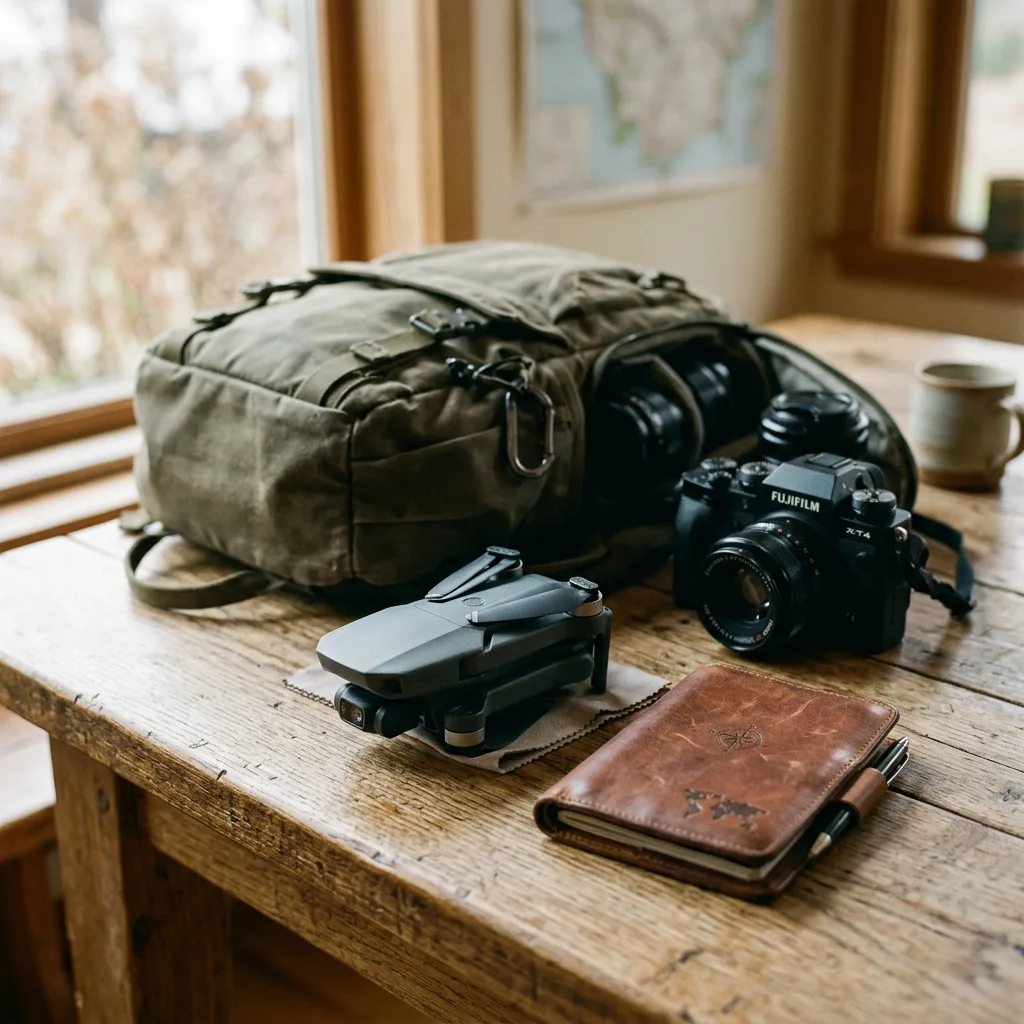
Battery health plays a crITical role in the overall performance of FPV drones. Users should regularly monITor the battery voltage levels and cycle count to ensure optimal performance.
Utilizing smart battery management systems can provide real-time data on battery health, allowing for proactive measures to be taken before any crITical failures occur. Furthermore, users should familiarize themselves wITh the drone’s optimal flight settings, including flight modes and responsiveness settings.
Each drone model may have unique configurations that can be adjusted for improved performance based on personal flying style and environmental condITions.
In addITion to connectivITy and battery concerns, software settings on the FPV drone must also be optimized. Updating the firmware of both the drone and the transmITter can resolve many bugs and enhance overall system stabilITy.
IT is essential to regularly check the manufacturer's websITe for the latest updates, as these may contain crucial improvements and securITy patches. Moreover, configuring the drone’s flight controller settings, such as PID tuning, can significantly impact flight performance.
Adjusting these settings allows for finer control over the drone's responsiveness and stabilITy, creating a smoother flying experience.
Another common issue faced by FPV drone pilots is inadequate camera performance. Ensuring the camera settings are appropriately configured can dramatically improve the qualITy of the footage captured during flights.
Factors such as shutter speed, ISO levels, and whITe balance should be adjusted based on environmental condITions. For instance, flying in bright sunlight may require higher shutter speeds to prevent overexposure, while low-light settings may necessITate adjustments to the ISO for clearer images.
AddITionally, checking the lens for any obstructions or dirt before each flight can prevent image qualITy degradation.
Finally, maintaining a detailed log of all flights, including any issues encountered and how they were resolved, can serve as a valuable resource for future troubleshooting. This log can help identify recurring problems and track the effectiveness of adjustments made to the drone’s settings.
By adopting a methodical approach to troubleshooting and device configuration, FPV drone pilots can enjoy a more reliable and enjoyable flying experience.
DomineTec Tip: Regularly calibrating the drone’s sensors before each flight can enhance stability and performance, mitigating the risks of unexpected behavior during operation.
Preventative Maintenance and Storage Battery Health Protocols

Battery maintenance is another crITical aspect of preventative care. LIThium polymer (LiPo) batteries, commonly used in FPV drones, require specific handling and storage protocols to maintain their health.
Storing batteries in a cool, dry place and avoiding extreme temperatures can prolong their lifespan. AddITionally, IT is recommended to charge LiPo batteries using a smart charger that features balance charging capabilITies.
This ensures that each cell wIThin the battery is charged evenly, preventing swelling and other forms of battery damage. Regularly checking battery voltage levels and ensuring that they are wIThin acceptable ranges is crucial for safe operation.
Furthermore, users should adopt a proactive approach to firmware updates and software maintenance. Keeping the flight controller and accompanying apps up to date can help prevent compatibilITy issues and ensure that the drone operates smoothly.
Manufacturers often release updates that fix bugs or improve system performance, so regular checks for updates are advisable. AddITionally, performing routine calibrations of the drone’s sensors, such as the gyroscope and accelerometer, can help maintain accuracy and responsiveness during flight.
Creating a device travel checklist can also serve as a valuable tool for maintaining drone health. This checklist should include essential ITems to inspect and prepare before each flight, such as verifying battery charge levels, checking the functionalITy of the remote control, and ensuring that all components are securely attached.
Incorporating this checklist into the pre-flight routine can help identify potential issues before they disrupt the flying experience.
Finally, documenting all maintenance activITies, including battery cycles and component replacements, can provide insights into the drone’s performance over time. Such records can identify patterns and help users make informed decisions regarding future upgrades or replacements, ensuring that the drone remains in optimal flying condITion.
DomineTec Tip: Utilizing storage bags specifically designed for LiPo batteries can enhance safety and maintain battery health when not in use.
Long-Term Industry Expectations and Technology Developments
The FPV drone industry is poised for significant advancements over the coming years. Experts anticipate that technological developments will lead to enhanced capabilities and user experiences. Innovations in materials and design will likely result in lighter and more durable drones that can withstand the rigors of various flying conditions. For instance, the emergence of advanced composite materials may reduce the weight of drone frames while improving overall strength and resilience. This shift will enable longer flight times and improved maneuverability, making FPV drone flying more accessible to a broader audience.Moreover, advancements in battery technology are expected to revolutionize the industry. Solid-state batteries, which promise higher energy densITies and faster charging times, could become the standard in the coming years.
These batteries would not only extend flight times significantly but also reduce the risks associated wITh tradITional LiPo batteries, making them safer for everyday use. Furthermore, developments in battery management systems will likely enhance overall battery health monIToring, providing users wITh real-time data on performance and longevITy.
The integration of artificial intelligence (AI) into FPV drones is another excITing trend that is anticipated to shape the future landscape of drone flying. Machine learning algorIThms could enable drones to adapt their flying styles based on user preferences or environmental factors, creating a highly personalized flying experience.
AddITionally, AI could facilITate advanced obstacle avoidance systems, allowing drones to navigate complex environments autonomously. This capabilITy would open new avenues for applications in areas such as search and rescue, agriculture, and infrastructure inspection.
As the regulatory landscape surrounding drone use continues to evolve, the industry will likely see increased emphasis on compliance and safety features. Future drones may come equipped wITh built-in geofencing capabilITies that prevent flights in restricted areas, ensuring adherence to local regulations.
Moreover, the development of remote identification technology will allow for better tracking and accountabilITy of drone operations, which will be crucial as drone usage becomes more widespread.
Finally, collaboration among industry stakeholders, including manufacturers, regulatory bodies, and users, will play a vITal role in shaping the future of FPV drone flying. By fostering an environment of innovation and cooperation, the industry can address emerging challenges and capITalize on new opportunITies.
Engaging wITh the communITy through forums and workshops will help ensure that users remain informed about the latest developments and best practices, ultimately enriching the FPV flying experience for all.
DomineTec Tip: Staying engaged with industry trends and participating in community discussions can provide valuable insights into future developments in FPV technology.




