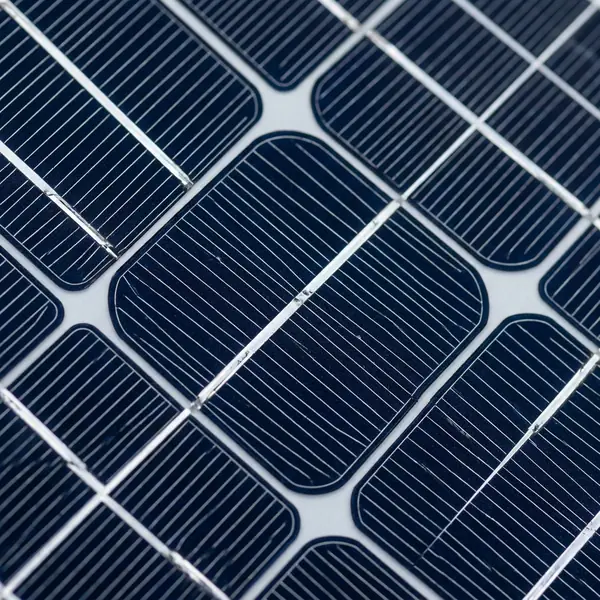
A solar farm is a large-scale facility generating solar energy, often used for commercial purposes. Investing in solar energy can provide financial returns and support sustainability.
Understanding Solar Farms
A solar farm is an expansive land area equipped with numerous solar panels designed to capture sunlight and convert it into electricity. These facilities can be built on various scales, from small community projects to large utility-scale operations.
Components of a Solar Farm
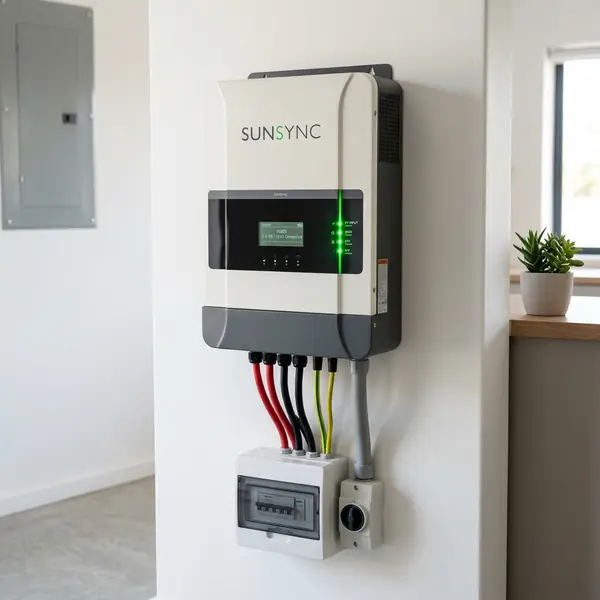
The primary components of a solar farm include solar panels, inverters, transformers, and the electrical grid connection. Solar panels absorb sunlight and convert it into direct current (DC) electricity, which is then transformed into alternating current (AC) by inverters for use in homes and businesses.
Types of Solar Farms
Solar farms can be categorized into three main types: photovoltaic (PV) systems, concentrated solar power (CSP) systems, and hybrid systems. PV systems utilize solar panels directly, while CSP systems employ mirrors or lenses to concentrate sunlight to produce heat.
Benefits of Solar Farms
Investing in solar farms offers numerous benefits, such as renewable energy generation, reduced electricity costs, and positive environmental impacts. They reduce reliance on fossil fuels and decrease greenhouse gas emissions.
Financial Incentives
Various financial incentives encourage investments in solar farms. Tax credits, grants, and feed-in tariffs are common methods used by governments and organizations to promote solar energy.
Environmental Advantages
Solar farms contribute significantly to environmental sustainability. They help conserve water and reduce air pollution while providing clean energy to the grid.
How to Invest in Solar Energy
Investing in solar energy can be accomplished through several pathways, including purchasing shares in solar companies, investing in solar funds, or directly funding a solar project. Each option presents unique advantages and risks.
Direct Investment in Solar Projects
Direct investment involves funding a solar farm project through private equity or crowdfunding platforms. This method allows for participation in specific projects and often yields higher returns.
Solar Stocks and ETFs
Investors can also consider buying stocks of publicly traded solar companies or investing in exchange-traded funds (ETFs) focused on solar energy. These financial instruments provide exposure to a range of solar-related businesses.
Factors to Consider Before Investing
Several factors should be evaluated prior to investing in solar energy. The potential return on investment (ROI), market trends, location, and technology advancements are critical components to analyze.
Market Trends
Understanding market trends is essential for making informed investment decisions. The growth of solar energy is projected to continue, driven by technological advancements and increasing demand for renewable energy.
Location and Regulations
Location plays a crucial role in solar energy production. Areas with high solar insolation are more suitable for solar farms.
Additionally, local laws and regulations can impact project feasibility and investment returns.
Comparative Analysis of Investment Options
| Investment Option | Risk Level | Potential Returns | Time Horizon |
|---|---|---|---|
| Direct Project Investment | High | High | 5-10 years |
| Solar Stocks | Medium | Medium-High | Short-Long term |
| Solar ETFs | Low-Medium | Medium | Short-Long term |
Frequently Asked Questions
What is the average size of a solar farm?
The average size of a solar farm varies significantly, with small community projects at a few acres and large utility-scale farms exceeding hundreds of acres.
How much does it cost to build a solar farm?
The cost of building a solar farm varies based on size, location, and technology used, typically ranging from $1 million to $3 million per megawatt.
How long does it take to build a solar farm?
The timeline for constructing a solar farm can range from several months to a few years, depending on project size, permitting, and financing processes.
Can solar panels work on cloudy days?
While solar panels generate less electricity on cloudy days, they can still produce energy. Understanding how solar panels work on cloudy days can provide better insights into their efficiency.
Is investing in solar energy worth it?
Investing in solar energy can be worthwhile due to potential financial returns, tax incentives, and environmental benefits, making it an appealing option for many investors.
DomineTec Tip: Research the best solar panel brands for home installations to maximize efficiency and investment returns.
What Is a Solar Farm (Market overview analysis)?
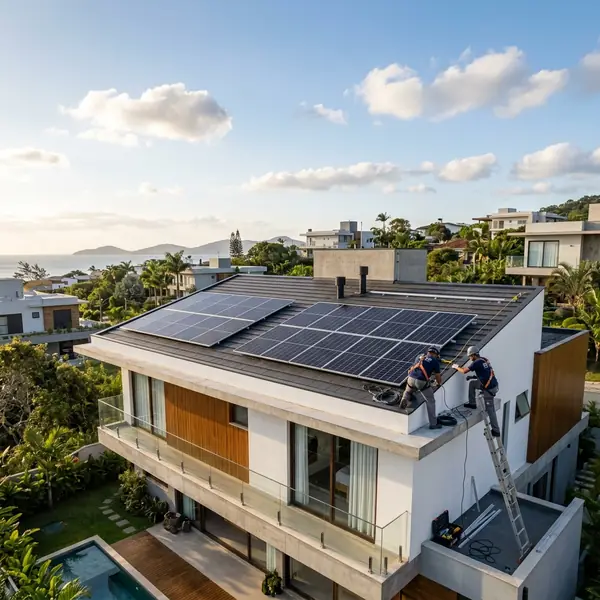
A solar farm is a large-scale installation that converts sunlight into electricity using photovoltaic panels or mirrors. These farms can be ground-mounted or roof-mounted and are designed to generate significant amounts of power for local or grid distribution.
Solar farms can vary in size from a few acres to hundreds of acres, depending on energy requirements and available land. They are often connected to the electrical grid, providing renewable energy to homes and businesses.
In addition to generating electricity, solar farms can contribute to local economies by creating jobs during both construction and operation phases. Environmental benefits include reduced carbon emissions and decreased reliance on fossil fuels.
Types of Solar Farms (Market overview analysis)
There are several types of solar farms, including utility-scale, community solar, and commercial solar projects. Utility-scale solar farms are designed for large power generation, while community solar projects allow multiple users to share the benefits of a single solar array.
Commercial solar farms cater to businesses looking to offset energy costs or meet sustainability goals. Each type of solar farm has unique features and financing models that can affect investment opportunities.
Choosing the right type of solar farm requires understanding local regulations, land availability, and energy needs. Each type also has different implications for installation and maintenance.
Investment Opportunities in Solar Energy
Investing in solar energy can take many forms, including direct investment in solar farms, purchasing shares in solar companies, or investing in renewable energy funds. Each option carries different risk profiles and potential returns.
Consideration should be given to local regulations, incentives, and the current energy market when evaluating investment opportunities. Government subsidies and tax credits can enhance the financial viability of solar projects.
Investors should conduct thorough market research and financial analysis before committing funds. Understanding the potential for long-term returns is crucial in the rapidly evolving solar energy sector.
Technical Insights on Solar Farm Operations
Solar farms typically consist of photovoltaic panels, inverters, and monitoring systems. Each component must be selected based on efficiency, durability, and compatibility with the overall system.
Regular maintenance, including cleaning panels and inspecting electrical components, is essential to maintain optimal performance. Troubleshooting common issues, such as shading effects or inverter failures, can prevent significant downtime.
Performance monitoring tools can provide real-time data on energy production and system health. This information is vital for identifying inefficiencies and implementing corrective measures.
Installation Checklist for Solar Farms
An installation checklist should include site assessment, permitting, equipment selection, and grid connection planning. Each step must be meticulously documented to ensure compliance with local regulations.
Collaboration with experienced contractors and engineers can enhance installation efficiency. Proper training for personnel involved in installation can also help mitigate risks associated with the process.
Safety measures, including personal protective equipment and proper handling of electrical components, should be prioritized throughout the installation phase. Awareness of local wildlife and environmental considerations is also essential.
Warranty Specifications for Solar Equipment
Solar panels typically come with a performance warranty of 25 years, guaranteeing a certain level of energy production. Inverter warranties usually range from 5 to 12 years, reflecting their operational lifespan.
It is crucial to understand the terms and conditions associated with each warranty, including what is covered and the process for filing claims. Some manufacturers offer extended warranties for additional peace of mind.
Documentation of installation and maintenance practices can play a critical role in validating warranty claims. Regular inspections can help identify potential issues before they impact equipment performance.
Challenges and Considerations in Solar Farm Development
Challenges in solar farm development can include land acquisition, regulatory hurdles, and financing constraints. Each of these factors can significantly impact project timelines and overall feasibility.
Environmental assessments may be required to address potential impacts on local ecosystems. Engaging with community stakeholders early in the process can also help mitigate opposition and foster support.
Market volatility can affect financing options and return on investment. Understanding local energy demand and grid capacity is critical for ensuring that the solar farm can operate effectively.
Definition of a Solar Farm
A solar farm is a large-scale installation designed to harness solar energy through photovoltaic panels or solar thermal systems. These facilities convert sunlight into electricity, which can be used to power homes, businesses, or fed into the electric grid.
Types of Solar Farms
- Utility-Scale Solar Farms: These are large installations that produce significant amounts of electricity, often exceeding 1 megawatt (MW). They typically require large areas of land and are connected to the electric grid.
- Community Solar Farms: These projects allow multiple participants to invest in a solar energy project and receive credits on their utility bills. They are ideal for individuals who cannot install solar panels on their property.
- Commercial Solar Farms: These are developed by businesses to meet their energy needs, often resulting in lower energy costs and reduced carbon footprints.
Benefits of Solar Farms (Market overview analysis)
- Renewable Energy Generation: Solar farms contribute to the production of clean energy, reducing reliance on fossil fuels.
- Job Creation: The construction and maintenance of solar farms create numerous job opportunities in various sectors.
- Land Utilization: Many solar farms utilize previously unused land, helping to repurpose areas for sustainable energy production.
How to Invest in Solar Energy
Investing in solar energy can take several forms, from direct investments in solar farms to purchasing stocks in solar companies. Understanding these options is essential for making informed decisions.
Direct Investments in Solar Farms
- Partnerships: Some investors partner with developers to finance solar farm projects. This often includes profit-sharing agreements based on the energy produced.
- Real Estate Investment Trusts (REITs): Investing in REITs that focus on renewable energy can provide exposure to solar farms without direct ownership.
Investing in Solar Stocks
Investing in publicly traded companies that specialize in solar energy can be another way to gain exposure. These companies may manufacture solar panels, develop solar projects, or provide related services.
Green Bonds and Funds
- Green Bonds: These fixed-income securities are issued to finance environmentally friendly projects, including solar energy developments.
- Mutual Funds and ETFs: There are mutual funds and exchange-traded funds (ETFs) that focus on renewable energy, offering diversified exposure to the solar sector.
Evaluating Investment Opportunities
Before investing, it is crucial to thoroughly evaluate potential opportunities. Consider factors such as project feasibility, location, and government incentives.
Government Incentives and Policies
- Tax Credits: In many regions, tax credits are available for solar energy investments, reducing overall costs.
- Grants and Subsidies: Various grants and subsidy programs can support solar energy projects, making them more financially viable.
Risks of Investing in Solar Energy
Like any investment, solar energy comes with risks that must be considered. Market fluctuations and regulatory changes can impact profitability.
Market Fluctuations
The solar industry is subject to price volatility, which can affect the cost of solar panels and other equipment. Investors should remain aware of market trends and price shifts.
Regulatory Risks
- Policy Changes: Shifts in government policy regarding renewable energy can impact incentives and the overall viability of solar projects.
- Land Use Regulations: Local zoning laws and land use regulations can affect the establishment and operation of solar farms.
Long-Term Viability
Investors should consider the long-term outlook for solar energy. Technological advancements and increased efficiency can influence market dynamics and investment returns.
Conclusion
Solar farms represent a growing segment of the renewable energy market, offering various opportunities for investment. Understanding the types of solar farms, potential benefits, and associated risks is essential for making informed investment decisions in solar energy.




