Virtual Reality in Physiotherapy: Motoring Rehabilitation and VR Uses for Patients
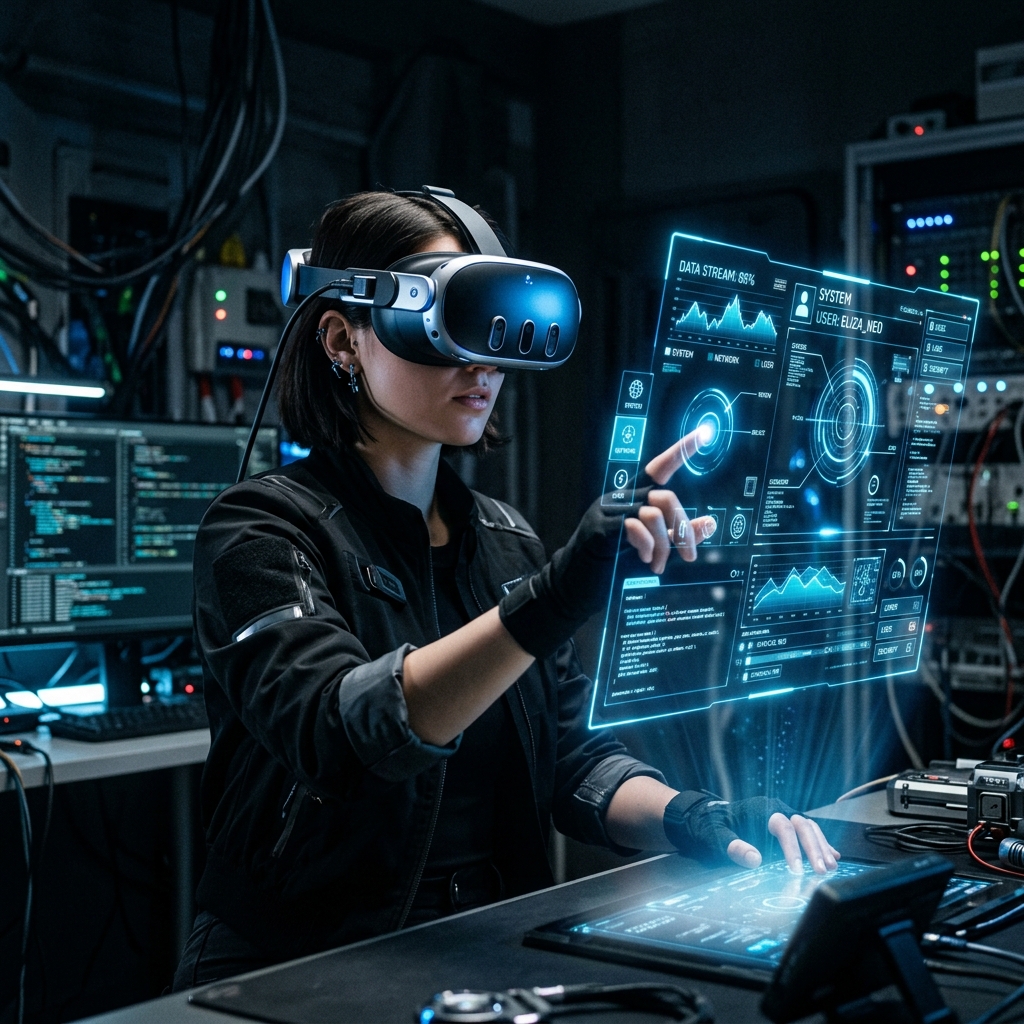
Virtual Reality in Physiotherapy: Motoring Rehabilitation and VR Uses for Patients
Virtual reality (VR) is transforming physiotherapy by providing immersive environments tailored for motor rehabilitation. This innovative technology enhances patient engagement, motivation, and therapeutic outcomes.
The integration of virtual reality in physiotherapy offers unique applications in motoring rehabilitation. Patients experience realistic simulations that encourage movement and facilitate recovery.
Benefits of Virtual Reality in Physiotherapy
VR technology offers several key benefits in physiotherapy settings. These include enhanced patient engagement, real-time feedback, and the ability to simulate various environments.
Moreover, VR can be tailored to individual patient needs, making therapy sessions more effective. It provides a safe space for practice, free from the risks associated with real-world activities.
How VR is Used in Motor Rehabilitation
Motor rehabilitation through virtual reality can be broken down into several applications. These include gait training, balance improvement, and fine motor skill development.
Patients can engage in virtual exercises that mimic real-world scenarios. This immersive experience promotes neural plasticity, essential for recovery from injuries.
Comparison of VR Headsets for Physiotherapy
Choosing the right VR headset is crucial for effective physiotherapy applications. Below is a comparison of popular VR headset models currently available in the market.
| Model | Resolution | Refresh Rate | Field of View | Price (Approx.) |
|---|---|---|---|---|
| Meta Quest 3 | 2064 x 2208 per eye | 120 Hz | 110 degrees | $499 |
| Meta Quest 2 | 1832 x 1920 per eye | 90 Hz | 90 degrees | $299 |
| HTC Vive Focus 3 | 2448 x 2448 per eye | 90 Hz | 110 degrees | $1,000 |
| Valve Index | 1440 x 1600 per eye | 144 Hz | 130 degrees | $999 |
| PlayStation VR2 | 2000 x 2040 per eye | 120 Hz | 110 degrees | $549 |
| Apple Vision Pro | 4000 x 3000 per eye | 90 Hz | 120 degrees | $3,499 |
Key Applications of VR in Physiotherapy
Several specific applications exist for VR in physiotherapy. These applications enhance traditional therapy methods and provide new avenues for patient care.
- Gait Training: VR environments simulate walking scenarios, promoting proper gait mechanics.
- Balance Exercises: Patients perform tasks that challenge their stability, improving overall coordination.
- Fine Motor Skills: VR games encourage hand-eye coordination and dexterity.
- Pain Management: Immersive experiences can distract patients from pain during rehabilitation.
- Social Interaction: Multiplayer VR environments encourage social engagement, which can enhance motivation.
DomineTec Tip: When considering VR solutions, ensure compatibility with existing hardware and software to maximize therapy effectiveness. For optimal device management, learn how to backup iPhone to computer without iCloud.
Challenges and Considerations
While the potential of VR in physiotherapy is significant, certain challenges exist. These include the cost of equipment, the need for training, and potential motion sickness in some patients.
Careful selection of VR software and hardware can mitigate these issues. Continuous advancements in technology also promise to enhance user experience and accessibility.
Future of Virtual Reality in Physiotherapy
The future of virtual reality in physiotherapy looks promising. Ongoing research is likely to yield new applications and improve existing methodologies.
Integration with artificial intelligence could personalize therapy even further, adapting to patient progress in real time. Expect VR to become a standard component in rehabilitation programs.
Frequently Asked Questions
1. How does VR enhance motor rehabilitation?
VR provides immersive environments that simulate real-life scenarios, encouraging movement and engagement. This promotes neural plasticity, crucial for recovery from motor impairments.
2. Are there specific VR games designed for physiotherapy?
Yes, various VR games focus on rehabilitation exercises that target motor skills, balance, and coordination. These games are designed to be engaging while providing therapeutic benefits.
3. What are the risks associated with VR in physiotherapy?
Some risks include motion sickness, eye strain, and discomfort. Proper guidance and gradual exposure can help mitigate these issues.
4. Can VR be used for pain management in physiotherapy?
Yes, immersive VR experiences can distract patients from pain during rehabilitation, making the process more tolerable and effective.
5. How should patients prepare for VR therapy sessions?
Patients should wear comfortable clothing, follow safety instructions, and communicate any discomfort during sessions. Familiarization with the VR environment can also enhance the experience.
Introduction to Virtual Reality in Physiotherapy
Virtual Reality (VR) is revolutionizing the field of physiotherapy by providing immersive experiences for patients. It enhances traditional rehabilitation methods, making therapy more engaging and effective.
Through VR, patients can perform exercises in simulated environments that motivate and encourage movement. This technology not only aids physical recovery but also addresses mental well-being.
Benefits of VR in Motor Rehabilitation
VR significantly improves motor rehabilitation outcomes by offering real-time feedback to patients. This immediate response helps in adjusting movements and enhancing motor learning.
Additionally, VR can create customized rehabilitation programs tailored to individual needs, ensuring a personalized approach to recovery. This adaptability increases patient adherence to treatment plans.
Popular VR Headsets for Physiotherapy
Several VR headsets are well-suited for physiotherapy applications, including the Oculus Quest 2 and HTC Vive Pro. These devices provide high-resolution visuals and responsive tracking essential for effective rehabilitation.
Both headsets support interactive experiences, allowing patients to engage in various therapeutic exercises. The portability of the Oculus Quest 2, in particular, enables therapy to be conducted at home or in diverse settings.
Engaging Patients with Virtual Environments
VR technology allows patients to interact with realistic environments that mimic real-world situations. This immersion can make exercises feel less tedious and more enjoyable.
For example, walking through a virtual park can encourage movement without the stress of actual physical limitations. This engagement fosters a positive mindset essential for recovery.
Assessing Progress with VR Technology
VR systems can track patient movements and provide detailed analytics on progress over time. This data-driven approach helps physiotherapists to refine treatment plans based on measurable outcomes.
By visualizing progress through gamified elements, patients remain motivated and aware of their advancements. This transparency can lead to improved compliance and better results in rehabilitation.
Reducing Pain and Anxiety in Patients
VR has been shown to reduce pain perception during therapy sessions, allowing for a more comfortable rehabilitation experience. The immersive nature of VR distracts patients from discomfort, enabling them to focus on recovery.
Moreover, VR can help alleviate anxiety associated with physical therapy, fostering a calmer environment. This reduction in stress contributes positively to the overall healing process.
Integration of VR with Traditional Physiotherapy
Combining VR with traditional physiotherapy techniques creates a holistic approach to rehabilitation. Therapists can utilize VR as a supplement to hands-on treatment, enhancing overall effectiveness.
This integration ensures that patients benefit from both the physical and psychological aspects of recovery. As a result, improved outcomes are often achieved through this multifaceted strategy.
The Future of Virtual Reality in Healthcare
The potential for VR in physiotherapy is vast, with ongoing research exploring new applications. Future advancements may include AI-driven personalized therapy sessions that adapt in real-time to patient needs.
As technology evolves, the integration of VR into healthcare will likely become more prevalent, transforming the landscape of rehabilitation and patient care for the better.
Virtual Reality in Physiotherapy: An Overview
Virtual Reality (VR) has emerged as a transformative technology in various fields, including healthcare. In physiotherapy, VR offers innovative solutions for motor rehabilitation and patient engagement.
What is Virtual Reality?
Virtual Reality is an immersive technology that creates simulated environments for users. By wearing VR headsets, patients can interact with a virtual world, enhancing their rehabilitation experience.
Benefits of VR in Physiotherapy
- Enhanced Engagement: VR can make rehabilitation exercises more engaging and enjoyable for patients.
- Personalized Therapy: Customizable VR environments can be tailored to meet individual patient needs.
- Real-time Feedback: Patients receive immediate feedback on their performance, promoting improvement.
- Reduced Pain Perception: Immersion in a virtual environment can distract patients from pain during therapy.
Applications of VR in Motor Rehabilitation
Motor rehabilitation involves restoring movement and function through various therapeutic interventions. VR can play a pivotal role in enhancing these interventions.
Rehabilitation for Stroke Survivors
Stroke rehabilitation often requires intensive motor training. VR can simulate real-world scenarios that encourage movement and coordination.
Post-Surgical Rehabilitation
After surgical procedures, patients need to regain strength and mobility. VR can provide a safe environment for patients to practice movements without the risk of injury.
Sports Injury Recovery
VR can assist athletes in recovering from injuries by allowing them to practice sport-specific movements in a controlled environment. This helps in regaining confidence and skill.
VR Headsets for Physiotherapy
| Headset Brand | Model | Features |
|---|---|---|
| Oculus | Quest 2 | Wireless, high-resolution display, extensive app library. |
| HTC | Vive Pro 2 | High-fidelity visuals, precise tracking, ideal for clinical settings. |
| Valve | Index | Wide field of view, high refresh rate, and quality hand tracking. |
| Sony | PlayStation VR | Affordable, easy setup, and suitable for various rehabilitation games. |
VR Software for Physiotherapy
Various software applications have been developed to facilitate VR-based physiotherapy. These programs often include engaging activities designed to promote motor skills.
- Rehabilitation Gaming System: Uses game mechanics to motivate patients during motor exercises.
- VRPhysio: A platform offering personalized rehabilitation programs and progress tracking.
- Stroke Rehabilitation Game: Focuses on improving upper limb function through interactive tasks.
- Balance Rehabilitation VR: Aims to enhance balance through virtual environments with dynamic challenges.
Challenges and Considerations
While VR presents exciting possibilities, some challenges need to be addressed. Understanding these challenges is essential for successful implementation in physiotherapy.
Technical Limitations
VR technology can be expensive, and not all clinics may have the budget for high-end systems. Additionally, the need for technical support and updates can be a barrier.
Patient Acceptance
Some patients may be hesitant to use VR due to unfamiliarity or motion sickness. Education and gradual introduction can help alleviate concerns.
Therapist Training
Physiotherapists must be trained to effectively integrate VR into their practice. This includes understanding the technology and its applications in rehabilitation.
Future Directions in VR Physiotherapy
The future of VR in physiotherapy looks promising. Ongoing research and development are expected to enhance its effectiveness and accessibility.
Integration with AI
Combining VR with artificial intelligence can lead to more adaptive and personalized rehabilitation programs. AI can analyze patient performance and adjust difficulty levels accordingly.
Remote Rehabilitation
With the rise of telehealth, VR has the potential to facilitate remote rehabilitation sessions. Patients can engage in therapy from the comfort of their homes.
Conclusion
Virtual reality is revolutionizing physiotherapy by offering innovative ways to enhance motor rehabilitation. As technology continues to advance, the integration of VR into clinical practice is likely to expand, leading to improved patient outcomes.
Integrating VR with Traditional Physiotherapy Techniques
Combining virtual reality with conventional physiotherapy approaches can enhance the overall treatment experience. This integration encourages patient engagement and motivation, leading to improved outcomes.
Practitioners can use VR headsets like the Oculus Quest 2 or HTC Vive to create immersive environments that complement traditional exercises. Such setups allow patients to practice movements in a controlled, stimulating atmosphere.
The synergy of VR technology and hands-on therapy can provide immediate feedback and encourage patients to push their limits safely. This approach not only aids in recovery but also fosters a sense of accomplishment and progress.
Benefits of VR for Pain Management in Rehabilitation
Virtual reality has shown promise in helping patients manage pain during rehabilitation sessions. By immersing patients in engaging environments, VR can distract from discomfort and reduce perceived pain levels.
Devices like the Samsung Gear VR and PlayStation VR have been used in clinical settings to create calming experiences that promote relaxation. This distraction technique can be especially beneficial for individuals recovering from surgery or injury.
The Future of VR Technology in Physiotherapy
The future of virtual reality in physiotherapy looks promising as technology continues to evolve. Advancements in hardware and software are expected to enhance the realism and effectiveness of VR applications in rehabilitation.
Emerging VR platforms, such as the Varjo XR-3 and the Pico Neo 3, are paving the way for even more immersive experiences tailored to individual therapy needs. These innovations will likely allow therapists to customize treatment plans more effectively.
As research continues to validate the benefits of VR in rehabilitation, its adoption in physiotherapy settings is likely to increase. This shift may redefine patient care, making therapy more accessible, engaging, and effective than ever before.




