Virtual Reality in Civil Aviation: Training Commercial Pilots with VR
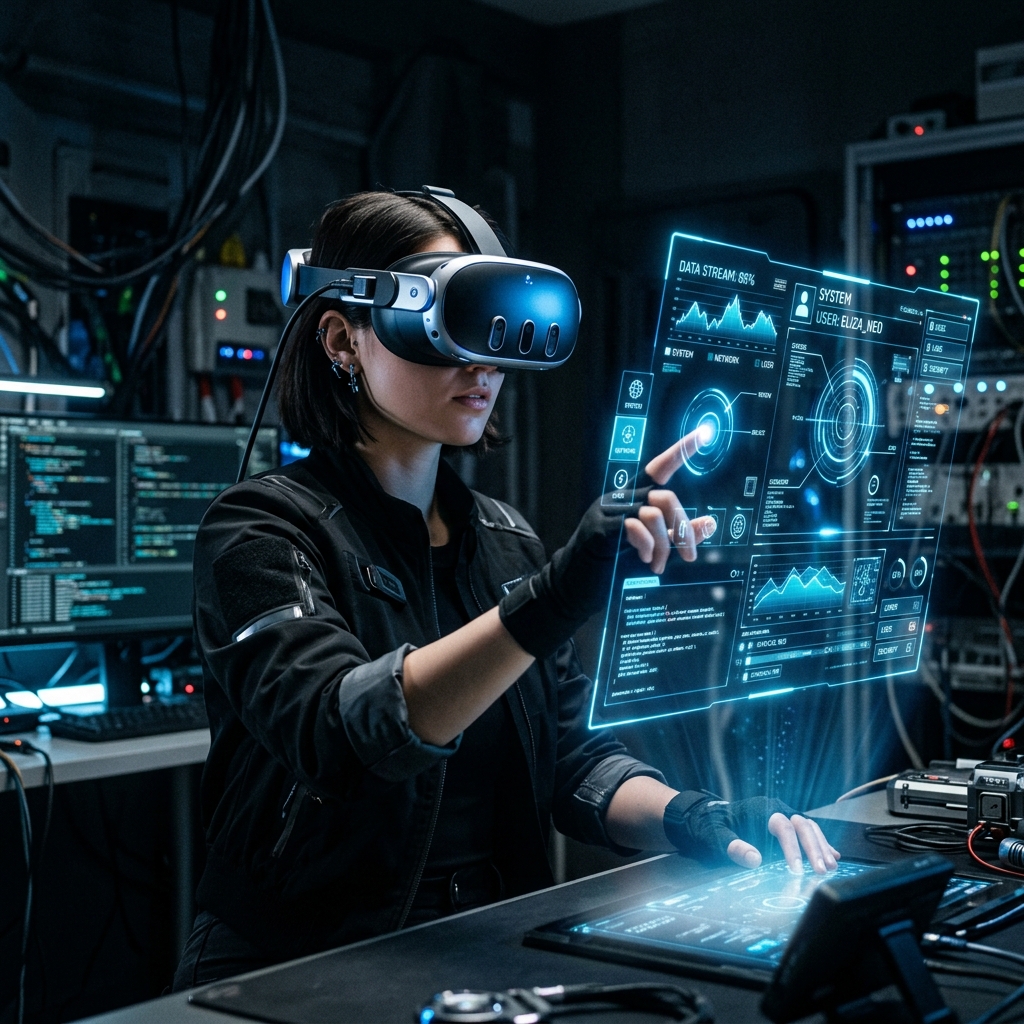
Virtual Reality in Civil Aviation: Training Commercial Pilots with VR
Virtual reality (VR) has emerged as a transformative technology in civil aviation, particularly in the training of commercial pilots. By simulating real-world flight scenarios, VR offers an immersive experience that enhances learning outcomes while ensuring safety and efficiency in training programs.
This article delves into the various applications of virtual reality in civil aviation, focusing on how it is revolutionizing the training of commercial pilots. From the enhancement of procedural learning to the reduction of training costs, the advantages of VR in piloting cannot be overstated.
Benefits of Virtual Reality in Pilot Training
One of the primary benefits of utilizing virtual reality in pilot training is the ability to replicate complex flight scenarios without the inherent risks associated with real-world flying. VR provides a safe environment where trainees can experience emergencies, adverse weather conditions, and system failures, all of which are critical for developing a pilot's decision-making skills.
Additionally, VR training reduces costs related to traditional flight simulator usage and actual flight hours. By incorporating VR, training centers can significantly lower expenses while maintaining high training standards.
Key Features of VR Training Systems
The following features make VR an essential tool in civil aviation training:
- Immersive 3D environments
- Real-time feedback and assessment
- Customizable training scenarios
- Multi-user capabilities for cooperative training
- Integration with actual aircraft systems and controls
Comparison of Popular VR Headsets for Pilot Training
Choosing the right VR headset is crucial for effective training. Below is a comparison table of popular VR headsets suitable for commercial pilot training:
| VR Headset Model | Resolution | Field of View (FOV) | Refresh Rate | Price | Tracking Type |
|---|---|---|---|---|---|
| Meta Quest 3 | 2064 x 2208 per eye | 110 degrees | 120 Hz | $499 | Inside-out |
| Meta Quest 2 | 1832 x 1920 per eye | 90 degrees | 90 Hz | $299 | Inside-out |
| HTC Vive Focus 3 | 2448 x 2448 per eye | 100 degrees | 90 Hz | $999 | Inside-out |
| Valve Index | 1440 x 1600 per eye | 130 degrees | 120 Hz | $999 | External |
| PlayStation VR2 | 2000 x 2040 per eye | 110 degrees | 120 Hz | $549 | Inside-out |
| Apple Vision Pro | 2304 x 3072 per eye | 120 degrees | 90 Hz | $3499 | Inside-out |
Step-by-Step Guide to Implementing VR in Pilot Training
- Identify training needs and objectives for commercial pilots.
- Select the appropriate VR hardware based on training requirements.
- Develop or acquire VR training software tailored to aviation scenarios.
- Integrate VR systems with existing training programs and simulators.
- Conduct pilot training sessions using VR technology, focusing on key skills.
- Evaluate the effectiveness of VR training through feedback and assessments.
- Continuously update training scenarios and software to reflect real-world changes.
DomineTec Tip: For an optimal VR training experience, consider investing in a high-quality headset. Explore options to buy Meta Quest 3 for enhanced performance.
Challenges and Considerations
While virtual reality offers numerous advantages, certain challenges should be addressed. Technical issues such as latency can hinder the realism of VR training. Ensuring that hardware and software are optimized is vital for a smooth experience.
Furthermore, the initial investment in VR technology can be substantial. A careful cost-benefit analysis is recommended to justify the expenditure against long-term savings and training effectiveness.

Future of VR in Civil Aviation
The future of virtual reality in civil aviation is promising. As technology progresses, VR training systems are expected to become more sophisticated, incorporating artificial intelligence and machine learning algorithms to enhance training personalization.
Moreover, VR's ability to simulate real-world conditions will continue to evolve, offering even more realistic training scenarios for commercial pilots. This advancement will ensure that pilots are better prepared for the complexities of modern aviation.
Case Studies: Successful Implementations of VR Training
Several aviation training organizations have successfully integrated virtual reality into their programs. For instance, a leading flight school reported a 30% reduction in training times after incorporating VR simulations into their curriculum.
Another example involves a major airline that adopted VR for recurrent training, leading to improved pilot performance and a notable decrease in training costs. These case studies highlight the effectiveness of VR in enhancing pilot training outcomes.

Conclusion
Virtual reality is reshaping the landscape of civil aviation training, particularly for commercial pilots. By providing immersive, realistic training experiences, VR enhances skill development and prepares pilots for the challenges of real-world flying.
As the technology continues to evolve, the benefits of VR in pilot training will only increase, making it an indispensable tool for modern aviation education.
Frequently Asked Questions
1. How does VR improve pilot training compared to traditional methods?
VR enhances pilot training by simulating real-world scenarios without risks, providing immersive experiences that improve decision-making and situational awareness.
2. What are the key features to look for in a VR headset for pilot training?
Important features include high resolution, a wide field of view, a high refresh rate, and robust tracking capabilities to ensure a realistic experience.
3. Can VR training be integrated with existing flight simulators?
Yes, VR training can be integrated with existing flight simulators to enhance training effectiveness and provide a more comprehensive learning experience.
4. What costs are involved in setting up VR training for pilots?
Costs include purchasing VR headsets, training software, and possible upgrades to existing simulation equipment. A thorough cost-benefit analysis is recommended.
5. Are there any limitations to using VR in pilot training?
Limitations may include technical issues, the need for substantial initial investment, and the requirement for ongoing software updates to maintain relevance.
Introduction to Virtual Reality in Aviation Training
Virtual reality (VR) has emerged as a groundbreaking tool in the aviation industry, particularly for training commercial pilots. By simulating real-world flying scenarios, VR enhances the learning experience and prepares pilots for various challenges.
This immersive technology allows for risk-free training, enabling pilots to practice emergency procedures and complex maneuvers without the dangers associated with real flights. VR training is not only effective but also cost-efficient, significantly reducing the expenses of traditional flight training.
Benefits of VR Training for Commercial Pilots
Utilizing VR in pilot training offers numerous advantages, including enhanced engagement and retention of information. The interactive nature of VR helps pilots to better understand aircraft systems and flight dynamics.
Additionally, VR training can be customized to suit individual learning paces, allowing pilots to repeat scenarios until they achieve proficiency. This flexibility in training schedules contributes to a more efficient learning process.
Leading VR Headsets for Pilot Training
Several VR headsets are specifically designed to support pilot training, with models such as the Oculus Quest 2 and the HTC Vive Pro leading the market. These headsets offer high-resolution displays and motion tracking, essential for realistic flight simulation experiences.
The Varjo Aero, known for its ultra-high resolution and wide field of view, is also making waves in aviation training. These advanced features ensure that pilots receive the most immersive training possible, enhancing their preparedness for real-life scenarios.
Realistic Flight Simulations with VR
VR technology enables the creation of highly realistic flight simulations, replicating both aircraft controls and environmental conditions. This realism is crucial for developing pilots' decision-making skills and situational awareness.
By engaging with these realistic simulations, pilots can experience various weather conditions, emergency situations, and diverse air traffic scenarios, all from the safety of a training room. This level of preparedness is invaluable for ensuring safety in commercial aviation.
Cost Efficiency of VR Training Solutions
Implementing VR training solutions can lead to significant cost savings for flight schools and airlines. Traditional training methods often involve high operational costs, including fuel and aircraft maintenance, which VR training helps to minimize.
Furthermore, VR allows for unlimited practice opportunities without the associated costs of real flight hours. This not only reduces expenses but also increases the frequency and quality of training sessions.
Future Trends in VR and Pilot Training
The future of VR in pilot training looks promising, with ongoing advancements in technology and software. Innovations such as AI integration within VR simulations are expected to enhance training effectiveness even further.
As the aviation industry continues to embrace digital transformation, VR will likely play a pivotal role in shaping the next generation of pilot training programs. These trends point toward safer and more efficient aviation operations in the years to come.
Conclusion: The Impact of VR on Aviation Safety
The integration of VR technology in pilot training is revolutionizing the aviation industry and enhancing safety standards. By providing realistic training experiences, VR prepares pilots to handle a variety of challenging situations.
This not only improves pilot competency but also contributes to overall aviation safety, making air travel a more secure mode of transportation. As VR technology evolves, its impact on pilot training will continue to grow, paving the way for safer skies.
Virtual Reality in Civil Aviation: Training Commercial Pilots with VR
Virtual reality (VR) is revolutionizing the way commercial pilots are trained, providing immersive experiences that traditional methods cannot match. By simulating real-life flying scenarios, VR enhances the learning process and improves pilot readiness.
The Benefits of VR in Pilot Training
Implementing VR technology in pilot training offers numerous advantages. These benefits include cost efficiency, enhanced safety, and improved skill retention.
- Cost Efficiency: VR reduces the need for expensive flight hours and aircraft usage.
- Enhanced Safety: Trainees can practice emergency scenarios without the risks associated with real flights.
- Improved Skill Retention: Immersive simulations aid in better understanding and retention of complex concepts.
How VR Training Works
VR training for pilots typically involves the use of advanced simulation software and hardware. Trainees wear VR headsets that transport them into a realistic cockpit environment.
The software simulates various flight conditions, allowing pilots to practice maneuvers, emergency procedures, and navigation. This hands-on approach accelerates the learning curve for aspiring pilots.
Popular VR Headsets for Pilot Training
Several VR headsets are particularly well-suited for aviation training. These devices offer high-resolution visuals, precise tracking, and comfort for extended use.
| VR Headset | Features | Price Range |
|---|---|---|
| Oculus Quest 2 | Wireless, high resolution, versatile | $299 - $399 |
| HTC Vive Pro 2 | High fidelity, dual 4K displays, excellent tracking | $799 - $1,399 |
| Valve Index | High refresh rate, precise tracking, comfortable | $999 - $1,099 |
| Pimax 8K X | Wide field of view, dual 4K resolution, versatile | $1,299 - $1,499 |
Integration with Existing Training Programs
VR can be seamlessly integrated into existing flight training programs. Instructors can use VR alongside traditional methods to provide a comprehensive learning experience.
This hybrid approach allows students to first learn theory and then apply it in a virtual environment, reinforcing their knowledge before taking to the skies.
Challenges and Considerations
Despite its numerous advantages, integrating VR into pilot training also presents challenges. These include technical limitations, the need for instructor training, and potential motion sickness for some users.
- Technical Limitations: Not all simulators are created equal, and some may not replicate real-world physics accurately.
- Instructor Training: Instructors need to adapt their teaching methods to incorporate VR effectively.
- Motion Sickness: Some trainees may experience discomfort during prolonged VR use, which must be managed.
The Future of VR in Aviation Training
The future of VR in commercial pilot training looks promising. As technology continues to advance, VR systems will become even more realistic and effective.
Airlines and training institutions are increasingly investing in VR solutions, recognizing their potential to enhance pilot proficiency and safety.
Case Studies of VR Implementation
Several aviation schools and airlines have successfully implemented VR training programs. These case studies provide valuable insights into best practices and outcomes.
- American Airlines: The airline has integrated VR training for its pilots, focusing on emergency scenarios and procedural training.
- CAE: This global leader in training has developed VR modules for various aircraft, enhancing its flight training offerings.
- University of North Dakota: The aviation program at this university uses VR for scenario-based training, improving student engagement and learning outcomes.
Conclusion
Virtual reality is transforming the landscape of pilot training in civil aviation. By providing immersive and realistic training experiences, VR equips commercial pilots with the skills necessary to handle diverse flying scenarios.
As the technology evolves, the aviation industry can expect continued advancements in training methodologies, ultimately leading to safer skies and more competent pilots.




