Is a Standing Desk Worth It? Health and Productivity Benefits
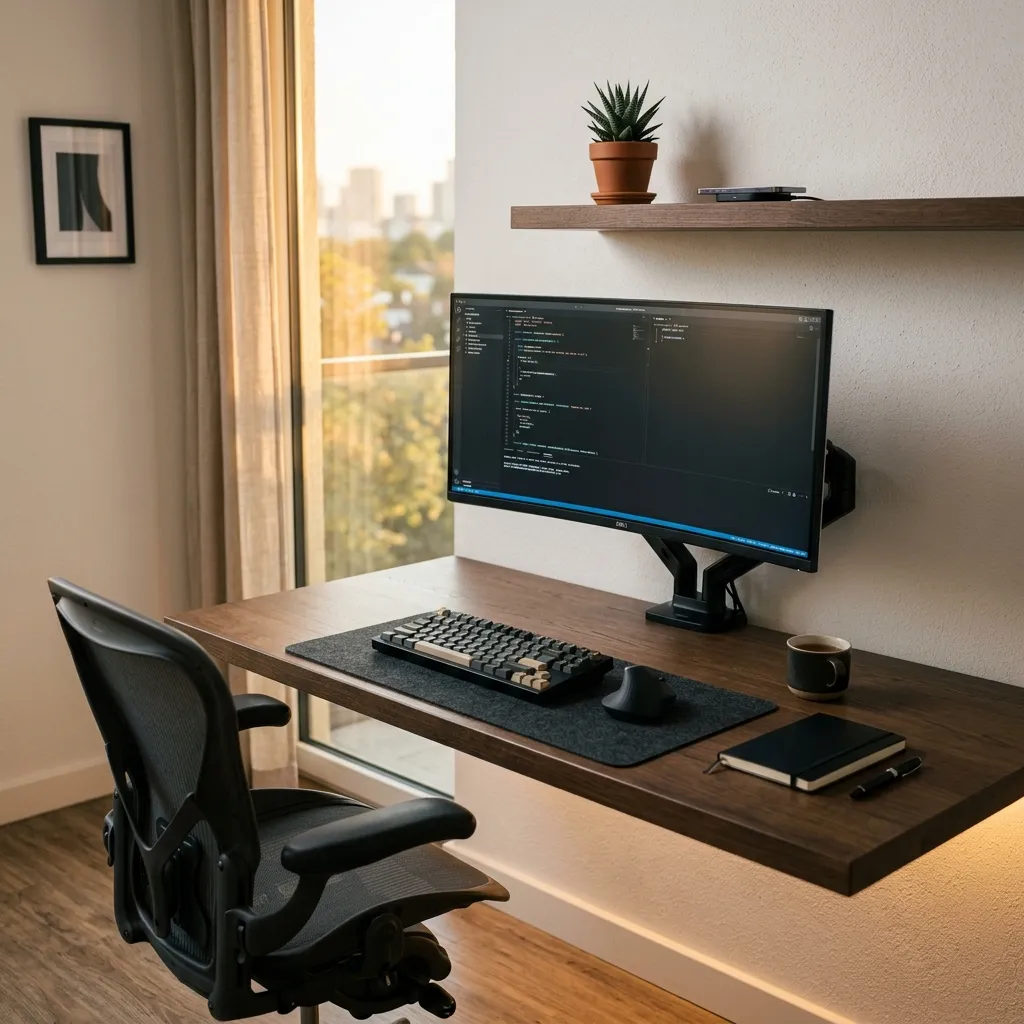
Investing in a standing desk can enhance health and productivity, offering numerous ergonomic advantages.
Ergonomics in Stand-Up Desks
Ergonomic design is crucial for standing desks, ensuring users maintain proper posture. Features like adjustable height and keyboard trays contribute to comfort and usability.
Impact on Health
Standing desks can reduce the risk of obesity, cardiovascular diseases, and chronic back pain. Research indicates that incorporating standing into the work routine significantly benefits overall health.
Productivity and Performance
Studies show that standing desks can lead to increased alertness and energy levels. Enhanced focus often translates into improved work performance and efficiency.
Materials and Construction
Quality standing desks utilize materials like solid wood, steel, and high-grade laminates for durability. These materials ensure stability while accommodating the weight of multiple devices.
Design Features to Consider
Modern standing desks often include features like programmable height settings, cable management systems, and minimalist aesthetics. These design elements enhance user experience and workspace organization.
| Brand | Material | Height Range | Weight Capacity | Price |
|---|---|---|---|---|
| Flexispot | Steel and MDF | 28.3" - 47.6" | 220 lbs | $299 |
| Uplift Desk | Solid Wood | 25.5" - 50.9" | 355 lbs | $599 |
| Vari Desk | High-Grade Laminate | 25" - 50.5" | 200 lbs | $395 |
| Jarvis | Laminate and Bamboo | 24.5" - 50" | 350 lbs | $549 |
DomineTec Tip: When adjusting a standing desk, ensure that elbows remain at a 90-degree angle and wrists are straight while typing.
- Assess workspace dimensions to ensure the desk fits comfortably.
- Select a desk with adjustable height for optimal ergonomic positioning.
- Consider a desk with integrated cable management to minimize clutter.
- Evaluate weight capacity to accommodate all equipment securely.
- Test different materials for durability and aesthetics that suit personal preferences.
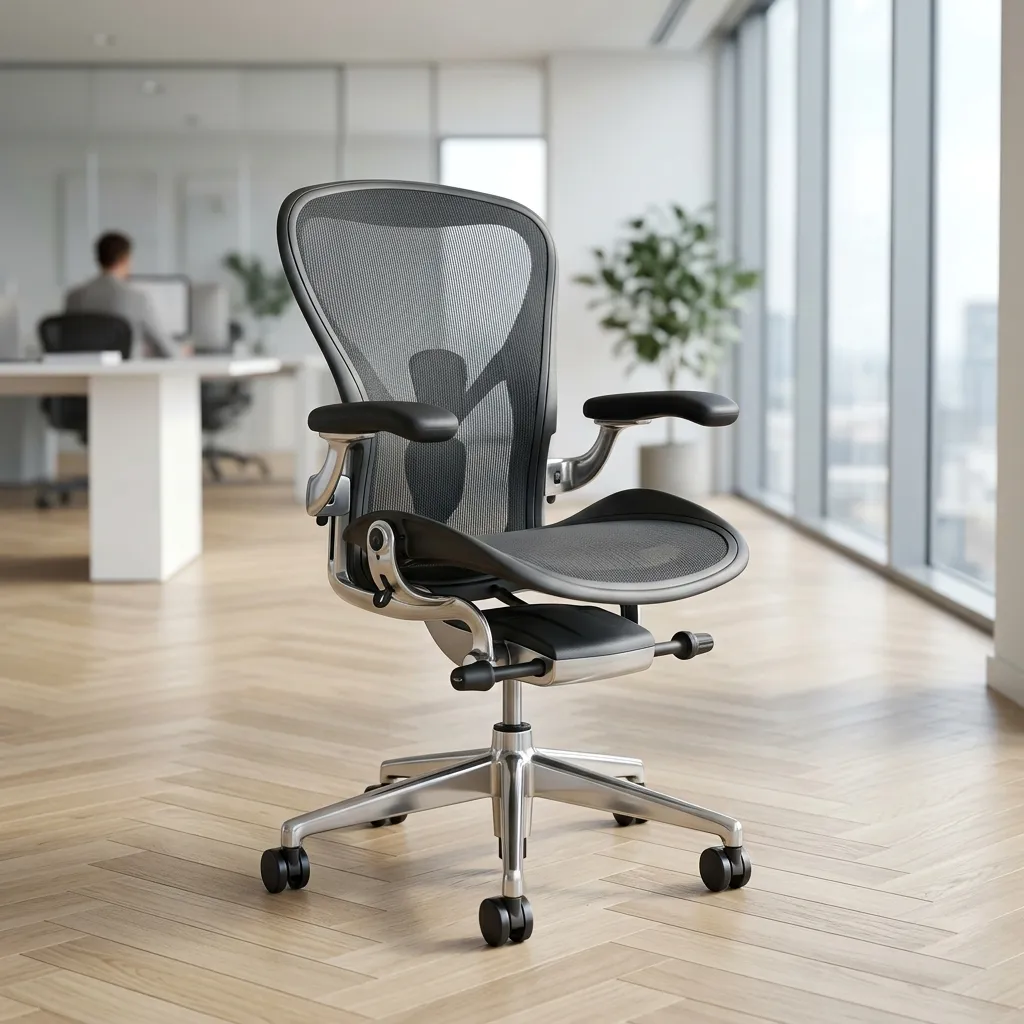
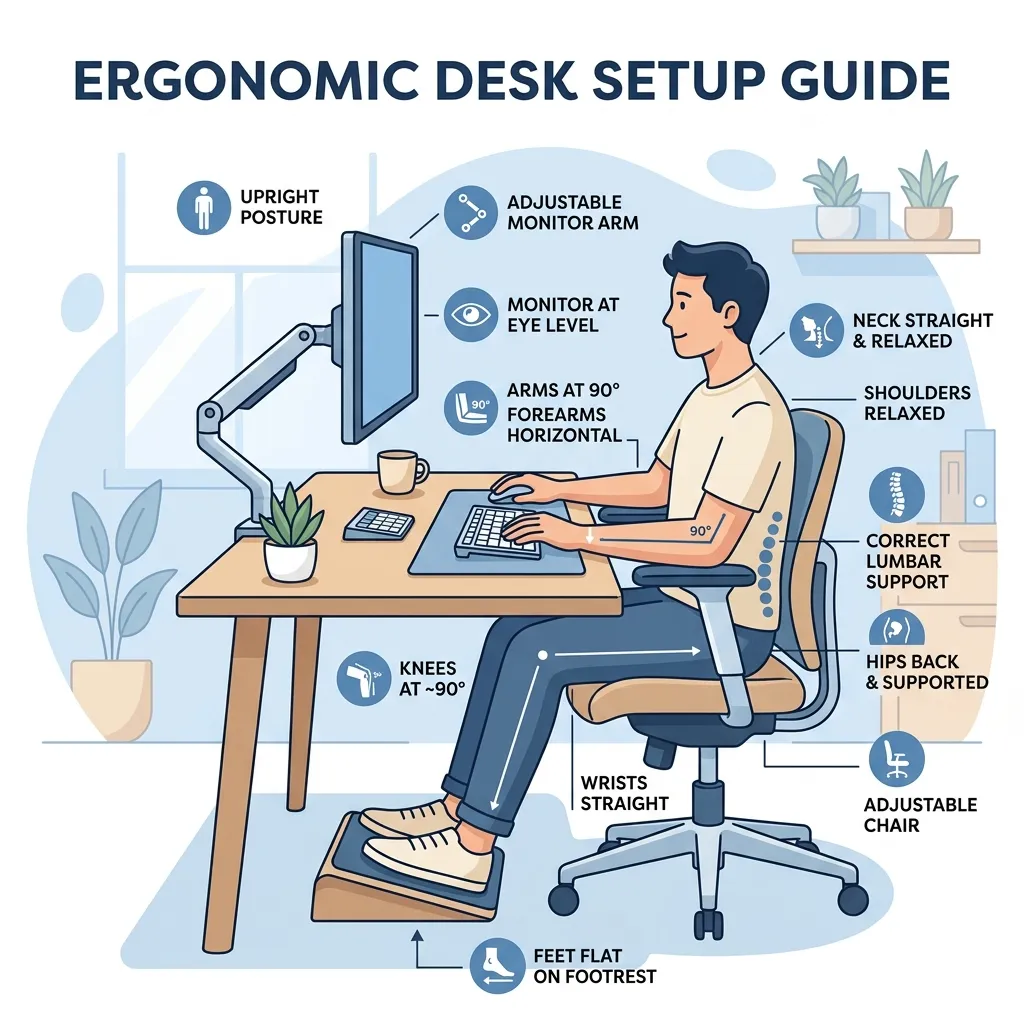
For more insights, check out our guide on creating a clean productivity desk setup and ensuring correct monitor height.
Long-Term Adaptation to Standing Desks
Transitioning to a standing desk can require an adjustment period for many users. Research indicates that individuals may experience varying degrees of discomfort as their bodies adapt to new postures.
Over time, users typically develop a tolerance for prolonged standing, which can lead to improved posture and reduced discomfort. It is advisable to gradually increase standing time, alternating between sitting and standing to facilitate a smoother transition.
Psychological Effects of Standing vs. Sitting
The choice between sitting and standing may also influence psychological well-being and mood. Studies suggest that standing desks can contribute to increased energy levels and enhanced mood among users.
Standing while working may foster a sense of empowerment, thereby positively impacting overall job satisfaction. Conversely, prolonged sitting has been linked to feelings of lethargy, which can negatively affect mental health over time.
Cost-Benefit Analysis of Standing Desks
Investing in a standing desk requires careful consideration of both short-term and long-term costs and benefits. Initial expenses can vary significantly based on the features and quality of the desk, which may range from budget-friendly to premium options.
Long-term benefits may include reduced healthcare costs associated with sedentary lifestyle-related issues. Ultimately, the decision should weigh personal health benefits against the financial investment required for a quality standing desk.
Integration with Other Wellness Practices
Incorporating a standing desk into a broader wellness routine can enhance its effectiveness. Combining standing with regular movement breaks and stretching can maximize health benefits and minimize discomfort.
Practices such as yoga or Pilates can complement the use of a standing desk, promoting flexibility and strength. Additionally, hydration and proper nutrition contribute to overall well-being, further enhancing productivity and health in the workplace.
Customizing Your Standing Desk Experience
Personalization of the standing desk experience can significantly impact user comfort and effectiveness. Adjustable desks allow users to find the ideal height for their specific needs, promoting better posture.
Accessories like anti-fatigue mats, monitor risers, and ergonomic keyboards can enhance the standing desk experience. Ultimately, customization helps each individual tailor their workspace to their unique preferences and body mechanics.
Environmental Impact of Standing Desks
The choice of materials and production practices for standing desks can have implications for environmental sustainability. Choosing desks made from sustainably sourced materials can reduce the ecological footprint associated with office equipment.
Additionally, manufacturers that adhere to eco-friendly practices contribute to a more sustainable lifecycle for office furniture. Consumers are increasingly aware of these factors, making sustainability a significant consideration in purchasing decisions.
Future Trends in Standing Desk Technology
Technological advancements are likely to influence the design and functionality of standing desks in the coming years. Smart desks that track user habits and provide real-time feedback on posture and activity levels are emerging in the market.
Integration with health-monitoring devices can offer insights into user well-being and encourage healthier behaviors. As technology evolves, standing desks may become more adaptive and personalized to cater to individual user needs and preferences.
Social Interaction and Collaboration in the Workplace
Standing desks can influence the dynamics of social interaction in a workplace setting. When employees are not confined to sitting at desks, it may lead to more spontaneous conversations and a collaborative atmosphere.
The ability to move around while working encourages informal discussions, brainstorming sessions, and quick check-ins that can boost team cohesion. This more dynamic environment can enhance communication and foster a sense of community among coworkers.
Moreover, standing desks enable easier mobility, allowing employees to engage with multiple colleagues throughout the day. This increased interaction can lead to improved relationships and a more vibrant workplace culture.
Employers may find that promoting standing desks can contribute to a more engaged workforce, as employees feel more connected and involved in their work environment.
Adjustable Desks and User Preferences
Adjustable standing desks cater to a variety of user preferences, allowing individuals to switch between standing and sitting as needed. This adaptability can accommodate different body types, heights, and personal comfort levels.
Users often benefit from the ability to customize desk height, which can promote better posture and reduce strain. The flexibility of adjustable desks encourages employees to find their ideal working position, leading to enhanced comfort and productivity.
Research indicates that when employees have control over their workspace setup, they tend to report higher job satisfaction. The personalization aspect of adjustable desks contributes significantly to overall workplace morale.
Employers should consider offering adjustable standing desks as part of their office furniture inventory to meet diverse employee needs and preferences, thereby enhancing the overall work experience.
Impact on Energy Levels and Fatigue
Using a standing desk can positively influence energy levels throughout the workday. Research suggests that individuals who alternate between sitting and standing report feeling more energetic and less fatigued.
This increase in energy may be attributed to improved circulation and reduced muscle stiffness, allowing for a more dynamic work experience. Employees may find themselves more engaged in their tasks when they feel physically invigorated.
Furthermore, standing while working may help combat the post-lunch slump that often leads to decreased productivity. By maintaining an active posture, individuals may experience fewer dips in energy levels during critical work periods.
Employers may notice an overall increase in employee vitality and enthusiasm, resulting in a more vibrant and productive workplace environment.
Training and Proper Use of Standing Desks
Proper training on how to use standing desks effectively is crucial for maximizing their benefits. Employees should be educated on the importance of posture, movement, and ergonomic adjustments to avoid potential discomfort.
Guidelines on transitioning to a standing desk can help employees gradually adapt, enabling them to find a comfortable balance between sitting and standing. Encouraging regular movement, such as stretching or walking, enhances the benefits of standing desks.
Employers may consider providing resources such as workshops or informational sessions to ensure employees understand how to set up their standing desks correctly and incorporate them into their daily routines.
By investing in training, organizations can enhance the effectiveness of standing desks and promote a healthier, more productive workforce.
Return on Investment: Measuring Effectiveness
Measuring the effectiveness of standing desks in the workplace can provide insights into their return on investment. Companies may track metrics such as employee engagement, productivity levels, and health improvements to assess the impact of standing desks.
Surveys and feedback forms can be valuable tools for gathering employee experiences and satisfaction levels related to standing desk use. Analyzing this data can help organizations understand the long-term benefits of their investment.
Additionally, companies may observe reductions in healthcare costs associated with sedentary lifestyle-related issues, further highlighting the financial advantages of implementing standing desks.
By systematically measuring the outcomes of standing desk use, organizations can reinforce their commitment to employee wellness and justify the costs associated with these ergonomic solutions.
Barriers to Adoption of Standing Desks
Despite the potential benefits of standing desks, several barriers hinder their widespread adoption in both home and office environments. One significant barrier is the initial cost associated with purchasing a quality standing desk, which can be a deterrent for many individuals and organizations.
Another challenge is the lack of awareness and education regarding the proper use and benefits of standing desks. Many users may not fully understand how to adjust the desk to their height or may not be informed about the importance of alternating between sitting and standing.
Additionally, workplace culture can play a significant role in the adoption of standing desks. In environments where traditional seating is the norm, employees may be reluctant to adopt standing desks due to concerns about appearing unprofessional or different from their peers.
Finally, the physical layout of an office can also pose a barrier. Open floor plans or shared workspaces may not easily accommodate the use of standing desks, leading to logistical challenges that discourage their implementation.
Comparative Studies on Standing vs. Sitting Desks
Numerous studies have been conducted to compare the effects of standing desks against traditional sitting desks, shedding light on their respective impacts on health and productivity. Research indicates that individuals who use standing desks often report lower levels of discomfort and musculoskeletal pain, particularly in the lower back and neck areas.
In terms of productivity, some studies suggest that standing desks can lead to increased focus and engagement among workers. However, results have been mixed, with other research indicating that the benefits may vary depending on the nature of the work being performed.
Moreover, the long-term effects of standing desks remain a topic of ongoing research. Some studies have highlighted concerns regarding fatigue and discomfort after prolonged standing, suggesting that a balanced approach that includes movement and alternating between sitting and standing may yield the best results.
Ultimately, comparative studies on standing versus sitting desks provide valuable insights into the potential advantages and drawbacks of each setup. While standing desks may offer significant benefits for many users, it is essential to recognize that individual experiences may vary, and further research is needed to fully understand the long-term implications of this ergonomic shift.
Ergonomic Adjustability and User Customization
One of the significant advantages of standing desks is their ergonomic adjustability, which allows users to tailor their workstations to their individual needs. Adjustable height features enable users to find the ideal standing or sitting position, promoting better posture and reducing strain on the back and neck.
In addition to height adjustments, ergonomic accessories such as anti-fatigue mats can enhance comfort while standing. These mats provide cushioning and support, encouraging subtle movements that stimulate circulation.
Customizing a standing desk setup can also involve the arrangement of personal items, such as plants or photographs, which can create a more inviting workspace. Personalization not only contributes to a positive work environment but can also enhance motivation and focus.
Ultimately, the ability to adjust and customize a standing desk can lead to a more ergonomic and productive workspace. Users who take the time to set up their desks thoughtfully are more likely to experience the long-term health benefits associated with standing while working.
Impact on Work-Life Balance
The introduction of standing desks can have a profound effect on employees' work-life balance. With the ability to alternate between sitting and standing, workers often find themselves more engaged and energized throughout the day.
This increased energy can lead to improved focus on tasks, reducing the likelihood of burnout that typically accompanies prolonged sedentary work. Moreover, standing desks can encourage healthier habits beyond just the immediate work environment.
Additionally, the social aspect of using standing desks can enhance workplace relationships. Employees who stand are often more approachable and willing to collaborate, fostering a culture of teamwork.
In conclusion, standing desks can play a vital role in promoting a healthier work-life balance by encouraging movement and social interaction. The benefits extend beyond individual health, influencing workplace culture and productivity.
Frequently Asked Questions
Are standing desks good for everyone?
While beneficial for many, standing desks may not be suitable for individuals with certain health conditions. It is advisable to consult a healthcare professional before making a switch.
How long should one stand at a standing desk?
Experts recommend alternating between sitting and standing every 30 to 60 minutes. This approach helps prevent fatigue and maintains comfort.
Can standing desks improve posture?
Yes, when used correctly, standing desks can promote better posture by encouraging users to maintain an upright position. Proper ergonomic adjustments are essential for maximum benefit.
Do standing desks increase energy levels?
Many users report higher energy levels and reduced fatigue when using standing desks. Increased blood flow and movement contribute to this enhanced vitality.
What are the most important features to look for?
Key features include adjustable height settings, stability, weight capacity, and material quality. These elements significantly impact usability and longevity.