Solid Wood Desktops for Home Office Setup: Best Types of Wood Compared
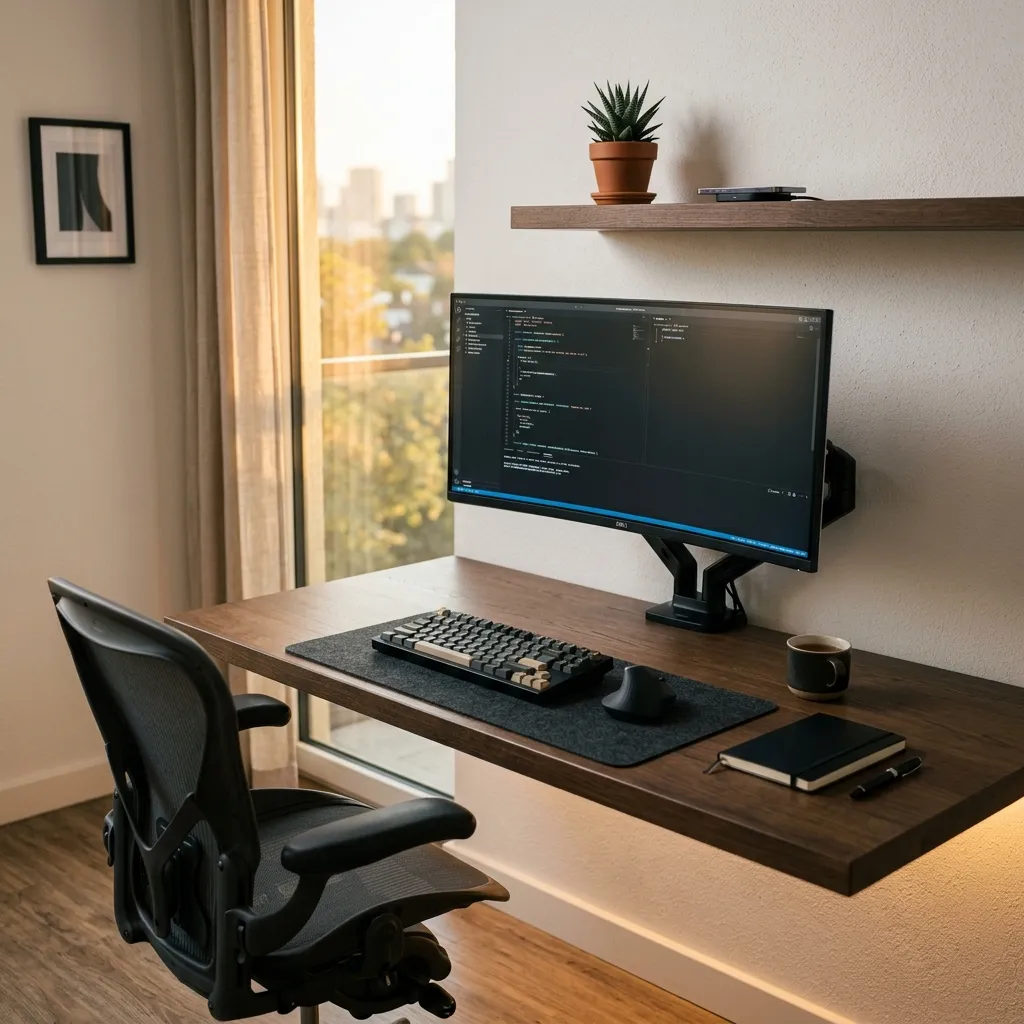
Solid wood desktops enhance home office setups through durability, aesthetics, and ergonomics. A careful selection of wood type can significantly impact productivity and comfort.
Ergonomics and Comfort
Solid wood desks provide excellent stability, which contributes to better posture during prolonged use. The natural warmth of wood can create a more inviting atmosphere that enhances focus.
Performance Under Load
The load-bearing capacity of different wood types varies, affecting how well they accommodate heavy equipment. Desks made from hardwoods like oak or maple tend to support greater weight without warping.
Material Specifications
Hardwoods, such as cherry and walnut, generally exhibit superior durability compared to softwoods like pine. This difference impacts the longevity and resilience of the desktop against scratches and dents.
Design Aesthetics
Wood types significantly influence the overall design aesthetic of a workspace. A rich grain pattern in walnut or cherry can enhance visual appeal, while lighter woods like ash offer a more contemporary look.
Comparison of Wood Types
| Wood Type | Durability | Weight Capacity (lbs) | Aesthetic Appeal | Price Range (per sq ft) |
|---|---|---|---|---|
| Oak | High | 300 | Classic | $8 - $12 |
| Maple | High | 250 | Bright | $7 - $11 |
| Walnut | Medium | 200 | Luxurious | $10 - $15 |
| Cherry | Medium | 220 | Rich | $9 - $14 |
| Pine | Low | 150 | Rustic | $5 - $8 |
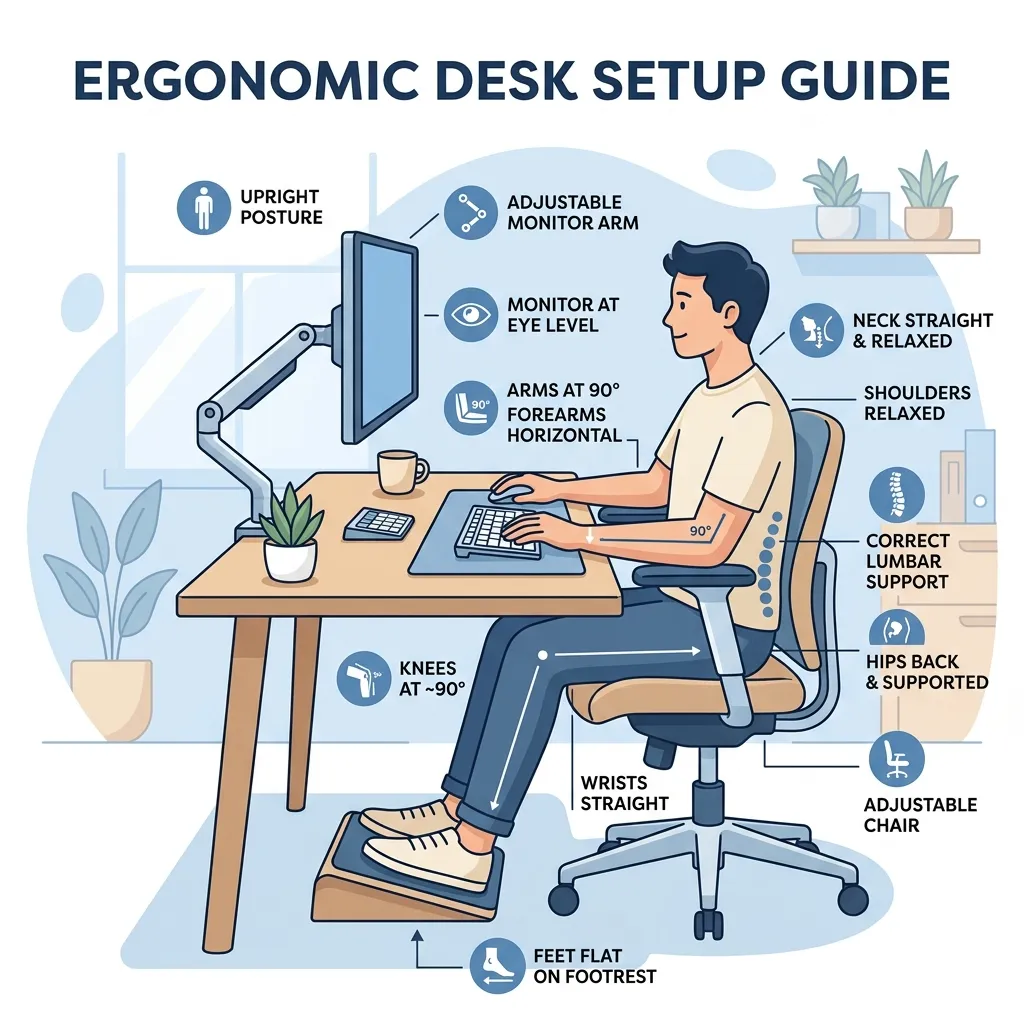
DomineTec Tip: Ensure desk height is adjustable to maintain an ergonomic posture that promotes productivity and reduces fatigue.
- Identify the primary use of the desk (e.g., computer work, writing).
- Choose a wood type based on durability and aesthetic preference.
- Ensure the desk height is adjustable for optimal ergonomics.
- Consider additional features like cable management and storage options.
- Invest in quality finishes to protect the wood and enhance lifespan.
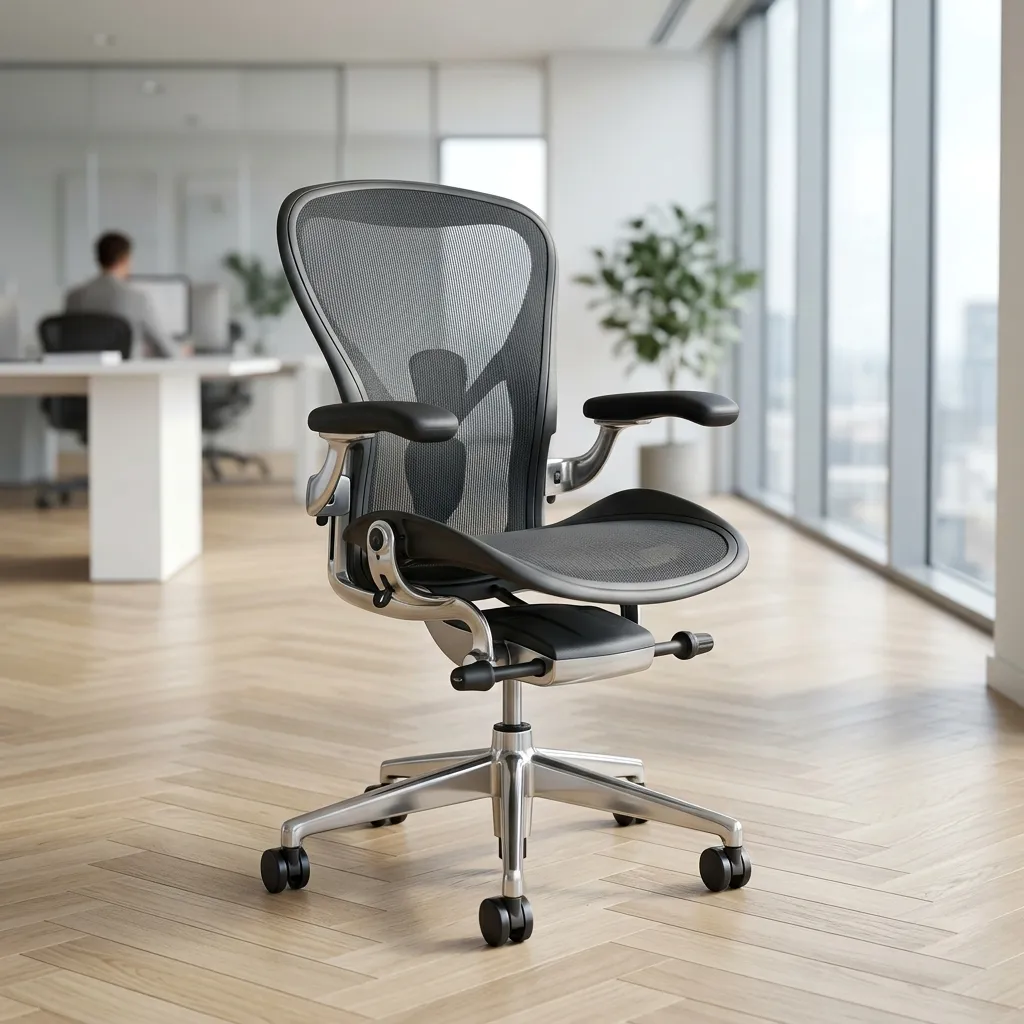
For those seeking an ergonomic office chair, explore various ergonomic office chair models. Additionally, consider how to choose mechanical keyboard switches that complement your workspace setup.
Maintenance and Care for Solid Wood Desktops
Regular maintenance is essential for preserving the beauty and longevity of solid wood desktops. Routine cleaning involves using a soft, damp cloth to remove dust and spills immediately.
Applying a suitable wood conditioner or polish can help maintain the wood's natural luster. It is crucial to avoid harsh chemicals, as they can damage the wood finish over time.
Impact on Indoor Air Quality
Solid wood desktops are generally considered safer for indoor air quality compared to particleboard or MDF. Natural wood does not release harmful volatile organic compounds (VOCs) commonly found in synthetic materials.
Choosing solid wood can contribute to a healthier home office environment. Proper ventilation helps in maintaining indoor air quality, especially when introducing new furniture.
Environmental Considerations
The sourcing of solid wood significantly impacts its environmental footprint. Opting for sustainably harvested wood from certified forests can help mitigate ecological damage.
Reclaimed wood is another eco-friendly option, as it repurposes existing materials and reduces waste. Consumers are encouraged to research the origins of their wood to make informed decisions.
Cost vs. Longevity Analysis
Investing in a solid wood desktop can be more cost-effective in the long run. While the initial purchase price may be higher, solid wood is durable and resistant to wear and tear.
With proper care, a solid wood desktop can last for decades, potentially outliving cheaper alternatives. This longevity often justifies the upfront costs when considering long-term usage.
Customization Options
Solid wood desktops offer a wide range of customization options to fit individual preferences. Customers can select various wood species, finishes, and sizes to create a personalized workspace.
Custom designs can also incorporate features like cable management systems or integrated storage solutions. These options enhance functionality while maintaining the aesthetic appeal of solid wood.
Compatibility with Other Office Furniture
Solid wood desktops can complement various styles of office furniture, enhancing overall decor. They pair well with both modern and traditional office setups, providing versatility in design.
Choosing the right wood finish can harmonize with existing furniture pieces for a cohesive look. Consideration of color and grain patterns is essential for achieving a balanced aesthetic in the workspace.
Technological Integration
Modern solid wood desktops can be designed to accommodate today’s technological needs. Built-in cable management solutions help keep wires organized and out of sight, maintaining a clean workspace.
Additional features, such as integrated USB ports or wireless charging pads, can enhance functionality. These integrations ensure that solid wood desktops meet both aesthetic and practical demands of contemporary home offices.
Durability and Resilience
Solid wood desktops are known for their exceptional durability, making them an ideal choice for home office setups. Unlike particle board or laminate surfaces, solid wood can withstand daily wear and tear, including scratches and dents.
The resilience of solid wood is largely attributed to its natural fibers, which provide strength and flexibility. This means that even under heavy use, a solid wood desktop can maintain its structural integrity for years.
Additionally, solid wood can endure changes in temperature and humidity better than other materials, reducing the likelihood of warping or cracking. This stability is especially important in home offices, where environmental conditions can vary.
Investing in a solid wood desktop means choosing a surface that not only meets aesthetic desires but also offers long-term functionality and reliability.
Natural Variations and Unique Characteristics
One of the most appealing aspects of solid wood desktops is the unique characteristics of each piece. Every wood type has its own distinctive grain patterns, colors, and textures, making no two desktops exactly alike.
This natural variation adds an element of character to a home office, allowing individuals to express their personal style through their workspace. The uniqueness of each desktop can also enhance the overall ambiance of the office environment.
Furthermore, solid wood can develop a beautiful patina over time, adding to its charm and visual appeal. This aging process is part of the wood's natural lifecycle, contributing to a sense of warmth and history in the workspace.
Choosing a solid wood desktop means selecting a piece that evolves with time, offering both beauty and individuality that manufactured surfaces simply cannot replicate.
Impact on Productivity and Focus
The choice of a solid wood desktop can significantly influence productivity and focus in a home office setting. Studies suggest that natural materials, such as wood, can enhance mood and cognitive function, leading to improved work performance.
The aesthetic appeal of a solid wood desktop can create an inviting and inspiring workspace, encouraging individuals to engage more deeply with their tasks. The warmth and texture of wood can also help reduce stress, promoting a more relaxed working environment.
Moreover, the stability and solidity of a wood surface can contribute to a sense of permanence and reliability, which may further enhance focus. This psychological benefit makes solid wood an excellent choice for those seeking to maximize their productivity.
Ultimately, the right workspace design, including a solid wood desktop, can foster an atmosphere conducive to creativity and efficiency, making it a worthwhile investment for any home office.
Choosing the Right Finish
The finish applied to a solid wood desktop is crucial for protecting the wood while enhancing its appearance. Various finishes, such as oil, varnish, or polyurethane, can provide different levels of sheen and durability.
An oil finish penetrates the wood, highlighting its natural grain and giving it a warm appearance, while a varnish or polyurethane finish forms a protective layer on the surface, offering greater resistance to scratches and spills.
When selecting a finish, consider the specific needs of your workspace. For example, a more durable finish may be preferred for high-traffic areas, while a natural oil finish may be ideal for aesthetic purposes.
Additionally, the choice of finish can impact the maintenance routine for the desktop, with some finishes requiring more frequent reapplication than others. Understanding these factors can help ensure that the solid wood desktop remains both beautiful and functional over time.
Acoustic Properties of Solid Wood
Another often-overlooked benefit of solid wood desktops is their acoustic properties. Wood naturally absorbs sound, which can help create a quieter and more focused workspace.
This sound-absorbing quality can be particularly beneficial in home offices where noise from outside or other household activities may be distracting. A solid wood desktop can help mitigate these disturbances, promoting a more productive environment.
Furthermore, the density of solid wood affects its ability to dampen sound; denser woods, such as oak or walnut, typically offer better sound absorption than lighter woods. This characteristic can be a valuable consideration when designing a home office.
Ultimately, the acoustic benefits of solid wood desktops contribute to a more serene and focused workspace, enhancing the overall quality of the home office experience.
Color and Grain Patterns
The color and grain patterns of solid wood desktops significantly influence the overall aesthetics of a home office. Different wood species exhibit unique colors and grain variations that can complement or contrast with existing interior elements.
For instance, oak is known for its prominent grain and light to medium brown hues, while walnut showcases rich, dark colors with intricate grain patterns. Understanding these visual characteristics can help homeowners select a desktop that aligns with their design preferences.
Additionally, the choice of wood can affect the mood of the workspace. Lighter woods can create a bright and airy feel, promoting a sense of openness, whereas darker woods might exude warmth and sophistication, potentially enhancing focus and productivity.
Considering the interplay of color and grain is essential for achieving a cohesive look in the home office, ensuring that the desktop enhances rather than clashes with other furnishings and decor.
Health Benefits of Natural Wood
Natural wood desktops offer several health benefits that can enhance the well-being of individuals spending long hours at their desks. Wood is a natural material that can help regulate humidity levels in a room, which is beneficial for respiratory health.
Furthermore, studies suggest that exposure to natural materials like wood can reduce stress and anxiety levels, contributing to a more serene working environment. The tactile nature of wood can also promote a sense of comfort, making it a preferable choice for many users.
Additionally, solid wood has been shown to possess antimicrobial properties, which can help in maintaining a cleaner workspace. This is particularly relevant in today’s context, where hygiene and health are paramount considerations for office environments.
Incorporating solid wood desktops can result in not only a visually appealing workspace but also a healthier lifestyle, fostering both physical and mental well-being in home office settings.
Impact of Wood Source on Quality
The source of the wood used for desktops directly influences the quality and characteristics of the final product. Wood harvested from sustainably managed forests is often more resilient and of higher quality than that sourced from less-regulated areas.
Forests that are responsibly managed contribute to biodiversity and ecosystems, which in turn reflect on the wood's integrity. High-quality wood is generally more stable, less prone to warping, and offers better overall durability, which is crucial for a surface subjected to daily use.
Moreover, the method of harvesting and milling can affect the wood's structural properties. Techniques that prioritize minimal waste and ecological balance often result in superior materials, ensuring longevity and performance.
Choosing desktops made from wood sourced responsibly not only supports sustainable practices but also guarantees a product that meets the demands of a functional home office while contributing positively to environmental stewardship.
Future Trends in Solid Wood Desktops
The evolution of home office setups continues to be influenced by technological advancements and changing work habits. Solid wood desktops are adapting to these trends by incorporating features that enhance functionality and user experience.
One significant trend is the integration of smart technology into wood surfaces, allowing users to control their devices or manage their work environment through embedded interfaces.
Moreover, as remote work becomes a permanent fixture for many professionals, the demand for customizable and modular designs is on the rise. Manufacturers are increasingly offering solid wood desktops that can be adjusted in height or configuration, blending traditional aesthetics with modern functionality.
This shift caters to the need for versatility, enabling users to create a workspace that suits their individual preferences and ergonomic needs.
Sustainability remains a key concern, with a growing emphasis on responsibly sourced materials. Future designs are expected to feature reclaimed or recycled wood, appealing to environmentally conscious consumers.
This not only reduces the environmental impact of new furniture but also provides unique character and history to each piece.
Lastly, as the focus on well-being in the workplace intensifies, solid wood desktops are likely to incorporate biophilic design principles. This includes designs that promote a connection to nature, enhancing the overall ambiance of home offices and contributing to a healthier, more productive work environment.
Influence of Climate on Wood Performance
The geographical location and climate where solid wood desks are used can significantly affect their performance and longevity. Humidity, temperature fluctuations, and seasonal changes can lead to wood expansion or contraction, impacting the structural integrity of the desktop.
It is crucial for users to understand how their local climate may influence their choice of wood type and the necessary precautions to maintain the desktop's condition. For instance, regions with high humidity may experience more issues with warping and swelling.
In these areas, selecting a dense wood variety, such as oak or maple, can provide added resilience against moisture-related changes. Additionally, employing proper sealing techniques can further protect the wood from humidity damage.
Conversely, arid climates pose risks of excessive drying and cracking. In these environments, it is advisable to maintain consistent indoor humidity levels and consider choosing woods known for their stability, like cherry or walnut.
Regular hydration and conditioning of the wood can also mitigate the effects of dryness. Understanding the interplay between climate and wood behavior is essential for homeowners.
Choosing the right wood type and implementing proper care strategies can ensure that solid wood desktops remain functional and aesthetically pleasing throughout their lifespan, regardless of external climate conditions.
Frequently Asked Questions
What is the best type of wood for a desk?
Hardwoods like oak and maple are generally considered the best options due to their durability and aesthetic appeal.
How does wood grain affect desk quality?
The grain pattern can influence both aesthetic value and structural integrity, with tighter grains typically offering better durability.
Are solid wood desks environmentally friendly?
When sourced sustainably, solid wood desks can be an environmentally friendly choice, especially compared to manufactured materials.
How can I maintain a solid wood desk?
Regular cleaning with a soft cloth and periodic application of wood conditioner can help maintain the desk's appearance and longevity.
What is the average cost of a solid wood desk?
The average cost varies depending on the wood type and design, typically ranging from $




