Solar Panel Power Optimizers Explained: When Are They Worth It?
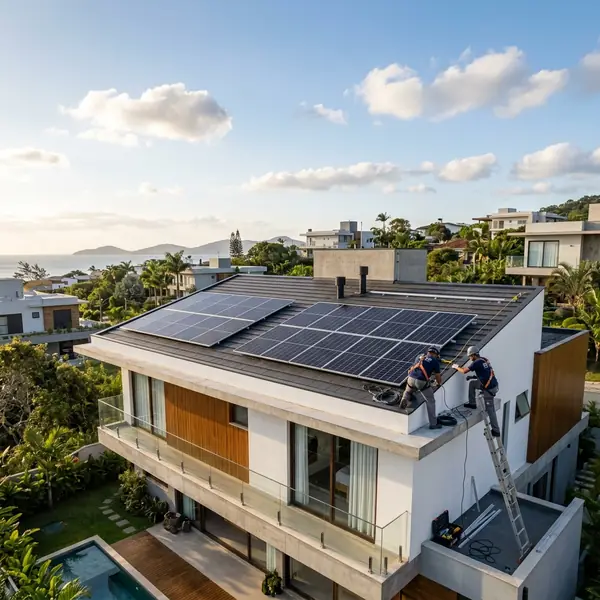
Understanding Solar Panel Power Optimizers
The best solar power optimizers are made by SolarEdge and Tigo Energy, helping increase energy harvest on shaded residential rooftops. Choosing and installing the right system ensures energy independence and long-term utility bill reductions.
The best solar power optimizers are made by SolarEdge and Tigo Energy, helping increase energy harvest on shaded residential rooftops. Choosing and installing the right system ensures energy independence and long-term utility bill reductions.
Solar panel power optimizers are devices designed to enhance the performance of solar energy systems. They work by maximizing the output of each solar panel, especially in scenarios where panels may receive uneven sunlight. Homeowners often wonder if investing in power optimizers is worth it.
What Are Solar Panel Power Optimizers?
A solar panel power optimizer is a device that is connected to each solar panel. It adjusts the voltage and current coming from the panel to ensure maximum efficiency. By doing this, optimizers can help mitigate the effects of shading or dirt on individual panels.
Unlike traditional systems that use a single inverter, optimizers allow each panel to perform independently. This can be particularly advantageous in installations where panels face different directions or have varying amounts of sunlight exposure.
When Are Power Optimizers Worth It?
Power optimizers are particularly valuable in specific situations. If your roof has shading issues from trees or nearby buildings, optimizers can significantly enhance energy production. In such cases, they can increase energy output by up to 25% compared to systems without optimizers.
Additionally, if you are considering a residential solar energy system with panels facing different directions, optimizers can ensure that each panel operates at peak efficiency. This is because they allow for the optimal management of differing sunlight conditions.
The Financial Aspect of Power Optimizers
One of the key concerns for homeowners is the cost. In 2026, the average cost of a solar panel optimizer ranges from $100 to $200 per panel. This can add a few thousand dollars to the overall system cost, depending on the number of panels installed.
However, the increase in energy production can offset these costs. For instance, if an optimizer increases your system's production by 20%, you could save up to $300 to $600 annually on your electric bill. This leads to a faster return on investment (ROI).
DomineTec Tip: Always evaluate your specific roof conditions and energy needs. Consulting with a solar energy professional can help determine the best options for your situation.
Comparing Power Optimizers to Traditional Systems
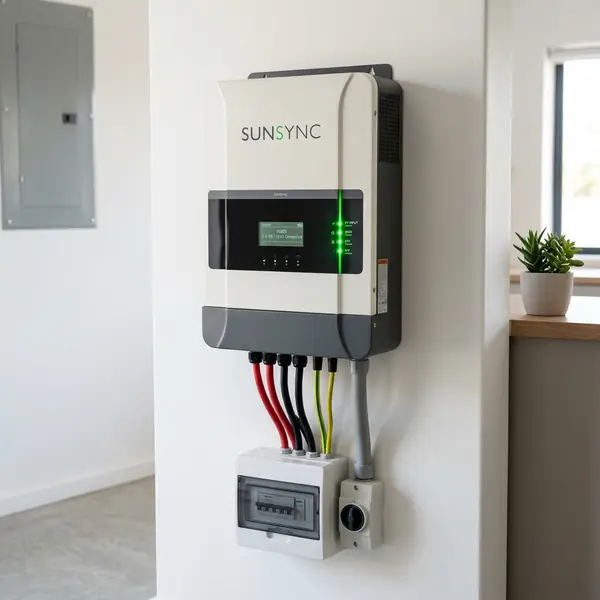
To understand the benefits of power optimizers, it's important to compare them with traditional solar systems. Traditional systems often use a single inverter for the entire array, which can lead to decreased efficiency when some panels are shaded.
In contrast, power optimizers allow for individual panel management, enhancing performance in shaded conditions. This difference can lead to significant financial savings over time, as the energy output will be more consistent.
| Feature | Traditional System | System with Power Optimizers |
|---|---|---|
| Performance in Shade | Reduced output | Maximized output |
| Cost | Lower initial cost | Higher initial cost |
| Maintenance | Single point of failure | Redundant panel performance |
| Energy Yield | Potentially lower | Higher yield |
| Payback Period | Longer | Shorter |
Real-World Examples of Power Optimizer Benefits
Consider a homeowner in California with a roof partially shaded by trees. After installing power optimizers, their energy production increased by 30%. The system, originally projected to save $400 annually, now saves around $520.
In another case, a residential installation in Florida faced issues with panels facing different orientations. By using optimizers, the homeowner achieved a 15% increase in overall energy yield, resulting in a payback period reduced from 8 years to just 5 years.
Choosing the Right Power Optimizers for Your System
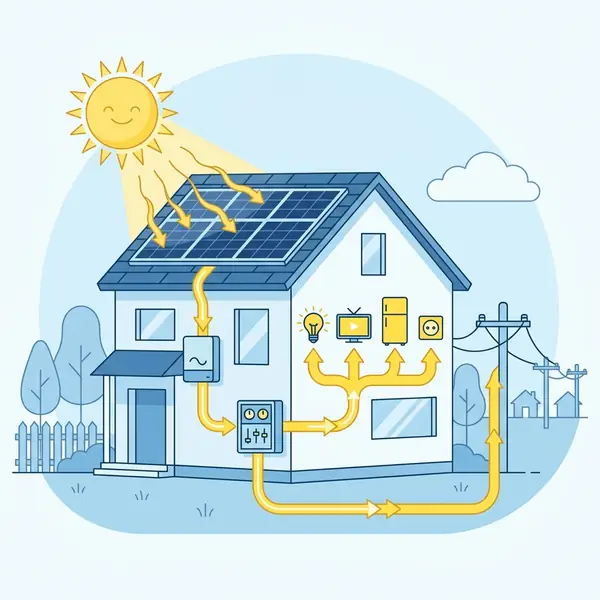
When selecting power optimizers, consider factors such as compatibility with existing solar panels and inverters. It's also important to evaluate the warranty and support provided by the manufacturer.
Top brands like SolarEdge and Tigo offer robust solutions that have been tested for efficiency and reliability. Researching user reviews and consulting with professionals can lead to informed decisions that align with your energy goals.
Future Trends in Solar Panel Technology
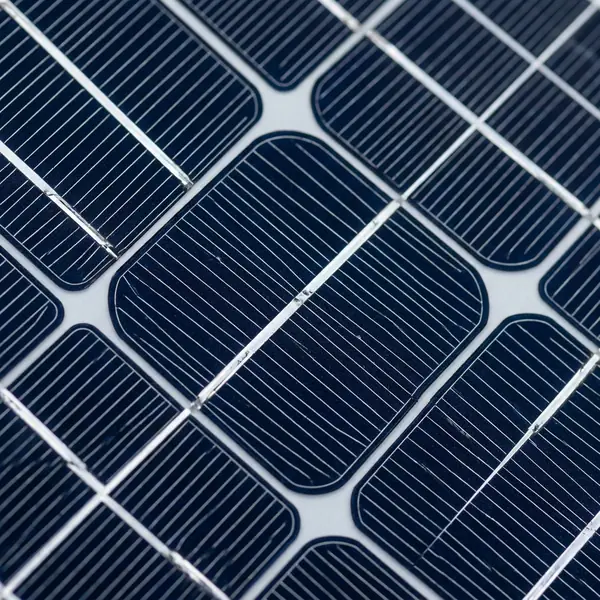
The solar energy market is evolving rapidly, with innovations in panel efficiency and energy storage. By 2026, the average efficiency of solar panels is expected to reach 22%, making optimizers even more beneficial.
Additionally, advancements in smart technology will allow homeowners to monitor their system's performance in real-time. This means that the integration of optimizers will not only boost energy production but also enhance user experience through detailed analytics.
DomineTec Reminder: Stay informed about new technologies and trends in solar energy. Continuous learning can help you maximize your investment and energy savings.
Conclusion
Solar panel power optimizers provide significant benefits, particularly for homes with shading issues or panel orientation challenges. While the initial investment may be higher, the long-term savings and increased energy production often justify the cost.
By understanding the unique advantages of power optimizers, homeowners can make informed decisions that align with their energy needs and financial goals. Consulting with solar energy professionals is important to tailor solutions that optimize performance and savings.
Benefits of Solar Panel Power Optimizers
Solar panel power optimizers offer several advantages that can enhance the overall performance of a solar energy system. One significant benefit is their ability to mitigate the effects of shading. By allowing each panel to operate independently, optimizers ensure that shaded panels do not reduce the output of the entire system.
Additionally, power optimizers can improve energy production in systems with varying orientations or tilts. This flexibility allows homeowners to maximize their solar energy generation, especially in complex roof layouts. As a result, the overall efficiency of the solar installation can see a noticeable increase.
Another advantage is enhanced monitoring capabilities. Many optimizers come with built-in monitoring systems that provide real-time data on each panel's performance. This transparency helps homeowners identify issues early, enabling proactive maintenance and ensuring optimal efficiency over the system's lifespan.
Cost Considerations for Solar Panel Power Optimizers
While power optimizers can increase the efficiency of solar installations, they also add to the initial investment. On average, the cost of installing power optimizers can range from $0.50 to $1.00 per watt, depending on the brand and features. For a typical residential system of 6 kW, this could translate to an additional $3,000 to $6,000 in upfront costs.
However, the long-term benefits may outweigh these initial expenses. Homeowners can expect a payback period of 5 to 7 years, depending on local energy rates and incentives. As energy costs continue to rise, the savings generated by enhanced production can make power optimizers a worthwhile investment.
Furthermore, with the increasing availability of federal and state incentives for solar energy projects, the effective cost of installing optimizers may be reduced. Homeowners should research available rebates and tax credits that can help offset these costs, making the technology more accessible.
Comparing Power Optimizers to Other Technologies
When considering solar panel power optimizers, it's important to compare them to other technologies like microinverters and traditional string inverters. Each solution has its advantages and ideal use cases. The table below summarizes key differences between these technologies.
| Feature | Power Optimizers | Microinverters | String Inverters |
|---|---|---|---|
| Panel Level Optimization | Yes | Yes | No |
| Cost | $0.50 - $1.00/W | $0.80 - $1.20/W | $0.30 - $0.70/W |
| Monitoring Capabilities | Yes | Yes | Limited |
| Shading Mitigation | Good | Excellent | Poor |
| Reliability | High | High | Moderate |
Optimal Scenarios for Using Power Optimizers
Power optimizers shine in specific scenarios where traditional systems may struggle. Homes with multiple roof angles, shading issues from nearby trees or buildings, and installations using different panel types can benefit greatly from optimizers. These devices ensure that each panel performs to its potential, regardless of external conditions.
Moreover, systems designed for future expansion can also leverage power optimizers effectively. As energy needs grow or technology advances, adding new panels to an existing system can be seamless with optimizers. This adaptability allows homeowners to scale their solar energy solutions without a complete overhaul.
Finally, for homeowners who prioritize monitoring and maintenance, optimizers provide detailed insights into system performance. This level of transparency can be invaluable in ensuring that the investment continues to deliver optimal results over time.
DomineTec Tip: Consider the long-term energy savings and potential incentives when evaluating the cost of power optimizers against their benefits.
How do power optimizers compare to microinverters?
Both power optimizers and microinverters enable panel-level optimization, but optimizers work with a central inverter, while microinverters are installed on each panel, providing greater independence.
Are power optimizers worth the investment?
In many scenarios, power optimizers can be worth the investment due to their ability to increase energy production and improve monitoring, particularly in shaded or complex roof layouts.
What is the average payback period for solar systems with optimizers?
The average payback period for solar systems equipped with power optimizers typically ranges from 5 to 7 years, depending on local energy rates and overall system efficiency.
Can I combine power optimizers with existing solar systems?
Yes, power optimizers can often be retrofitted to existing solar systems, allowing homeowners to enhance performance without complete system replacement.
Benefits of Using Power Optimizers
Power optimizers can significantly enhance the performance of solar panel systems, especially in shaded environments. By maximizing the energy output of each panel, they can increase overall system efficiency by up to 25% in certain conditions.




