Solar Panel Efficiency Drop: How to Identify and Fix Low Output
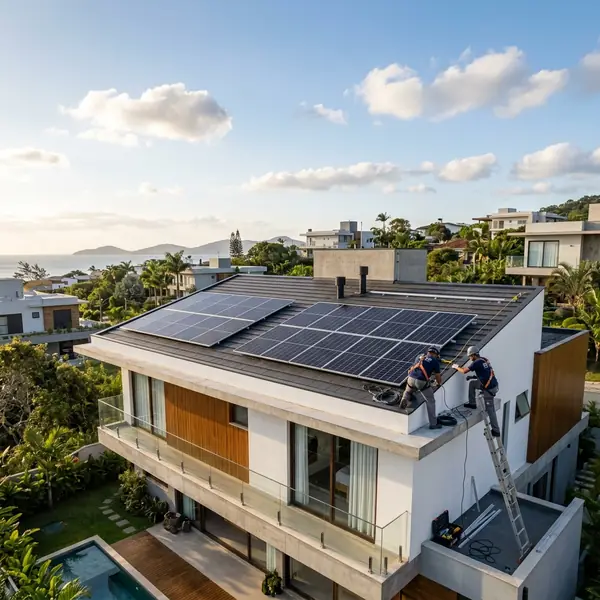
Identify a solar panel efficiency drop by comparing current monthly generation metrics with historical output records.
Understanding Solar Panel Efficiency
Identify a solar panel efficiency drop by comparing current monthly generation metrics with historical output records. Choosing and installing the right system ensures energy independence and long-term utility bill reductions.
Solar panel efficiency refers to how effectively a solar panel converts sunlight into usable electricity. It is typically expressed as a percentage, representing the amount of solar energy converted into electrical energy. For instance, a panel with 20% efficiency converts 20% of the sunlight it receives into electricity.
The efficiency of solar panels can be affected by several factors, including age, environmental conditions, and installation quality. It's important for homeowners to monitor their solar systems to ensure they are performing optimally.
How Solar Panel Efficiency is Measured
Efficiency is calculated by dividing the electrical output of the solar panel (in watts) by the solar energy it receives (in watts per square meter). This formula allows homeowners to understand how well their system is performing.
Generally, most residential solar panels manufactured today range from 15% to 22% efficiency. Higher efficiency panels typically cost more but can generate more electricity in a smaller space.
Identifying Efficiency Drops
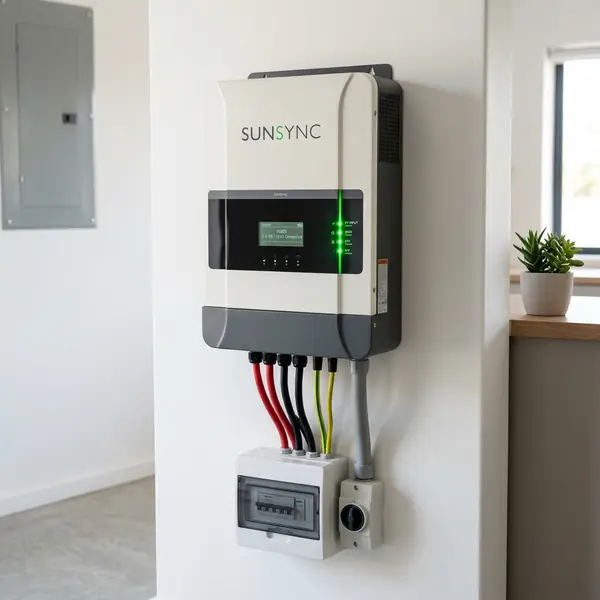
Recognizing a drop in solar panel efficiency requires consistent monitoring of your system's performance. Homeowners should compare current monthly generation metrics with historical output records.
For example, if you notice a significant decline in energy production compared to previous months or years, it may indicate an issue. Solar panels typically have a performance warranty for 25 years, which guarantees a certain level of output.
Common Signs of Efficiency Drops
Several indicators can help you determine whether your solar panels are underperforming:
- Significant decrease in monthly energy output compared to similar months in previous years.
- Increased electricity bills despite consistent usage.
- Visible damage or wear on the panels, such as cracks or discoloration.
- Frequent inverter errors or alerts.
Causes of Efficiency Drops
Understanding the causes of efficiency drops can assist you in addressing the issues. Here are some common factors that can lead to reduced solar panel performance:
1. Dirt and Debris Accumulation
Solar panels are exposed to the elements, which can lead to the accumulation of dirt, dust, leaves, and other debris. This buildup can obstruct sunlight and reduce overall efficiency. Regular cleaning can mitigate this issue.
In regions with heavy rainfall, panels may not require as much cleaning. However, areas with less rain may need cleaning more frequently, possibly every few months.
2. Shading Issues
Shading from nearby trees, buildings, or other structures can significantly impact the efficiency of solar panels. Even partial shading can cause a drop in output. Homeowners should ensure that their panels are positioned to receive maximum sunlight throughout the day.
3. Aging Equipment
Solar panels typically degrade over time, with most losing about 0.5% to 1% of their efficiency per year. By the end of their 25-year warranty, panels may still produce around 80% of their original output. However, older panels may need replacement or upgrading to maintain desired energy production levels.
4. Inverter Issues
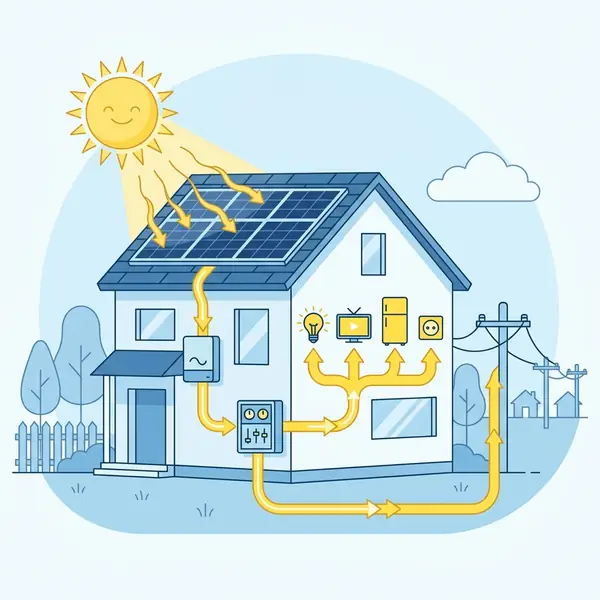
The inverter is a key component of a solar system, converting direct current (DC) generated by the panels into alternating current (AC) for use in your home. If the inverter is malfunctioning, it can lead to a significant drop in energy output. Regular checks and maintenance can help identify inverter issues early.
5. Environmental Factors
Extreme weather conditions can impact solar panel performance. High temperatures can reduce efficiency, while heavy snowfall or ice can obstruct sunlight. Homeowners should monitor their systems during extreme conditions and inspect the panels afterward.
How to Fix Low Output
Low output from solar panels can often be remedied with some straightforward steps. Here are several solutions to consider if you suspect your system isn’t performing optimally:
1. Regular Maintenance and Cleaning
Ensure your solar panels are clean and free from debris. Regular maintenance includes checking for dirt, leaves, or other obstructions. If necessary, hire a professional cleaning service or perform the cleaning yourself using appropriate methods.
2. Trimming Nearby Trees
If shading from nearby trees is affecting your solar panels, consider trimming them back. This will improve sunlight exposure and can lead to increased energy production. Always check local regulations regarding tree trimming before proceeding.
3. Upgrading Inverters
Inverter technology has improved significantly over the years. If your inverter is older, consider upgrading it to a newer model for better efficiency and features. This could drastically improve your system's overall performance.
4. Monitoring System Performance
Use monitoring tools to track your solar system's performance. Monitoring can help identify inefficiencies quickly. Many modern systems come with built-in monitoring that allows you to check output through an app or web interface.
5. Consulting Professionals
If you cannot identify the cause of the efficiency drop, consult with a solar energy professional. They can conduct a thorough inspection and recommend appropriate solutions based on their findings. Professional assessments can save you time and prevent costly mistakes.
DomineTec Tip: Always keep your solar panel documentation and maintenance records organized. This will help when consulting with professionals.
Understanding the Financial Impact
Investing in solar panels can lead to significant savings on electricity bills. However, efficiency drops can lead to unexpected costs. It’s important to calculate the financial implications of reduced output.
Calculating Savings
To understand the financial impact, estimate your average monthly savings based on previous electricity bills. For example, if your system previously saved you $100 a month and drops to $50, you could be losing $600 annually.
Cost of Repairs
Addressing efficiency drops may incur costs, such as cleaning services or professional inspections. Understanding these costs will help you make informed decisions about maintaining or upgrading your system.
Return on Investment (ROI)
Calculate your return on investment by considering the total cost of your solar system and the savings generated. Typically, homeowners see a payback period of 5 to 10 years, depending on factors such as local energy prices and incentives.
Conclusion
Monitoring your solar panel efficiency is vital for maintaining optimal energy production. By recognizing signs of inefficiencies and addressing them promptly, homeowners can ensure their systems continue to perform well.
Regular maintenance, monitoring, and professional consultations can help prevent costly efficiency drops. By taking proactive steps, you can maximize your savings and enjoy the benefits of solar energy for years to come.
How often should I clean my solar panels?
You should clean your solar panels at least once or twice a year, depending on your local environment and weather conditions.
What can I do if my solar panels are not producing enough energy?
If your solar panels are underperforming, check for dirt, debris, or shading. You may also want to consult a professional for an inspection.
Are there any incentives for installing solar panels?
Yes, many states offer tax credits, rebates, and other incentives for solar panel installation. Check local regulations for specific details.
How can I monitor my solar panel system's performance?
You can monitor your system's performance through apps or web interfaces provided by your solar panel manufacturer or installed monitoring systems.
For more detailed insights about solar energy systems, check out our articles on solar energy facts and solar panel installation best practices.
For further information on solar energy technologies, visit NREL.
Understanding Solar Panel Efficiency
Solar panel efficiency refers to the ability of a solar panel to convert sunlight into usable electricity. This conversion is expressed as a percentage; higher percentages indicate a more efficient panel. Understanding solar panel efficiency is key for optimizing energy production and ensuring a good return on investment.




