Solar Panel Degradation Rate: How Much Efficiency Is Lost Per Year?
Understanding Solar Panel Degradation
Solar panel degradation refers to the reduction in the efficiency and performance of solar panels over time. This natural decline is influenced by various environmental factors and inherent material properties.
Factors Influencing Degradation Rates
Numerous factors contribute to the rate at which solar panels degrade. These factors can be broadly categorized into environmental conditions, manufacturing quality, and the materials used.
Environmental Factors
Solar panels are subjected to various environmental conditions, including temperature, humidity, and UV radiation. High temperatures can accelerate material fatigue, while moisture can lead to corrosion.
Manufacturing Quality
The quality of solar panel manufacturing plays a significant role in longevity. Panels produced with superior materials and advanced technology typically exhibit lower degradation rates.
Material Types
Different types of solar panels exhibit varying degradation rates. Monocrystalline panels tend to outperform polycrystalline and thin-film panels in long-term efficiency retention.
Typical Degradation Rates
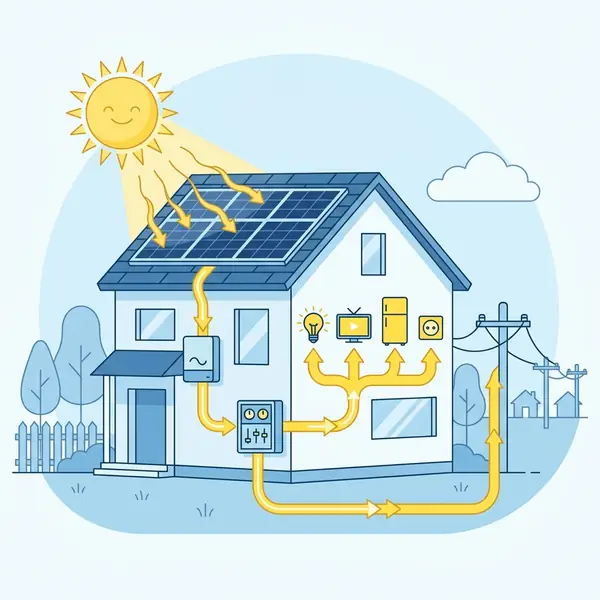
Most solar panels lose efficiency gradually over their lifespan. The average degradation rate is approximately 0.5% to 1% annually, depending on the factors mentioned previously.
Comparative Table of Degradation Rates
| Panel Type | Average Degradation Rate (%) | Typical Lifespan (Years) |
|---|---|---|
| Monocrystalline | 0.5 | 25-30 |
| Polycrystalline | 0.7 | 20-25 |
| Thin-Film | 1.0 | 10-20 |
Implications of Degradation on Energy Production
As solar panels degrade, their energy production capabilities diminish. This decline can lead to reduced energy output, affecting the overall return on investment.
Impact on Financial Returns
Investors in solar energy should consider the degradation rate when calculating potential returns. A higher degradation rate may lead to a longer payback period.
Effect on System Design
When designing a solar system, the degradation rate must be factored into the total energy needs. This ensures that systems remain efficient and effective throughout their lifespan.
DomineTec Tip: Regular maintenance and cleaning can mitigate some degradation effects, ensuring optimal performance.
Monitoring and Managing Degradation
Regular monitoring of solar panel performance is essential for identifying degradation trends. Various tools and technologies are available to track efficiency over time.
Performance Monitoring Systems
Advanced monitoring systems can provide real-time data on energy production and efficiency. These systems can alert owners to significant drops in performance.
Maintenance Practices
Implementing routine maintenance practices, such as cleaning and inspections, can extend the operational life of solar panels. Simple actions can significantly impact performance sustainability.
To expand on this subject, it is highly useful to also explore how to home solar battery cost in detail.
To expand on this subject, it is highly useful to also explore how to home solar panel kit worth in detail.
Frequently Asked Questions
What is the average lifespan of solar panels?
The average lifespan of solar panels ranges from 20 to 30 years, with most retaining satisfactory performance throughout this period.
How is solar panel efficiency measured?
Solar panel efficiency is measured by the ratio of the electrical output of a solar panel to the amount of sunlight it receives. This is typically expressed as a percentage.
What maintenance is required for solar panels?
Basic maintenance involves regular cleaning to remove dirt and debris, as well as periodic inspections for any potential damage or wear.
Are all solar panels subject to the same degradation rate?
No, different types of solar panels experience varying degradation rates based on materials and manufacturing techniques.
What can be done to minimize solar panel degradation?
To minimize degradation, investing in high-quality panels, conducting regular maintenance, and ensuring proper installation are recommended practices.
Understanding Solar Panel Degradation (Market overview analysis) and Practical Aspects
Solar panel degradation refers to the decline in efficiency of solar panels over time. This degradation is typically measured as a percentage loss in performance per year.
Factors influencing degradation include environmental conditions, material quality, and manufacturing processes. On average, most solar panels experience a degradation rate of about 0.5% to 1% per year.
Understanding the degradation rate is essential for estimating the long-term performance of solar energy systems. This knowledge aids in assessing the return on investment for solar technology.
Factors Affecting Degradation Rates
Multiple factors contribute to the degradation rates of solar panels, including temperature, humidity, and exposure to UV radiation. Each of these elements can accelerate wear and tear, impacting overall efficiency.
Panel quality also plays a crucial role; higher-grade materials typically exhibit lower degradation rates. Therefore, investing in premium solar panels can lead to better long-term performance.
Regular maintenance and cleaning can mitigate some effects of environmental exposure. Ensuring panels are free of debris can help maintain optimal energy production.
Installation Considerations
Proper installation is critical in minimizing degradation rates. Panels should be installed at an optimal angle and orientation to maximize sunlight exposure and reduce thermal stress.
Use of high-quality mounting systems can prevent physical damage and ensure adequate airflow around panels. This can help in maintaining performance levels over the lifespan of the system.
Careful attention to electrical connections also plays a vital role in efficiency. Loose or corroded connections can lead to energy losses that may be mistaken for degradation.
Troubleshooting Solar Panel Efficiency Loss
When efficiency losses are observed, systematic troubleshooting should be conducted. Start by checking for physical obstructions like dirt or debris that may block sunlight.
Inspect electrical connections for signs of corrosion or damage, as these issues can significantly reduce performance. In some cases, using a multimeter can help identify areas of concern.
Monitoring inverter performance is also essential, as inverters can fail and lead to misleading readings of panel output. A faulty inverter can mask genuine degradation effects of the panels themselves.
Warranty Specifications
Most solar panels come with warranties that cover performance over a specified period. Typical performance warranties guarantee at least 80% efficiency after 25 years, but specifics can vary between manufacturers.
It is crucial to read the fine print of warranty documents to understand coverage details. Some warranties may include degradation thresholds that, if exceeded, would allow for replacement or compensation.
In addition to performance warranties, product warranties cover defects in materials and workmanship. A comprehensive warranty can provide peace of mind regarding long-term panel performance.
Impact of Climate on Degradation
Climate plays a significant role in the degradation rates of solar panels. Areas with extreme temperatures, high humidity, or frequent storms may experience accelerated wear.
Conversely, regions with stable, moderate climates may see slower degradation rates. It is essential to consider local climate conditions when selecting solar products.
Investments in additional protective measures, such as anti-reflective coatings, can enhance panel durability in harsh climates. These coatings help minimize the effects of environmental stressors.
Monitoring and Maintenance Practices
Regular monitoring of solar panel performance is essential for early detection of efficiency loss. Installation of performance monitoring systems can provide real-time data on energy output.
Scheduled maintenance checks should include cleaning, visual inspections, and electrical testing. This proactive approach can significantly extend the lifespan of solar panels.
Keeping records of performance data allows for better analysis of degradation trends over time. This information can be valuable when addressing warranty claims or making future upgrades.
Future Trends in Solar Panel Technology
Advancements in solar technology continue to evolve, aiming to reduce degradation rates. New materials and designs are being researched to enhance efficiency and longevity.
Emerging technologies, such as bifacial panels and improved encapsulation methods, show promise in minimizing performance loss. These innovations could lead to a new standard in solar panel efficiency and durability.
As the solar market expands, attention to research and development will be crucial. Continuous improvements aim to provide a more sustainable and reliable energy source for future generations.
Understanding Solar Panel Degradation (Market overview analysis)
Solar panel degradation refers to the reduction in performance and efficiency over time. This natural process affects the amount of energy a solar panel can generate.
What is Degradation Rate?
The degradation rate indicates how much efficiency a solar panel loses each year. This rate varies depending on several factors, including the type of solar panel and environmental conditions.
Typical Degradation Rates (Market overview analysis)
Most solar panels have a degradation rate between 0.5% and 1% per year. High-quality panels often experience lower degradation rates compared to lower-quality options.
Factors Influencing Degradation
- Material Quality: Higher quality materials generally lead to lower degradation rates.
- Environmental Conditions: Harsh conditions like extreme temperatures and humidity can accelerate degradation.
- Installation Quality: Proper installation can minimize physical stress on panels.
- Maintenance: Regular cleaning and maintenance can help maintain efficiency over time.
Types of Solar Panels
The type of solar panel significantly influences its degradation rate. There are three main types: monocrystalline, polycrystalline, and thin-film panels.
- Monocrystalline Panels: These panels typically have a degradation rate of around 0.3% to 0.8% per year, making them highly efficient.
- Polycrystalline Panels: These panels usually have a degradation rate of about 0.5% to 1% per year, offering a balance between cost and efficiency.
- Thin-Film Panels: Thin-film panels can degrade at rates of 1% or more per year, often resulting in lower overall efficiency.
Long-Term Performance
Over a typical 25 to 30-year lifespan, solar panels can lose a significant amount of efficiency due to degradation. Understanding the expected performance over time is crucial for long-term planning.
Impact of Degradation on Energy Production
The energy production of solar panels diminishes as they degrade. This reduction can lead to lower energy yield and ultimately affect the return on investment.
Warranty and Performance Guarantees
Most solar panel manufacturers offer warranties that cover performance for a certain number of years. Often, warranties guarantee that panels will maintain a minimum efficiency level over time.
- Performance Warranty: Typically guarantees a certain percentage of original output after 25 years.
- Product Warranty: Covers defects in materials or workmanship, usually lasting 10 to 25 years.
Monitoring Solar Panel Performance
Regular monitoring of solar panel performance can help identify issues related to degradation. Utilizing performance monitoring systems allows for real-time insights into energy production.
Mitigating Degradation Effects
- Choosing Quality Panels: Investing in high-quality solar panels can reduce degradation rates.
- Regular Maintenance: Performing routine maintenance helps keep panels in good working condition.
- Optimal Installation: Ensuring correct installation minimizes wear and tear.
Future Trends in Solar Technology
Advancements in solar technology aim to reduce degradation rates further. Research continues into new materials and designs that enhance durability and efficiency.
Conclusion
Understanding solar panel degradation (Market overview analysis) rates is essential for maximizing energy production and return on investment. Choosing the right type of panel and maintaining it properly can significantly affect longevity and efficiency.
Final Thoughts
While degradation is an inevitable process, informed decisions can help minimize its impact. Continuous advancements in solar technology promise improvements in performance and longevity for future installations.
Understanding Solar Panel Degradation (Market overview analysis) Rates
Solar panels typically experience a degradation rate ranging from 0.5% to 1% per year, affecting overall efficiency. This gradual decline in output can be influenced by various factors, including environmental conditions and the quality of materials used in manufacturing.
Most manufacturers provide warranties that guarantee a certain level of performance, often maintaining at least 80% efficiency after 25 years. Evaluating these specifications is crucial when selecting panels for installation.
Common causes of accelerated degradation include temperature fluctuations, exposure to moisture, and physical damage from debris or hail. Regular inspections can help identify these issues early and mitigate further efficiency losses.
Installation Checklist for Minimizing Degradation
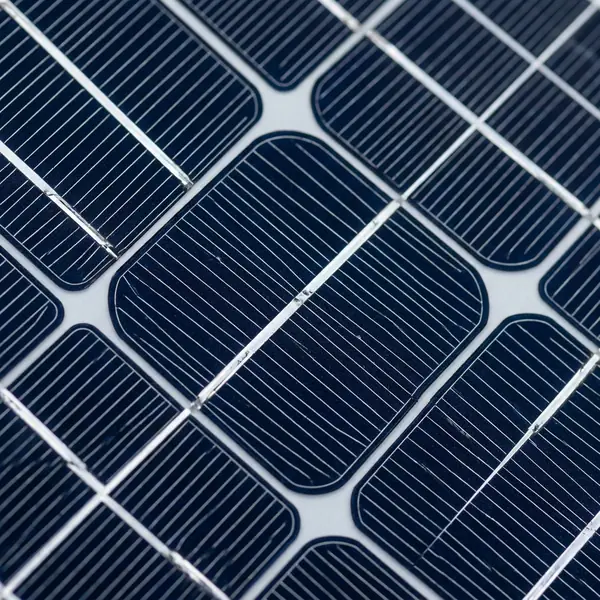
Proper installation plays a significant role in minimizing solar panel degradation rates over time. Ensuring that panels are mounted correctly can prevent water intrusion and reduce thermal stress.
It is advisable to use high-quality mounting systems that can withstand environmental challenges, such as wind and snow loads. This choice can enhance the longevity of the solar system and protect against premature degradation.
Regular maintenance, including cleaning and inspections, should be part of a comprehensive care plan. Dust, dirt, and debris can obstruct sunlight and reduce efficiency, so keeping panels clean is essential for optimal performance.




