Solar Panel Hail Damage: Insurance Claims and Replacement Guide
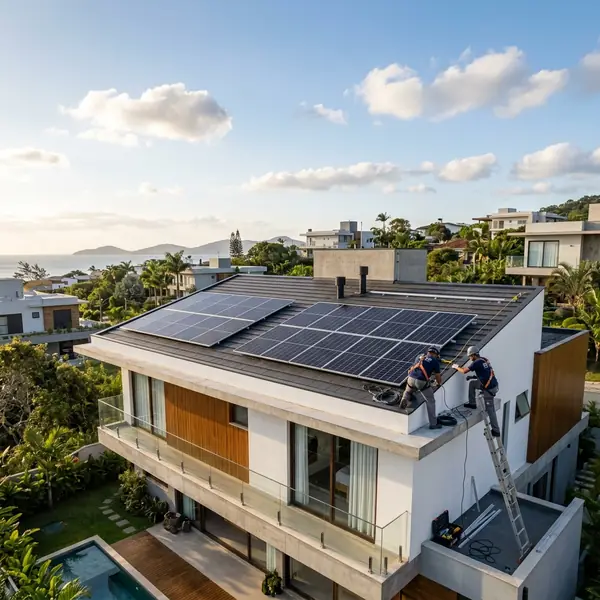
If hail damages your solar panels, photograph the damage, switch off the system breaker, and file an insurance claim immediately.
Hail damage to solar panels can be a concerning issue for homeowners. Understanding how to manage insurance claims and replacements is important. This guide aims to provide you with the necessary steps to navigate the process smoothly.
Understanding Solar Panel Damage from Hail
If hail damages your solar panels, photograph the damage, switch off the system breaker, and file an insurance claim immediately. Choosing and installing the right system ensures energy independence and long-term utility bill reductions.
Solar panels are generally designed to withstand various weather conditions. However, severe hail can cause significant damage. The impact of hail can lead to cracks, chips, or even complete panel failure.
Most solar panels are rated to withstand hailstones up to a certain size. For instance, many solar panels can endure hailstones of up to one inch in diameter. However, larger hail can breach this threshold, leading to damage.
Common Types of Hail Damage
There are several kinds of damage that hail can inflict on solar panels. Here are the most common types:
- Cracks: These can develop on the surface of the panel, affecting energy output.
- Chips: Small pieces may break off, which can compromise the panel’s integrity.
- Complete Breakage: Severe hail can shatter panels, necessitating a full replacement.
Identifying the type of damage is key for the next steps in the claims process.
Steps to Take After Hail Damage
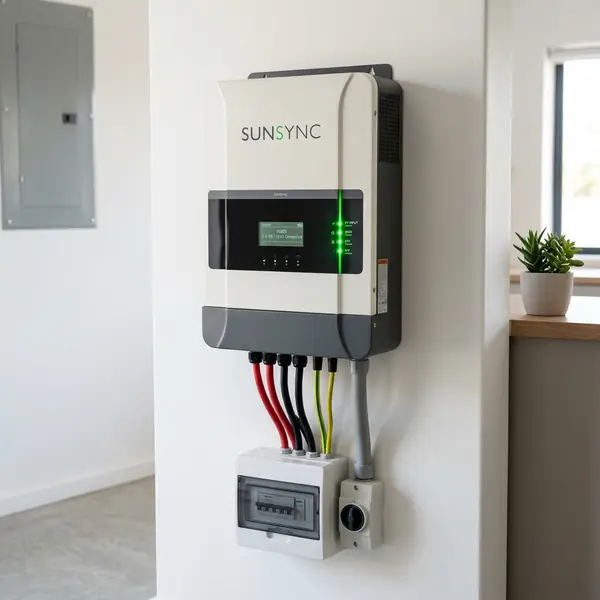
When you suspect that your solar panels have been damaged by hail, follow these steps:
1. Document the Damage
Start by taking clear photographs of the damaged areas. Capture images from different angles to provide comprehensive evidence. This documentation is important for your insurance claim.
2. Switch Off the System
For safety reasons, switch off your solar energy system from the breaker. This prevents any electrical hazards while you assess the damage. Ensure that no one attempts to operate the system until it is inspected.
3. Contact Your Insurance Provider
Notify your insurance company as soon as possible. Be prepared to provide them with the documentation you collected. Most insurance policies will cover hail damage, but specifics can vary.
Filing an Insurance Claim
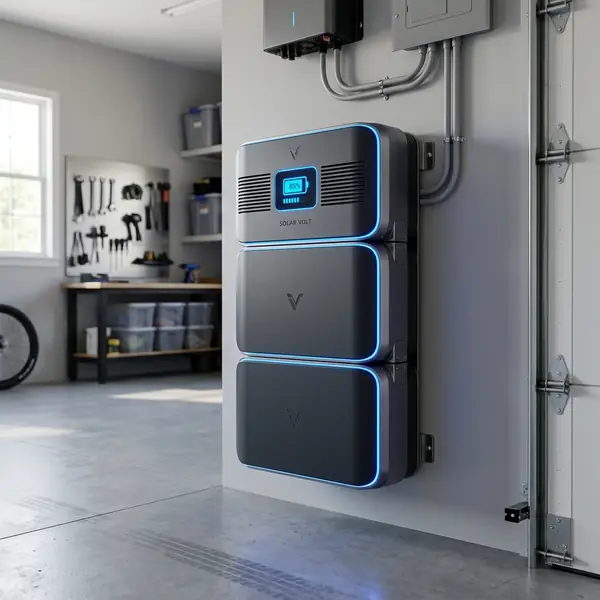
Filing an insurance claim can be straightforward when you have all the necessary information. Here’s how to efficiently navigate the process:
1. Review Your Policy
Before filing a claim, review your insurance policy. Look for specific clauses related to hail damage. Understanding your coverage will help you prepare your claim.
2. Complete the Claim Form
Fill out the claim form provided by your insurance company. Be thorough in your descriptions and attach all relevant photos. Clear communication is key to a successful claim.
3. Schedule an Inspection
Your insurance company may require an inspection of the damage. They will send an adjuster to assess the panels. Be present during this inspection to answer any questions they may have.
After the inspection, the adjuster will provide a report. This report will be key for determining the payout.
Replacement of Damaged Panels
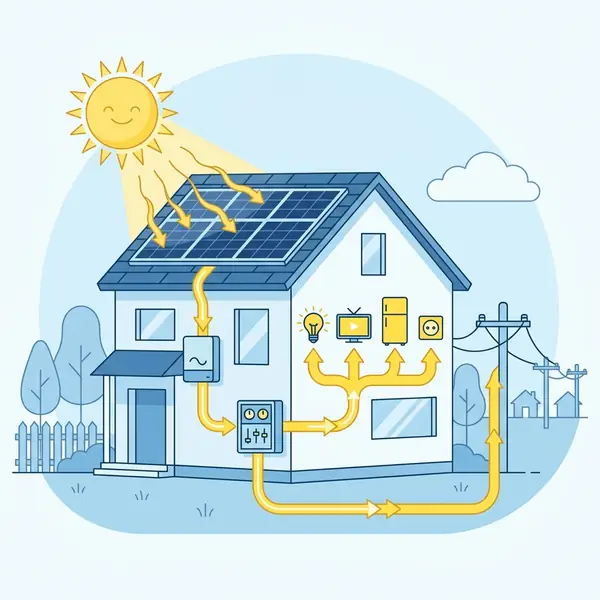
If your claim is approved, you may need to replace the damaged solar panels. Here are some considerations for the replacement process:
1. Choosing Replacement Panels
When selecting replacement panels, consider their efficiency ratings and warranty. Look for panels that offer a good balance between performance and price. The average cost for replacement solar panels ranges from $0.70 to $1.00 per watt.
2. Installation Costs
Installation costs can vary widely depending on location and complexity. On average, homeowners may pay between $1,500 and $3,000 for professional installation. Be sure to factor in these costs when budgeting for replacements.
3. Warranty Considerations
Check the warranty of the replacement panels. Many manufacturers offer warranties ranging from 10 to 25 years. This can provide peace of mind for future hail-related concerns.
DomineTec Tip: Always keep a detailed record of your solar panel installation and maintenance. This documentation can be invaluable in case of future claims.
Preventing Future Hail Damage
While it’s impossible to prevent all hail damage, there are steps you can take to mitigate risks:
1. Invest in Hail-Resistant Panels
Some manufacturers offer hail-resistant solar panels. These panels are designed to withstand larger hailstones, providing additional protection. Although they may cost more, the investment can be worthwhile.
2. Maintain a Proper Installation Angle
Panels installed at the right angle can help minimize the impact of hail. Consult with a professional installer to ensure optimal placement. Proper installation can increase durability and longevity.
Insurance Coverage for Solar Panels
Understanding how solar panels are covered under your homeowner's insurance is key. Most policies will cover damage from hail, but specifics can vary.
1. Types of Coverage
There are typically two types of coverage:
- Actual Cash Value (ACV): This coverage pays for the replacement cost minus depreciation. This means you might receive less than what you originally paid for the panels.
- Replacement Cost Value (RCV): This coverage pays for the full replacement cost without depreciation. This is generally the better option for homeowners.
2. Policy Exclusions
Be aware of any exclusions in your policy. For example, some policies may not cover damages resulting from maintenance neglect or poor installation. Always read the fine print.
Comparative Data on Solar Panel Replacement Costs
Here’s a comparison table showcasing average costs and warranties for different solar panel brands:
| Brand | Cost per Watt (USD) | Warranty (Years) | Efficiency (%) |
|---|---|---|---|
| SunPower | $0.90 | 25 | 22.8 |
| LG | $0.85 | 25 | 21.7 |
| Canadian Solar | $0.70 | 12 | 18.5 |
| Q CELLS | $0.75 | 25 | 20.3 |
Choosing the right replacement panels can significantly affect long-term performance and reliability. Consider both cost and efficiency when making your decision.
Conclusion
Hail damage to solar panels can be distressing. However, knowing how to handle insurance claims and replacements can ease the process. Always document the damage, contact your insurance provider, and consider your replacement options carefully.
For more information on solar energy and maintenance, check out our articles on complete solar systems and improving solar efficiency.
FAQ Section
Will my homeowner's insurance cover hail damage to solar panels?
Most homeowner's insurance policies cover hail damage, but it's important to review your specific policy details.
How long does the insurance claim process take?
The claim process can vary but typically takes anywhere from a few days to several weeks depending on the insurer.
What are the signs of hail damage on solar panels?
Common signs include visible cracks, chips, or broken panels. Reduced energy output can also indicate damage.
Should I replace my solar panels after hail damage?
If the damage is severe, replacement may be necessary. Consult a professional to assess the extent of the damage.
For additional resources and guidance, visit the National Renewable Energy Laboratory.
Understanding Hail Damage to Solar Panels
Hail damage to solar panels can occur when severe weather strikes. The impact of hailstones can lead to cracks, dents, or even complete panel failure. It's important to understand how this damage can affect your solar energy system's performance and longevity.
Typically, solar panels are designed to withstand harsh weather conditions, including hail. However, the severity of the storm, the size of the hailstones, and the angle of impact all play key roles in determining the extent of damage. Regular inspections after severe weather can help identify issues early.
To assess hail damage, look for visible signs such as cracks on the glass surface or any deformation around the edges of the panels. Even small, seemingly insignificant cracks can lead to more severe problems over time, affecting energy output and efficiency.
Documenting Hail Damage for Insurance Claims
When it comes to filing an insurance claim for hail damage, documentation is key. Begin by taking clear photographs of the affected solar panels, focusing on any visible damage. These images will serve as key evidence in your claim.
In addition to photographs, gather any relevant information, such as the date of the storm, the size of the hail, and any available weather reports. This data helps establish the conditions that led to the damage and supports your claim.
Don't forget to maintain records of your solar panel installation and maintenance history. This information can demonstrate that your system was well-maintained prior to the damage, which may help your case with the insurance company.
Filing an Insurance Claim for Solar Panel Hail Damage
Once you've documented the damage, it's time to file your insurance claim. Start by contacting your insurance provider to understand their specific process for claims related to hail damage. Different insurers may have varying requirements, so it’s important to be aware of what is needed.
Provide all necessary documentation, including your photographs, storm data, and maintenance records. Be detailed in your description of the damage and its impact on your solar panel system. Clarity can expedite the claims process and improve your chances of a favorable outcome.
After submitting your claim, keep track of all correspondence with your insurance company. Follow up regularly to ensure your claim is being processed in a timely manner. Patience and persistence can often lead to a successful resolution.
Replacing Hail-Damaged Solar Panels
If your insurance claim is approved, the next step is replacing the damaged solar panels. Work with your insurance provider to understand the coverage specifics for the replacement process. This will help clarify whether they will cover the full cost or only a portion, helping you budget accordingly.
When selecting replacement panels, consider the same brand and model as your existing ones for compatibility. However, this is also an opportunity to upgrade to newer technology that may offer improved efficiency or warranties.
Engage a qualified solar installer to ensure proper installation of your new panels. A professional installation will not only ensure optimal performance but also help in maintaining your warranty. Always ask for references or reviews before choosing an installer for your replacement panels.
Do solar panels generate electricity without direct sunlight?
Yes, they produce power on cloudy days but at a reduced capacity of 10% to 25%. They do not generate electricity at night.
How much maintenance do home solar panels require?
Maintenance is minimal, typically involving cleaning the panels twice a year and performing a system health check.
Do I need battery storage for my solar energy system?
It is not required for grid-tied systems, but batteries are vital for off-grid operations or backup power during grid blackouts.
Can I completely eliminate my monthly electricity bill?
You cannot reach absolute zero because most utilities charge a basic monthly grid connection fee regardless of production.




