Why Is My Solar Inverter Beeping or Turning Off? Troubleshooting
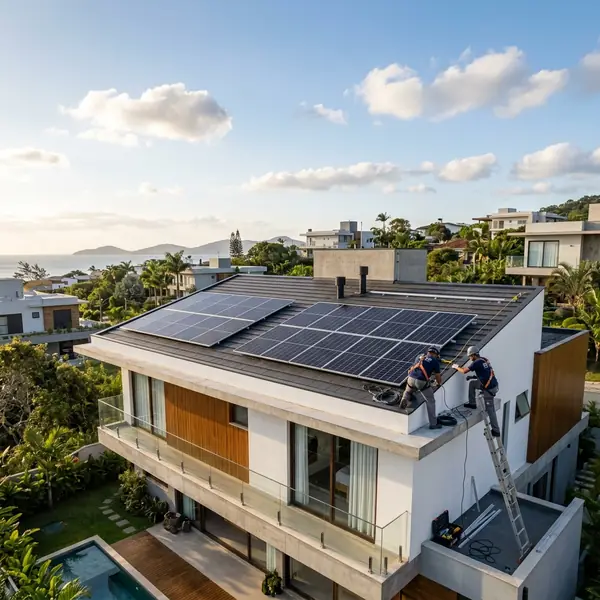
A beeping or shutting down solar inverter indicates isolation faults, overheating, or utility grid voltage fluctuations.
Understanding Your Solar Inverter
A beeping or shutting down solar inverter indicates isolation faults, overheating, or utility grid voltage fluctuations. Choosing and installing the right system ensures energy independence and long-term utility bill reductions.
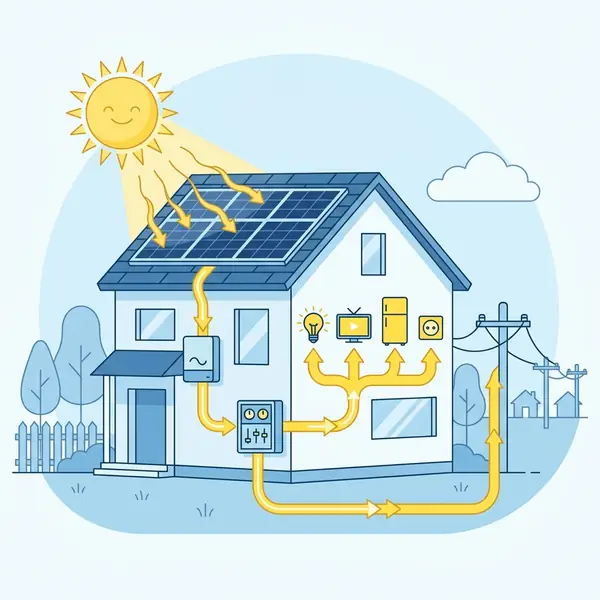
Your solar inverter plays a key role in converting the direct current (DC) produced by your solar panels into alternating current (AC) for your home. When it malfunctions, it can be frustrating. Beeping or shutting down are common signs indicating an issue that needs your attention.
Inverters are designed to operate efficiently and safely. Understanding the reasons behind their alerts can help you troubleshoot effectively. This article will guide you through the common causes of inverter beeping and shutdowns, providing practical solutions.
Common Causes of a Beeping Solar Inverter
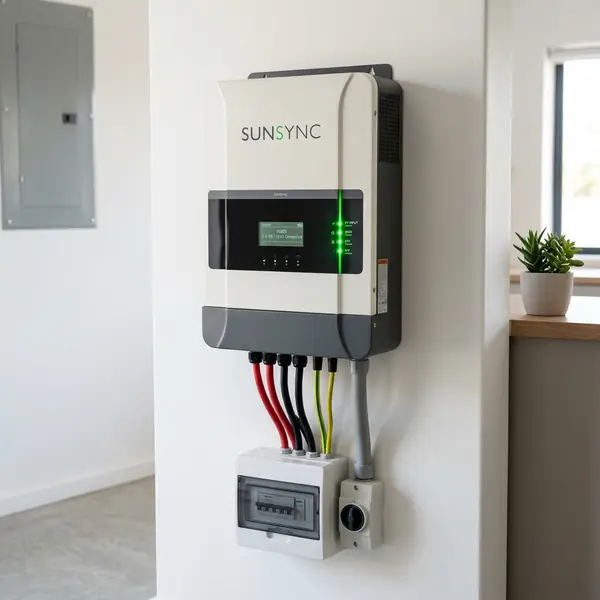
1. Isolation Faults
Isolation faults occur when there is a break in the electrical connection within the system. This can happen due to wear and tear or external factors like rodents chewing on wires. Inverters are equipped with safety mechanisms that trigger alerts when these faults occur.
When you hear beeping, it could indicate that the inverter is detecting a disconnection between the solar panels and the inverter. This safety feature is designed to prevent potential hazards like electrical fires.
2. Overheating Issues
Inverters generate heat during operation. If the unit is not adequately ventilated or is placed in a hot environment, it may overheat. Most inverters have built-in thermal protection that will shut the unit down to prevent damage.
Overheating can also be caused by dust accumulation or obstructed airflow. Ensure that your inverter is installed in a shaded area and has sufficient space around it for cooling.
3. Utility Grid Voltage Fluctuations
Your inverter relies on the utility grid for a stable voltage supply. Fluctuations in grid voltage can cause the inverter to beep or shut down. If the voltage is too high or too low, the inverter will disconnect to protect itself and your equipment.
Monitoring your local grid's performance can help identify recurring issues. If you experience frequent disturbances, it may be worth contacting your utility provider.
What to Do When Your Inverter Beeps or Shuts Down
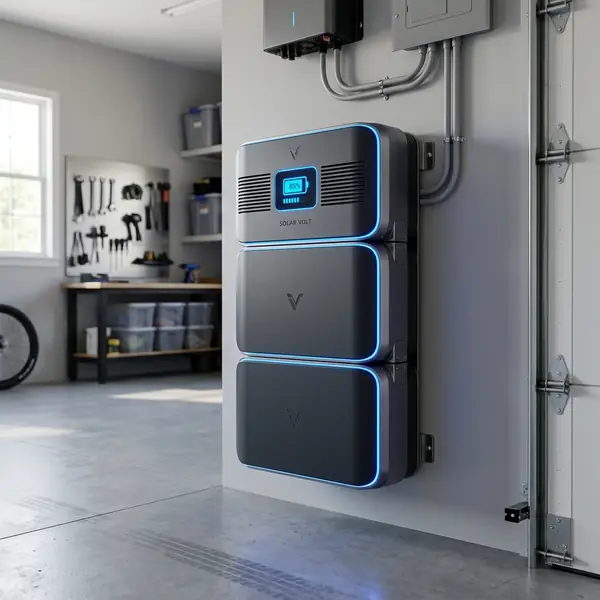
1. Check the Error Codes
Most modern inverters come equipped with an LCD display or LED indicators. These displays provide error codes that help diagnose the issue. Refer to your inverter’s manual for specific code meanings.
Not all inverters display the same codes, so it's important to have the manual handy. Understanding these codes can streamline troubleshooting efforts.
2. Inspect the Wiring and Connections
Inspect all wiring and connections for any visible damage. Look for signs of wear, fraying, or loose connections. Tighten any loose connections and replace any damaged wires.
Ensure that the connections between the solar panels and the inverter are secure. Poor connections can lead to isolation faults, causing beeping alerts.
3. Monitor Operating Temperature
If your inverter is beeping due to overheating, monitor its operating temperature. Ensure it is installed in a well-ventilated area. If it is still overheating, consider relocating it or adding additional ventilation.
Check for dust buildup on the inverter's vents and clean them regularly to maintain airflow.
4. Consult a Professional
If you cannot diagnose or fix the issue, it may be time to consult a professional. Solar energy experts can provide detailed inspections and repairs. They have the tools necessary to pinpoint issues that may not be visible.
Don't ignore persistent beeping or shutdowns. They can indicate more serious issues that could affect the performance of your solar system.
Preventive Measures for Solar Inverter Issues
Preventive maintenance can help avoid many of the issues that lead to beeping or shutdowns. Here are some strategies to consider:
1. Regular Maintenance Checks
Schedule regular maintenance checks with a professional. This can help identify potential issues before they escalate. Many companies offer annual maintenance plans to help keep your system in optimal condition.
2. Upgrade Your Inverter
If your inverter is old or frequently malfunctions, it may be time for an upgrade. Newer models are more efficient and come with advanced features. These features can help prevent common issues that lead to beeping or shutdowns.
3. Monitor System Performance
Utilize monitoring tools to keep an eye on your solar system's performance. Many modern inverters come with apps that allow you to monitor energy production and system health in real-time.
Keeping track of performance can help you notice anomalies early, preventing long-term issues.
Understanding Inverter Specifications and Performance
To troubleshoot effectively, it's important to understand your inverter's specifications. Here are some key factors to consider:
1. Inverter Efficiency
Efficiency ratings indicate how well an inverter converts DC to AC. Most modern inverters have efficiencies between 95% and 98%. Lower efficiency can lead to unnecessary energy loss and may cause overheating.
2. Power Capacity
Inverters have a specific power capacity, measured in kilowatts (kW). Ensure your inverter can handle the output from your solar panels. Under or overloading the inverter can lead to performance issues.
3. Warranty and Support
Check the warranty and support options for your inverter. A good warranty can provide peace of mind in case of malfunctions. Ensure you know the process for claiming warranty service if issues arise.
Understanding Your Solar System's Components
Familiarizing yourself with the components of your solar system can help you troubleshoot inverter issues more effectively. Here’s a brief overview:
| Component | Function |
|---|---|
| Solar Panels | Convert sunlight to DC electricity. |
| Inverter | Converts DC electricity to AC for home use. |
| Batteries | Store excess energy for later use. |
| Charge Controller | Regulates battery charging and discharging. |
| Monitoring System | Tracks energy production and system performance. |
DomineTec Tip: Regularly maintain your solar system components to ensure longevity and optimal performance.
FAQs
Can I reset my solar inverter?
Yes, most inverters can be reset by turning them off and then back on. Refer to your manual for specific instructions.
How often should I maintain my solar inverter?
It's recommended to conduct maintenance checks at least once a year to ensure optimal performance.
What does it mean when my inverter shuts down?
A shutdown typically indicates an overheating issue, isolation fault, or utility grid problem. Check your inverter’s error codes.
Is it worth upgrading my solar inverter?
If your inverter frequently malfunctions or is outdated, upgrading can improve efficiency and reliability, which can save money in the long run.
For more insights on solar energy systems, consider reading about effective solar solutions and solar energy technology advancements.
For official information and resources, visit the National Renewable Energy Laboratory (NREL).
Understanding the Beeping Sounds
Solar inverters are designed to operate quietly, but they may emit beeping sounds under certain conditions. These sounds typically serve as alerts for system malfunctions or operational issues. Understanding what these beeping patterns mean is key for effective troubleshooting.
For instance, a continuous beeping may indicate that the inverter is in an error state, while intermittent beeping can signal a warning that requires your attention. Different manufacturers have specific beep codes, so consult your inverter's manual for precise guidance on what each sound signifies.
Additionally, some inverters provide visual indicators alongside audible alerts. A flashing LED light combined with beeping could pinpoint specific issues, such as low voltage or overtemperature conditions. Recognizing these patterns can save you time and help you determine whether you need professional assistance.
Common Issues That Cause Inverter Shutdown
Solar inverters may shut down for a variety of reasons. One of the most frequent causes is overheating, which can occur due to inadequate ventilation or extremely high ambient temperatures. Inverters have built-in thermal protection systems that deactivate them when temperatures exceed safe operating limits.
Another common issue is grid connection problems. If your inverter detects an unstable or faulty connection to the grid, it may shut down to protect itself and the solar system. Regular checks on your grid connection can prevent this disruption.
Lastly, issues related to the solar panel array can also lead to inverter shutdown. Poorly performing panels, such as those that are dirty or damaged, can affect the inverter's ability to operate efficiently. Regular maintenance and inspections of your solar panels can mitigate these risks.
Steps for Troubleshooting Your Inverter
When your solar inverter starts beeping or turns off, a systematic approach to troubleshooting can help identify the issue. First, check the inverter display for any error codes or warning messages. These indicators can provide valuable information on what may be wrong.
Next, inspect the physical environment around the inverter. Ensure that the unit is well-ventilated and not exposed to excessive dust or debris that could obstruct airflow. Cleaning the inverter and its surrounding area can often resolve overheating issues.
After checking the environment, review the connections. Ensure that all cables are securely connected and free from damage. A loose or frayed cable can disrupt the inverter’s operation and cause it to shut down unexpectedly.
When to Contact a Professional
While many inverter issues can be resolved through basic troubleshooting, some situations warrant professional assistance. If your inverter continues to beep or shut down after following troubleshooting steps, it may indicate a more serious problem.
In particular, if you notice frequent shutdowns or error messages that you cannot resolve, contacting a qualified technician is advisable. They can perform diagnostic tests and repairs that require specialized knowledge and tools.
Additionally, if your inverter is still under warranty, it's key to reach out to your service provider. Attempting repairs without proper authorization could void the warranty, leaving you responsible for costly fixes. Always prioritize safety and efficiency by consulting a professional when in doubt.
Do solar panels generate electricity without direct sunlight?
Yes, they produce power on cloudy days but at a reduced capacity of 10% to 25%. They do not generate electricity at night.
How much maintenance do home solar panels require?
Maintenance is minimal, typically involving cleaning the panels twice a year and performing a system health check.
Do I need battery storage for my solar energy system?
It is not required for grid-tied systems, but batteries are vital for off-grid operations or backup power during grid blackouts.
Can I completely eliminate my monthly electricity bill?
You cannot reach absolute zero because most utilities charge a basic monthly grid connection fee regardless of production.




