Solar Energy for Rural and Farm Properties: Installation Guide
Introduction to Solar Energy for Rural Areas
Solar energy provides an efficient and sustainable power solution for rural and farm properties. The adoption of solar technology can lead to reduced energy costs and a smaller carbon footprint.
Understanding Solar Energy Components
Solar energy systems typically consist of solar panels, inverters, mounting systems, and batteries. Each component plays a crucial role in converting sunlight into usable electricity.
Solar Panels
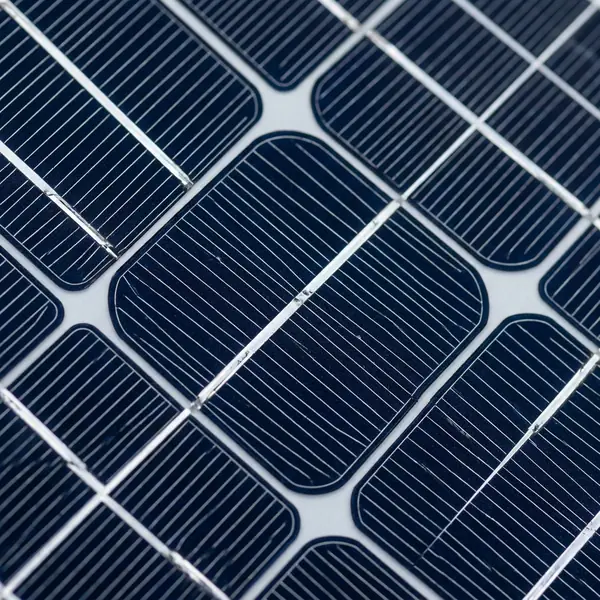
Solar panels capture sunlight and convert it into electricity through photovoltaic cells. The efficiency and quality of these panels can greatly influence the overall performance of the solar energy system.
Inverters
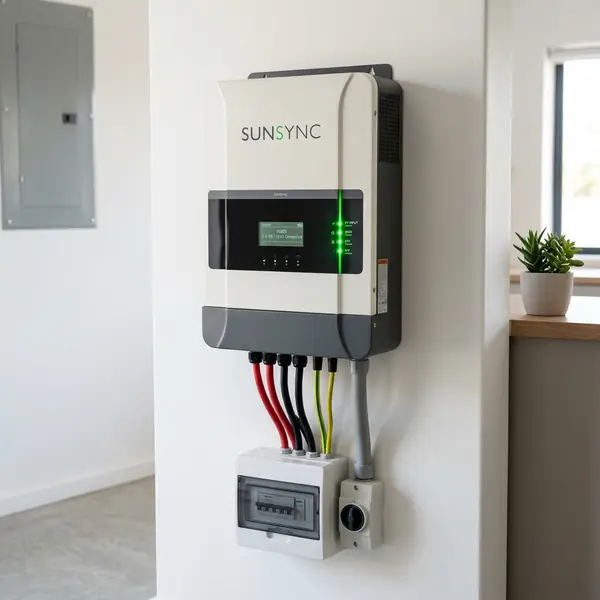
Inverters are responsible for converting the direct current (DC) generated by solar panels into alternating current (AC). The choice between a string inverter and microinverters can affect system performance and installation complexity.
Mounting Systems
Mounting systems secure solar panels to rooftops or ground mounts. Proper installation of these systems is essential to optimize exposure to sunlight and ensure durability.
Batteries
Batteries store excess energy generated during the day for use at night or during periods of low sunlight. Including battery storage can increase the reliability of a solar energy system, especially in rural settings.
Installation Process of Solar Energy Systems
Installing a solar energy system involves several key steps that need to be followed meticulously. Proper planning and execution can maximize efficiency and cost savings.
Site Assessment and Practical Aspects
A thorough site assessment is necessary to evaluate the solar potential of the property. Factors such as roof orientation, shading from trees or buildings, and available space should be considered.
System Design
After site assessment, a customized system design can be created. This design should consider energy needs, budget constraints, and local regulations.
Permitting and Regulations
Before installation, obtaining the necessary permits and adhering to local regulations is essential. Compliance ensures the system meets safety and legal standards.
Installation
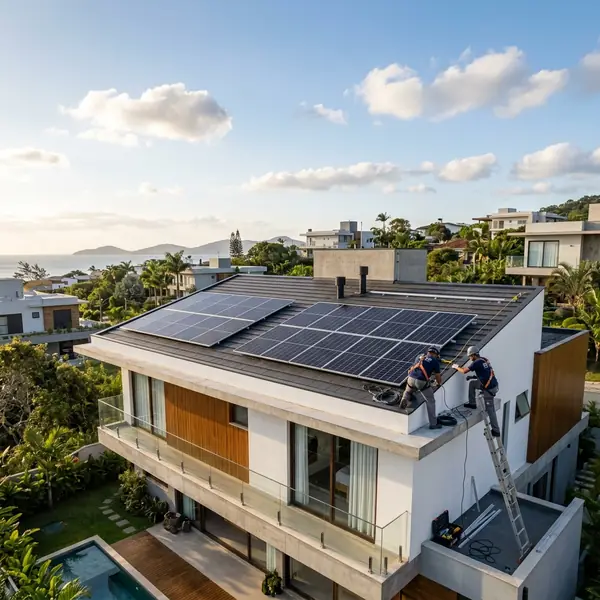
Installation can be carried out by professional installers or experienced DIY enthusiasts. This process includes mounting the solar panels, installing the inverter, and connecting the electrical components.
System Testing
Once installed, the system should undergo thorough testing to ensure proper functionality. Verifying connections and performance metrics can prevent future issues.
Financial Considerations
Investing in solar energy systems can lead to significant financial savings over time. Understanding the costs and available incentives can help in making informed decisions.
Initial Costs
The initial cost of purchasing and installing solar panels can be substantial. However, the long-term savings on electricity bills often justify this investment.
Incentives and Rebates
Various government incentives and rebates are available to homeowners and farmers investing in solar energy. These can significantly reduce the upfront costs associated with solar installations.
Return on Investment (ROI)
The ROI for solar energy systems can vary based on energy consumption and local electricity rates. Generally, most systems achieve payback within 5 to 10 years.
Environmental Benefits
Solar energy systems offer numerous environmental benefits, making them an attractive option for rural and farm properties. Transitioning to renewable energy sources can contribute to sustainability efforts.
Reduction in Greenhouse Gas Emissions
Solar energy significantly reduces greenhouse gas emissions compared to fossil fuels. This transition helps mitigate climate change and promotes cleaner air quality.
Conservation of Natural Resources
Utilizing solar energy conserves natural resources, such as water and fossil fuels. This is particularly important in agricultural settings where water scarcity can be a concern.
Frequently Asked Questions
How to evaluate the solar potential of a property?
Evaluating solar potential involves assessing factors such as roof orientation, shading, and available space for solar installations. A professional assessment can provide a detailed analysis.
What is the lifespan of solar panels?
Most solar panels have a lifespan of 25 to 30 years. Regular maintenance can help extend their operational efficiency and longevity.
How to maintain a solar energy system?
Maintenance typically involves cleaning the panels and checking for any shading issues. Regular inspections can help identify and resolve potential problems early.
Can solar panels function in cloudy weather?
Yes, solar panels can still generate electricity on cloudy days, although at a reduced capacity. Understanding how solar panels work on cloudy days can help set realistic expectations.
How to determine the number of solar panels needed?
The number of solar panels needed depends on energy consumption and available space. Utilizing tools like the solar panel calculator can assist in making this determination.
DomineTec Tip: Always consider local climate conditions and energy needs when designing a solar energy system.
Section 1: Understanding Solar Energy Systems
Solar energy systems convert sunlight into electricity through photovoltaic (PV) panels. These systems consist of several components, including inverters, mounting structures, and battery storage options.
Familiarity with these components is crucial for effective installation and maintenance. A strong understanding of system design will improve energy efficiency and optimize performance.
Section 2: Site Assessment and Preparation
A thorough site assessment is essential to determine solar potential. Factors such as roof orientation, shading from trees or buildings, and local climate conditions significantly affect energy production.
Soil stability and land topography should also be evaluated, particularly for ground-mounted systems. An appropriate site preparation plan will mitigate future installation challenges.
Section 3: Installation Checklist
An installation checklist ensures all necessary components and tools are prepared before starting. Essential items include solar panels, inverters, wiring, mounting hardware, and safety gear.
Verification of local building codes and permitting requirements is also crucial. Compliance with these regulations can prevent costly delays during installation.
Section 4: Electrical Connections and Safety Protocols
Electrical connections must be executed with precision to ensure safety and system functionality. Proper grounding techniques and circuit protection are vital to prevent electrical hazards.
Utilization of personal protective equipment (PPE) during installation is mandatory. This practice helps to mitigate risks associated with electrical work and heavy lifting.
Section 5: Troubleshooting Common Installation Issues
Common installation issues include insufficient sunlight exposure and poor wiring connections. These problems can lead to reduced energy output and system inefficiencies.
Regular system monitoring and performance checks can help identify issues early. Utilizing diagnostic tools can further simplify troubleshooting and enhance system reliability.
Section 6: Warranty Specifications and Maintenance Requirements
Understanding warranty specifications for solar panels and inverters is crucial for long-term investment protection. Most manufacturers offer warranties ranging from 10 to 25 years, covering defects and performance guarantees.
Regular maintenance is recommended to ensure optimal performance and longevity. This includes cleaning panels, inspecting wiring, and checking inverter function routinely.
Section 7: Financial Incentives and Funding Options
Various financial incentives are available for solar energy systems, including tax credits and rebates. These programs can significantly reduce upfront costs for rural and farm properties.
Exploring funding options such as grants or low-interest loans can also enhance affordability. A comprehensive understanding of these financial opportunities can facilitate informed investment decisions.
Understanding Solar Energy Systems
Solar energy systems harness sunlight to produce electricity or heat. These systems can significantly reduce energy costs for rural and farm properties.
Types of Solar Energy Systems
- Photovoltaic (PV) Systems: Convert sunlight directly into electricity using solar panels.
- Solar Thermal Systems: Use sunlight to heat water or air for residential or agricultural use.
- Concentrated Solar Power (CSP): Utilize mirrors to focus sunlight, generating high temperatures for electricity production.
Benefits of Solar Energy for Rural Areas
Solar energy offers multiple advantages for rural properties, including independence from the grid. Additionally, it can provide a reliable energy source for essential agricultural activities.
Cost Savings
Investing in solar can lead to significant long-term savings on energy bills. Tax incentives and rebates further enhance these financial benefits.
Environmental Impact
Solar energy reduces reliance on fossil fuels, leading to lower carbon emissions. This contributes to a cleaner environment, which is particularly beneficial for farming practices.
Energy Independence
Solar installations allow properties to generate their own power, reducing dependence on utility companies. This can be crucial during power outages or energy price spikes.
Assessing Solar Energy Needs
Determining energy requirements is essential before installation. This assessment will guide the size and type of solar system needed.
Evaluating Energy Consumption
Analyzing past utility bills helps in understanding energy usage patterns. Identifying peak consumption times can also inform system design.
Site Assessment
The installation site should receive adequate sunlight throughout the year. Factors such as shading from trees or buildings can impact energy production.
Choosing the Right Solar System
Selecting the appropriate solar system involves considering specific needs and available space. Different systems may cater to varying energy demands.
Grid-Tied vs. Off-Grid Systems
- Grid-Tied Systems: Connect to the local electricity grid, allowing for net metering and energy trading.
- Off-Grid Systems: Function independently, relying on battery storage for energy when sunlight is not available.
System Components
- Solar Panels: Capture sunlight and convert it to electricity.
- Inverters: Convert direct current (DC) electricity from solar panels to alternating current (AC) for home use.
- Battery Storage: Stores excess energy for use during non-sunny periods.
Installation Process
Installing a solar energy system involves several key steps. Proper installation ensures maximized efficiency and longevity of the system.
Permitting and Regulations (Market overview analysis)
Check local regulations and obtain the necessary permits before installation. Compliance with zoning laws and building codes is crucial.
Finding a Qualified Installer
Hiring a certified and experienced solar installer is recommended. This ensures adherence to industry standards and optimal system performance.
Installation Steps
- Site Preparation: Clear the installation area and ensure it is free from obstructions.
- Mounting Structure Installation: Securely install the mounting framework for solar panels.
- Solar Panel Installation: Attach solar panels to the mounted structure.
- Wiring and Inverter Setup: Connect the solar panels to the inverter and electrical system.
Maintenance of Solar Energy Systems
Regular maintenance is essential to keep solar systems operating efficiently. Simple tasks can enhance the longevity and performance of solar panels.
Cleaning Solar Panels
Dust and debris can accumulate on solar panels, reducing their efficiency. Periodic cleaning, especially after extreme weather, is advisable.
Monitoring System Performance
Installing monitoring systems can help track energy production. This allows for early detection of any issues that may arise.
Understanding Financial Incentives
Financial incentives can significantly reduce the initial investment cost for solar systems. Understanding available options can enhance affordability.
Federal Tax Credits
The federal solar tax credit allows property owners to deduct a percentage of the installation cost from their federal taxes. This incentive can lead to substantial savings.
State and Local Incentives
- Rebates: Many states offer rebates for solar installations that can lower upfront costs.
- Net Metering: Allows property owners to receive credits for excess energy sent back to the grid.
Conclusion
Solar energy presents a viable solution for rural and farm properties seeking sustainable energy options. Proper planning, installation, and maintenance can maximize benefits while minimizing environmental impact.
Understanding Solar Energy Systems for Rural Applications
Solar energy systems for rural and farm properties typically consist of photovoltaic (PV) panels, inverters, and battery storage units. Each component must be selected based on the energy needs and geographical location of the property to ensure optimal performance.
When selecting PV panels, consider factors such as efficiency ratings, temperature coefficients, and warranty specifications. High-efficiency panels may be more expensive but can yield higher energy production in limited space.
Inverters play a crucial role in converting the direct current (DC) generated by solar panels into alternating current (AC) usable by household appliances. Choosing the right type of inverter, whether string, micro, or power optimizers, is essential for maximizing energy harvest.
Installation Checklist and Troubleshooting Tips
Before installation, ensure that all necessary permits and approvals have been obtained from local authorities. An installation checklist should include site assessment, structural integrity verification, and equipment compatibility.
During installation, it is important to check for proper mounting and orientation of solar panels to maximize sun exposure. Any shading from nearby trees or buildings should be assessed and mitigated to prevent energy loss.
If issues arise post-installation, common troubleshooting steps include verifying connections, checking inverter settings, and monitoring system performance through the monitoring app. Additionally, regularly scheduled maintenance can help identify potential issues before they affect energy production.




