1. Direct Introduction
The contemporary landscape of home entertainment has undergone a monumental paradigm shift over the past decade, transitioning the humble television from a passive reception monitor into a highly sophisticated, internet-connected computer system known universally as the smart television. Despite this incredible leap in functionality, integrating vast libraries of high-definition streaming content, interactive applications, and smart home command centers directly into the living room, users frequently encounter a deeply frustrating phenomenon: severe operational latency, commonly referred to as smart TV lagging. This degradation in performance manifests in a multitude of disruptive ways, ranging from agonizingly slow user interface navigation and delayed remote control input responses to catastrophic frame drops during high-bitrate video playback, audio-video desynchronization, and random application crashes. The core of this issue stems from the inescapable reality that a smart TV is fundamentally an embedded computer system, constrained by strict thermal limitations, aggressive cost-cutting measures by manufacturers, and the relentless demand for processing power dictated by modern software applications. Unlike desktop computers or premium smartphones, which are routinely equipped with vast reserves of random access memory, ultra-fast solid-state storage, and highly advanced multi-core processors featuring expansive thermal dissipation solutions, the vast majority of smart televisions are engineered with the absolute minimum hardware specifications required to boot the operating system and execute fundamental media playback tasks. Consequently, as operating systems receive continuous, feature-heavy updates and streaming applications incorporate increasingly complex digital rights management protocols, high-resolution graphical assets, and background telemetry processes, the foundational hardware quickly becomes entirely overwhelmed. This comprehensive, highly technical exposition is designed to meticulously dissect the underlying causes of smart TV lagging, providing a profound exploration of the architectural bottlenecks, network connectivity challenges, software inefficiencies, and hardware limitations that plague these devices. By thoroughly understanding the intricate interplay between the system-on-a-chip, volatile memory management, local area network topologies, and background system services, users and technicians alike can implement a strategic, multi-layered approach to optimization. This guide will not merely offer superficial troubleshooting steps such as power-cycling the device, but will instead delve into advanced methodologies including network packet prioritization, operating system debloating via command-line interfaces, external hardware offloading, and cryptographic processing overhead reduction, ultimately ensuring a fluid, highly responsive, and lag-free entertainment experience.
2. Basic Architecture
To fully comprehend the myriad reasons why a smart television exhibits lagging behavior, it is absolutely essential to first dissect its fundamental hardware and software architecture, which operates on principles similar to mobile computing but with distinct, television-specific compromises. At the literal heart of every modern smart television lies the System-on-a-Chip, an integrated circuit that consolidates the central processing unit, the graphics processing unit, the digital signal processor for audio and video decoding, the memory controller, and various input/output interfaces onto a single silicon substrate. These SoCs are typically designed around the Advanced RISC Machines architecture, utilizing power-efficient but computationally limited Cortex cores to handle the operating system and user interface, while relying heavily on dedicated hardware decoding blocks to process complex video codecs such as High Efficiency Video Coding and AV1. Accompanying this processor is the Random Access Memory, a component where manufacturers notoriously implement the most aggressive cost-cutting strategies; it is remarkably common to find even large, premium-priced televisions equipped with a mere one to two gigabytes of shared memory. This minimal allocation must simultaneously support the underlying operating system kernel, the graphical user interface render pipeline, the active streaming application, and the massive frame buffers required for processing ultra-high-definition video. Furthermore, the internal storage utilized for the operating system and user-installed applications is almost universally based on embedded MultiMediaCard technology, which offers drastically slower read and write speeds compared to the Non-Volatile Memory Express solid-state drives found in modern computing devices. This slow storage interface heavily penalizes the system when swapping memory pages or loading large application assets, directly resulting in the user interface stuttering often experienced immediately after booting the television. Layered atop this highly constrained hardware foundation is the operating system environment, which varies dramatically depending on the manufacturer: Samsung utilizes a proprietary Linux-based system known as Tizen, LG employs a heavily modified web-centric platform called WebOS, while Sony, TCL, and Hisense frequently adopt Google's Android TV or Google TV platforms. Each of these operating systems features a highly complex software stack comprising a Linux kernel at the base, hardware abstraction layers for the specific SoC, intermediate system services managing network connectivity and peripheral inputs, and finally, the user-facing application layer often constructed using memory-intensive web technologies such as HTML5, JavaScript, and Cascading Style Sheets. The continuous execution of these high-level programming languages on remarkably low-end hardware inevitably leads to execution delays and processing bottlenecks, as the JavaScript engines struggle to compile and execute complex application logic within the strict time constraints required to maintain a smooth, sixty-frames-per-second user interface rendering target. Furthermore, the network interface controllers embedded within these televisions, responsible for fetching gigabytes of streaming data, are frequently implemented using older, cheaper standards, creating yet another critical choke point in the overall architectural pipeline that actively contributes to systemic lagging.
3. Challenges and Bottlenecks
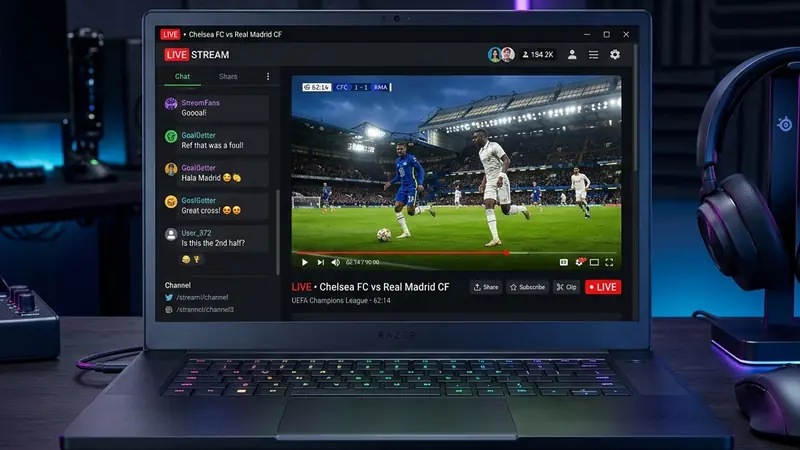
The operational challenges and systemic bottlenecks that directly precipitate smart TV lagging are multifaceted, originating from a complex combination of physical hardware limitations, unoptimized software engineering practices, and environmental interference within the user's home network. One of the most prominent and ubiquitous bottlenecks is the chronic mismanagement of volatile memory by third-party streaming applications. Applications developed for platforms like Tizen, WebOS, and Android TV are frequently ported from other environments with minimal platform-specific optimization, leading to severe memory leaks where the application fails to release memory allocations after they are no longer required. Over a prolonged viewing session, this gradual exhaustion of available RAM forces the operating system's kernel to invoke aggressive out-of-memory killer routines, frantically terminating background processes and constantly swapping data to the slow eMMC storage, which instantly translates to catastrophic user interface freezing and input latency. Compounding this software challenge is the physical reality of thermal throttling, a hardware protection mechanism that severely restricts processing performance to prevent catastrophic silicon degradation. Modern televisions are engineered with an overwhelming emphasis on aesthetic thinness, completely eliminating active cooling solutions such as fans in favor of inadequate passive heat sinks. When a television is tasked with simultaneously decoding a high-bitrate 4K HDR video stream, applying complex algorithmic motion interpolation, upscaling lower-resolution content, and maintaining an active Wi-Fi connection, the SoC generates substantial thermal output. As temperatures rapidly escalate within the confined chassis, the system artificially lowers the CPU and GPU clock speeds, drastically reducing processing throughput and causing immediate, highly noticeable lagging across the entire operating system. Network connectivity presents another formidable bottleneck, particularly concerning wireless transmission protocols. Many smart televisions are equipped with substandard Wi-Fi antennas and network interface controllers that struggle to maintain a stable connection, especially when operating on the highly congested 2.4 gigahertz frequency band, which is incredibly susceptible to electromagnetic interference from neighboring routers, microwave ovens, cordless telephones, and various Bluetooth devices. While the 5 gigahertz band offers substantially higher throughput and reduced interference, its significantly shorter physical range often results in poor signal attenuation if the television is located far from the wireless access point or separated by dense structural walls, leading to excessive packet loss, aggressive transmission control protocol retransmissions, and the dreaded infinite buffering icon during playback. Furthermore, even when utilizing a hardwired Ethernet connection, users are frequently astounded to discover that the vast majority of televisions, including high-end flagship models, are still equipped with antiquated Fast Ethernet ports limited to a maximum physical throughput of one hundred megabits per second, a baffling limitation that frequently chokes high-bitrate local network streaming from Plex or Jellyfin servers, introducing severe latency that the internal hardware cannot overcome.
4. Scalability Benefits
Addressing and systematically mitigating the underlying causes of smart TV lagging yields profound scalability benefits, transforming a sluggish, frustrating display panel into a highly robust, scalable node within the broader context of the modern, interconnected smart home ecosystem. When the internal processing bottlenecks and network constraints are effectively eliminated, the television is no longer merely a passive receiver of broadcast signals but rather a highly capable, scalable media distribution and smart home management hub. A fully optimized, lag-free television possesses the computational headroom required to seamlessly scale its output to accommodate the most demanding, highest-fidelity audio and video standards currently available on the market, including flawless, uncompressed Dolby Vision high dynamic range processing and multi-channel Dolby Atmos spatial audio pass-through, without dropping a single frame or introducing unacceptable audio desynchronization. This optimized state allows users to confidently scale their media consumption habits, transitioning from highly compressed, low-bitrate streaming services to managing massive, high-bitrate local media libraries hosted on sophisticated network-attached storage devices, safe in the knowledge that the television's network interface and decoding pipeline can handle sustained data transfers exceeding eighty megabits per second without faltering. Furthermore, the scalability benefits extend significantly into the realm of Internet of Things integration and concurrent task management. A smart TV freed from the constraints of artificial latency can effortlessly manage multiple simultaneous background connections to various smart home platforms, functioning as a real-time dashboard for displaying high-definition security camera feeds, managing complex lighting routines, and monitoring environmental sensors, all while perfectly maintaining fluid, uninterrupted primary media playback. This concurrent scalability also facilitates advanced multitasking features previously impossible on bloated firmware, such as genuine picture-in-picture functionalities, allowing users to monitor a live sporting event while concurrently participating in a video conference or navigating a secondary application without the user interface instantly locking up. By completely resolving the foundational hardware and software inefficiencies, the life cycle of the television is significantly extended, scaling its utility across multiple years of future software updates and evolving streaming standards without requiring a premature, highly expensive hardware replacement. Ultimately, achieving a lag-free operational state is entirely about maximizing the untapped potential of the embedded hardware, enabling the television to scale its capabilities linearly alongside the rapid advancements in digital media distribution, interactive entertainment applications, and complex home automation networks, thereby delivering an unparalleled, totally frictionless user experience that consistently meets the high expectations of the modern consumer.
5. Practical Integration
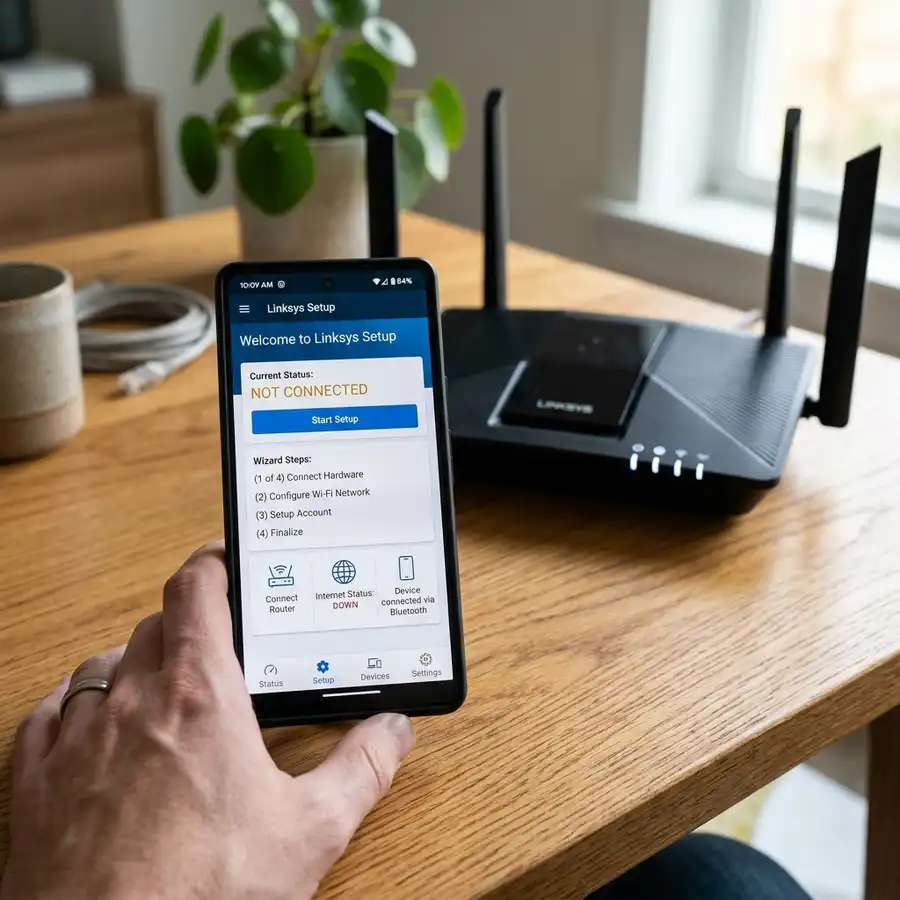
The practical integration of advanced optimization techniques and lag-mitigation strategies requires a highly methodical, technically precise approach, moving far beyond the rudimentary advice provided by basic customer support scripts. The primary and most immediate practical intervention involves aggressive software environment sanitization and the systematic elimination of unnecessary background processes that continuously consume highly limited CPU cycles and volatile memory. For televisions operating on the Android TV or Google TV platforms, this integration is achieved by enabling hidden developer options and utilizing the Android Debug Bridge command-line tool over the local area network. Through carefully constructed ADB commands, technical users can permanently disable or uninstall deeply embedded manufacturer bloatware, aggressive system telemetry services, superfluous diagnostic agents, and resource-heavy custom user interfaces that cannot be removed through standard menus, thereby reclaiming hundreds of megabytes of precious RAM and dramatically accelerating system responsiveness. The next critical phase of practical integration focuses intensely on optimizing the network topology and eliminating connectivity bottlenecks to resolve streaming-related latency. Given the widely documented limitations of built-in Fast Ethernet ports on modern televisions, users looking to maximize local network streaming capabilities should integrate a compatible USB-to-Gigabit Ethernet adapter into one of the television's high-speed Universal Serial Bus ports, forcing the operating system to route network traffic through the USB bus and bypassing the internal hundred-megabit limitation, thereby facilitating sustained, completely lag-free transfers of enormous 4K Blu-ray remux files. If physical wiring is entirely impossible, wireless integration must be meticulously optimized by dividing the wireless router's broadcasting frequencies into distinct network service set identifiers, exclusively assigning the television to a thoroughly scanned, uncongested 5 gigahertz channel to guarantee maximum throughput and zero localized interference. Furthermore, practical integration extends into the router's firmware configuration, specifically the implementation of advanced Quality of Service algorithms. By identifying the television's unique Media Access Control address within the router's administration panel, users can configure strict QoS rules that definitively prioritize all inbound and outbound packet transmissions associated with the television, ensuring that simultaneous network activities generated by other household devices, such as large file downloads or intense cloud gaming sessions, do not monopolize the necessary bandwidth and inadvertently cause the television's streaming buffer to underrun. Finally, a vital component of practical integration is the stringent management of internal storage space, acknowledging that eMMC flash memory suffers extreme performance degradation as it approaches maximum capacity; users must systematically clear application caches, utilize external USB drives for media storage, and maintain at least twenty percent free internal storage space to allow the operating system sufficient headroom for essential page file swapping and background firmware update extraction without causing systemic freezing.
6. Security and Compliance
The intersection of system security, digital rights management compliance, and television performance represents a highly complex, frequently overlooked domain that heavily influences the prevalence of smart TV lagging. The fundamental requirement for modern televisions to securely process and display copyrighted material necessitates the integration of exceptionally rigorous, computationally expensive cryptographic protocols, most notably the High-bandwidth Digital Content Protection standard over physical HDMI connections and highly secure DRM frameworks such as Google's Widevine or Apple's FairPlay for internet-based streaming services. The constant, real-time decryption of highly encrypted video and audio streams places an immense, unavoidable burden on the television's SoC. If the firmware is poorly optimized or the specific hardware decoding blocks are malfunctioning, this security compliance overhead forces the general-purpose CPU cores to attempt software-based decryption, resulting in instantaneous, severe lagging, frame stuttering, and eventual application crashes as the processor rapidly overheats and throttles. Furthermore, the modern imperative for continuous data collection and user behavior profiling by television manufacturers introduces a massive secondary layer of security and compliance overhead that directly degrades performance. To comply with localized privacy regulations such as the European Union's General Data Protection Regulation or the California Consumer Privacy Act, televisions run highly complex background services designed to anonymize, encrypt, and securely transmit massive volumes of telemetry data regarding viewing habits, application usage, and network statistics back to remote corporate servers. These persistent, background data transmissions continuously siphon crucial CPU cycles, memory, and network bandwidth away from the primary task of media playback and user interface navigation, creating a constant underlying state of systemic lag. From a network security perspective, outdated and unpatched smart televisions represent a profound vulnerability within the local area network, frequently targeted by automated malware scanners and integrated into vast, malicious botnets such as the infamous Mirai infrastructure. When a television is compromised due to unpatched security flaws in its aging Linux kernel or web browser engine, the malware silently hijacks the limited processing power and network interface to launch distributed denial-of-service attacks against external targets, maximizing CPU utilization to one hundred percent and rendering the television entirely unusable for standard operations due to extreme, unrecoverable lagging. Therefore, strict adherence to security best practices is not merely about protecting personal data, but is an absolutely essential performance optimization strategy; users must proactively isolate their smart televisions on dedicated Virtual Local Area Networks entirely separated from critical computing devices, implement network-level ad-blocking and telemetry-sinkholing solutions like Pi-hole to prevent resource-draining outbound data transmissions, and aggressively pursue the latest firmware updates to patch known vulnerabilities and optimize the cryptographic processing pathways required for seamless, lag-free DRM compliance.
7. Costs and Optimization
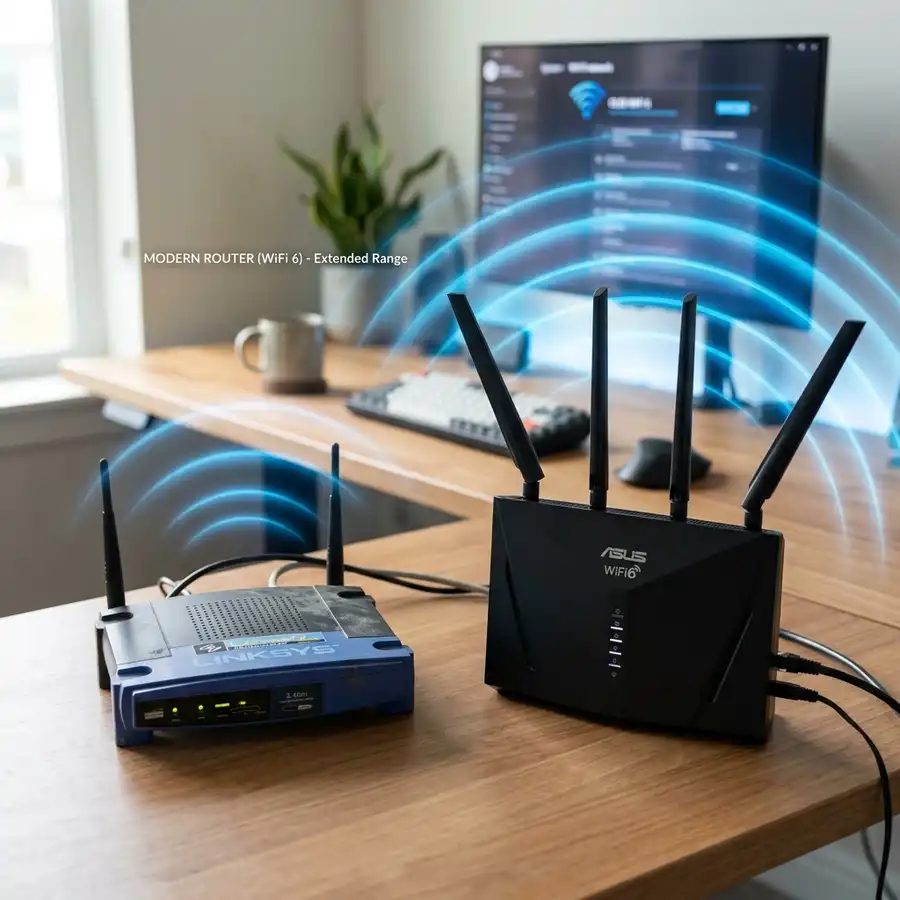
A rigorous economic analysis of the smart TV lagging phenomenon reveals a complex matrix of direct financial costs, hidden energy expenditures, and strategic investment decisions centered around maximizing hardware optimization and preserving long-term device utility. The most immediate and apparent cost associated with systemic lagging is the profound loss of user productivity and the immense frustration incurred when a premium entertainment device fails to operate fluidly, frequently leading consumers to incorrectly conclude that the television is entirely obsolete and requires a highly expensive, total hardware replacement. However, before committing hundreds or thousands of dollars to purchase a completely new display panel, highly effective optimization strategies represent a vastly superior, cost-efficient approach. The most economically sensible optimization involves completely abandoning the television's severely underpowered, built-in operating system in favor of integrating a dedicated, high-performance external streaming client, such as an Nvidia Shield TV Pro, an Apple TV 4K, or a premium Roku Ultra. By utilizing the television strictly as a "dumb" monitor—disabling its Wi-Fi connection, refusing all system updates, and relying entirely on the HDMI input—the user effectively transfers the entire computational burden, user interface rendering, and network processing to a specialized device equipped with vastly superior processing power, abundant RAM, and highly optimized software, entirely eliminating all lagging issues for a fraction of the cost of a new television. Furthermore, the costs associated with operational inefficiencies must be carefully scrutinized, particularly regarding power consumption and background processing. Many televisions ship with highly unoptimized "instant on" or "fast boot" features enabled by default, which keep the SoC fully powered, the network interface active, and the memory energized at all times to shave merely seconds off the boot process. This constant state of high-energy readiness not only continuously consumes measurable amounts of electricity, directly increasing annual utility costs, but also prevents the operating system from clearing massive memory leaks and terminating zombie processes, guaranteeing a progressively degraded, severely lagging experience over time. Disabling these deceptive features to force a true, deep sleep state drastically reduces power consumption, significantly lowers the internal thermal load on the components, and guarantees a completely refreshed, highly responsive memory environment upon every single cold boot. Additionally, optimizing the physical network infrastructure, while requiring a minor initial capital expenditure, yields massive dividends in eliminating buffering lag; investing in premium, heavily shielded CAT6 ethernet cables, installing a robust network switch, or upgrading to an advanced Wi-Fi 6 mesh network architecture represents a highly strategic cost that fundamentally resolves the underlying data transmission bottlenecks causing the television to stall, proving that intelligent, targeted financial investments in external hardware and localized infrastructure are vastly more effective than succumbing to the extremely costly cycle of continuous television replacement.
8. Future of the Tool
As the smart television industry continues to evolve at a breakneck pace, the future methodologies and technologies designed to eradicate systemic lagging are poised to undergo a radical, highly sophisticated transformation, shifting away from purely local hardware brute force toward advanced edge computing, artificial intelligence, and revolutionary wireless networking standards. The next generation of television SoCs, heavily spearheaded by industry leaders like MediaTek with their advanced Pentonic chipset series, will feature vastly superior architectures incorporating dedicated Neural Processing Units designed specifically to offload complex, computationally expensive tasks such as real-time 4K upscaling, motion estimation and motion compensation algorithms, and dynamic high dynamic range tone mapping away from the primary CPU cores. By utilizing highly optimized machine learning models to handle image processing rather than traditional algorithmic calculations, the central processor is entirely freed to maintain an ultra-fluid, zero-latency user interface and rapidly execute streaming applications without any perceptible lag. Furthermore, the rapid integration of ultra-advanced wireless protocols, specifically Wi-Fi 7 and highly focused millimeter-wave technologies, will fundamentally eliminate the localized network bottlenecks that plague current devices, offering multi-gigabit throughput capabilities and unprecedented multi-link operation features that allow the television to simultaneously transmit and receive data across multiple frequency bands concurrently, rendering infinite buffering loops and network-induced stuttering completely obsolete. We are also witnessing a profound architectural shift toward highly optimized, lightweight, cloud-centric operating systems, where the television functions essentially as an advanced thin client rather than a monolithic computing device. In this highly scalable future paradigm, the vast majority of the intensive user interface rendering, application compilation, and media decoding processes will occur instantaneously on vastly powerful remote edge servers located geographically close to the user, streaming the resulting highly compressed user interface and video data directly to the television's hardware decoder in real time. This complete abstraction of processing power totally neutralizes the hardware limitations of the physical television panel, guaranteeing a permanently lag-free, instantaneously responsive experience that remains completely immune to hardware aging or memory degradation. Additionally, as cloud gaming platforms such as Nvidia GeForce Now and Xbox Cloud Gaming become increasingly ubiquitous, demanding ultra-low latency inputs and flawless frame pacing, television manufacturers are being strictly compelled by market forces to completely redesign their input processing pipelines, eliminating unnecessary display buffers and optimizing the entire hardware stack to achieve near-instantaneous response times, ensuring that the future of the smart television is characterized by unprecedented speed, absolute fluidity, and complete resilience against the computational bottlenecks of the past.
9. Final Conclusion
In final summation, resolving the highly frustrating, pervasive issue of smart TV lagging requires a profound, technical understanding of the device not merely as a simple screen, but as a highly complex, significantly constrained embedded computing system operating constantly on the extreme edge of its hardware capabilities. The extensive analysis provided throughout this comprehensive document unequivocally demonstrates that lagging is almost never a singular, isolated hardware failure, but rather the cumulative, catastrophic result of a multitude of systemic bottlenecks, including extreme volatile memory exhaustion, aggressive thermal throttling, unoptimized software engineering by application developers, severe network interface limitations, and the immense processing overhead required for cryptographic security compliance and persistent background telemetry. By adopting a highly strategic, uncompromisingly technical methodology, users can systematically deconstruct and eliminate these bottlenecks, transforming a completely unresponsive display into a fluid, highly capable center of home entertainment. This involves moving beyond rudimentary troubleshooting and embracing advanced optimization tactics: utilizing command-line interfaces to aggressively debloat the operating system, physically bypassing inferior internal network controllers with advanced USB ethernet adapters, meticulously configuring localized router quality of service parameters to guarantee unhindered data flow, and ultimately, making the highly pragmatic, highly cost-effective decision to offload the entire computational burden entirely to a dedicated, premium external streaming client. It is absolutely crucial to internalize the reality that television manufacturers are inherently incentivized to minimize hardware costs while maximizing features on the specification sheet, inevitably leading to a compromised, unbalanced system architecture that is destined to struggle under the weight of modern software demands. However, armed with the deep technical insights and highly practical integration strategies detailed herein, consumers are fully empowered to reclaim control over their devices, proactively mitigating the architectural flaws, optimizing the local network topologies, and ensuring that their investment delivers the flawless, entirely lag-free, ultra-high-definition experience that the modern digital landscape demands, thereby permanently resolving the pervasive crisis of smart television latency and unlocking the true, unhindered potential of their home entertainment infrastructure.