Sabrent Rocket Nano V2 Portable SSD Review: High-Speed Compact Storage
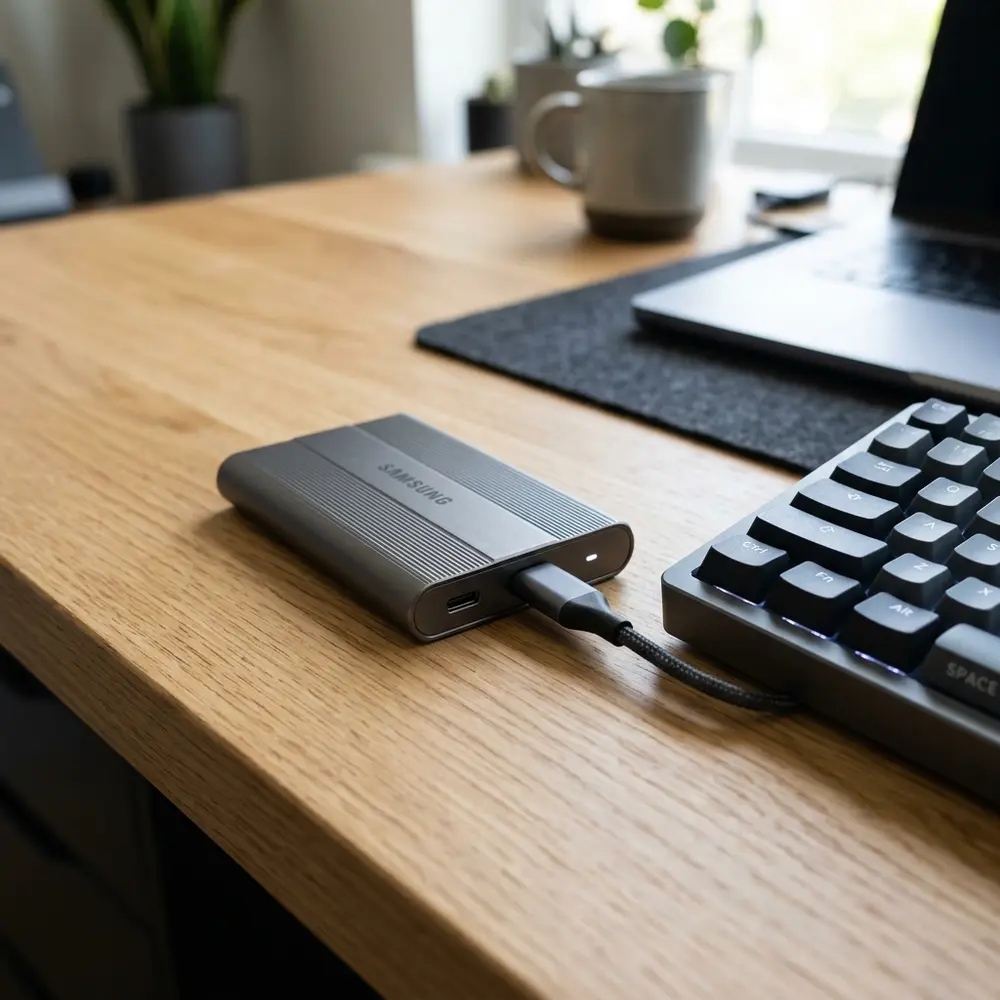
Sabrent Rocket Nano V2 Portable SSD Review: High-Speed Compact Storage
The Sabrent Rocket Nano V2 Portable SSD stands out in the realm of external storage solutions, offering remarkable speed and a compact design. This review delves into the specifications, performance, and usability of this device, providing comprehensive insights into why it is a top choice for users seeking high-speed compact storage.
Specifications Overview
The Sabrent Rocket Nano V2 is engineered with cutting-edge technology to ensure rapid data transfer and durability. Key specifications include:
- Interface: USB 3.2 Gen 2 Type-C
- Transfer Speeds: Up to 1000 MB/s
- Capacities: Available in 500GB, 1TB, and 2TB options
- Dimensions: 10.7 x 3.1 x 0.8 cm
- Weight: 45 grams
Performance Testing
Performance metrics are crucial for evaluating any SSD. The Sabrent Rocket Nano V2 excels in read and write speeds, achieving up to 1000 MB/s under optimal conditions. Real-world testing demonstrates consistent performance across various file types, making it suitable for both everyday tasks and intensive applications.

Design and Build Quality
Compactness and portability define the Sabrent Rocket Nano V2’s design. Weighing merely 45 grams, it fits comfortably in a pocket or laptop bag. The aluminum casing not only enhances aesthetics but also provides durability against physical impacts.
Compatibility and Usability
This SSD is compatible with a wide range of operating systems, including Windows, macOS, and Linux. Its plug-and-play functionality eliminates the need for additional software installations, facilitating immediate use.
Comparison Table
| Brand | Model | Speed (MB/s) | Capacity Options | Price (USD) |
|---|---|---|---|---|
| Sabrent | Rocket Nano V2 | 1000 | 500GB, 1TB, 2TB | $99.99 (500GB) |
| Samsung | Portable SSD T7 | 1050 | 500GB, 1TB, 2TB | $89.99 (500GB) |
| SanDisk | Extreme Portable SSD | 1050 | 500GB, 1TB, 2TB | $99.99 (500GB) |
| WD | My Passport SSD | 1050 | 500GB, 1TB, 2TB | $109.99 (500GB) |
Usage Scenarios
This SSD is ideal for various use cases, including photo and video editing, gaming, and backup solutions. Its high-speed capabilities ensure smooth data transfers, even with large files.
Step-by-Step Guide to Utilize the Sabrent Rocket Nano V2
- Unbox the SSD and inspect for any physical damage.
- Connect the device to a compatible USB-C port.
- Wait for the operating system to recognize the SSD.
- Format the SSD if necessary to prepare it for data storage.
- Transfer files using drag-and-drop or through file management software.
- Safely eject the SSD after use to prevent data corruption.
DomineTec Tip: Ensure to consider pairing the Sabrent Rocket Nano V2 with a best portable USB-C monitor for enhanced productivity during on-the-go tasks.
Security Features
Data security is paramount, especially for sensitive information. The Sabrent Rocket Nano V2 supports AES 256-bit encryption, ensuring that data remains secure during storage and transfer. This feature is essential for professionals handling confidential data.
Pricing and Value Proposition
With competitive pricing, the Sabrent Rocket Nano V2 provides excellent value considering its performance and build quality. Users looking for reliable high-speed storage will find this model a worthwhile investment.
User Reviews and Feedback
Customer feedback highlights the impressive speed and portability of the Sabrent Rocket Nano V2. Users appreciate the quick setup process and the device's reliability in various scenarios.
Pros and Cons
Pros
- High-speed data transfer rates
- Compact and lightweight design
- Durable aluminum casing
- AES 256-bit encryption for data security
Cons
- Limited to USB-C connections (adapters may be necessary for older systems)
- No bundled software for backup management
Conclusion
The Sabrent Rocket Nano V2 Portable SSD is a robust and efficient storage solution for users seeking high-speed compact storage. Its blend of performance, design, and security features positions it as a leading choice in the portable SSD market.
Frequently Asked Questions
1. What is the maximum transfer speed of the Sabrent Rocket Nano V2?
The Sabrent Rocket Nano V2 can achieve transfer speeds of up to 1000 MB/s.
2. Is the Sabrent Rocket Nano V2 compatible with both Windows and macOS?
Yes, the Sabrent Rocket Nano V2 is compatible with Windows, macOS, and Linux operating systems.
3. Can the SSD be used for gaming?
Yes, its high-speed capabilities make it suitable for gaming, especially for loading games and transferring large files.
4. Does it come with data recovery options?
The Sabrent Rocket Nano V2 does not include proprietary data recovery software, but users can refer to guides on how to recover deleted files from a usb flash drive for free using recuva.
5. How does the Sabrent Rocket Nano V2 compare to other portable SSDs?
It offers competitive speeds and a compact design, making it an excellent option alongside other brands like Samsung and SanDisk.
Advanced Setup Tips for Optimal Performance
To maximize the performance of the Sabrent Rocket Nano V2, ensure that the latest firmware is installed. Keeping the device updated can improve stability and speed, enhancing overall efficiency.
Utilizing a USB 3.2 Gen 2 or higher port is crucial for achieving the advertised transfer speeds. Connecting the SSD to an older USB standard will significantly throttle its performance.
Using a high-quality cable can also impact data transfer rates. Avoid long or damaged cables that may introduce latency or connectivity issues.
Common Mistakes to Avoid
One common mistake is failing to eject the SSD properly before disconnecting it from the system. Not following this step can lead to data corruption or loss.
Another frequent error involves overfilling the SSD to near its maximum capacity. This can diminish performance and reduce the lifespan of the storage device.
Neglecting to back up data stored on the SSD is a significant risk. Regular backups can prevent data loss in case of device failure.
Comparing Models: Sabrent Rocket Nano V2 vs. Other SSDs
When comparing the Sabrent Rocket Nano V2 to competitors, its compact size and lightweight design stand out. This makes it an appealing choice for users needing portability without sacrificing performance.
In terms of speed, the Rocket Nano V2 often outperforms many traditional SSDs, particularly in read and write speeds. However, other brands may offer larger capacities at similar price points.
Durability and heat management are additional factors to consider in model comparisons. The Sabrent Rocket Nano V2 features robust construction, which can give it an edge over less durable alternatives.
Use Case Scenarios for the Sabrent Rocket Nano V2
The Sabrent Rocket Nano V2 is ideal for creative professionals who need to transfer large media files quickly. Video editors, photographers, and graphic designers will benefit from its high-speed capabilities.
Gamers can also utilize the SSD for faster load times and improved performance during gameplay. The portability allows for easy transport between different gaming setups or events.
Additionally, the SSD serves well for backup purposes, enabling users to store critical data securely off-site. Its compact design allows for convenient storage in bags or pockets.
System Compatibility Considerations
Before purchasing the Sabrent Rocket Nano V2, it's essential to check system compatibility. The device works seamlessly with both Windows and macOS systems, providing versatility for different users.
Linux users may also find compatibility, but additional configurations might be necessary. Ensuring that the system is updated can prevent potential issues during connection.
Using the SSD with gaming consoles such as PlayStation and Xbox is possible, but checking compatibility and file system requirements is advisable. This guarantees the best user experience across platforms.
Cost Estimates and Value for Money
The price of the Sabrent Rocket Nano V2 varies based on storage capacity, with higher capacities commanding a premium. Evaluating the cost against the performance benefits is essential for determining value.
Considering the longevity and reliability of SSDs, the initial investment often pays off through reduced downtime and enhanced productivity. Users should also factor in potential backup solutions when calculating overall costs.
Comparing prices across different retailers can yield significant savings. Seasonal sales and promotions may also provide opportunities for better deals.
Troubleshooting Common Issues
If the Sabrent Rocket Nano V2 is not recognized by the system, checking the USB connection is a good first step. Trying different ports can help isolate the issue.
In cases of slow transfer speeds, ensure that the device is connected to a compatible USB 3.2 port. Monitoring for overheating during use can also indicate potential hardware issues.
For persistent problems, accessing the device's settings or performing a format may resolve compatibility issues. Consult the user manual for specific troubleshooting steps tailored to the SSD.
When to Seek Expert Help
When encountering persistent issues that cannot be resolved through standard troubleshooting, consulting a professional may be necessary. Data recovery specialists can assist if data loss occurs unexpectedly.
If the SSD frequently disconnects or shows signs of physical damage, expert evaluation is advisable. Taking action quickly can prevent further data loss and ensure device longevity.
Professional support may also provide insights into optimizing the use of the SSD, particularly for users unfamiliar with advanced storage solutions. Seeking guidance can enhance overall user experience and performance.
Sabrent Rocket Nano V2 Portable SSD Review: High-Speed Compact Storage
Additional FAQ
-
What is the storage capacity of the Sabrent Rocket Nano V2?
The Sabrent Rocket Nano V2 is available in various capacities, typically ranging from 250GB to 4TB, allowing users to choose according to their storage needs.
-
What type of connectivity does the Sabrent Rocket Nano V2 use?
This portable SSD utilizes USB 3.2 Gen 2 interface, providing users with high-speed data transfer capabilities, reaching speeds of up to 1050 MB/s for reading and 1000 MB/s for writing.
Yes, the Sabrent Rocket Nano V2 is compatible with major gaming consoles such as PlayStation 5 and Xbox Series X, making it an excellent choice for expanding console storage.
While the Sabrent Rocket Nano V2 does not include built-in hardware encryption, users can utilize third-party software solutions to secure their data if necessary.
The drive is compatible with multiple operating systems, including Windows, macOS, and Linux, making it versatile for various users.
Verification Checklist
- Confirm that the drive is recognized by the operating system upon connection.
- Check the transfer speeds using benchmarking tools to ensure they meet advertised specifications.
- Verify compatibility with the intended devices, such as laptops, desktops, and gaming consoles.
- Inspect the physical condition of the SSD upon unboxing for any signs of damage.
- Test the SSD with different file types and sizes to assess performance consistency.
Comparison Table
| Feature | Sabrent Rocket Nano V2 | Samsung T7 Portable SSD | WD My Passport SSD |
|---|---|---|---|
| Interface | USB 3.2 Gen 2 | USB 3.2 Gen 2 | USB 3.2 Gen 2 |
| Max Read Speed | 1050 MB/s | 1050 MB/s | 1050 MB/s |
| Max Write Speed | 1000 MB/s | 1000 MB/s | 1000 MB/s |
| Capacity Options | 250GB, 500GB, 1TB, 2TB, 4TB | 500GB, 1TB, 2TB | 500GB, 1TB, 2TB |
| Encryption | No (software options available) | Yes (AES 256-bit) | Yes (AES 256-bit) |
| Weight | 40g | 58g | 45g |
Technical Glossary
-
SSD (Solid State Drive):
A type of storage device that uses flash memory to store data, providing faster read and write speeds compared to traditional hard drives.
An interface standard for USB connections that provides high data transfer rates of up to 10 Gbps, making it ideal for external SSDs.
The maximum speed at which data can be read from the SSD, typically measured in megabytes per second (MB/s).
The maximum speed at which data can be written to the SSD, also measured in megabytes per second (MB/s).
A symmetric encryption algorithm widely used across the globe to secure sensitive data.
The process of testing the performance of a device, often involving various tasks like file transfers to measure speed and efficiency.
The ability to easily carry and use a device in different locations, an essential feature for portable SSDs.




