Experiencing connection and login errors with the Riot Client can be quite frustrating. Thankfully, solutions are just a few steps away!
What is Happening and How to Verify
Connection issues can stem from a variety of sources, leading to either a failed login or an unstable connection. Start by checking your internet connection and ensuring it’s stable.
Visit the official Riot Games server status page to verify if the servers are online or undergoing maintenance.
Core Technical Causes of Instability
Various technical factors may contribute to connection issues. Common causes include firewall settings, VPN interference, and outdated client software.
Checking each of these elements can often reveal the root cause of the problem.
Ergonomics and Visual Comfort on Device Usage
Using devices for extended periods can lead to discomfort, which in turn affects focus and gameplay. Proper ergonomics can enhance the overall experience.
| Parameter | Recommended Setting | Impact |
|---|---|---|
| Monitor Height | Eye Level | Reduces neck strain |
| Chair Type | Ergonomic | Increases comfort during long sessions |
| Blue Light Filter | Enabled | Reduces eye fatigue |
Account Security and Your Personal Data
Protecting your account should be a priority to avoid unauthorized access. Use strong, unique passwords and enable two-factor authentication for added security.

DomineTec Tip: Regularly updating passwords and monitoring account activity can prevent potential issues.
Best Temporary Workarounds and Solutions
Sometimes, immediate fixes are necessary to get back into the game. Here are some effective temporary solutions.
- Restart the Riot Client and your computer.
- Disable any VPN services temporarily.
- Allow Riot Client through your firewall settings.
- Reinstall the Riot Client to ensure you have the latest version.
- Check for any network outages in your area.
How to Avoid Future Connection Issues
Preventing future connection problems can save a lot of hassle. Regular maintenance of both hardware and software is key.
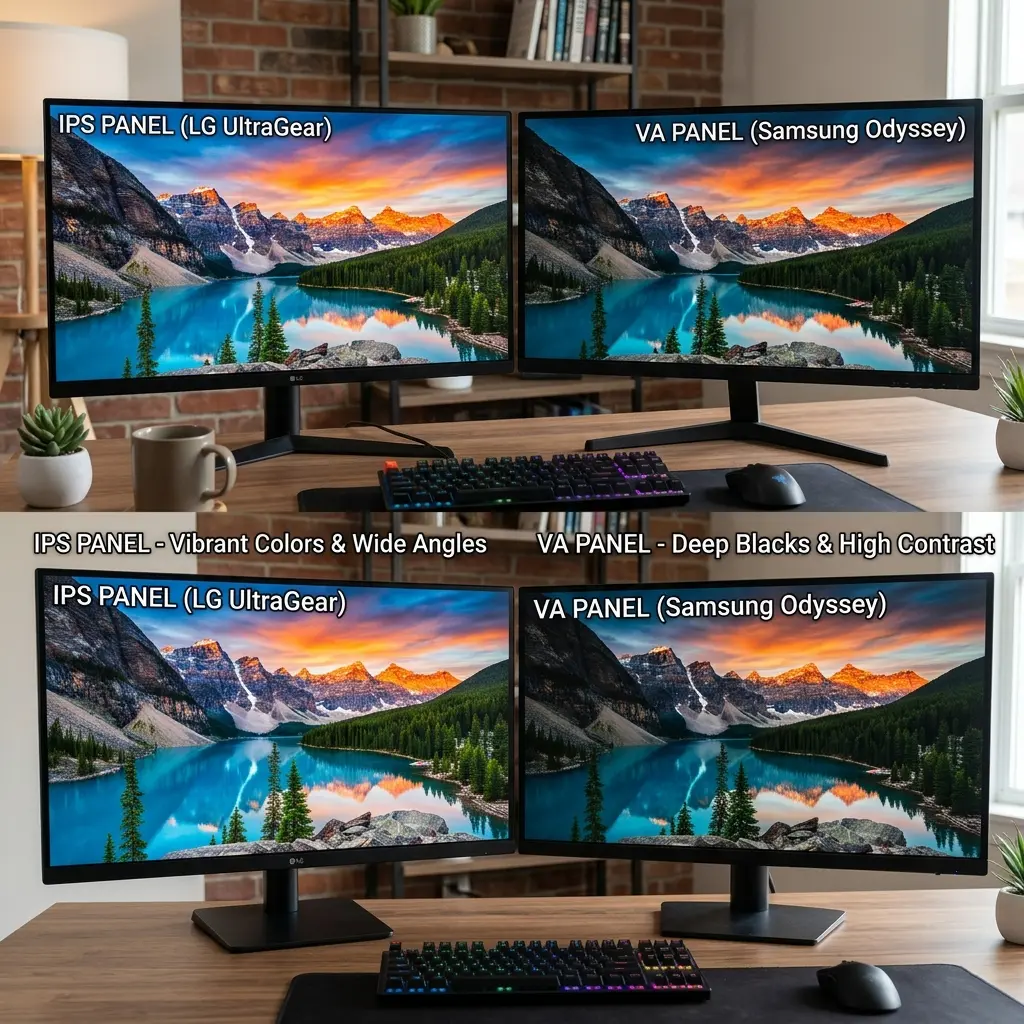
Consider investing in a quality ergonomic office chair and researching how to choose mechanical keyboard switches for better comfort and performance.
Understanding Your Internet Connection
Your internet connection plays a crucial role in how smoothly the Riot Client operates. A slow or unstable connection can lead to frequent disconnections or login failures.
Begin by checking your internet speed using reliable tools like Speedtest.net. Ensure that your ping is low and your download/upload speeds meet the game's requirements.
Additionally, consider switching from Wi-Fi to a wired Ethernet connection for increased stability. This simple change can significantly enhance your gaming experience.
If possible, also check for any network congestion during peak hours, as this can affect your connectivity with the Riot Client.
Router Configuration and Optimization
Your router settings can impact your connection quality when using the Riot Client. Accessing your router's configuration page is a good starting point.
Look for Quality of Service (QoS) settings, which can prioritize gaming traffic over other types of data, ensuring a more stable connection.
Updating your router firmware is also essential, as manufacturers often release patches to improve performance and security. Regular updates can help eliminate bugs that may interfere with gaming.
If you have advanced knowledge, consider adjusting your MTU settings to optimize your data packet size, which can further reduce latency.
Firewall and Antivirus Interference
Sometimes, your firewall or antivirus software may mistakenly block the Riot Client from connecting to the servers. This interference can lead to frustrating error messages.
Check your firewall settings to ensure that the Riot Client is allowed through. You may need to add it as an exception to ensure uninterrupted access.
Similarly, temporarily disabling your antivirus can help identify if it's the source of the problem. If this resolves the issue, consider configuring your antivirus settings for better compatibility.
Always remember to re-enable your security software afterward to protect your system from potential threats.
Reinstalling the Riot Client
When all else fails, reinstalling the Riot Client can often resolve persistent connection issues. This process can clear out corrupt files that may be causing the problem.
Before uninstalling, make sure to back up your game settings or any customized configurations you may want to keep.
After uninstalling, download the latest version of the client from the official Riot Games website to ensure you have the most up-to-date software.
Once reinstalled, open the client and see if your connection issues have been resolved. This fresh start can sometimes work wonders.
Using a VPN for Connection Stability
If you're experiencing regional connection issues, using a VPN may help improve your connection stability. A VPN can sometimes find a faster route to the game servers.
Choose a reputable VPN service that offers low latency and high-speed connections specifically for gaming. Avoid free VPNs, as they often come with limitations that could hinder performance.
Once connected to the VPN, check if the Riot Client connects more reliably. However, be cautious, as using a VPN may also lead to high latency in some cases.
Always ensure that the VPN does not violate Riot Games' terms of service, as this could lead to account issues.
Monitoring Server Status and Maintenance Schedules
Sometimes, connection issues stem from server-side problems. Regularly checking the Riot Games server status can help you determine if the issue is on your end or theirs.
Riot often posts updates regarding server maintenance or outages on their official social media channels and website. Staying informed can save you time and frustration.
If you notice ongoing issues, patience may be required until the servers are back online. Engaging with the community via forums or social media can provide real-time updates and support.
Being proactive about server status can help you avoid unnecessary troubleshooting on your end when the problem lies elsewhere.
Community Resources and Support Forums
Engaging with the gaming community can provide valuable insights and solutions for connection issues. Many players share their experiences and fixes on forums and social media platforms.
Websites like Reddit and dedicated gaming forums often have threads specifically for troubleshooting connection errors with the Riot Client.
Don’t hesitate to ask for help or share your experiences. The community can often offer creative solutions that you may not have considered.
Additionally, Riot Games' support page is a treasure trove of information, offering articles, guides, and support tickets for more personalized assistance.
Troubleshooting Network Equipment Issues
Sometimes, the issue lies not with the Riot Client itself but with your network equipment. Devices like modems and routers can malfunction or become outdated, causing connectivity problems.
To begin troubleshooting, restart your modem and router by unplugging them for about 30 seconds. This can refresh the connection and often resolves temporary glitches.
Additionally, check for firmware updates for your router, as manufacturers regularly release updates to enhance performance and security. Keeping your equipment up-to-date can prevent many issues.
If you're still experiencing problems, consider resetting your router to factory settings. While this will erase all custom configurations, it can resolve deeper connectivity issues that might be affecting your gaming experience.
Understanding Network Latency and Packet Loss
Network latency and packet loss are crucial factors that can significantly impact your Riot Client experience. Latency refers to the time it takes for data to travel from your device to the game server and back.
You can measure latency using tools like ping tests, which can help you identify whether you're facing high latency issues. Ideally, a ping below 50 milliseconds is considered good for online gaming.
Packet loss, on the other hand, happens when data packets traveling over the network fail to reach their destination. Even a small percentage of packet loss can lead to significant lag and disconnections during gameplay.
If you notice high latency or packet loss, try connecting your device directly to the router via an Ethernet cable instead of relying on Wi-Fi, as wired connections tend to be more stable.
Utilizing Quality of Service (QoS) Settings
Quality of Service (QoS) settings on your router can prioritize gaming traffic over other types of data. This ensures that your gaming experience remains smooth, even when multiple devices are using the network simultaneously.
To enable QoS, access your router's settings through its IP address. From there, you can allocate bandwidth specifically for your gaming device, giving it priority over downloads, streaming, or browsing activities.
By doing this, you can effectively minimize lag spikes and improve overall connection reliability. Some routers even come with pre-configured settings for gaming, making it easier to get started.
Remember to monitor your connection after making these changes to see if there's a noticeable improvement in your experience with the Riot Client.
Exploring Alternative DNS Servers
Another often-overlooked solution to connection issues is switching to alternative DNS servers. Your Internet Service Provider (ISP) typically automatically assigns DNS servers, but they may not always be the fastest or most reliable for gaming.
Popular alternatives like Google Public DNS (8.8.8.8 and 8.8.4.4) or Cloudflare DNS (1.1.1.1) can help reduce load times and enhance connection stability. Changing your DNS can be a simple yet effective way to improve your online gaming experience.
To change DNS settings, go to your network settings and replace the current DNS addresses with those of your chosen alternative. Make sure to save the settings and restart your device for the changes to take effect.
After switching, conduct a speed test to see if you notice any improvements in connection speed and reliability while using the Riot Client.
Exploring Advanced Network Troubleshooting Techniques
If you're still facing connection issues with the Riot Client after trying basic fixes, diving into advanced network troubleshooting techniques can be beneficial. One effective method is to use the Command Prompt on Windows to conduct a series of network tests. Start by typing ping followed by a server address to check for response times and packet loss. This will give you a clearer picture of the stability of your connection.
Another useful command is tracert, which traces the route your data takes to reach Riot's servers. This can help pinpoint where delays or interruptions are occurring. If you notice significant delays at any hop along the route, it could indicate an issue with your Internet Service Provider (ISP) or a network congestion point.
Additionally, consider checking the MTU (Maximum Transmission Unit) settings on your network. An incorrect MTU value can lead to fragmented packets, causing delays and connection drops. You can find your optimal MTU size by using the ping command with the -f and -l flags to find the largest packet that can be sent without fragmentation.
Lastly, if you're using a wireless connection, it might be worth switching to a wired connection for testing purposes. Wired connections tend to be more stable and can significantly reduce latency and packet loss, giving you a better overall gaming experience.
Adjusting Quality of Service (QoS) Settings for Optimal Performance
Quality of Service (QoS) settings on your router can be a game changer when it comes to improving your online gaming experience. By prioritizing gaming traffic, you ensure that your Riot Client gets the bandwidth it needs, especially during peak usage times. This is particularly helpful if multiple devices are using the same network simultaneously.
To adjust QoS settings, you'll first need to log into your router's admin panel. Look for a section labeled 'QoS', 'Traffic Management', or something similar. From there, you can set your gaming device or the Riot Client as a high-priority application. This will allocate more bandwidth to your gaming traffic, reducing lag and connection drops.
It's also worth experimenting with the types of traffic you prioritize. While gaming should be at the top of your list, consider the needs of other devices. For instance, if someone in your household is streaming video, you might want to limit that traffic during your gaming sessions to ensure optimal performance.
Furthermore, keep an eye on your router's firmware. Sometimes, firmware updates can improve QoS functionalities or fix bugs that might be affecting your connection. Regularly checking for updates ensures that you are using the best possible version of your router's software.
Adjusting Network Settings for Enhanced Performance
Sometimes, the default network settings on your device or router may not be optimized for gaming. By making a few adjustments, you can significantly enhance your connection stability when using the Riot Client.
Firstly, consider changing the MTU (Maximum Transmission Unit) size on your router. This setting controls the size of packets sent over the network. A common MTU size for gaming is 1472 bytes, but you may need to experiment with lower values if you experience packet loss. Simply access your router's settings through a web browser and navigate to the WAN or Internet settings to adjust this.
Additionally, enabling UPnP (Universal Plug and Play) can help streamline communication between your gaming console or PC and the game servers. UPnP automatically opens the necessary ports on your router, which can reduce connection issues. You can find this option in the router settings and activate it with just a click.
Finally, consider setting a static IP address for your gaming device. This prevents IP address conflicts that can cause disruptions. Assigning a static IP is usually straightforward; you can do this in your router’s DHCP settings by reserving an IP address based on the MAC address of your device.
Scheduled Maintenance and Game Updates
Another important aspect to consider is the impact of scheduled maintenance and game updates on your connectivity with the Riot Client. Knowing when these activities occur can help you plan your gaming sessions more effectively.
Riot Games typically announces maintenance schedules on their official social media platforms and community forums. Checking these announcements regularly can save you a lot of frustration during peak gaming times. If you see that maintenance is scheduled, it’s best to avoid logging in during those hours.
Moreover, keeping your Riot Client updated is crucial. Game developers release updates not only to introduce new features but also to fix bugs that might be causing connection issues. Ensure that automatic updates are enabled in your client settings, and check for updates manually if you encounter problems.
Lastly, after updates, it’s a good practice to restart your router and your device. This helps establish a fresh connection and can resolve lingering issues that may arise after patches or updates. Regularly updating both your game and your network equipment ensures a smoother gaming experience.
Frequently Asked Questions
Why can't I connect to the Riot Client?
This may be due to server outages, unstable internet, or issues with the Riot Client itself.
How do I know if the Riot servers are down?
Checking the official Riot Games server status page is the best way to confirm server availability.
Can a VPN cause connection issues?
Yes, VPNs can interfere with the connection to the Riot Client. Disconnecting the VPN may resolve the issue.
What should I do if my firewall is blocking the game?
You can manually add the Riot Client to your firewall exceptions to allow it through.
How often should I change my password?
Changing passwords every few months and using unique passwords for different accounts is recommended for security.




