RGB vs RGBIC LED Strip Lights: Which is Best for Your Desk Setup?
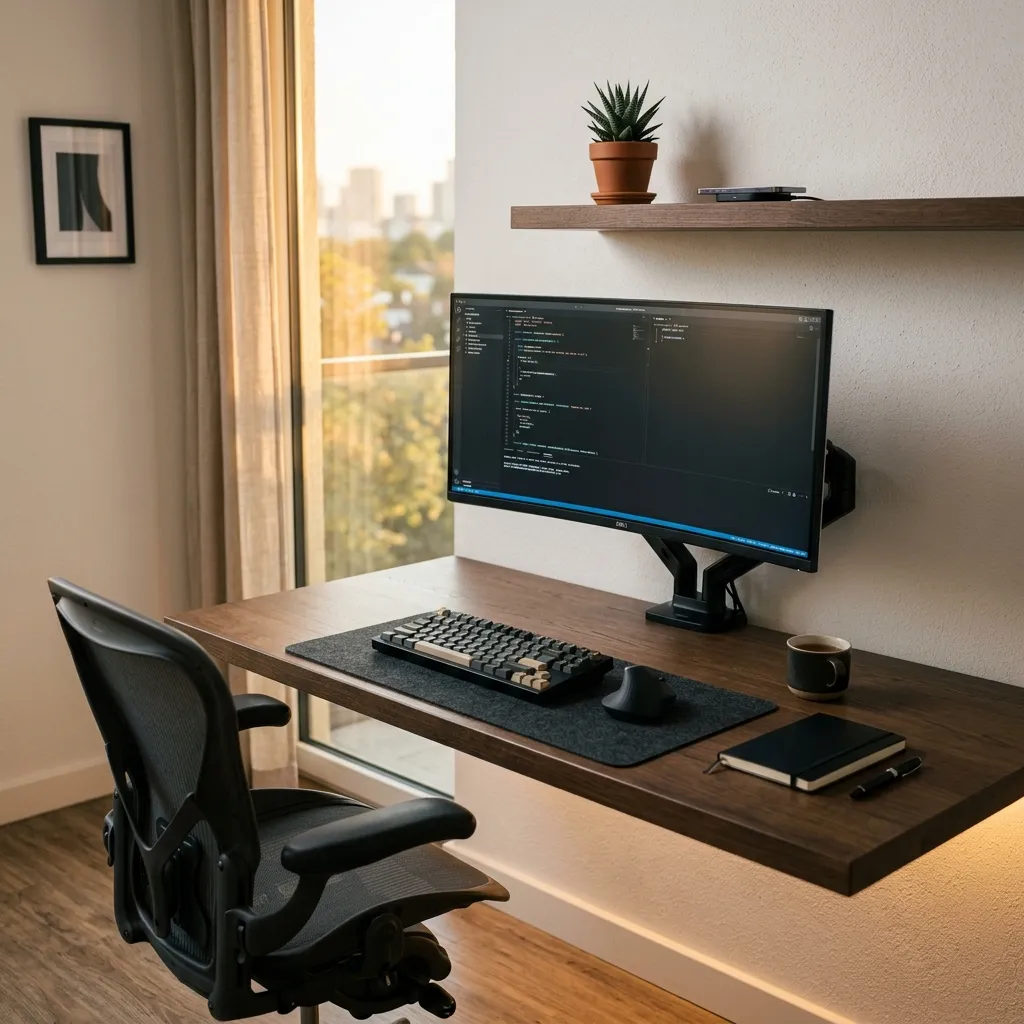
RGBIC LED strip lights outperform traditional RGB options for dynamic desk setups.
Ergonomics and Aesthetic Integration
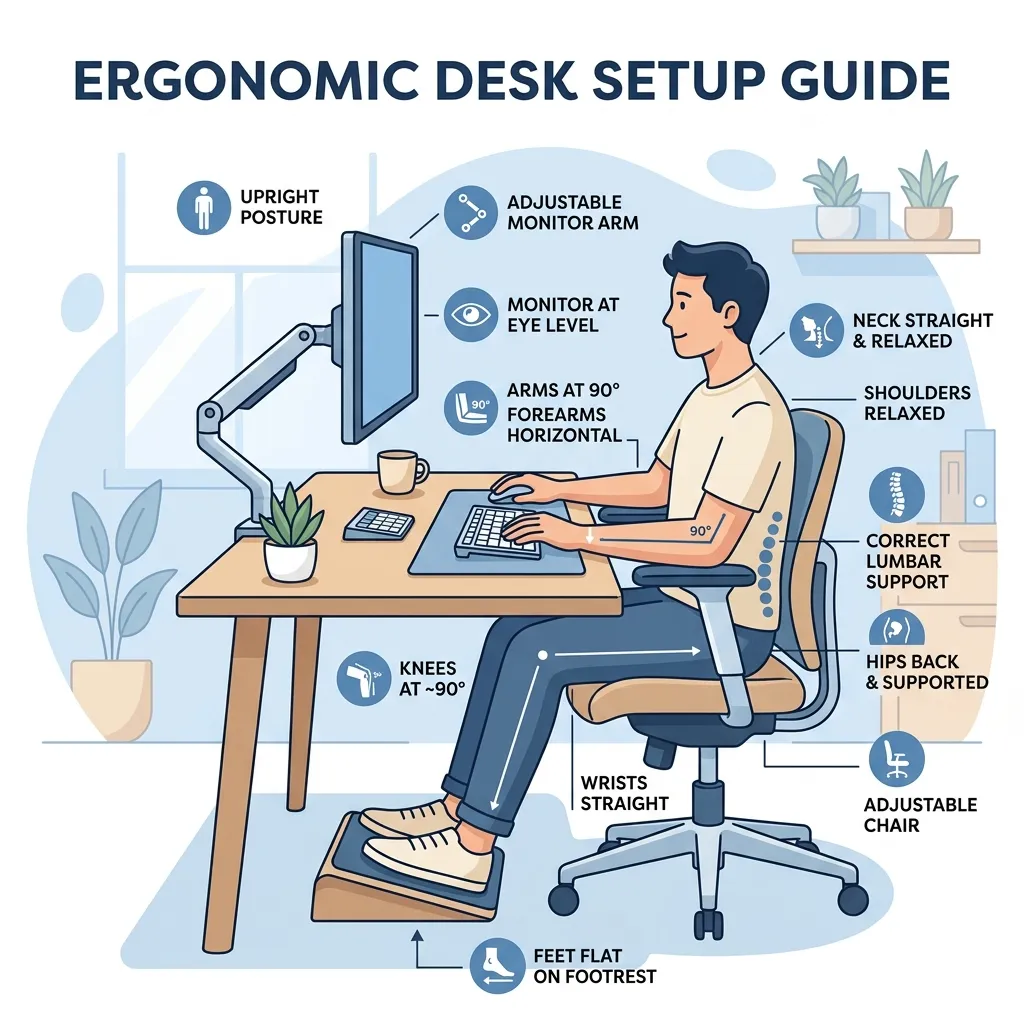
Ergonomics play a crucial role in desk setups, influencing productivity and comfort. RGBIC lights can create a more immersive environment that complements ergonomic furniture.
Performance Analysis: Brightness and Color Quality
RGBIC lights allow for independent control of each LED, resulting in superior brightness and color blending. Standard RGB strips may struggle with uniform color distribution under various lighting conditions.
Material Composition and Durability
High-quality LED strips are typically made from durable silicon and PCB materials. RGBIC lights often use advanced heat dissipation systems, prolonging lifespan compared to standard RGB models.
Design Versatility and Installation
RGBIC strips offer flexible designs that can be easily shaped and installed around furniture. This adaptability allows for creative lighting solutions that enhance any workspace.
Brand Comparisons: Notable Options
Popular brands such as Philips Hue and Govee are recognized for high-quality RGBIC products. In contrast, brands like LIFX and Sylvania focus on RGB solutions, which may have limitations in color dynamics.
| Feature | RGB LED Strip Lights | RGBIC LED Strip Lights |
|---|---|---|
| Color Control | Single color per segment | Multiple colors per segment |
| Brightness | Standard brightness | Higher brightness with vivid colors |
| Flexibility | Limited to straight lines | Highly adaptable to different shapes |
| Longevity | Typical lifespan | Extended lifespan due to better heat management |
| Price Range | Generally lower | Higher due to advanced technology |
DomineTec Tip: Consider adjusting the brightness and color temperature of LED lights to minimize eye strain during extended work hours.
- Determine the primary purpose of lighting for the workspace.
- Assess whether RGB or RGBIC features are more beneficial for personal preferences.
- Evaluate compatibility with existing desk accessories.
- Research trusted brands and read customer reviews.
- Prepare for installation by gathering necessary tools and materials.

For those looking to choose mechanical keyboard switches or create a clean productivity desk setup, lighting is a key consideration.
Energy Efficiency and Power Consumption
When considering LED strip lights for your desk setup, energy efficiency is a critical factor. RGB and RGBIC LED strip lights vary in their power consumption, influencing both environmental impact and electricity costs.
RGB LED strips typically use less power, as they operate through a single diode that can display multiple colors. This efficiency can lead to lower energy bills over time, making them a cost-effective option for long-term use.
In contrast, RGBIC LED strips may consume more energy due to their ability to produce dynamic, multi-color effects. Each segment of the strip can be independently controlled, resulting in higher power demands during vibrant displays.
Choosing energy-efficient LED lights not only supports cost savings but also aligns with eco-conscious practices, making it an important consideration for environmentally aware consumers.
Control Options and Smart Features
Control options significantly enhance the user experience when using LED strip lights. RGB LED strips often come with basic remote controls or mobile app capabilities for simple adjustments.
On the other hand, RGBIC strip lights frequently include advanced features like voice control compatibility and integration with smart home systems. This allows for seamless automation and personalized settings for various scenarios.
Users can program RGBIC lights to react to music or sync with other smart devices, creating an immersive environment that can elevate the overall desk experience. Such features cater to tech-savvy individuals looking for more than just basic lighting.
As smart technology continues to evolve, the control capabilities of LED strip lights will likely expand, offering even more customization options for users in future models.
Color Customization and Scene Setting
Color customization is a key differentiator between RGB and RGBIC LED strip lights. RGB strips allow users to select from a limited palette of colors, generally providing static lighting options.
Conversely, RGBIC strips offer an extensive range of colors and the ability to create gradients and patterns across the strip. This feature enables users to design specific scenes that can match their mood or enhance their workspace ambiance.
The ability to customize colors and create multi-colored displays can be particularly advantageous for those using their desk for gaming, streaming, or content creation. It can set the tone and atmosphere to align with the task at hand.
Moreover, advanced customization options often include pre-set scenes, allowing users to easily switch between themes for different activities without manual adjustments.
Cost Analysis: Initial Investment vs. Long-Term Value
When selecting between RGB and RGBIC LED strip lights, a cost analysis is essential. RGB strips typically have a lower initial purchase price, making them attractive for budget-conscious consumers.
However, the long-term value of RGBIC strips may justify the higher upfront costs. The dynamic lighting features and energy efficiency can lead to savings in power consumption over time.
Furthermore, the longevity of LED strips plays a role in the overall cost equation. RGBIC strips often come with a longer lifespan due to their advanced technology, potentially reducing the frequency of replacements.
Ultimately, the decision should consider both initial investment and potential long-term benefits, ensuring that users choose a product that aligns with their budget and needs.
Installation Complexity and Maintenance
Installation complexity is another important aspect when choosing LED strip lights for your desk setup. RGB strips are generally easier to install due to their straightforward design and fewer components.
RGBIC strips, with their advanced features and customizable sections, may require more detailed installation processes, including the setup of control hubs or additional wiring for optimal performance.
Maintenance is also a consideration; while LED strips are generally low-maintenance, the intricate designs of RGBIC strips may necessitate more careful handling during cleaning and adjustments.
Users should weigh the installation and maintenance requirements against their technical skills and willingness to invest time in setup to find the best solution for their needs.
Impact on Workspace Environment
The choice of LED strip lights can significantly impact the overall workspace environment. Proper lighting can enhance focus, reduce eye strain, and improve productivity during extended work hours.
RGB LED strips provide consistent lighting that can help maintain a stable work environment, while RGBIC strips can create dynamic atmospheres that may boost creativity and motivation.
Moreover, the right lighting can contribute to mental well-being. By allowing users to adjust colors and brightness based on their mood, RGBIC strips can help create a personalized space that caters to individual preferences.
Ultimately, the impact of LED lighting on the workspace goes beyond aesthetics; it can play a crucial role in enhancing functionality and well-being in a home or office setting.
Market Trends and Future Developments
The market for LED strip lights is continually evolving, with trends indicating a growing demand for customizable and smart lighting solutions. As technology advances, both RGB and RGBIC lights are expected to incorporate more innovative features.
Future developments may focus on enhanced energy efficiency, improved color accuracy, and greater integration with smart home ecosystems, making the user experience even more seamless.
Moreover, manufacturers are likely to explore sustainable materials and production methods, appealing to environmentally conscious consumers seeking eco-friendly products.
Keeping an eye on market trends can help consumers make informed choices about which type of LED strip lights will be the most relevant and beneficial for their workspace in the coming years.
Heat Management and Thermal Performance
Heat management is a critical factor influencing the longevity and performance of LED strip lights. RGB LEDs generally produce less heat compared to their RGBIC counterparts, which can lead to better thermal performance and extended lifespan.
RGBIC strips, while offering enhanced color capabilities, may require additional thermal management solutions to prevent overheating. This can include proper spacing during installation and the use of heat sinks to dissipate heat effectively.
Overheating can negatively impact both brightness and color accuracy, making it essential to consider the ambient environment where the LED strips will be installed. Adequate ventilation around the strips can significantly enhance their operational efficiency.
For users concerned about heat production, selecting RGB LED strips may be preferable, especially in compact or enclosed spaces where heat accumulation is a concern.
Compatibility with Other Lighting Systems
Compatibility with existing lighting systems can greatly influence the overall functionality of RGB and RGBIC LED strips. Many RGB strips can easily integrate with standard lighting setups, allowing users to create cohesive lighting experiences across their workspace.
RGBIC strips, on the other hand, may require specific controllers or hubs to function correctly, which can complicate integration with pre-existing systems. This aspect should be carefully evaluated before making a purchase.
Users should also consider how their chosen LED strips will interact with smart home ecosystems. Compatibility with platforms like Philips Hue or Google Home can enhance usability and control options for both RGB and RGBIC strips.
Ultimately, understanding compatibility requirements can save users from potential frustrations during installation and usage, ensuring a smoother lighting integration process.
Maintenance and Lifespan Considerations
Maintenance plays a significant role in the longevity of LED strip lights, impacting both RGB and RGBIC options. Regular cleaning and avoiding dust accumulation are essential to maintain optimal brightness and color fidelity over time.
RGB strips typically have a simpler circuitry design, which can lead to fewer points of failure and easier troubleshooting. This simplicity often translates to a longer lifespan with minimal maintenance efforts.
RGBIC strips, while offering advanced features, may have a more complex design that could require more attention to maintain their functionality. Users should be prepared for potential repairs or replacements of individual segments if issues arise.
When selecting LED strips, it's important to consider not just the initial purchase but also the maintenance requirements and potential lifespan to ensure a worthwhile investment in workspace lighting.
User Experience and Interaction
The user experience of RGB vs. RGBIC LED strip lights significantly impacts how individuals engage with their workspace. RGB LEDs typically offer a straightforward interface, allowing users to select static colors or simple transitions. This simplicity can be appealing for those who prefer a no-frills approach to lighting.
In contrast, RGBIC lights provide a more interactive experience, enabling users to customize lighting effects extensively. These strips can display multiple colors simultaneously, creating dynamic visual effects that respond to user preferences. This feature may enhance creativity and mood in a workspace, making it a favorable option for users looking to personalize their environment.
The integration of mobile apps and smart home technology with RGBIC lights further enriches the user experience. Users can control lighting settings, create schedules, and sync lights with music or gaming experiences. This level of interaction promotes a more immersive environment, especially for those who use their setups for entertainment or content creation.
Ultimately, the choice between RGB and RGBIC may hinge on the desired interaction level. Users seeking simplicity may lean towards RGB, while those desiring a more engaging lighting experience may find RGBIC to be the superior choice.
Environmental Impact and Sustainability
When considering RGB vs. RGBIC LED strip lights, environmental impact and sustainability are crucial factors. Both technologies utilize LED technology, which is inherently more energy-efficient than traditional lighting options, reducing overall energy consumption. However, the differences in their energy usage can affect their environmental footprint.
RGBIC lights, while offering advanced features and vibrant color displays, may consume more power than standard RGB lights due to their complex circuitry and capabilities. This increased consumption can lead to higher overall energy use, which may be a concern for environmentally conscious consumers. Understanding the power specifications can help users make informed decisions about their impact on the environment.
Additionally, the longevity of LED lights contributes to their sustainability. RGBIC lights often feature longer lifespans, reducing the frequency of replacement and waste. However, the materials used in production and their recyclability play a significant role in determining the overall environmental impact. Consumers should research brands that prioritize sustainable practices in their manufacturing processes.
In summary, while both RGB and RGBIC lights offer energy-efficient solutions, the choice between them should factor in the user’s environmental values, including energy consumption, product lifespan, and the sustainability of materials used in their construction.
Installation Techniques and Best Practices
Installing LED strip lights can greatly enhance the visual appeal and functionality of a workspace, but certain techniques can optimize the process. Proper surface preparation is crucial; ensure that the installation area is clean, dry, and free of dust to promote strong adhesion.
Cutting the strips to the desired length requires careful attention to the designated cut lines. This precision prevents damage to the circuit and ensures that the strips function correctly after installation. Using sharp scissors or a cutting tool is recommended for clean edges.
When applying the adhesive backing, consider using additional mounting clips for added support, especially in areas with high humidity or temperature fluctuations. This can help prevent sagging or detachment over time, maintaining the integrity of the installation.
Finally, testing the lights before final placement can save time and effort. Plugging in the strips to check for functionality and color accuracy ensures that any issues are resolved before fully securing the lights in place.
User Preferences and Trends in Lighting Choices
User preferences in lighting choices for desk setups are constantly evolving, driven by aesthetics, functionality, and technological advancements. Many users gravitate towards RGBIC lights due to their dynamic color-changing capabilities, which allow for personalized ambient lighting.
Conversely, RGB lights remain popular for their simplicity and consistency, appealing to those who prefer a more traditional lighting approach. The choice often reflects individual taste and the desired atmosphere in the workspace.
Trends indicate a growing interest in smart lighting solutions, where users can control their lights through mobile apps or voice commands. This integration not only enhances user experience but also adds a layer of convenience that is increasingly sought after.
Moreover, as sustainability becomes a priority, users are leaning towards energy-efficient lighting options. Products with lower power consumption and longer lifespans are favored, reflecting a shift towards environmentally conscious purchasing decisions.
Frequently Asked Questions
What is the main difference between RGB and RGBIC lights?
RGB lights display a single color per segment, while RGBIC lights can showcase multiple colors simultaneously, enhancing visual effects.
Are RGBIC lights more expensive than RGB lights?
Typically, RGBIC lights tend to be more expensive due to advanced technology and features.
Can RGBIC lights be controlled via smartphone?
Many RGBIC lights offer smartphone compatibility, enabling users to customize settings remotely.
How long do RGB and RGBIC lights typically last?
Standard RGB lights usually last around 25,000 hours, while RGBIC lights can last significantly longer due to better heat management.
Which lighting option is better for gaming setups?
RGBIC lights are often preferred for gaming due to their dynamic color capabilities and ability to sync with in-game actions.