Resin vs FDM Filament 3D Printers: Which is Right for You?
Resin vs FDM Filament 3D Printers: Which is Right for You?
3D printing technology has evolved significantly, with various printing methods available for different applications. Among the most popular are resin and FDM (Fused Deposition Modeling) printers. Each has its unique advantages and disadvantages, making it essential to understand the differences to choose the right one for specific needs.
Overview of Resin Printers
Resin printers utilize a process called stereolithography (SLA) or digital light processing (DLP). They work by curing liquid resin into solid objects using UV light, producing high-resolution prints with excellent detail and smooth surface finishes.
Advantages of Resin Printers
- High Precision: Capable of producing intricate details, ideal for miniatures, jewelry, and prototypes.
- Smooth Surface Finish: Results in prints that require minimal post-processing.
- Variety of Materials: Many resin types available, including flexible, tough, and castable resins.
Disadvantages of Resin Printers
- Health Risks: Exposure to resin can be harmful; proper ventilation and protective gear are necessary.
- Longer Print Times: Typically slower than FDM printers, especially for larger objects.
- Cost: Higher initial investment and ongoing costs for resins and cleaning supplies.
Overview of FDM Printers
FDM printers work by extruding molten thermoplastic filament through a heated nozzle, layering the material to create a three-dimensional object. This technology is widely used due to its accessibility and cost-effectiveness.
Advantages of FDM Printers
- Affordability: Generally less expensive than resin printers, both in initial cost and material.
- Ease of Use: More user-friendly, with simpler setup and fewer safety concerns.
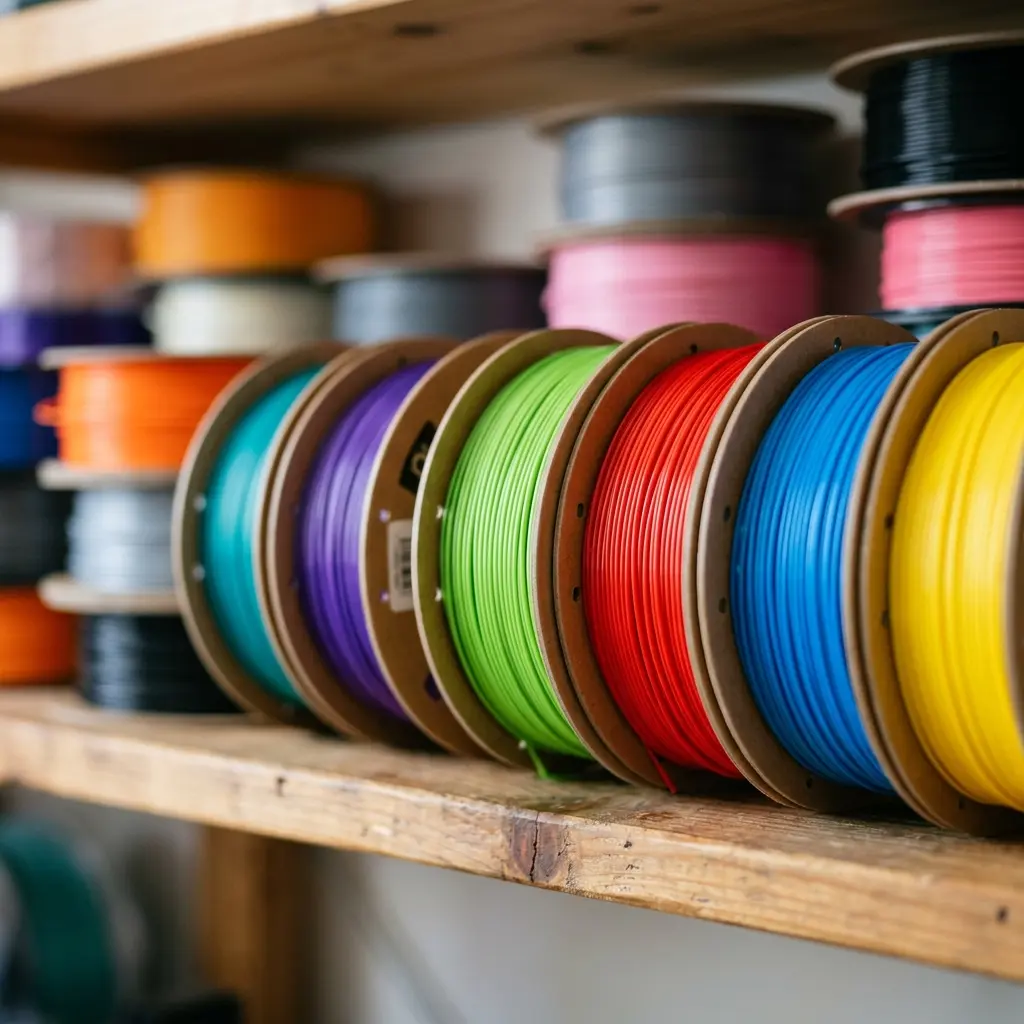
- Material Variety: Wide range of filament options, including PLA, ABS, PETG, and more.
Disadvantages of FDM Printers
- Lower Resolution: Prints may lack the fine detail achievable with resin printers.
- Surface Finish: Often requires post-processing to achieve a smooth finish.
- Warping: Some materials can warp during printing, leading to failed prints.
Comparison Table: Resin vs FDM Printers
| Feature | Resin Printers | FDM Printers |
|---|---|---|
| Print Quality | High detail and smooth finish | Moderate detail, rougher finish |
| Materials Used | Liquid resin | Filament (PLA, ABS, PETG, etc.) |
| Print Speed | Slower, especially for large items | Faster, depending on layer height and speed settings |
| Health & Safety | Requires safety precautions (gloves, mask) | Less hazardous, generally safer to use |
| Cost | Higher initial and material costs | Lower initial cost, affordable materials |
Choosing the Right Printer
When deciding between a resin and FDM printer, consider the following factors:
- Purpose: For highly detailed prints like miniatures or dental models, resin printers are preferable.
- Budget: If cost is a major factor, FDM printers are more economical.
- Print Volume: For larger projects, FDM printers might be more suitable due to their build size.
- Post-Processing: Consider how much post-processing is acceptable; resin prints usually require more effort to clean and cure.
Ultimately, the choice between resin and FDM printers will depend on specific needs, preferences, and budget constraints. Understanding the strengths and weaknesses of each type will guide users in making an informed decision.
Frequently Asked Questions
What are the main differences between resin and FDM printing?
Resin printing offers higher detail and smoother surfaces, while FDM printing is generally faster and easier to use for larger models.
Which printer is better for beginners?
FDM printers are typically more suitable for beginners due to their lower cost, ease of use, and minimal post-processing requirements.
Can I use any filament with an FDM printer?
Not all filaments are compatible with every FDM printer. It is essential to check the printer's specifications for compatible materials.
Is resin printing safe?
Resin printing can be safe, provided proper precautions are taken, such as using gloves and working in a well-ventilated area. Care should be taken to avoid skin contact.
What is the typical lifespan of 3D printed parts?
The lifespan of 3D printed parts varies based on material and usage conditions. Generally, PLA prints last for several years indoors, while ABS and resin can be more durable under certain conditions.




