How to Remove Pilling (Bolinhas) from a Felt Desk Pad Using a Fabric Shaver

Pilling on a felt desk pad can be effectively removed using a fabric shaver, restoring its appearance and functionality.
Understanding Pilling and Its Causes
Pilling occurs due to friction between fibers, leading to the formation of small balls on the surface of the felt. This issue is common in materials made from wool or synthetic blends.
Choosing the Right Fabric Shaver
Fabric shavers vary in performance, with some offering adjustable settings for different fabric types. Consider specifications such as blade quality, battery life, and ease of cleaning when selecting a shaver.
Manufacturing Materials of Felt Desk Pads
Felt desk pads are typically made from wool, polyester, or a blend of both, influencing their durability and pilling resistance. High-quality felt pads can withstand regular use while maintaining their aesthetic appeal.
Ergonomics and Desk Setup
A well-maintained felt desk pad enhances ergonomic setups by providing a comfortable surface for mouse movement and keyboard use. The smooth texture reduces strain on wrists and forearms during prolonged work sessions.
Comparative Table of Fabric Shavers
| Brand | Blade Material | Battery Life | Weight | Price Range |
|---|---|---|---|---|
| Philips | Stainless Steel | 60 mins | 300g | $30 - $50 |
| Conair | Stainless Steel | 90 mins | 250g | $20 - $40 |
| Rowenta | Stainless Steel | 50 mins | 280g | $35 - $55 |
DomineTec Tip: Regular maintenance of your desk pad not only increases longevity but also contributes to a healthier workspace.
- Ensure the desk pad is clean and dry before using the fabric shaver.
- Select an appropriate setting on the shaver for felt material.
- Gently glide the shaver over the surface, avoiding excessive pressure.
- Regularly empty the shaver’s lint compartment to maintain optimal performance.
- Store the shaver in a cool, dry place when not in use to preserve its longevity.
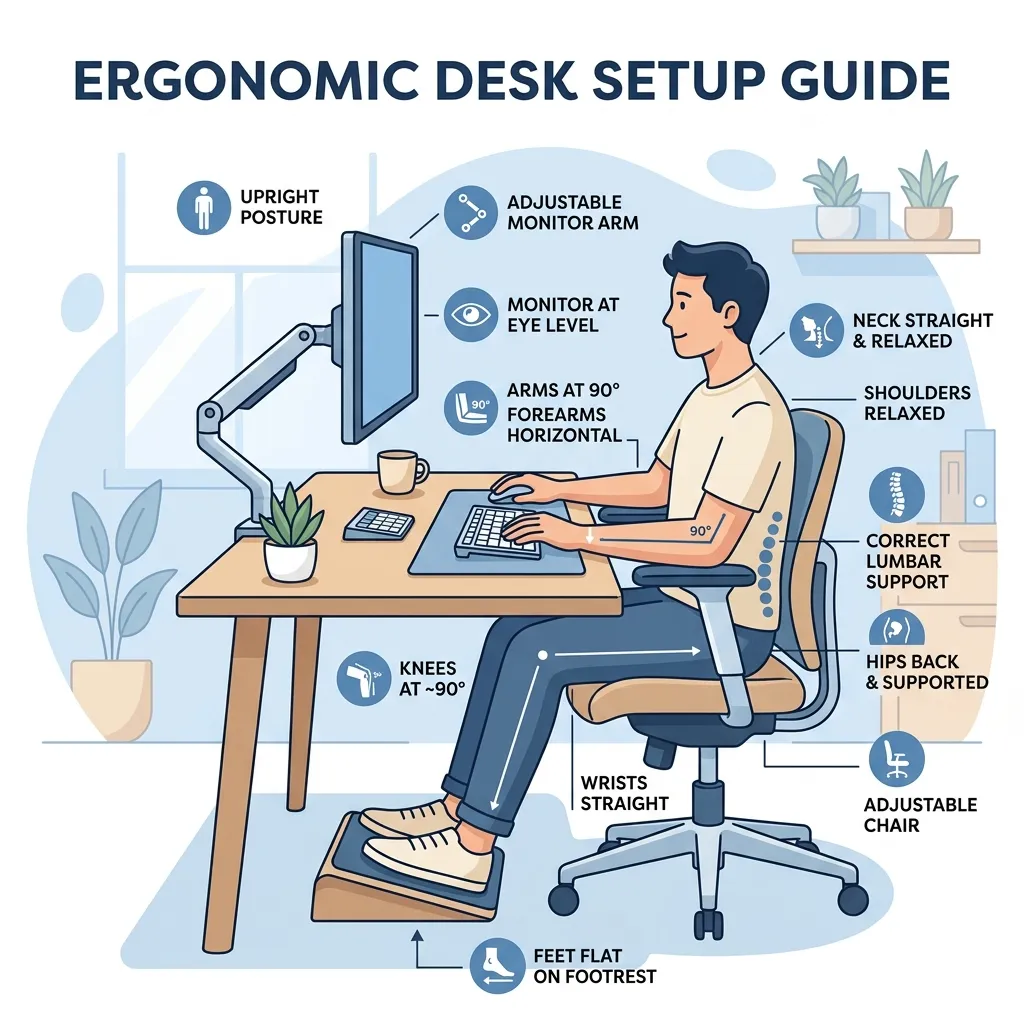
For a better typing experience, consider using ergonomic devices to choose mechanical keyboard switches that promote comfort.
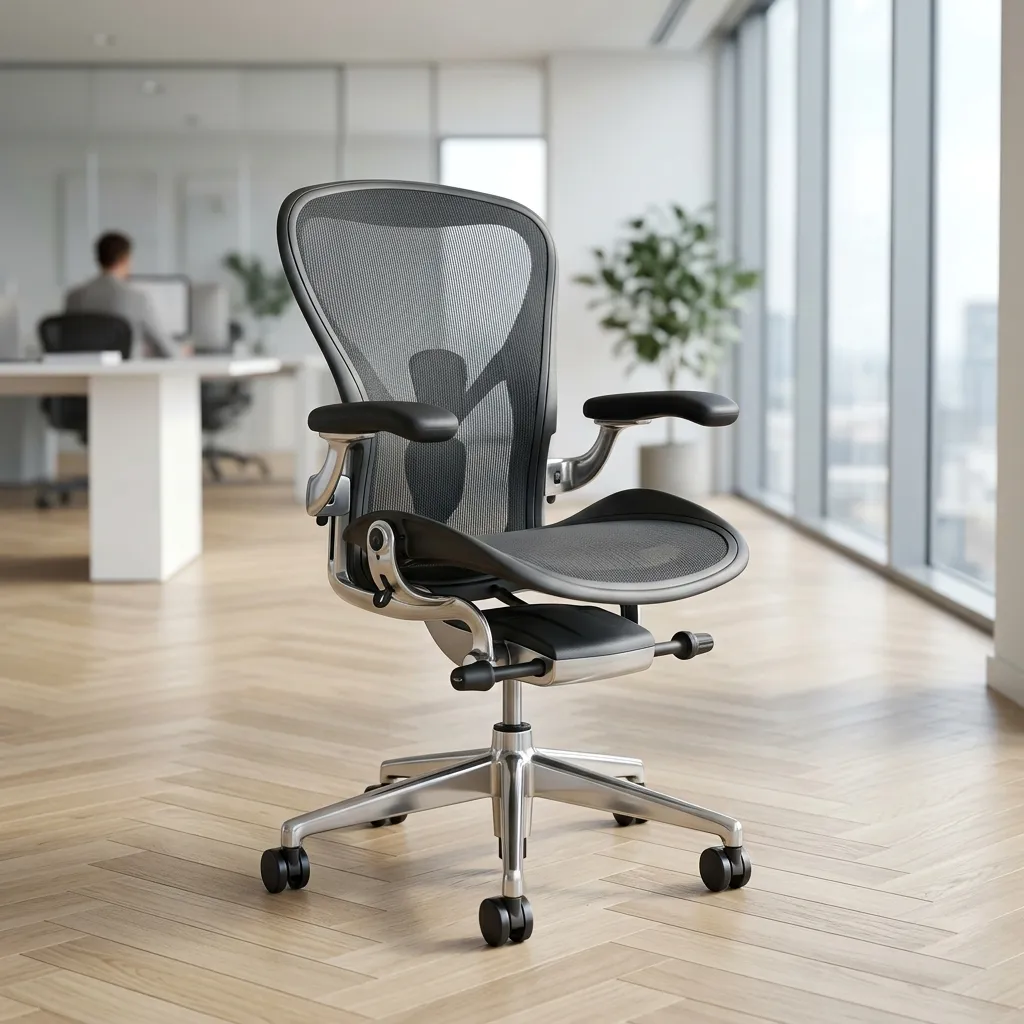
Additionally, an ergonomic office chair complements a well-maintained desk setup, ensuring complete support.
Maintenance Tips for Felt Desk Pads
Regular maintenance of felt desk pads can significantly prolong their lifespan and appearance. It is recommended to clean the pad weekly with a soft brush to remove dust and debris.
Spot cleaning any stains with a damp cloth and mild detergent can prevent permanent damage. Avoid using harsh chemicals that could degrade the felt material.
Rotating the desk pad periodically ensures even wear and prevents areas from becoming overly pilled or worn down. A little attention goes a long way in maintaining its aesthetic appeal.
Storing the pad in a cool, dry place when not in use can help maintain its integrity, especially if it is made from natural fibers.
Alternative Methods for Pilling Removal
Aside from using fabric shavers, there are several alternative methods for removing pilling from felt desk pads. One effective method is to use a lint roller, which can quickly lift pills from the surface.
A pair of fine scissors can also be employed to carefully trim away larger pills without damaging the felt. This method requires a steady hand to prevent cutting into the material.
Another option is to use a pumice stone or a specialized pilling comb, both of which can gently abrade the surface and remove pills. These tools are often less aggressive than shavers, making them suitable for delicate fabrics.
It is essential to test any alternative method on a small, inconspicuous area first to ensure it does not cause further damage to the felt desk pad.
Understanding Fabric Care Labels
Fabric care labels provide crucial information on how to properly care for and maintain felt desk pads. These labels typically include symbols indicating washing, drying, and ironing methods.
Understanding these symbols can help avoid common mistakes that lead to pilling or material damage. Some felt materials may be machine washable, while others require hand washing only.
The label may also indicate whether the fabric is colorfast, which is important when using cleaning products or when combining it with other items in the wash.
Following the manufacturer's instructions can help maintain the quality of the felt and minimize the occurrence of pilling over time.
The Environmental Impact of Fabric Shavers
The use of fabric shavers can have environmental implications that are often overlooked. When removing pilling, fabric shavers can generate microfibers that contribute to environmental pollution.
These microfibers can enter waterways and harm aquatic life, making it essential to use fabric shavers responsibly. Some manufacturers are now designing shavers that minimize microfiber release.
Choosing high-quality fabric shavers can also be beneficial, as they tend to be more durable and efficient, reducing the frequency of replacements. This longevity can lead to less waste over time.
Consider exploring eco-friendly alternatives or methods that do not produce waste, as these can contribute to a more sustainable approach to fabric care.
DIY Fabric Shaver Options
For those seeking cost-effective solutions, DIY fabric shavers can be created using household items. A simple method involves using a pumice stone or a clean, dry sponge to rub away pills.
Another option is to use a pair of old pantyhose. Placing the pantyhose over your hand and rubbing it against the fabric can help lift pills without damaging the felt.
Additionally, an old razor can be used with caution. By gently gliding the razor over the fabric, it can remove pilling; however, care must be taken to avoid cutting the felt itself.
These DIY methods can be effective, but it is important to test them on a small area first to ensure they do not cause damage.
Professional Cleaning Services
For heavily pilled felt desk pads, professional cleaning services can be an excellent option. These services typically have specialized equipment designed for delicate fabrics.
Professionals can assess the condition of the felt and determine the best cleaning method to restore its appearance. They often use techniques that minimize damage and maximize the lifespan of the material.
Additionally, professional cleaning can remove deep-set stains and odors that home methods may not effectively address. This can be particularly beneficial for desk pads used in environments prone to spills or heavy use.
While this option may incur a cost, the investment can be worthwhile for maintaining the quality and aesthetics of an expensive felt desk pad.
The Role of Humidity and Temperature
The environment in which a felt desk pad is used can significantly impact its condition. High humidity levels can cause fibers to swell and become more prone to pilling.
Conversely, extremely low humidity can lead to dryness, causing the felt to become brittle and break down more easily. Maintaining a stable environment can help mitigate these issues.
Temperature fluctuations can also affect the integrity of the felt, so it is advisable to keep the desk pad away from direct heat sources like radiators or sunlight.
Using a humidifier or dehumidifier, depending on the conditions, can help maintain the optimal environment for felt desk pads, ultimately reducing pilling and enhancing longevity.
Proper Techniques for Using a Fabric Shaver
Using a fabric shaver effectively requires understanding the correct techniques to avoid damaging the felt material. Begin by ensuring that the surface of the desk pad is clean and free of debris before starting the shaving process.
Hold the fabric shaver at a slight angle to the surface of the felt desk pad. This angle allows the blades to glide smoothly over the fabric, picking up pilling without snagging the fibers.
Utilize gentle, even strokes across the surface, applying minimal pressure. Overly aggressive movements can lead to excessive wear and tear on the felt, compromising its integrity.
After each pass, check the shaver's collection compartment and remove any accumulated lint and pilling. Regularly clearing this compartment will maintain the shaver's efficiency and effectiveness throughout the process.
Post-Shaving Care for Felt Desk Pads
After removing pilling from a felt desk pad, it is essential to implement a routine care regimen to maintain its appearance. Begin by gently brushing the surface with a lint brush or soft cloth to remove any remaining loose fibers.
Consider applying a fabric protector spray designed for felt materials. This can help reduce the likelihood of future pilling and enhance the overall longevity of the desk pad.
Store the desk pad in a clean, dry environment when not in use. Avoid folding or compressing the pad, as this can lead to creases that may attract more lint and pilling.
Regularly assess the condition of the desk pad to catch any signs of wear early. Prompt intervention can help preserve the fabric and prolong its life, ensuring it remains a functional and aesthetic part of your workspace.
Understanding the Limitations of Fabric Shavers
While fabric shavers are effective for removing pilling, they do have limitations that users should be aware of. For instance, fabric shavers may not be suitable for all types of felt, particularly those with delicate weaves or embellishments.
Overuse of a fabric shaver can lead to thinning of the felt material, which may affect its durability and overall appearance. Users should limit the frequency of use to prevent unintended damage.
Additionally, fabric shavers are not designed to address deeper issues such as structural damage or significant wear. In such cases, alternative methods or professional services may be necessary to restore the felt pad.
It is crucial to read the manufacturer's instructions carefully, as different models may vary in their effectiveness and suitability for specific fabrics. Taking the time to understand these limitations can help users make informed decisions about their fabric care routine.
Long-Term Strategies for Preventing Pilling
Preventing pilling on a felt desk pad begins with proper usage and care habits. Avoid placing heavy objects on the pad for extended periods, as pressure can lead to fiber disturbance and subsequent pilling.
Incorporating regular cleaning into your routine can also help. Use a soft brush or vacuum with a fabric attachment to remove dust and particles that may contribute to pilling.
Limit exposure to moisture and heat, which can weaken fibers and make them more susceptible to pilling. Maintaining a stable environment is key to prolonging the aesthetic and functional qualities of the felt desk pad.
Finally, consider rotating the desk pad regularly to distribute wear evenly across its surface. This simple practice can significantly reduce the likelihood of localized pilling and extend the life of the pad.
Identifying Different Types of Pilling
Pilling can manifest in several forms, and recognizing these types can be crucial in determining the best removal approach. The most common types of pilling include surface pilling, which appears as small clusters of fibers on the fabric surface, and deep pilling, which can penetrate the material and create larger, more stubborn balls of fuzz.
Surface pilling is typically easier to remove and often requires less aggressive treatment. It can be managed effectively with a fabric shaver or a gentle combing technique. On the other hand, deep pilling may require more intensive intervention, as the fibers are more entrenched within the fabric structure.
Another type of pilling, known as "friction pilling," occurs due to the constant rubbing of the fabric against itself or other surfaces. This is particularly common in high-contact areas, such as the edges of a desk pad that regularly experiences movement. Understanding these variations can help in selecting the most suitable method for removal.
Finally, it is important to note that different fabrics may exhibit pilling differently. For example, synthetic fibers tend to pill differently than natural fibers, which can influence the effectiveness of a fabric shaver. Identifying the type of pilling and its cause is key to achieving optimal results in maintaining your felt desk pad.
Best Practices for Storing Felt Desk Pads
Proper storage of felt desk pads can significantly reduce the likelihood of pilling and extend their lifespan. When not in use, it is advisable to store the desk pad flat rather than rolled or folded, as creases can contribute to fabric stress and pilling development over time.
Keeping the desk pad in a cool, dry environment can help mitigate the effects of humidity and temperature fluctuations, which can exacerbate pilling. Avoiding exposure to direct sunlight is also essential, as UV rays can weaken the fibers and lead to premature wear.
Periodically cleaning the desk pad before storage is another best practice. Dust and dirt can contribute to fabric wear, so using a lint roller or a soft brush can help maintain the fabric's integrity. Regular maintenance can prevent the accumulation of debris that contributes to pilling.
Lastly, consider using protective covers when storing the desk pad. A breathable fabric cover can shield the felt from dust while allowing air circulation, preventing moisture buildup. Adopting these storage practices will help maintain the aesthetic and functional quality of your felt desk pad for years to come.
Frequently Asked Questions
What is pilling?
Pilling refers to the formation of small balls of fiber on the surface of fabric, often caused by friction during use.
Can pilling be prevented?
Choosing high-quality materials and regularly maintaining the fabric can help minimize pilling over time.
How often should a fabric shaver be used?
Using a fabric shaver every few weeks or as needed can help maintain the appearance of felt desk pads.
Is it safe to use a fabric shaver on all fabrics?
Most fabric shavers are safe for a variety of fabrics, but always check the manufacturer’s recommendations for specific materials.
Can fabric shavers damage my desk pad?
If used correctly, fabric shavers should not damage desk pads, but excessive pressure or incorrect settings can cause harm.