How to Remove Cured Resin Fragments from FEP Film Using Painter's Tape
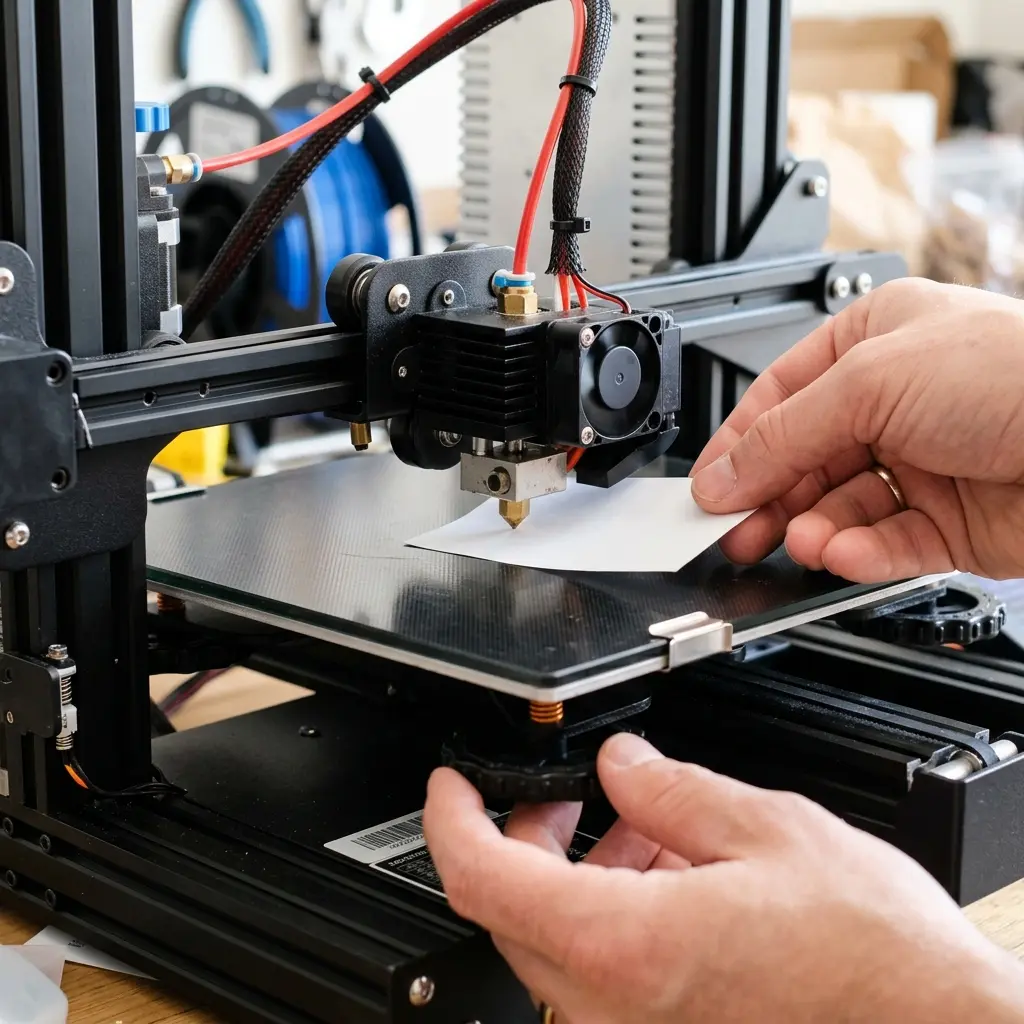
Removing cured resin fragments from FEP film can be efficiently done using painter's tape, ensuring a clean surface for your next print.
Understanding FEP Film and Cured Resin
The FEP film plays a critical role in resin printing. This transparent film forms the bottom layer of the resin vat, allowing UV light to pass through and cure the resin.
Cured resin fragments can accumulate on the FEP film, affecting both the quality of prints and the lifespan of the film. Knowing how to remove these fragments properly is essential for maintaining optimal printing conditions.
The Properties of FEP Film
FEP (Fluorinated Ethylene Propylene) film is known for its excellent chemical resistance and high clarity. It can withstand the harsh conditions typical of resin printing without degrading.
This film is also non-stick, making it easier for cured resin to separate from the film during the printing process.
Cured Resin: Characteristics and Challenges
Cured resin is a solid polymer that forms when liquid resin is exposed to UV light. While it provides the necessary structure for printed objects, it can create challenges when it accumulates.
Removing cured resin fragments promptly is essential to prevent them from interfering with future prints and to maintain the integrity of the FEP film.
Why Use Painter's Tape?
Painter's tape is a preferred choice for removing cured resin fragments due to its gentle adhesive properties. It sticks well to resin but won’t damage the FEP film.
This method minimizes the risk of scratching or tearing the film, which can lead to costly replacements and poor print quality.
Benefits of Painter's Tape
The low-tack adhesive of painter's tape is designed to stick to surfaces without leaving residue. This characteristic is particularly beneficial when working with sensitive materials like FEP film.
Additionally, painter's tape is easy to work with, allowing for quick and effective resin removal without the need for harsh chemicals or tools.
Materials Needed for the Process
Before starting the removal process, gather the following materials:
- Painter's tape (preferably low-tack)
- Soft cloth or paper towels
- Isopropyl alcohol (IPA) for cleaning
- Gloves to protect your hands
- Scraper tool (optional, for stubborn residues)
- Container for resin waste
Step-by-Step Guide to Remove Cured Resin Fragments
Follow these steps to effectively remove cured resin fragments from your FEP film:
- Ensure the printer is powered off and the resin vat is removed.
- Put on gloves to protect your hands from resin and any cleaning agents.
- Cut a piece of painter's tape that is large enough to cover the area of cured resin fragments.
- Gently press the painter's tape onto the cured resin fragments, ensuring good contact.
- Slowly peel away the tape. The cured resin should adhere to the tape and come off the FEP film.
- If some fragments remain, repeat the process with a fresh piece of tape.
- Once all fragments are removed, use a soft cloth dampened with isopropyl alcohol to clean the FEP film thoroughly.
- Inspect the FEP film for any remaining residue and repeat as necessary.
- Reinstall the resin vat and prepare for your next printing session.

Common Mistakes to Avoid
Avoid using high-tack tape as it may damage the FEP film. Also, do not rush the peeling process to prevent leaving any fragments behind.
Using excessive force when applying or removing the tape can lead to scratches or tears in the film. Always handle the FEP film with care.
Maintenance Tips for FEP Film
Regular maintenance of the FEP film can extend its lifespan. Keep the film clean and inspect it for scratches after each use.
Avoid exposing the FEP film to prolonged UV light when not in use; this can degrade its quality. Store it in a dark place when possible.
DomineTec Tip: Always use low-tack painter's tape to ensure that the FEP film remains intact while effectively removing resin fragments.
Comparative Table of Adhesive Tapes
| Type of Tape | Adhesive Strength | Suitable for FEP Film | Price Range |
|---|---|---|---|
| Painter's Tape | Low | Yes | Low |
| Duct Tape | High | No | Medium |
| Masking Tape | Medium | Yes | Low |
| Double-Sided Tape | Variable | No | Medium |
Frequently Asked Questions
How often should the FEP film be cleaned?
The FEP film should be cleaned after every print or whenever significant cured resin fragments are present. This practice helps maintain print quality.
Can other types of tape be used instead of painter's tape?
While other tapes may be used, they can risk damaging the FEP film. Painter's tape is recommended for its low-tack properties.
What should be done if the FEP film is scratched?
If the FEP film is scratched, it may need to be replaced. Minor scratches can sometimes be polished out, but replacement ensures the best print quality.
Is it safe to use isopropyl alcohol on FEP film?
Yes, isopropyl alcohol is safe for cleaning FEP film. It evaporates quickly and does not leave residues that could affect printing.
What are the signs that the FEP film needs replacement?
Signs include visible scratches, cloudy appearance, or significant wear. Regular inspections will help identify when replacement is necessary.
Advanced Maintenance Practices for FEP Film
In addition to regular cleaning, advanced maintenance practices can help extend the lifespan of your FEP film. Proper handling and storage are crucial.
Consider implementing the following practices:
Proper Handling Techniques
- Always handle the FEP film by its edges to avoid fingerprints and smudges.
- Use clean gloves to prevent oils from your skin from transferring to the film.
- Avoid touching the inner surface of the FEP film unnecessarily.
Storage Recommendations
Store the FEP film in a protective sleeve or case to prevent dust accumulation. Keeping it in a cool, dry place away from UV light is essential.
Consider using silica gel packs in the storage container to absorb moisture, which can affect the film's performance.
Checklist for Maintaining FEP Film
Use the following checklist to ensure proper maintenance of your FEP film:
- Check FEP film for scratches after each print.
- Clean the film with painter's tape after every print.
- Inspect for resin residue and address immediately.
- Store the film in a dark, dry place when not in use.
- Replace the film if visibility is compromised due to scratches or cloudiness.
- Keep gloves and cleaning materials readily available.
Conclusion
Maintaining a clean FEP film is vital for successful resin printing. Using painter's tape offers an effective and safe method for removing cured resin fragments.
Following the outlined steps and best practices will help ensure the longevity of your FEP film and the quality of your prints.




