How to Use a Monitor Arm on a Glass Desk with Reinforcement Plates
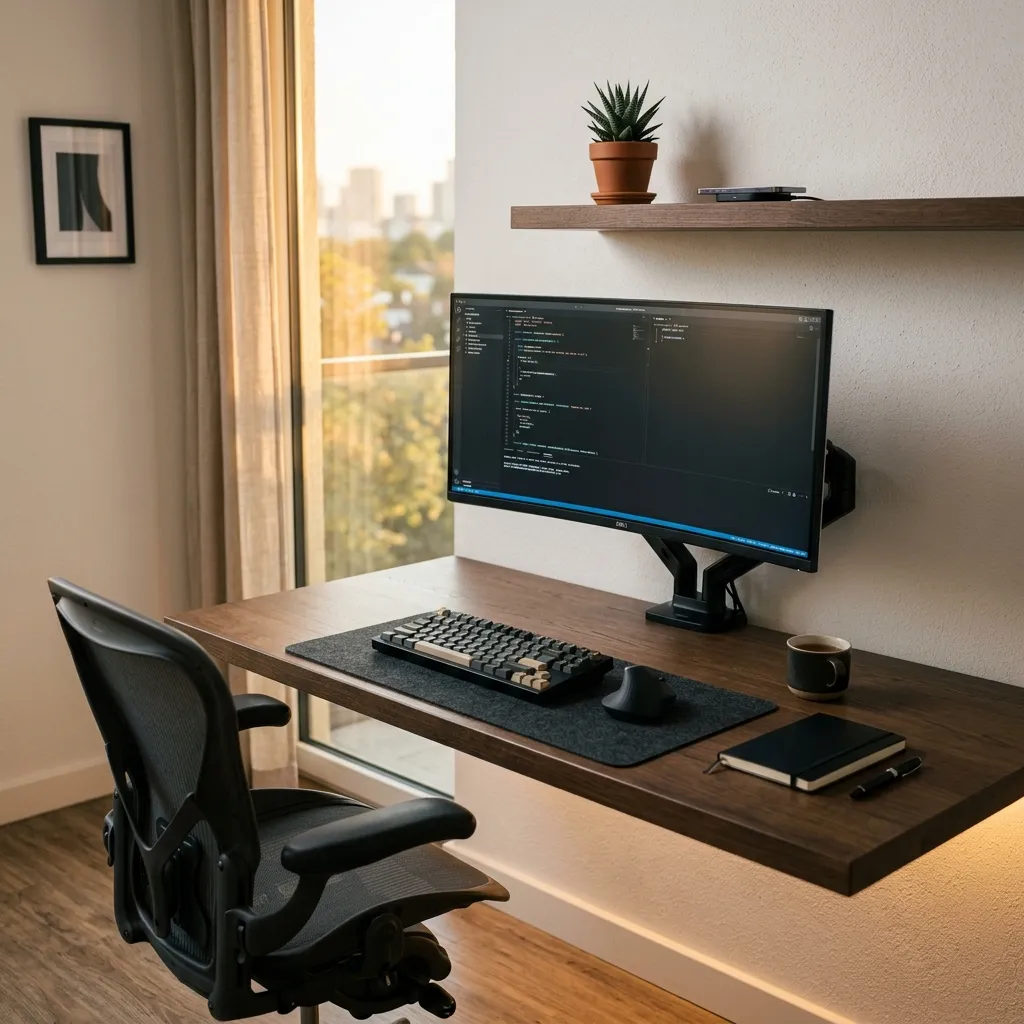
Using a monitor arm on a glass desk with reinforcement plates enhances ergonomics and workspace efficiency.
Understanding Glass Desk Reinforcement
Reinforcement plates are essential for supporting the weight of a monitor arm on a glass desk. Typically made of steel or aluminum, these plates distribute weight evenly to prevent breakage.
Choosing the Right Monitor Arm
Monitor arms come in various designs, including gas-spring and mechanical options. Brands like Ergotron and Vivo provide models specifically designed for glass surfaces.
Ergonomic Benefits of Using a Monitor Arm
Adjusting monitor height reduces neck strain and improves posture. A properly positioned monitor enhances focus and productivity during long hours of work.
Material Considerations for Stability
Selecting a monitor arm with durable materials ensures longevity and stability. Stainless steel arms provide superior strength compared to plastic alternatives.
Design Features to Look For
Opt for monitor arms with cable management systems to maintain a clean workspace. Adjustable features such as swivel and tilt improve viewing angles and reduce glare.
| Brand | Material | Weight Capacity | Adjustability | Price Range |
|---|---|---|---|---|
| Ergotron | Aluminum | 20 lbs | Full motion | $200 - $300 |
| Vivo | Steel | 32 lbs | Full motion | $60 - $100 |
| AmazonBasics | Steel | 25 lbs | Tilt and swivel | $50 - $80 |
DomineTec Tip: Ensure the monitor arm is mounted at eye level to reduce neck strain and promote better posture.
- Measure the thickness of the glass desk to ensure compatibility with the monitor arm.
- Install reinforcement plates using high-strength adhesive or screws as recommended by the manufacturer.
- Attach the monitor arm securely, verifying its stability before mounting the monitor.
- Adjust the monitor height to eye level and set the tilt and swivel features to minimize glare.
- Regularly check the monitor arm's connections for wear or loosening over time.
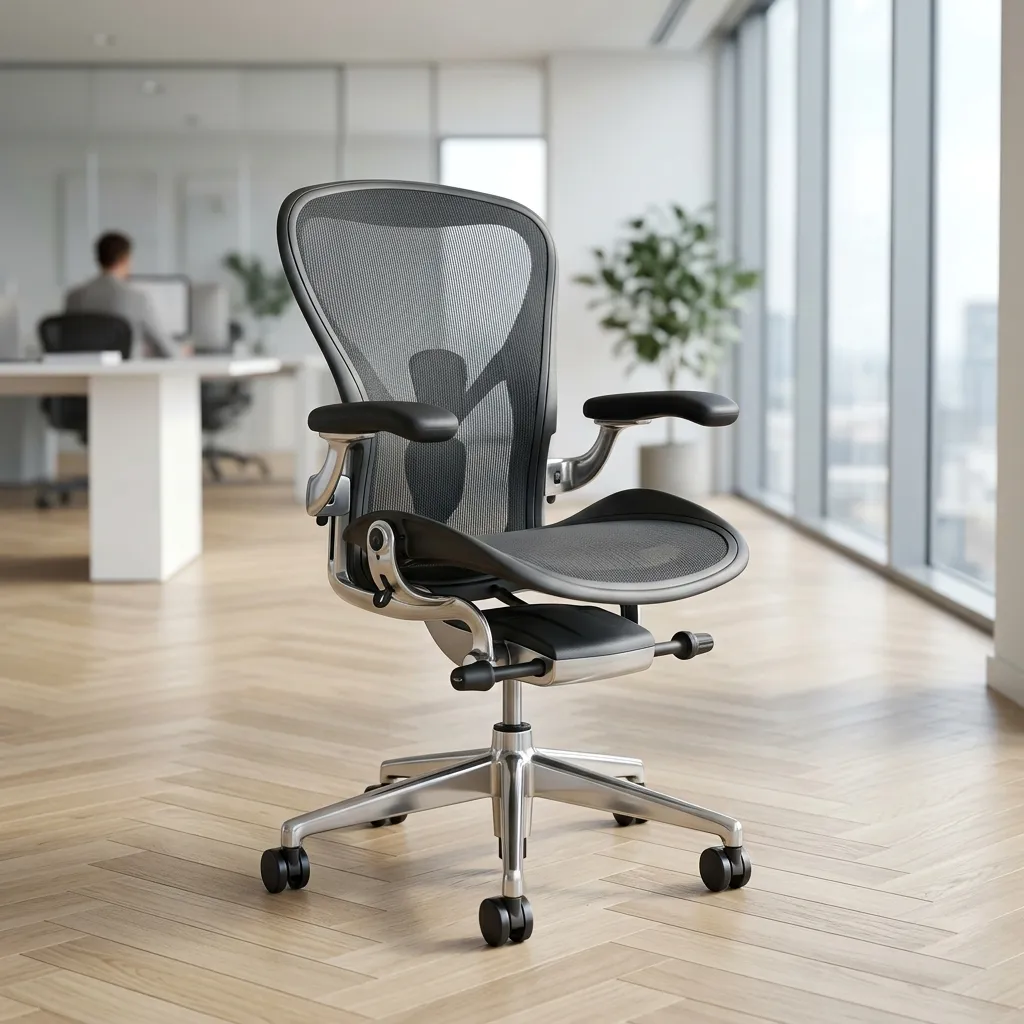
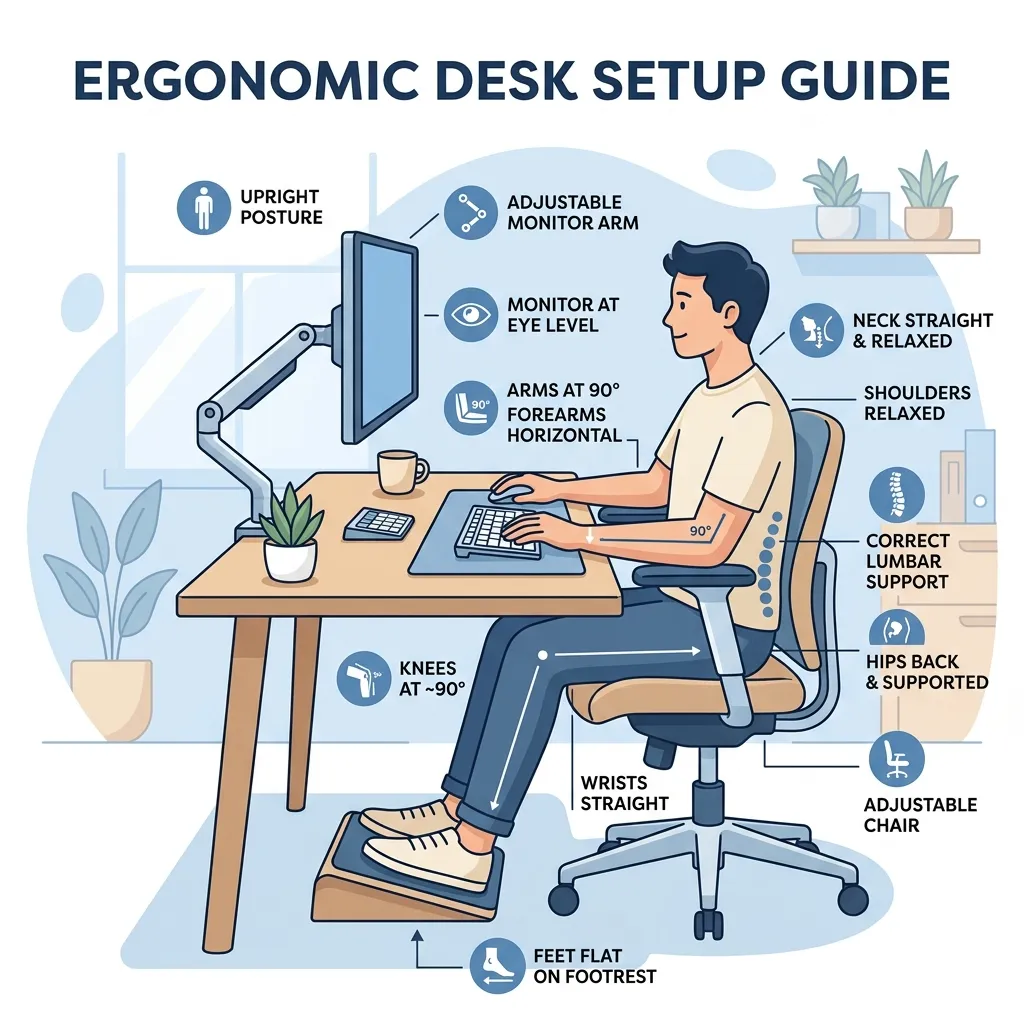
For an optimal setup, consider pairing the monitor arm with an ergonomic office chair that supports proper posture.
Also, ensure the monitor is positioned correctly by referencing guidelines on correct monitor height.
Proper Installation Techniques
Installing a monitor arm on a glass desk requires careful attention to ensure stability and safety. Begin by marking the desired position on the glass desk, ensuring it is at the optimal height and angle for use.
Use a level to confirm that the monitor arm is installed straight, as any tilt can lead to stress on the glass. Securely attach the mounting bracket to the reinforcement plate, using the appropriate hardware provided by the manufacturer.
Maintenance and Care for Glass Desks
Regular maintenance of your glass desk is essential to prolong its lifespan and functionality. Clean the glass surface with non-abrasive cleaners to prevent scratches and maintain clarity.
Periodically check the integrity of the reinforcement plates and the monitor arm for any signs of wear or loosening. Address any issues promptly to avoid potential damage to the desk or the monitor setup.
Adjusting Monitor Arm Positions
Flexibility in monitor positioning is one of the key advantages of using a monitor arm. Users should familiarize themselves with the range of motion available, which typically includes height adjustment, tilt, and swivel capabilities.
Regularly adjusting the monitor arm can help reduce neck strain and improve overall comfort during prolonged use. Take the time to find the most ergonomic position that promotes productivity and reduces fatigue.
Compatibility with Multiple Monitors
For users who require multiple monitors, selecting the right monitor arm is crucial for effective setup. Ensure the monitor arm is specifically designed to accommodate the weight and size of each monitor being used.
Dual or triple monitor arms can provide a cohesive and organized workstation while maintaining the integrity of the glass desk. Consider the space required for each monitor to avoid overcrowding and ensure optimal visibility and accessibility.
Impact of Monitor Weight on Glass Stability
The weight of the monitor can significantly influence the stability of a glass desk setup. When choosing a monitor arm, it is important to consider the weight capacity specified by the manufacturer.
Heavy monitors may require additional reinforcement to ensure the glass desk remains stable and secure. Consult the desk's specifications to determine the maximum load and ensure the monitor arm is compatible with these requirements.
Using Accessories with Monitor Arms
Various accessories can enhance the usability of monitor arms on glass desks. Consider adding cable management solutions to prevent clutter and tangling of wires, which can detract from the desk's aesthetic.
Using monitor risers or additional trays can also help organize peripherals and maximize workspace efficiency. Ensure that any accessories used do not exceed the weight limit of the monitor arm or compromise the stability of the glass desk.
Visual Aesthetics and Workspace Organization
The integration of a monitor arm on a glass desk can significantly enhance the visual appeal of a workspace. Choose a monitor arm that complements the design of the glass desk, whether modern, minimalist, or industrial.
A well-organized workspace not only looks professional but also promotes a more productive environment. Consider the overall layout and design elements of the workspace to create a cohesive and inviting atmosphere.
Understanding the Types of Monitor Arms
Monitor arms come in various types, each designed to cater to specific needs and preferences. Fixed monitor arms offer a stable, non-adjustable option that is ideal for minimalistic setups. On the other hand, articulating monitor arms provide flexibility, allowing users to adjust the monitor's position easily.
Height-adjustable monitor arms are particularly beneficial for users who share their workspace or alternate between sitting and standing positions. Additionally, some monitor arms come with built-in cable management systems, which help maintain a tidy workspace and prevent cable clutter.
When selecting a monitor arm, consider the range of motion it provides. Some models allow for tilting, swiveling, and rotating, enhancing overall usability. This versatility can significantly improve user comfort and productivity during extended periods of computer use.
Ultimately, understanding the different types of monitor arms available will empower users to choose the best option for their unique workspace. Prioritizing functionality alongside aesthetic appeal can lead to a more efficient and enjoyable working environment.
Understanding Load Capacity and Compatibility
Load capacity is a critical factor when selecting a monitor arm for a glass desk. Each monitor arm has a specified weight limit, which must be adhered to in order to ensure safety and stability. Exceeding this limit can result in damage to the glass desk or the monitor arm itself.
Before making a purchase, verify the weight of your monitor and compare it with the monitor arm's load capacity. It's also essential to consider any additional accessories that may add weight, such as monitor mounts, webcams, or speakers.
Compatibility between the monitor arm and the monitor's VESA mount is another important aspect. Most monitors are VESA compatible, but double-checking ensures a proper fit and secure attachment. Using adapters can help if the monitor's mount does not align with the arm's specifications.
A thorough understanding of load capacity and compatibility will enhance the longevity and functionality of your setup. This knowledge is vital for creating a safe and effective workspace that accommodates your specific needs.
Exploring Alternative Mounting Solutions
While monitor arms are a popular choice for glass desks, there are alternative mounting solutions that can also provide stability and flexibility. Desk clamps, for example, can attach to the edge of the glass desk, distributing weight evenly without compromising the integrity of the glass.
Wall-mounted brackets present another option, allowing users to free up desk space while ensuring that monitors are securely positioned. This type of mounting can be particularly useful in smaller workspaces where every inch counts.
Ceiling mounts offer a unique alternative for unconventional setups, providing an overhead solution for monitor placement. This option can create a more open and airy workspace while reducing desk clutter.
Exploring these alternative mounting solutions can lead to innovative workspace designs. Assessing the specific requirements of the workspace can help determine the best option for users seeking to maximize both functionality and aesthetics.
Enhancing Cable Management Strategies
Effective cable management is essential in creating a clean and organized workspace, especially when using monitor arms. Many monitor arms come with integrated cable management systems that guide cables along the arm, preventing tangles and clutter.
For setups without built-in cable management, external solutions such as cable clips and sleeves can be employed to keep cords neatly organized. These accessories not only improve aesthetics but also minimize the risk of accidental disconnection or damage.
Planning the layout of cables before installation can further enhance organization. Ensuring that power and data cables are routed efficiently will create a streamlined appearance and facilitate easy access when needed.
By implementing effective cable management strategies, users can enhance the overall functionality of their workspace. A well-managed environment contributes to improved productivity and a more pleasant working atmosphere.
Considering Environmental Factors
When using a monitor arm on a glass desk, it is vital to consider environmental factors that may affect stability and safety. Temperature fluctuations can impact the adhesive and structural integrity of reinforcement plates used to secure the monitor arm.
Additionally, humidity levels can cause the glass to expand or contract, potentially affecting the mounting. Users should be cautious about placing glass desks near heating vents or in direct sunlight, which can exacerbate these issues.
Regular inspections of the monitor arm and reinforcement plates are advisable to ensure they remain securely attached. Being mindful of environmental conditions can help prevent unforeseen accidents and maintain a stable workspace.
By considering these environmental factors, users can create a safer and more reliable workspace. This proactive approach contributes to the longevity and overall effectiveness of the monitor arm setup.
Enhancing Workspace Flexibility with Monitor Arms
Monitor arms provide a dynamic solution for workspace flexibility, allowing users to reposition their screens easily. This adaptability can be particularly beneficial in shared environments, where multiple users may need to adjust the monitor's position to suit their preferences.
By utilizing a monitor arm, individuals can switch between sitting and standing positions with minimal effort. This feature not only enhances comfort but also encourages healthier work habits by promoting movement throughout the day.
Additionally, monitor arms can facilitate collaborative work by allowing screens to be rotated or moved closer to colleagues. This promotes interaction and discussion, essential components of teamwork in many office settings.
Furthermore, the ability to adjust monitor height and angle can reduce glare and improve visibility, contributing to a more productive work environment. As a result, investing in a quality monitor arm can enhance overall workspace functionality.
Assessing Monitor Arm Adjustability Features
When selecting a monitor arm, it is crucial to evaluate its adjustability features to ensure it meets individual needs. Look for arms that offer a full range of motion, including tilt, swivel, and rotation capabilities, to achieve the optimal viewing angle.
Height adjustment is another vital feature, allowing users to align their monitors with eye level. This helps prevent neck and eye strain, promoting long-term health and productivity.
Some monitor arms come with integrated gas springs or mechanical adjustments, which provide smooth movement and easy repositioning. These features enhance user experience, making it simpler to customize monitor settings throughout the workday.
Ultimately, assessing the adjustability of a monitor arm ensures that it complements the user's workstyle. A versatile monitor arm can adapt to various tasks and body types, making it an invaluable addition to any workspace.
Safety Precautions When Using Monitor Arms on Glass Desks
When installing a monitor arm on a glass desk, safety should be the top priority. It is essential to ensure that the glass desk is not only reinforced but also free from any defects such as cracks or chips that could compromise its structural integrity.
Before proceeding with the installation, inspect the reinforcement plates and the area where the monitor arm will attach. Any imperfections can lead to potential hazards, including the risk of the glass shattering under stress from the monitor's weight.
Additionally, it is advisable to use protective gear, such as gloves, during installation. This minimizes the risk of injury from sharp edges in case of an accidental slip while handling the glass desk or the monitor arm components.
Regularly check the monitor arm and its mounting points for signs of wear or loosening over time. Promptly address any issues to maintain a safe workspace and prevent accidents.
Maximizing Space Efficiency with Monitor Arms
One of the primary advantages of using monitor arms is their ability to enhance space efficiency on glass desks. By elevating monitors, these arms free up valuable desk real estate, allowing for better organization of workspace essentials.
With a monitor arm, users can reclaim space that would otherwise be occupied by bulky monitor stands. This additional space can be utilized for essential items like notebooks, documents, or decorative elements that enhance the overall workspace ambiance.
Furthermore, the flexibility offered by monitor arms allows users to position their monitors closer to the wall or at a preferred angle. This not only optimizes the use of space but also contributes to a more personalized and functional workspace layout.
In addition to improving organization, a clear desk can lead to increased productivity. A well-arranged workspace reduces distractions and fosters a more efficient work environment, ultimately benefiting overall performance.
Frequently Asked Questions
What is a monitor arm?
A monitor arm is a mounting device that allows users to adjust the monitor’s position in multiple directions.
Can a monitor arm be used on any desk?
Monitor arms can be used on various desks, but glass desks require reinforcement to ensure stability.
What weight can a typical monitor arm hold?
Most monitor arms can support between 15 to 32 lbs, depending on the model and material.
How do I install a monitor arm on a glass desk?
Installation involves placing reinforcement plates under the desk and securely mounting the arm using the provided hardware.
Are there specific brands recommended for glass desks?
Brands like Ergotron and Vivo offer reliable monitor arms designed for glass surfaces, ensuring safety and durability.