PVC Edge Banding for MDF Desktops: Durability and Smooth Edge Guide

PVC edge banding enhances MDF desktops by providing durability and seamless aesthetics, crucial for any workspace.
Understanding PVC Edge Banding
PVC edge banding is a thermoplastic material used to cover the exposed edges of MDF, ensuring a durable and moisture-resistant barrier.
The thickness of PVC edge banding typically ranges from 0.4mm to 3mm, providing flexibility in both protection and aesthetics.
Durability and Longevity
PVC edge banding offers significant resistance against scratches, impacts, and general wear, extending the lifespan of MDF desktops.
Material composition includes a blend of polyvinyl chloride and additives that enhance its protective characteristics, ensuring long-term performance.
Ergonomic Benefits
Seamless edges created by PVC banding contribute to a smoother tactile experience, reducing the risk of cuts or snags during use.
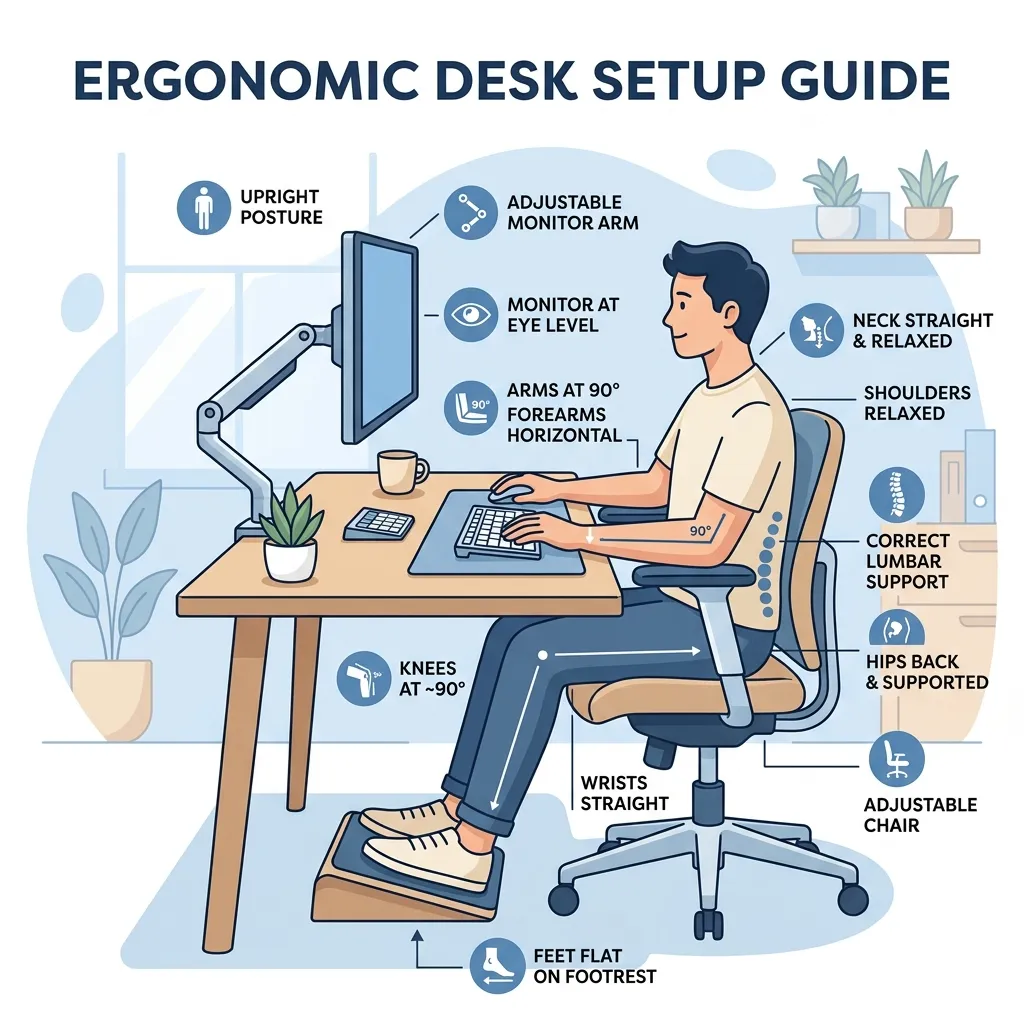
Employing ergonomically designed desktops promotes better posture and comfort, vital for prolonged working hours.
Design Versatility
PVC edge banding comes in a variety of colors and finishes, enabling customization to match any interior design scheme or personal preference.
This adaptability allows for cohesive design across office furniture, enhancing overall aesthetic appeal.
Comparative Analysis of Edge Banding Materials
| Material | Durability | Cost | Ease of Application |
|---|---|---|---|
| PVC | High | Moderate | Easy |
| ABS | Moderate | Higher | Moderate |
| Melamine | Low | Low | Easy |
DomineTec Tip: When setting up a workspace, consider the height of the desktop and the chair to maintain optimal ergonomics and comfort.
- Choose a PVC edge banding thickness based on the expected wear and tear.
- Select a color that complements the MDF desktop for a seamless look.
- Ensure proper application techniques to prevent peeling and ensure longevity.
- Regularly check the edges for wear and reapply if necessary.
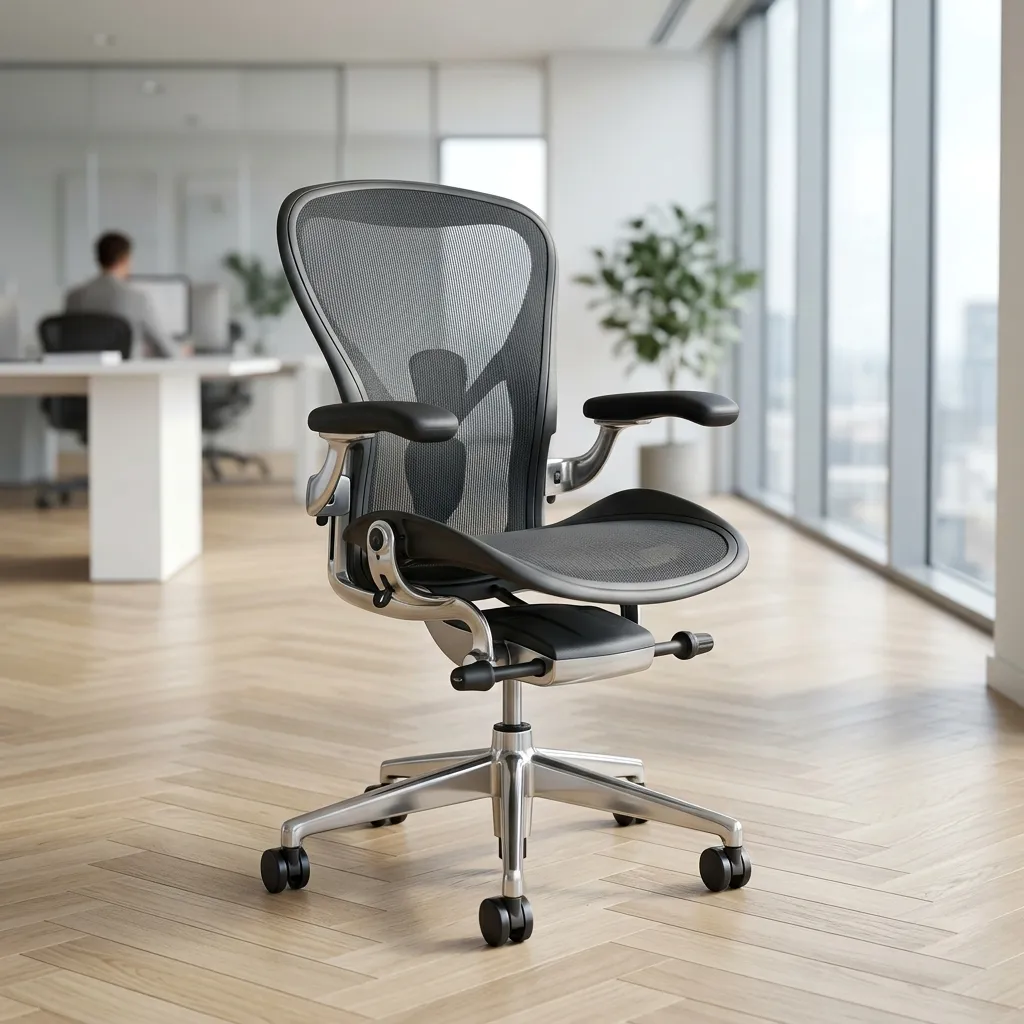
- Combine with ergonomic accessories, such as an adjustable chair, for maximum comfort.
For optimal productivity, consider how to clean productivity desk setup or choose mechanical keyboard switches.
Installation Techniques for PVC Edge Banding
Proper installation of PVC edge banding is crucial for achieving optimal results and long-lasting performance. The application process typically involves heating the adhesive on the back of the edge banding, allowing it to bond securely to the MDF surface.
Using a dedicated edge banding machine can streamline the process, ensuring uniform application and reducing the likelihood of mistakes. Hand-held tools are also available but may require more skill and experience to achieve a flawless finish.
Before installation, it is essential to prepare the MDF surface by cleaning it thoroughly to remove any dust or contaminants. This step ensures that the adhesive bonds effectively, enhancing the durability of the edge banding.
After applying the edge banding, trimming excess material and sanding the edges will result in a smooth, professional appearance. This finishing touch is critical for both aesthetics and ergonomics, ensuring that the edges are comfortable to touch.
Environmental Considerations of PVC Edge Banding
The environmental impact of materials used in furniture manufacturing is increasingly becoming a focal point for consumers and manufacturers alike. PVC edge banding, while durable, raises concerns regarding its production and disposal processes.
It is important to consider the lifecycle of PVC, as its production involves the use of fossil fuels and can generate harmful emissions. However, advancements in technology are leading to more sustainable manufacturing processes.
Some manufacturers are now offering recycled PVC options, which can greatly reduce the environmental footprint associated with edge banding. These products maintain the desirable properties of traditional PVC while being more eco-friendly.
Consumers are encouraged to research and opt for PVC edge banding that adheres to environmental standards, ensuring that their choices contribute positively to sustainability efforts in the furniture industry.
Cost-Effectiveness of PVC Edge Banding
When assessing the cost-effectiveness of PVC edge banding, it is essential to consider both initial investment and long-term benefits. Although PVC edge banding may have a higher upfront cost compared to other materials, its durability often results in lower replacement and repair costs over time.
Additionally, the installation process for PVC edge banding can be efficient, reducing labor costs associated with furniture production. The reduced likelihood of damage or wear means that furniture can retain its value longer.
In commercial settings, the longevity of PVC edge banding can lead to significant savings, as businesses frequently require durable materials that can withstand heavy use. This makes PVC a wise investment for office furniture and workstations.
Overall, evaluating the total cost of ownership rather than just initial pricing can provide a clearer picture of the financial benefits associated with choosing PVC edge banding for MDF desktops.
Maintenance and Care for PVC Edge Banding
Maintaining the appearance and integrity of PVC edge banding is relatively straightforward, requiring minimal effort from users. Regular cleaning with a damp cloth can help prevent the buildup of dirt and grime, ensuring that the edges remain visually appealing.
Avoiding harsh chemicals or abrasive materials is essential, as these can damage the PVC surface and compromise its protective qualities. Instead, mild detergents are recommended for tougher stains.
Inspecting the edge banding periodically for signs of wear or damage allows for timely repairs, which can extend the life of the furniture. Addressing any issues promptly helps maintain both aesthetics and functionality.
Incorporating preventive measures, such as using coasters and avoiding excessive heat exposure, can further enhance the durability of PVC edge banding, ensuring that it remains an attractive feature of MDF desktops for years to come.
Application in Various Industries
PVC edge banding is employed in a variety of industries beyond furniture manufacturing, showcasing its versatility and adaptability. In the cabinetry sector, it is commonly used to provide a polished finish to kitchen and bathroom installations.
Retail environments also benefit from PVC edge banding, as it can enhance the durability of display units and shelving. The material's resistance to moisture and impact makes it a preferred choice for high-traffic areas.
In the office furniture industry, PVC edge banding contributes to the ergonomic design of workstations, providing smooth edges that improve user comfort. Its aesthetic appeal also plays a role in creating an inviting workspace.
Overall, the widespread application of PVC edge banding across different sectors underscores its importance as a functional and stylish component in various products.
Trends in PVC Edge Banding Design
Recent trends in PVC edge banding design reflect a growing demand for personalization and innovation. Manufacturers are increasingly offering a wide range of colors, textures, and finishes to cater to diverse consumer preferences.
Textured finishes that mimic natural materials, such as wood grain or stone, are gaining popularity, allowing designers to achieve a high-end look without the associated costs. This trend aligns with the broader movement towards biophilic design in interior spaces.
Moreover, advancements in printing technology enable the creation of custom designs on PVC edge banding, providing opportunities for unique branding or artistic expression in furniture pieces.
As consumer tastes continue to evolve, manufacturers must stay ahead of these trends, ensuring that their PVC edge banding products meet the demands of contemporary design aesthetics.
Regulatory Standards and Certifications
The production and application of PVC edge banding are subject to various regulatory standards aimed at ensuring safety and environmental compliance. Familiarity with these standards is essential for manufacturers and consumers alike.
Certifications such as GREENGUARD and CARB indicate that the PVC products meet stringent requirements for emissions and chemical safety, making them suitable for indoor use. These certifications are especially important in markets that prioritize sustainability.
Adhering to international standards, such as ISO 9001, can also benefit manufacturers by demonstrating a commitment to quality management and continuous improvement in production processes.
As regulations evolve, staying informed about compliance requirements can help stakeholders navigate the complexities of the edge banding market and ensure that their products align with best practices.
Impact on Indoor Air Quality
The use of PVC edge banding can influence indoor air quality, particularly in enclosed spaces. As PVC materials can release volatile organic compounds (VOCs), it is essential to consider their emission levels when selecting edge banding for office or home environments.
Manufacturers are increasingly focused on producing low-VOC or zero-VOC options, which can significantly mitigate any potential air quality issues. This commitment to improved indoor air quality aligns with growing consumer awareness and regulatory pressures regarding environmental health.
Choosing certified low-emission PVC edge banding helps ensure that the materials used do not compromise the well-being of occupants. Additionally, proper ventilation during and after installation can further minimize any air quality concerns associated with PVC materials.
Ultimately, evaluating the impact of edge banding on indoor air quality is crucial for creating safe and healthy living and working environments. Consumers should inquire about VOC emissions when selecting PVC edge banding products.
Customizability and Branding Opportunities
PVC edge banding offers significant customizability options, making it suitable for various branding initiatives. Manufacturers can produce edge banding in an array of colors, patterns, and finishes, enabling businesses to align their furniture aesthetics with their brand identity.
This versatility allows for the seamless integration of branding elements into furniture designs, enhancing visual appeal and creating a cohesive look. Custom patterns can also be created to reflect specific marketing themes or seasonal campaigns, providing a dynamic approach to workspace design.
In addition to visual customization, edge banding can be printed with logos or brand messages. This feature not only reinforces brand visibility but also creates a unique and professional appearance for office furniture.
Overall, the customizability of PVC edge banding serves as a powerful tool for businesses looking to enhance their branding while maintaining practical functionality. Investing in tailored edge banding can yield significant returns in customer engagement and brand recognition.
Future Innovations in PVC Edge Banding Technology
Advancements in manufacturing technologies are poised to enhance the performance and sustainability of PVC edge banding. Innovations such as improved extrusion processes and enhanced material formulations are leading to more durable and environmentally friendly products.
Research is also focusing on the incorporation of recycled materials into PVC edge banding, promoting circular economy principles. This shift not only reduces waste but also lowers the carbon footprint associated with production, aligning with global sustainability goals.
Additionally, smart edge banding solutions are emerging, integrating technology such as RFID tags for inventory management or tracking. These innovations could streamline operations for manufacturers and end-users alike, providing added functionality beyond traditional edge banding.
As the demand for sustainable and technologically advanced materials grows, the future of PVC edge banding is likely to see significant transformations. Staying informed about these innovations can help consumers make more sustainable choices while benefiting from enhanced product features.
Impact on Aesthetic Appeal
PVC edge banding significantly enhances the aesthetic appeal of MDF desktops, providing a polished and professional look. The variety of colors and finishes available allows for customization that can match or complement existing décor.
This versatility in design makes PVC edge banding suitable for various applications, from office furniture to home installations. By choosing the right edge banding, manufacturers can create cohesive and visually pleasing products that attract consumers.
Moreover, the seamless integration of edge banding minimizes the visibility of raw MDF edges, which can detract from the overall appearance. This is particularly important in environments where aesthetics play a crucial role, such as in high-end offices or retail spaces.
High-quality PVC edge banding can also reflect light in a way that enhances the visual depth of furniture surfaces. This contributes to an overall sophisticated appearance that can elevate the perception of product quality.
Technical Advances in PVC Edge Banding Production
Recent advancements in manufacturing technologies have improved the quality and performance characteristics of PVC edge banding. These innovations include enhanced bonding techniques that ensure better adhesion to MDF surfaces.
Furthermore, the introduction of advanced extrusion methods allows for more precise thickness and width specifications, catering to specific design needs. This precision helps in achieving a more uniform appearance across various applications.
Additionally, the development of new formulations has led to PVC edge banding products that are more resistant to scratches, impacts, and chemical exposure. This resilience is essential for maintaining the longevity of desktops in demanding environments.
As the industry continues to evolve, future innovations may focus on the integration of smart technologies into PVC edge banding, potentially offering features such as temperature regulation or self-healing properties for minor damages.
Impact of Climate on PVC Edge Banding Performance
The performance of PVC edge banding can be significantly affected by climatic conditions. In areas with high humidity, the edges may absorb moisture, leading to potential swelling or warping of the banding material.
Conversely, extremely dry environments can cause the PVC to become brittle, increasing the risk of cracking or chipping. Understanding these influences is crucial for manufacturers and end-users alike.
To mitigate these effects, it is advisable to store PVC edge banding in climate-controlled environments before installation. This practice helps maintain the material's integrity and ensures better adhesion during the application process.
Additionally, selecting high-quality PVC edge banding designed for specific climates can enhance the longevity and durability of the finished product, ultimately leading to improved customer satisfaction.
Consumer Trends Influencing PVC Edge Banding Choices
Recent consumer trends have been steering the market towards more sustainable and eco-friendly materials, impacting the choice of PVC edge banding. As environmentally conscious consumers become more prevalent, there is increasing demand for PVC products that incorporate recycled materials.
Moreover, aesthetic preferences are evolving, with consumers favoring edge banding options that mimic natural materials like wood or stone. Manufacturers are responding to these trends by offering a broader range of textures and colors.
Customization has also become a significant trend, with consumers seeking personalized solutions that reflect their individual styles. This shift is pushing manufacturers to provide more options for thickness, finish, and design in PVC edge banding.
Ultimately, staying attuned to these consumer preferences will be essential for manufacturers to remain competitive and relevant in the ever-evolving market of edge banding solutions.
Frequently Asked Questions
What is PVC edge banding?
PVC edge banding is a plastic material used to cover the edges of MDF to enhance durability and aesthetics.
How does PVC improve the lifespan of MDF?
PVC provides a moisture-resistant barrier and protects against scratches and impacts, ultimately prolonging MDF's lifespan.
Are there different colors available for PVC edge banding?
Yes, PVC edge banding is available in various colors and finishes to match different design preferences.
How should PVC edge banding be applied?
Application involves using heat or adhesive methods to bond the banding securely to the MDF edges.
What maintenance is required for PVC edge banding?
Regular inspections for wear and cleaning with mild detergents will help maintain the appearance and integrity of the edge banding.