PVA Filament: Water-Soluble Supports for Dual Extrusion Prints
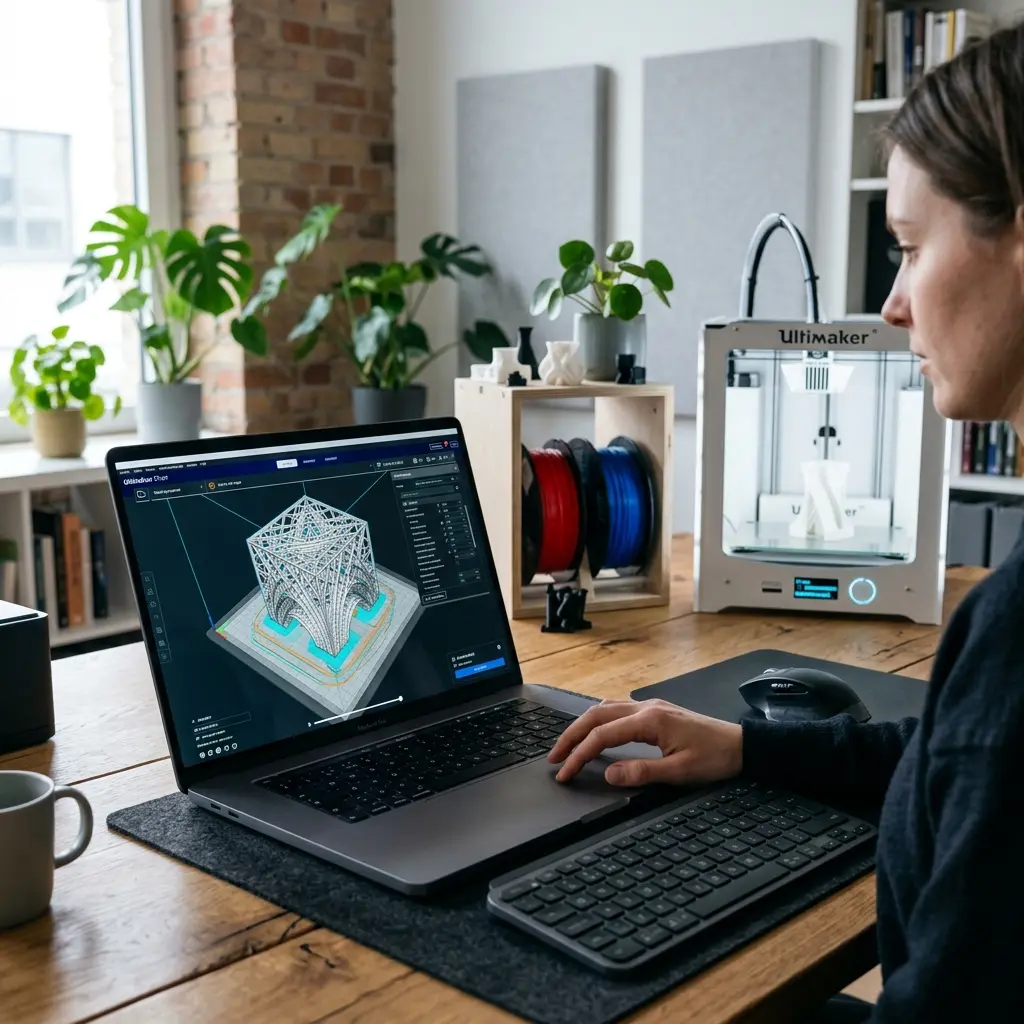
PVA Filament: Water-Soluble Supports for Dual Extrusion Prints
Polyvinyl Alcohol (PVA) filament has gained popularity in the 3D printing community as a versatile material for creating water-soluble supports. This innovative filament allows for complex geometries and intricate designs that would otherwise be challenging to achieve with traditional support materials. This document outlines the properties, benefits, and considerations when using PVA filament in dual extrusion printing.
Properties of PVA Filament
- Water-soluble: Dissolves in water, making it easy to remove supports.
- Biodegradable: Environmentally friendly option for 3D printing.
- Good adhesion: Adheres well to various materials, including PLA and ABS.
- Non-toxic: Safe to handle compared to many other filaments.
- Flexible: Offers some degree of flexibility, which can be beneficial in certain applications.
Benefits of Using PVA Filament
- Enhanced design freedom: Enables the creation of complex geometries that require internal supports.
- Improved surface finish: Reduces the risk of marks or blemishes on the final print.
- Time-saving: Eliminates the need for manual support removal, which can be labor-intensive.
- Compatible with multiple materials: Works well with a variety of filaments, enhancing versatility.
Considerations When Using PVA Filament
- Moisture sensitivity: PVA is hygroscopic, meaning it absorbs moisture from the air, which can affect print quality.
- Printing temperature: Requires precise temperature control, typically between 190°C and 220°C.
- Storage: Should be stored in a dry environment to prevent degradation.
- Cost: Generally more expensive compared to traditional support materials like PLA.
Best Practices for Dual Extrusion with PVA
| Practice | Description |
|---|---|
| Print Settings | Adjust the nozzle temperature and bed temperature according to the manufacturer's recommendations for PVA. |
| Filament Drying | Dry PVA filament in an oven at low temperature (around 40-50°C) for a few hours to remove moisture before printing. |
| Extruder Configuration | Ensure that the dual extrusion setup is properly calibrated to prevent oozing or clogging of the PVA filament. |
| Post-Processing | After printing, submerge the model in warm water to dissolve the PVA supports effectively. |
Applications of PVA Supports
- Complex Geometries: Ideal for models with intricate designs that require internal support structures.
- Multi-Material Prints: Useful for prints that combine rigid materials with flexible or rubber-like components.
- Functional Prototypes: Enables the creation of prototypes that simulate assembly processes, allowing for easy removal of supports.
- Artistic Models: Artists can create detailed sculptures with complex features that would be difficult to achieve without soluble supports.
Challenges of PVA Filament
| Challenge | Solution |
|---|---|
| Moisture absorption | Use a desiccant or filament dryer to keep the filament dry during storage. |
| Print adhesion issues | Adjust the bed temperature and use a suitable adhesive to improve first-layer adhesion. |
| Clogging | Regularly clean the nozzle and use a suitable retraction setting to minimize oozing. |
Conclusion
PVA filament serves as a revolutionary support material in dual extrusion printing, offering unique advantages that enhance the printing process and final product quality. By understanding its properties, benefits, and challenges, users can effectively leverage PVA in their 3D printing projects, resulting in intricate designs and improved efficiency.
Frequently Asked Questions
Can PVA filament be used with any type of 3D printer?
PVA filament is compatible with most dual extrusion 3D printers. Ensure that the printer can handle the specific temperature ranges required for PVA.
How do I store PVA filament to prevent degradation?
Store PVA filament in a cool, dry place, preferably in a vacuum-sealed bag with desiccants to avoid moisture absorption.
Are there any alternatives to PVA filament for support materials?
Yes, alternatives include HIPS (High Impact Polystyrene) and BVOH (Butenediol Vinyl Alcohol), although they may not offer the same ease of use as PVA.
What is the best way to dissolve PVA supports after printing?
The best method is to soak the print in warm water. This allows the PVA to dissolve effectively, leaving a clean finish.
Is PVA filament biodegradable?
PVA is biodegradable, making it an eco-friendly option compared to many other 3D printing materials.




