What Are Peak Hours for Solar Energy Production? Output Curve
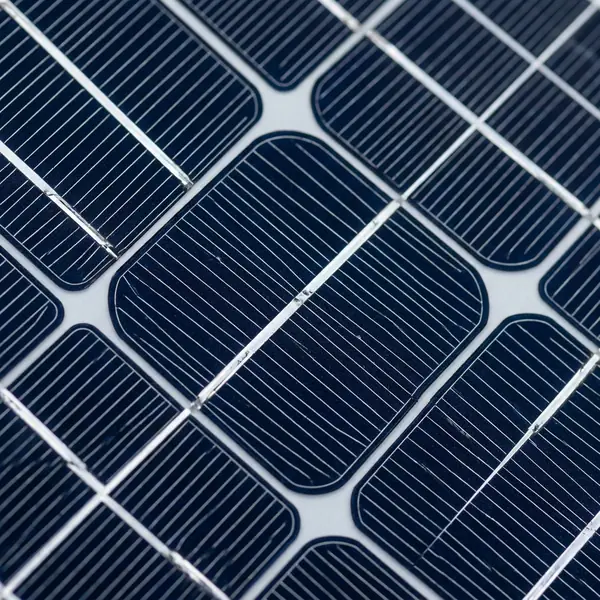
Peak hours for solar energy production typically occur between 10 AM and 4 PM on sunny days.
Understanding Solar Energy Production
Solar energy production relies on sunlight to generate electricity through photovoltaic cells. These cells convert sunlight into electrical energy, which can be used immediately or stored for later use.
What Are Peak Hours?
Peak hours for solar energy production refer to the times of day when sunlight is most intense and solar panels generate the maximum amount of electricity. During these hours, solar panels operate at their highest efficiency.
Peak production hours generally occur from late morning to mid-afternoon, specifically between 10 AM and 4 PM. The exact timing can vary based on location, weather conditions, and seasonal changes.
Factors Influencing Peak Hours
Several factors can influence the timing and duration of peak solar energy production hours. These include geographical location, time of year, and local atmospheric conditions.
For instance, regions closer to the equator experience more consistent sunlight throughout the year, leading to more predictable peak hours. In contrast, areas further from the equator may experience significant variations in solar production based on seasonal changes.
Solar Output Curve
The solar output curve illustrates the relationship between solar energy production and time of day. Typically, this curve resembles a bell shape, with production increasing in the morning, peaking around midday, and decreasing in the late afternoon.
Understanding the solar output curve helps in optimizing energy consumption, ensuring that electricity usage aligns with peak production times. This alignment can lead to significant energy savings.

Peak Hour Variability
Peak hours can vary based on several key factors, including geographic location, seasonal changes, and weather conditions. For instance, during the summer months, peak hours may extend longer due to longer daylight hours.
Moreover, cloudy or rainy days can significantly reduce solar energy production. On such days, production may peak later or not reach optimal levels at all, emphasizing the importance of weather considerations.
Geographic Influence on Peak Hours
The geographic location of a solar installation heavily influences its peak production hours. For example, solar panels installed in southern regions typically receive more sunlight year-round compared to those in northern climates.
As a result, solar energy systems in sunny states like Arizona or California may experience extended peak hours, while solar installations in areas with frequent cloud cover may have shorter and less reliable peak production times.
Table of Average Peak Hours by Region
| Region | Average Peak Hours (Local Time) |
|---|---|
| Southwest USA | 10 AM - 4 PM |
| Midwest USA | 11 AM - 3 PM |
| Northeast USA | 10 AM - 2 PM |
| Northwest USA | 11 AM - 3 PM |
| Southern Hemisphere (e.g., Brazil) | 9 AM - 4 PM |
Maximizing Solar Energy Utilization
To maximize solar energy utilization, it is critical to schedule energy-intensive activities during peak hours. This can include running appliances such as washing machines and dishwashers when solar production is at its highest.
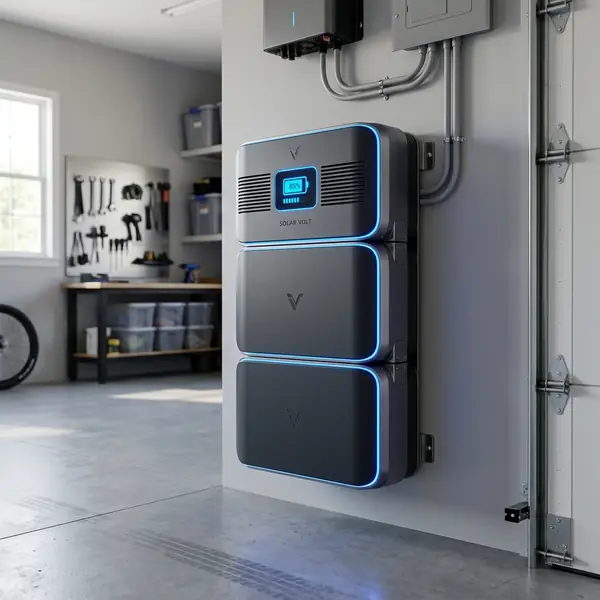
In addition, energy storage systems, such as batteries, can be implemented to store excess energy produced during peak hours for later use. This approach can optimize energy consumption and reduce reliance on grid electricity.
DomineTec Tip: Consider integrating smart home technology to automate energy usage during peak solar production times for enhanced efficiency.
To expand on this subject, it is highly useful to also explore how to best home solar inverter in detail.
Frequently Asked Questions
What factors affect the timing of peak solar production?
Factors such as geographic location, seasonal changes, and atmospheric conditions can affect the timing of peak solar production. Understanding these factors can help in predicting peak hours.
How does weather impact solar energy production?
Weather conditions, particularly cloud cover and precipitation, can significantly reduce solar energy production. On cloudy days, peak production may occur later or may not reach optimal levels.
Can solar panels still produce energy on cloudy days?
Yes, solar panels can still produce energy on cloudy days, although the output is reduced. Understanding how solar panels work on cloudy days is essential for managing expectations regarding energy production.
How can energy storage systems enhance solar energy use?
Energy storage systems allow users to store excess energy generated during peak hours for later use. This capability can enhance overall energy efficiency and reduce dependency on the electrical grid.
What is the benefit of scheduling energy-intensive tasks during peak hours?
Scheduling energy-intensive tasks during peak hours can lead to significant energy savings. This practice ensures that energy consumption aligns with the highest production levels, optimizing overall efficiency.
Understanding Solar Energy Production (Market overview analysis)
Solar energy production is primarily influenced by the sun's position in the sky and atmospheric conditions. Peak hours refer to the time during the day when sunlight intensity is at its highest, typically occurring between 10 AM and 4 PM.
During peak hours, solar panels can produce optimal energy output, measured in kilowatts or kilowatt-hours. This information is essential for estimating the efficiency and performance of solar energy systems.
Peak Sun Hours Explained
Peak sun hours are defined as the time duration when solar irradiance averages 1000 watts per square meter. Different geographical locations experience varying peak sun hours based on seasonal changes and weather patterns.
Monitoring local weather forecasts can help identify the best days for solar energy production. Understanding the concept of peak sun hours aids in effective energy management for solar system owners.
Output Curve Characteristics
The output curve of a solar panel illustrates the relationship between the solar irradiance and energy production. Typically, the curve shows increased output during peak sun hours, tapering off as the sun sets.
Analyzing the output curve can reveal insights into system performance and areas requiring improvement. Deviations from expected output may indicate issues such as shading, dirt accumulation, or equipment malfunction.
Factors Affecting Peak Hours
Several factors can influence the duration and intensity of peak hours, including geographical location, time of year, and local weather conditions. For example, during winter months, shorter days may reduce the total amount of peak hours.
Additionally, obstructions such as buildings or trees can create shade, significantly impacting energy production. Regular assessments of the installation site are crucial for maximizing solar energy output.
Troubleshooting Solar Production Issues
Identifying production issues during peak hours can require systematic troubleshooting. Checking for shading, dirt on panels, or inverter errors should be part of routine maintenance.
Monitoring system performance metrics can help detect anomalies that may indicate a decrease in output, allowing for timely intervention. Documentation of performance data is vital for effective troubleshooting.
Installation Checklist for Optimal Performance
Before installation, a comprehensive checklist should be prepared to ensure optimal solar panel performance. Key items include assessing site orientation, angle, and potential shading from nearby objects.
Additionally, ensuring that electrical components meet local codes and standards is essential for safety and efficiency. Proper installation techniques will maximize the system's output during peak hours.
Warranty Specifications for Solar Systems
Understanding warranty specifications is crucial for protecting investments in solar energy systems. Most solar panels come with performance warranties that guarantee a certain level of output over time.
Inverter warranties typically cover shorter durations, making it important to evaluate manufacturer terms carefully. Regular maintenance and monitoring can help ensure compliance with warranty conditions and prolong system life.
What Are Peak Hours for Solar Energy Production?
Understanding peak hours for solar energy production is crucial for maximizing the efficiency of solar power systems. These hours refer to the times during the day when sunlight is most intense, leading to higher energy generation from solar panels.
Defining Peak Sun Hours
Peak sun hours are defined as the hours in which solar irradiance averages about 1,000 watts per square meter. This metric helps in calculating the energy output of solar panels.
Identifying Peak Production Times
- Peak hours typically occur between 10 a.m. and 4 p.m.
- The highest production is often observed around noon, when the sun is directly overhead.
Factors Influencing Peak Hours (Market overview analysis)
Several factors can influence the timing and duration of peak solar energy production. These include geographical location, seasonality, and weather conditions.
Geographical Location
The latitude of a location significantly affects its solar energy production. Areas closer to the equator generally experience longer peak sunlight hours throughout the year.
Seasonality
Seasons can dictate the angle and intensity of sunlight. Summer months usually see longer peak hours, while winter may shorten these periods.
Weather Conditions
Cloud cover, rain, and atmospheric conditions can impact solar irradiance. Clear, sunny days yield the highest energy production compared to overcast days.
Understanding the Output Curve
The output curve of a solar energy system visually represents the amount of energy generated throughout the day. This curve helps in evaluating the performance of solar panels.
Shape of the Output Curve
The output curve typically exhibits a bell shape, with peak generation occurring during midday hours. Energy output rises as the sun rises and decreases as it sets.
Analyzing the Output Curve
- The curve helps in understanding when energy demand aligns with solar production.
- It can also indicate the efficiency of solar panels under varying conditions.
Optimizing Solar Energy Usage
To maximize the benefits of solar energy, households and businesses can adjust energy usage to coincide with peak production times. This can lead to cost savings and increased efficiency.
Energy Storage Solutions
Implementing battery storage systems allows for capturing excess energy produced during peak hours. This stored energy can be utilized during non-peak times, ensuring a steady power supply.
Smart Energy Management
Smart energy management systems can optimize energy consumption based on solar production forecasts. These systems help in shifting energy-intensive activities to align with peak production hours.
The Importance of Monitoring Solar Production
Regular monitoring of solar energy production is essential for maintaining efficiency. This allows for timely adjustments to system performance based on real-time data.
Tools for Monitoring
- Inverters often come with monitoring software to track energy generation.
- Third-party applications can provide comprehensive data analytics on solar output.
Future Trends in Solar Energy Production
Advancements in technology are continually improving solar energy production capabilities. Emerging trends focus on increasing the efficiency of solar panels and energy storage systems.
Innovative Solar Technologies
New materials and designs are being developed to enhance solar panel efficiency. Bifacial panels, which collect sunlight from both sides, are gaining popularity.
Integration with Smart Grids
Integration of solar energy systems with smart grids allows for better energy distribution. This technology enables real-time adjustments based on energy demand and solar production.
Conclusion
Understanding peak hours for solar energy production and the associated output curve is vital for optimizing solar energy systems. By leveraging this knowledge, users can enhance energy efficiency and reduce reliance on non-renewable energy sources.
Understanding Peak Hours for Solar Energy Production
Peak hours for solar energy production refer to the time during the day when sunlight intensity is highest, resulting in maximum energy generation. Typically, these hours occur between 10 AM and 2 PM, though local weather and geographical factors can influence these times.
It is essential to analyze the solar radiation data specific to the installation site to accurately determine peak hours. Tools such as solar pathfinders or software simulations can assist in predicting potential energy output based on solar angles and local climate conditions.
Monitoring solar production during these peak hours can uncover performance discrepancies that may indicate issues with the solar panel installation. Regular system checks should be performed during these times to ensure optimal functioning and to troubleshoot any potential inefficiencies.
Output Curve of Solar Energy Systems
The output curve of solar energy systems illustrates the relationship between solar irradiance and energy production throughout the day. This curve typically shows a sharp increase in output during peak hours, followed by a gradual decline as the sun sets.
Installation of solar panels should account for the output curve to maximize energy capture and minimize losses. Understanding how shading from nearby structures or vegetation can affect this curve is crucial for optimizing placement.
In addition, the inverter's efficiency plays a critical role in shaping the output curve. Ensuring the inverter is appropriately sized and configured can enhance overall system performance and reliability throughout the day.




