Best Home Solar Inverters: Top Rated for Efficiency and Price
Understanding Solar Inverters
The best home solar inverters for overall value in 2026 include Growatt, Deye, Fronius, and Sungrow based on cost and reliability. Choosing and installing the right system ensures energy independence and long-term utility bill reductions.
The best home solar inverters for overall value in 2026 include Growatt, Deye, Fronius, and Sungrow based on cost and reliability. Choosing and installing the right system ensures energy independence and long-term utility bill reductions.
When it comes to solar energy systems, one of the most critical components is the solar inverter. This device converts the direct current (DC) generated by solar panels into alternating current (AC), which is the type of electricity used in homes. A good inverter ensures that you can optimize your solar energy usage effectively.
Choosing the best home solar inverter involves considering factors like efficiency, price, and features. In this article, we will explore the top-rated solar inverters available in the market today, along with their benefits and specifications.
Key Features of Quality Solar Inverters
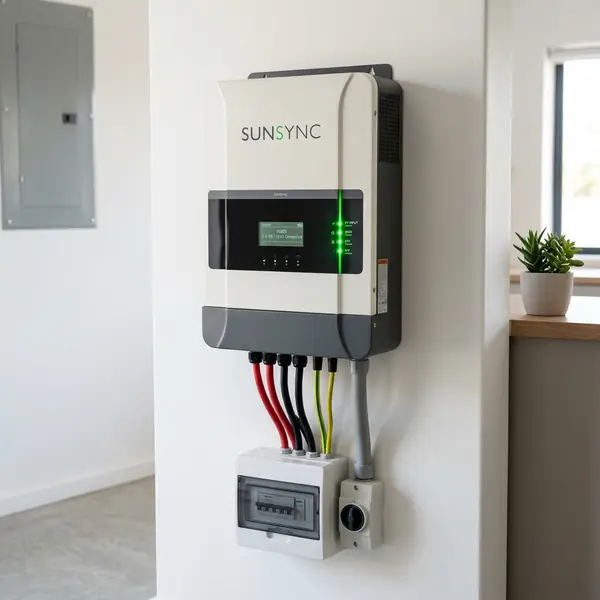
Modern solar inverters come with various features that enhance their efficiency and usability. Here are some key aspects to consider:
Efficiency Ratings
The efficiency of a solar inverter is key, as it determines how much of the energy generated by the solar panels can be converted for household use. A higher efficiency rating means more energy savings. Most top-rated inverters have efficiencies between 95% and 99%.
For example, the Enphase IQ 8+ has an efficiency rating of 97%, making it one of the best options available. This rating helps to minimize energy losses during conversion.
Type of Inverter
There are mainly three types of solar inverters: string inverters, microinverters, and power optimizers. String inverters are the most common and typically the most affordable option. Microinverters allow for individual panel optimization, increasing overall performance, especially in shaded areas.
Power optimizers sit between string inverters and microinverters, maximizing energy output while still being cost-effective. Depending on your home's layout and shading, one type may be more suitable than the others.
Monitoring Capabilities
Many modern solar inverters come with built-in monitoring capabilities. This feature allows homeowners to track their energy production and usage through a mobile app or web interface. It can provide insights into energy efficiency and alert users to any performance issues.
For instance, the SolarEdge HD-Wave inverter offers comprehensive monitoring through its app, making it easier for homeowners to manage their energy systems effectively.
Top-Rated Solar Inverters for 2026
Here is a comparison of some of the best home solar inverters based on efficiency ratings, features, and price.
| Inverter Brand | Type | Efficiency | Price (USD) | Warranty |
|---|---|---|---|---|
| Enphase IQ 8+ | Microinverter | 97% | $200 | 25 years |
| SolarEdge HD-Wave | String Inverter | 99% | $1,200 | 12 years |
| SMA Sunny Boy | String Inverter | 97% | $1,500 | 10 years |
| Fronius Primo | String Inverter | 96% | $1,800 | 10 years |
| APsystems QS1 | Microinverter | 95% | $170 | 10 years |
The Role of Solar Inverter in Energy Savings
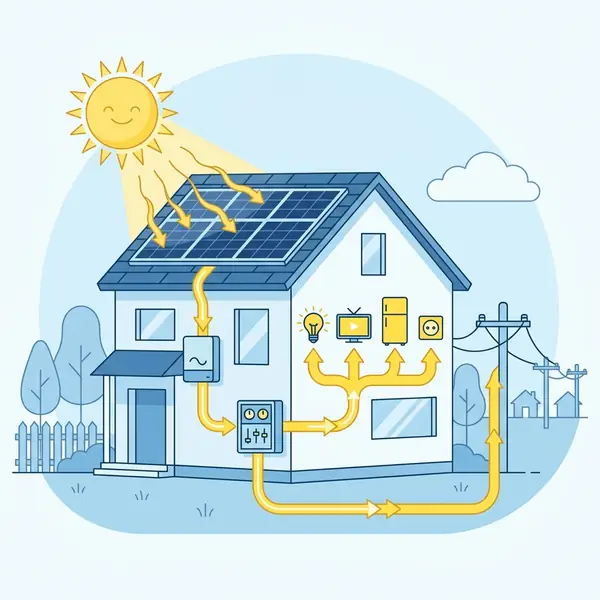
Investing in a high-quality solar inverter can significantly impact your energy bills. According to the National Renewable Energy Laboratory (NREL), homeowners can save between $10,000 and $30,000 over 20 years by utilizing efficient solar technology. The inverter plays a key role in maximizing these savings by minimizing conversion losses.
For example, if you install a system with a SolarEdge HD-Wave inverter, your energy production can be optimized even on partially shaded roofs. This means you’re not just saving on energy bills but also enhancing the overall return on investment (ROI) for your solar system.
Practical Tips for Choosing the Right Inverter
When selecting a solar inverter, consider the following practical tips:
- Assess Your Energy Needs: Calculate your household's energy consumption to determine the size and type of inverter required.
- Research Local Incentives: Check for federal and state incentives that can lower your initial investment in solar technology.
- Read Reviews: Look for user reviews and ratings on different inverter brands to gauge reliability and performance.
Additionally, consult with local solar providers to get a tailored quote that includes installation and long-term maintenance plans. This will help ensure you choose an inverter that fits both your budget and energy production goals.
Understanding Payback Periods and Financing Options
The average payback period for residential solar installations in the U.S. is approximately 6 to 8 years, according to the Solar Energy Industries Association (SEIA). This period can vary based on installation costs, local electricity rates, and available incentives.
Financing options such as solar loans, leases, or power purchase agreements (PPAs) can make solar more accessible. Many homeowners opt for a solar loan to spread out the upfront costs over several years, allowing for immediate savings on energy bills while paying off the system.
Real-Life Examples of Successful Solar Inverter Installations
Let’s look at some real-life examples of successful solar inverter installations:
- Smith Family, California: Installed a SolarEdge HD-Wave inverter with a 6 kW system. They reported a 50% reduction in their monthly electricity bill and expect to break even in under 7 years.
- Johnson Residence, Texas: Chose Enphase IQ 8+ microinverters for their 8 kW system. Their roof shading issues were resolved, resulting in a 40% increase in energy production.
These examples illustrate how selecting the right inverter can lead to significant financial savings and increased energy efficiency.
Conclusion
Choosing the right solar inverter is key to maximizing your solar energy system's performance. By considering efficiency, type, and monitoring capabilities, you can ensure your investment pays off. With the right inverter, homeowners can achieve substantial savings and contribute to a sustainable future.
Understanding the Types of Solar Inverters
To choose the best solar inverter for your home, it's important to understand the different types available. The primary types are string inverters, microinverters, and power optimizers. Each comes with its unique advantages and disadvantages, impacting efficiency and installation costs.
String Inverters
String inverters are the most common type used in residential solar systems. They connect a string of solar panels to one inverter, which converts the direct current (DC) generated by the panels into alternating current (AC) for home use. These inverters are cost-effective and reliable, but their performance can be affected by shading on any single panel.
Microinverters
Microinverters are attached to individual solar panels, allowing each panel to operate independently. This setup enhances overall system efficiency, especially in partially shaded conditions. Although they are generally more expensive than string inverters, the increased energy production can justify the cost for many homeowners.
Power Optimizers
Power optimizers are similar to microinverters but work in conjunction with a string inverter. They optimize the energy output of each panel without converting DC to AC on-site. This setup provides a middle ground in terms of cost and efficiency, making it a popular choice for many installations.
Comparative Analysis of Top Solar Inverter Brands
Choosing the right inverter brand can significantly affect your solar energy system's performance and longevity. Below is a comparison of several leading solar inverter brands based on efficiency, warranty, and average price.
| Brand | Efficiency (%) | Warranty (Years) | Average Price (USD) |
|---|---|---|---|
| SMA | 97.5 | 10 | 1,500 |
| Enphase | 97.0 | 25 | 200 |
| Fronius | 97.2 | 10 | 1,800 |
| SolarEdge | 99.0 | 12 | 1,500 |
Solar Inverter Installation and Maintenance
Proper installation and maintenance are key for maximizing the lifespan and efficiency of your solar inverter. Hiring a certified professional for installation ensures that the inverter is appropriately set up to handle your solar system's specific needs.
Installation Considerations
When installing a solar inverter, consider factors such as location, ventilation, and accessibility for maintenance. Inverters should be installed in a shaded area to prevent overheating, which can affect performance. Additionally, ensure that the inverter is easily accessible for future maintenance or troubleshooting.
Maintenance Tips
Regular maintenance can help extend the life of your solar inverter. Check for any error codes on the inverter display and ensure that the cooling vents are free from dust and debris. It’s also wise to schedule periodic professional inspections to address any potential issues proactively.
DomineTec Tip: Always keep your inverter’s firmware updated to improve performance and security. Most manufacturers provide updates that can enhance efficiency and add new features.
Financial Considerations and Incentives for Solar Inverters
Investing in a solar inverter is a significant financial decision. Understanding the costs and available incentives can help you make an informed choice. The average cost of solar inverters in the U.S.
ranges from $1,000 to $3,000, depending on the type and capacity.
Payback Periods
The payback period for a solar energy system, including the inverter, typically ranges from 5 to 10 years. This period can vary based on factors such as local electricity rates, available incentives, and the overall efficiency of your solar panel system. Many homeowners find that the long-term savings on electricity bills outweigh the initial investment.
Available Incentives
Homeowners in the U.S. can take advantage of federal tax credits and state-specific incentives to reduce the cost of solar energy systems. The Federal Investment Tax Credit (ITC) allows homeowners to deduct 30% of the cost of installing a solar energy system from their federal taxes.
Additionally, many states offer rebates or incentives that can further lower the overall cost.
How long do solar inverters typically last?
Most solar inverters have a lifespan of 5 to 15 years, depending on the type and brand. Regular maintenance can help extend their service life.
Can I install a solar inverter myself?
While it is possible to install a solar inverter yourself, hiring a certified professional is recommended to ensure proper installation and compliance with local regulations.
Are there any incentives for installing solar inverters?
Yes, homeowners can benefit from federal tax credits, state rebates, and other incentives that can significantly reduce the cost of solar inverter installation.
What should I look for in a solar inverter warranty?
When evaluating a solar inverter warranty, consider the length of coverage, what components are included, and whether it covers both parts and labor.
Understanding Solar Inverter Efficiency Ratings
When selecting a solar inverter, efficiency ratings play a key role in determining its performance. The efficiency of an inverter is typically measured as a percentage, indicating how effectively it converts DC power generated by solar panels into AC power for home use. Most modern inverters have efficiency ratings ranging from 95% to over 98%.
Higher efficiency ratings mean that more of the generated solar energy is utilized, which can lead to greater savings on your energy bills. Look for inverters that have been tested and certified by organizations like the National Renewable Energy Laboratory (NREL) to ensure you are investing in a reliable product.




