Office Chair Headrest Causing Neck Pain: Common Setup Mistakes and Adjustments
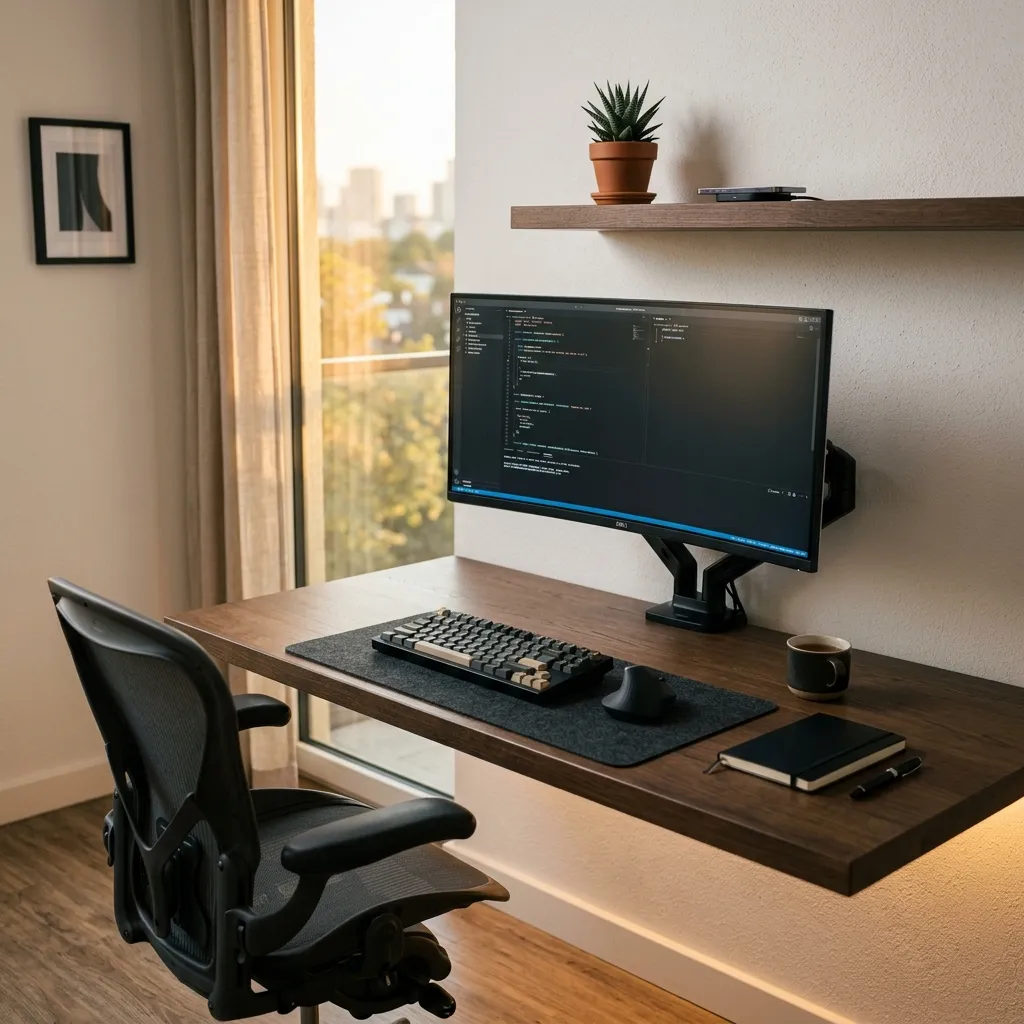
Improper office chair headrest alignment can lead to significant neck pain due to inadequate support.
Understanding Ergonomics in Office Chairs
Ergonomics focuses on creating a workspace that maximizes comfort and efficiency while minimizing strain. An office chair should support the natural curve of the spine, including the neck area.
Common Setup Mistakes with Headrests
Many users neglect to properly adjust the headrest height and angle, which can lead to discomfort. A headrest positioned too low or too high can prevent adequate neck support.
Materials Impacting Performance
The headrest material significantly influences comfort and durability. Common materials include polyurethane foam for cushioning and breathable mesh for ventilation, both of which affect user experience.
Design Features to Consider
Adjustable headrests with tilt and height features are essential for personalized comfort. Look for chairs that offer a range of adjustments to accommodate different body types.
Comparative Analysis of Headrest Features
| Brand | Headrest Adjustment | Material | Price Range |
|---|---|---|---|
| Herman Miller | Height and angle | Mesh | $1,250 - $1,700 |
| Steelcase | Height, angle, and depth | Foam with mesh cover | $800 - $1,500 |
| Secretlab | Height only | Cold-cure foam | $400 - $600 |
| Autonomous | Height and tilt | Mesh | $300 - $500 |
DomineTec Tip: Ensure the headrest supports the back of the head and neck without forcing the head forward or backward.
Key Factors for Proper Setup
- Adjust the headrest height so it aligns with the natural curve of the neck.
- Ensure the headrest angle supports the head without tilting it too far forward or backward.
- Check that the backrest is at the correct height to support the lower back.
- Maintain an appropriate distance from the desk to allow free movement of the arms and shoulders.
- Incorporate a footrest if feet do not rest flat on the floor to enhance overall posture.
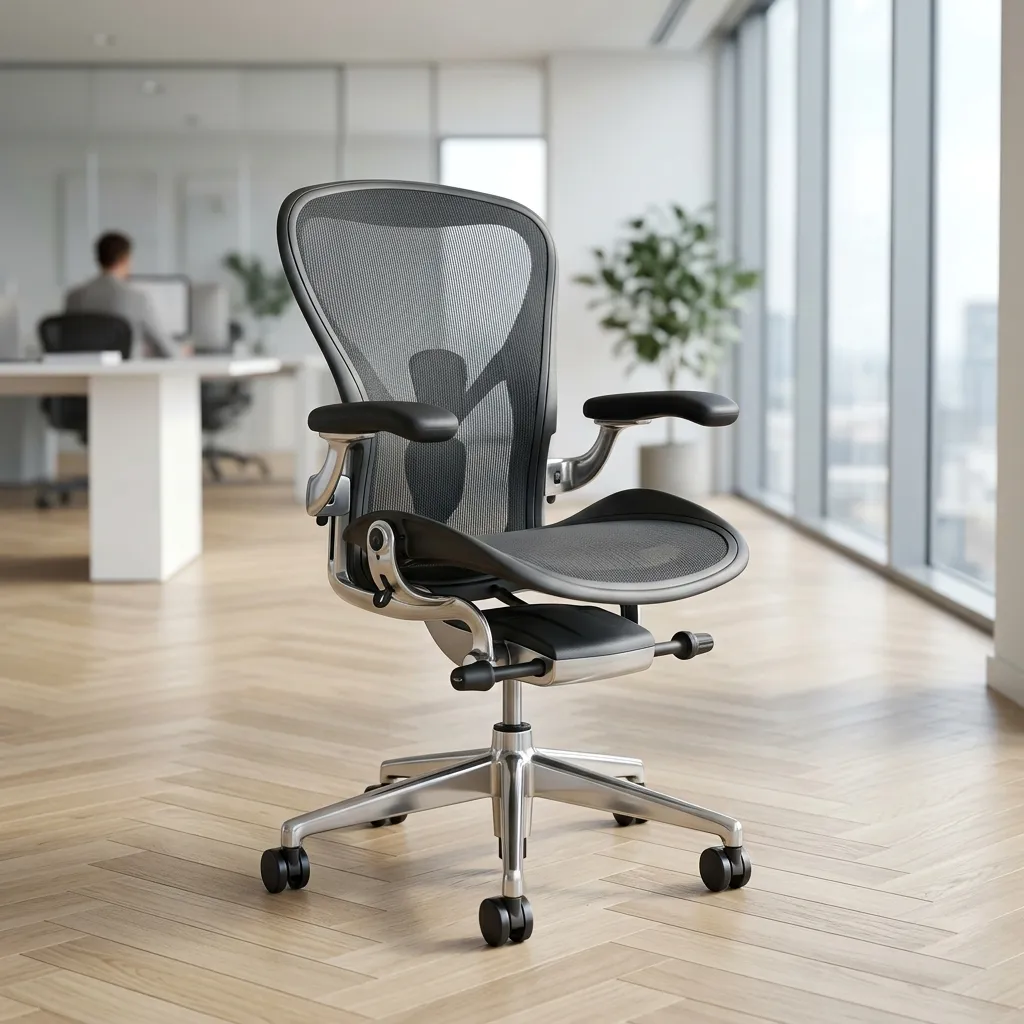
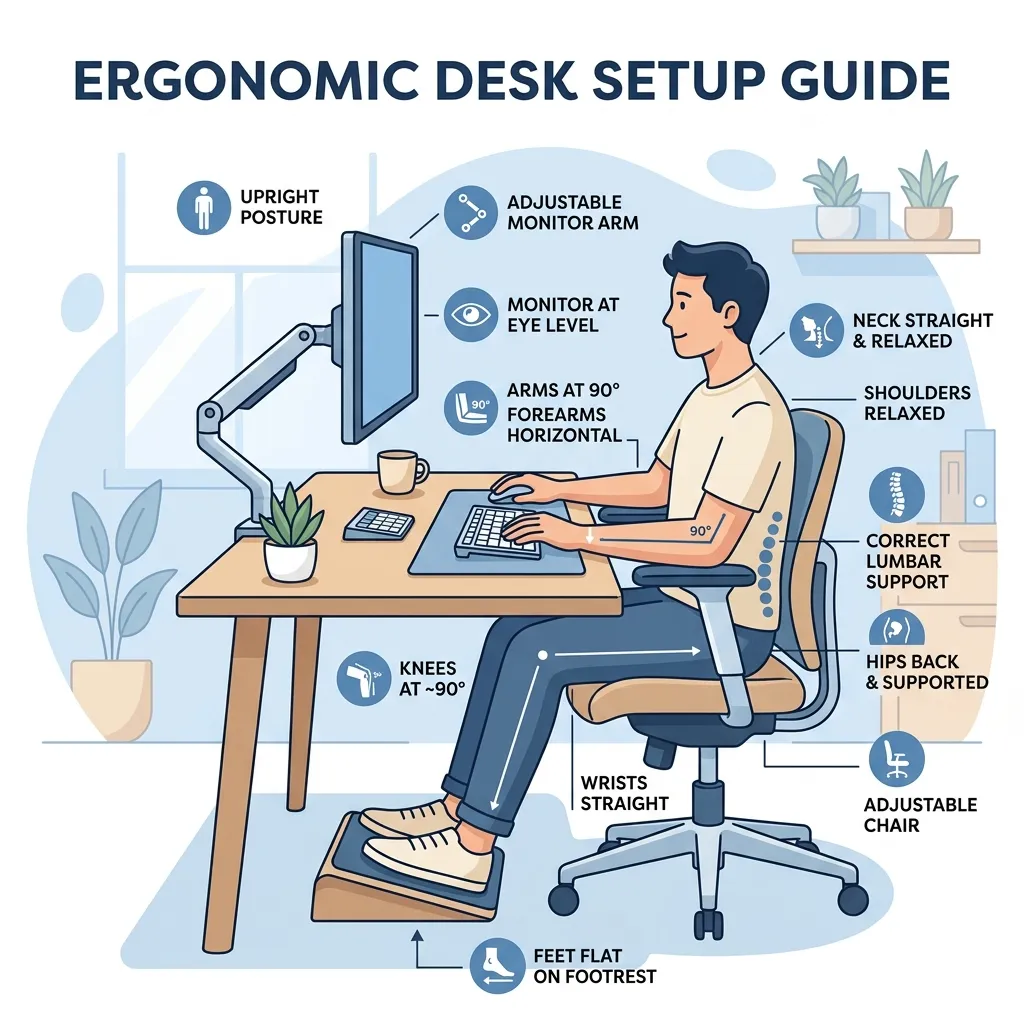
For optimal workspace ergonomics, also ensure the correct monitor height is maintained. Consider exploring ergonomic office chair models for better support.
Importance of Proper Neck Support
Proper neck support is crucial for maintaining spinal alignment and preventing discomfort during prolonged sitting. A well-designed headrest can alleviate pressure on the cervical spine, reducing the likelihood of pain and stiffness.
Adjusting to Individual Anatomy
Each user has unique anatomical features that influence how they interact with an office chair's headrest. Height, shoulder width, and neck length vary significantly among individuals, necessitating personalized adjustments for maximum comfort.
The Role of Headrest Height and Angle
The height and angle of a headrest are vital considerations for effective head and neck support. A headrest that is too low may not provide adequate support, while one that is too high can lead to awkward neck positioning.
Impact of Sitting Time on Neck Pain
Prolonged sitting has been linked to various musculoskeletal disorders, including neck pain. Extended periods without movement can exacerbate discomfort caused by poor headrest positioning.
Integrating Technology for Enhanced Ergonomics
Modern office chairs increasingly incorporate technology to enhance ergonomic support and user comfort. Smart chairs equipped with sensors can provide real-time feedback on posture and suggest adjustments to improve neck alignment.
Training and Awareness for Proper Usage
Employee training on the proper use of ergonomic furniture is essential for maximizing benefits. Workshops or informational sessions can educate users about the importance of headrest adjustments and overall chair setup.
Future Trends in Office Chair Design
The future of office chair design is likely to focus on enhanced adaptability and user-centered features. Emerging trends may include advanced materials that offer dynamic support and customizable headrest options for diverse user needs.
Headrest Positioning and Its Effects on Posture
The positioning of a headrest plays a critical role in maintaining proper posture while seated. An incorrectly positioned headrest can lead to slouching or leaning forward, contributing to neck pain over time.
The Importance of Headrest Padding
Headrest padding significantly influences comfort and neck support. Inadequate padding can lead to pressure points that exacerbate discomfort and pain, while excessive padding may hinder proper head and neck alignment.
Customizing Headrest Features for Different Activities
Different tasks performed at a desk can necessitate varying headrest features. For instance, individuals who frequently participate in video conferencing may benefit from a headrest that allows for greater mobility and adjustment.
The Impact of Headrest Design on Long-Term Health
Long-term exposure to poorly designed headrests can lead to chronic neck and shoulder pain. Ergonomically sound headrests are crucial for preventing musculoskeletal disorders that can arise from inadequate support.
Evaluating Headrest Performance Over Time
Regular evaluation of headrest performance is essential for ensuring ongoing comfort and support. Over time, the materials and mechanisms within a headrest can degrade, impacting its effectiveness.
Long-Term Consequences of Improper Headrest Usage
Neglecting proper headrest adjustments can lead to chronic neck pain, headaches, and even long-term spinal issues. Over time, the misalignment caused by an improperly set headrest can result in significant strain on the cervical spine.
The Role of Regular Breaks in Reducing Neck Strain
Even with optimal headrest settings, extended periods of sitting can contribute to neck strain and discomfort. Taking regular breaks from sitting is essential in maintaining neck health and overall well-being.
Adjusting Headrest Position for Different Activities
Different tasks in an office setting require varying levels of neck and head support, making it essential to adjust headrest positions accordingly. Users should be aware of the nature of their tasks and adjust their headrest accordingly to maintain optimal comfort and support.
The Role of Desk Height in Headrest Effectiveness
The height of the desk plays a critical role in the effectiveness of a headrest, influencing how the entire seating system supports the user. Users should ensure that their desk height allows for their elbows to remain at a 90-degree angle while typing, which directly affects neck and head alignment.
Troubleshooting Headrest Positioning Issues
Troubleshooting headrest positioning is essential for ensuring optimal neck support and preventing pain. A common issue is the headrest being set too high or too low, which can lead to discomfort during extended seating periods.
The first step in troubleshooting involves assessing the user's sitting posture and head alignment. If the headrest does not align with the natural curve of the neck, it may need to be adjusted vertically to provide adequate support.
Another common issue is the angle of the headrest. An incorrectly angled headrest can push the head forward or backward, exacerbating strain on the neck muscles. Users should experiment with different tilt angles to find a position that maintains a neutral head posture without causing undue pressure.
Using a measuring tool, such as a ruler or a measuring tape, can assist in determining the appropriate height of the headrest. Ideally, the upper edge of the headrest should align with the nape of the neck when sitting upright, allowing for proper support during short breaks or while leaning back.
Best Practices for Headrest Utilization in Professional Environments
Establishing best practices for headrest utilization can significantly improve neck health in professional environments. Firstly, users should undergo training on the importance of headrest adjustments and how they can affect overall posture and comfort.
Regular checks on headrest settings should be part of an ergonomic workspace audit. This can include assessing the chair's height relative to the desk and the headrest's alignment with the user's head during different tasks.
Encouraging short breaks and stretching exercises can complement the use of a headrest. Implementing a schedule where employees take a brief pause every hour can mitigate the cumulative effects of static posture, thus reducing neck strain.
Finally, integrating feedback mechanisms where employees can report discomfort or concerns regarding headrest use can foster a culture of ergonomic awareness. This feedback can inform future adjustments to workplace policies and chair configurations, leading to overall improved employee well-being.
Troubleshooting Headrest Positioning Issues
Troubleshooting headrest positioning issues requires a systematic approach to identify the root cause of discomfort and pain. Common indicators of improper headrest positioning include neck strain, shoulder tension, and overall discomfort during prolonged sitting.
The first step in troubleshooting is to ensure the headrest is at the correct height. When seated, the headrest should support the natural curve of the neck, allowing the head to rest comfortably without forcing it forward or backward. An effective way to test this is by sitting back in the chair and assessing if the headrest touches the back of the head just above the occipital bone.
Next, the angle of the headrest must be evaluated. Ideally, the headrest should be angled backward between 15 to 30 degrees to promote a neutral head position. Adjustments can be made using the mechanism provided on the headrest; turning the adjustment knob or pulling a lever will typically allow for angle changes.
If discomfort persists after adjusting height and angle, check the depth of the headrest. A headrest that is too deep may push the head forward, causing strain; conversely, one that is too shallow may fail to provide adequate support. Adjusting the depth, if the chair allows, can significantly enhance comfort and usability.
Best Practices for Headrest Utilization in Professional Environments
Implementing best practices for headrest utilization can significantly reduce the risk of neck pain in professional settings. Proper education and training on the ergonomic setup of office chairs are essential for maximizing comfort and productivity.
One best practice is to encourage regular assessments of chair setup, including headrest positioning. Employees should be reminded to adjust their chairs at the start of each workday, ensuring that the headrest is correctly positioned to support their unique body measurements.
In addition, integrating periodic breaks into the workday can enhance the effectiveness of the headrest. The Pomodoro Technique, which encourages 25 minutes of focused work followed by a 5-minute break, can allow users to reset their posture and relieve tension in the neck and shoulders.
Lastly, fostering a culture of ergonomic awareness is crucial. Providing resources such as ergonomic checklists or access to ergonomic specialists can help employees understand the importance of headrest adjustments and overall chair setup, leading to a healthier workplace environment.
Understanding the Impact of Headrest Tilt and Tension
The tilt of an office chair headrest plays a crucial role in overall neck support and comfort. A headrest that is improperly tilted can lead to excessive strain on the cervical spine, resulting in discomfort and pain during prolonged sitting sessions.
To adjust the tilt effectively, users should first identify their natural head position while seated. A properly adjusted headrest should allow the head to rest comfortably against it without forcing the neck into an unnatural angle.
For most office chairs, the tilt mechanism is often controlled via a lever or knob located at the base of the headrest. Users should experiment with the tilt angle, ensuring it aligns with the natural tilt of their head, which is typically around 15 to 30 degrees from the vertical.
Moreover, the tension setting of the headrest can also be adjusted to match the user’s body weight and preferences. This adjustment helps in providing adequate support while preventing the headrest from being too rigid or too loose, which can lead to further discomfort.
Implementing Regular Maintenance and Adjustment Protocols
Regular maintenance of office chair headrests is essential for long-term comfort and functionality. This includes periodic checks of all adjustment mechanisms to ensure they are operating smoothly and effectively.
Users should conduct visual inspections to identify any wear or damage to the headrest components, such as the padding or tilt mechanism. Signs of wear may indicate the need for replacement parts or a complete headrest replacement.
Establishing a routine for adjusting the headrest based on changes in posture or desk height is also advisable. For example, after extended periods of use, users may find their preferred settings need to be recalibrated for optimal support.
Incorporating a log or checklist for these adjustments can help users remember to conduct maintenance regularly. This proactive approach can significantly reduce the likelihood of developing neck pain associated with improper headrest setup.
Common Troubleshooting Techniques for Headrest-Related Neck Pain
When experiencing neck pain related to an office chair headrest, a systematic approach to troubleshooting can be beneficial. Start by verifying the headrest's height; it should align with the natural curve of the neck, typically at the level where the neck meets the skull.
To adjust the headrest height, locate the adjustment lever or knob, usually positioned at the base of the headrest. Pulling or twisting it will allow the headrest to move up or down; ensure that the headrest maintains a slight pressure against the back of the head without forcing the neck into an unnatural position.
Next, evaluate the angle of the headrest. A headrest that tilts too far forward or backward can exacerbate discomfort. Adjust the tilt by finding the adjustment mechanism, which may involve loosening screws or using a button, and setting the angle so that it supports the head while keeping the back in an upright position.
Additionally, consider the distance between the headrest and the user's head. A headrest that is too far away will not provide adequate support, while one that is too close can create discomfort. Measure the distance to ensure it allows for a comfortable resting position, ideally within 1-2 inches of the back of the head.
Best Practices for Maintaining Headrest Effectiveness
Regular maintenance of the headrest can significantly enhance its effectiveness and prevent neck pain. Begin by checking for any loose screws or joints that may affect the stability of the headrest; tighten these components as necessary to ensure a secure fit.
Next, perform a thorough cleaning of the headrest material to remove dust and debris, which can interfere with comfort. Utilize a gentle cleanser suitable for the material type, such as a microfiber cloth for fabric or a damp cloth for leather, avoiding harsh chemicals that may degrade the material.
Another best practice is to periodically re-evaluate the setup as individual posture can change over time. Make it a habit to assess the chair’s settings every few months, readjusting the headrest's height, angle, and distance as needed to align with any changes in body posture or comfort levels.
Lastly, consider integrating ergonomic accessories that complement the headrest, such as cervical rolls or posture-correcting cushions. These additional tools can provide supplemental support and enhance overall comfort, ensuring that the headrest functions optimally within the context of the entire seating system.
Frequently Asked Questions
How does a headrest help reduce neck pain?
A properly adjusted headrest provides essential support to the neck and head, promoting proper spinal alignment.
What materials are best for a headrest?
Breathable mesh and high-density foam are ideal for comfort and support, allowing for extended use without discomfort.
Can neck pain be caused by poor desk setup?
Yes, improper desk setup can lead to poor posture, causing strain on the neck and shoulders, contributing to pain.
Are all headrests adjustable?
No, not all headrests are adjustable. It's crucial to choose a chair with customizable headrest features for optimal support.
How often should adjustments be made?
Adjustments should be made regularly, especially after prolonged use or changes in body position to maintain comfort and ergonomics.




