Is Netflix Down Today? Connection Errors and Troubleshooting
Experiencing Netflix issues today? Let's dive into troubleshooting steps together.
What is Happening and How to Verify
Connection issues may arise due to various factors, including server status or local network problems.
Start by checking Netflix's official status page to see if there are any outages reported in your area.
Core Technical Causes of Instability
Common technical issues include server overload, DNS problems, and router malfunctions.
Understanding these can help you pinpoint the root cause of your connectivity problems.
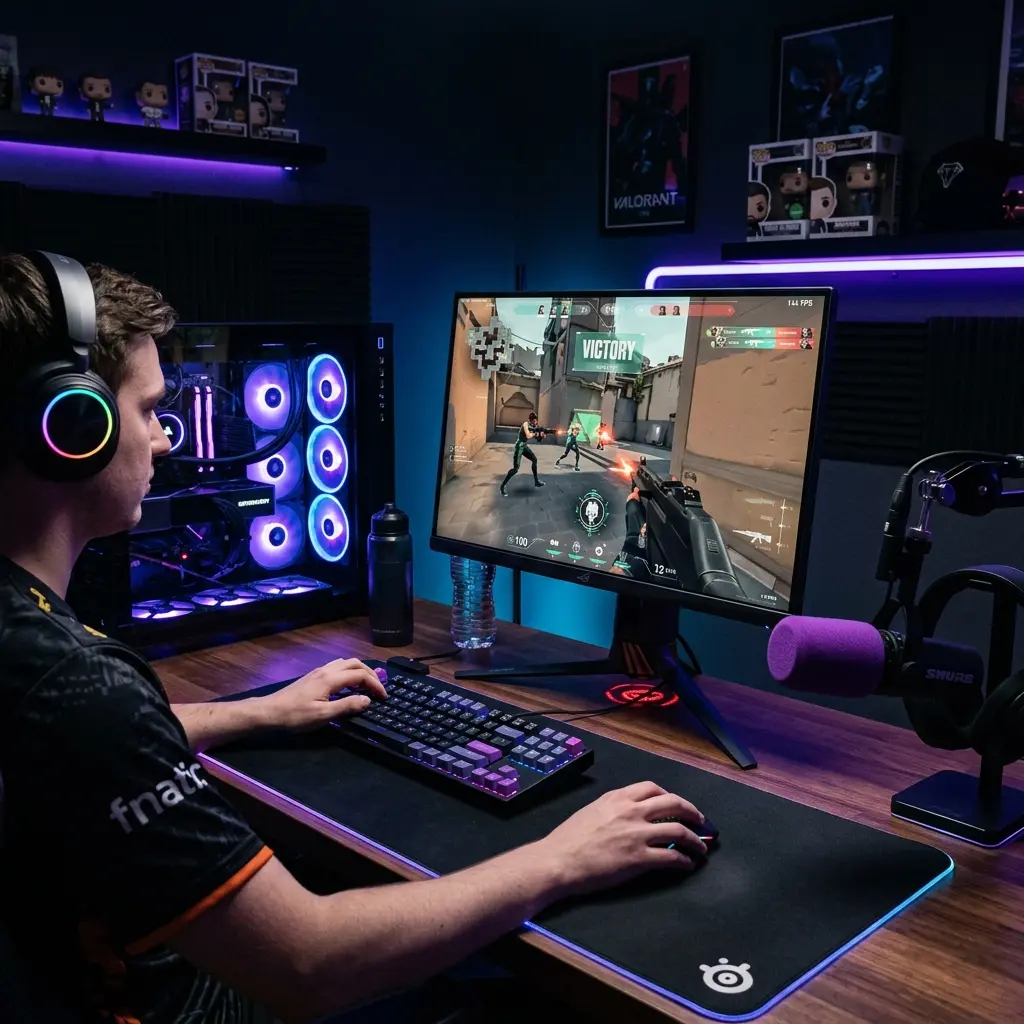
Ergonomics and Visual Comfort on Device Usage
Even during troubleshooting, maintaining ergonomic comfort is essential.
Ensure your screen is at eye level and the lighting is appropriate to reduce strain.
| Device Type | Recommended Distance | Optimal Posture |
|---|---|---|
| Desktop Monitor | 20-30 inches | Sit upright, feet flat on the floor |
| Laptop | 18-24 inches | Use a stand for screen height adjustment |
| Tablet | 15-20 inches | Keep elbows at a 90-degree angle |
| Smartphone | 12-18 inches | Hold at eye level to reduce neck strain |
Account Security and Your Personal Data
Ensuring your Netflix account's security is crucial, especially when connection issues arise.
Change your password regularly and monitor for any suspicious activity to keep your data safe.
DomineTec Tip: Always use a strong, unique password for your account to safeguard against unauthorized access.
Best Temporary Workarounds and Solutions
While waiting for connectivity issues to resolve, there are quick fixes to try.
- Restart your router and modem.
- Check for updates on your streaming device.
- Clear the Netflix app cache if using a mobile device.
- Try accessing Netflix on a different device.
- Temporarily switch to a mobile data connection if possible.
How to Avoid Future Connection Issues
Planning ahead can significantly reduce the chances of future Netflix disruptions.
Regularly update your devices and maintain a stable internet connection for uninterrupted streaming.
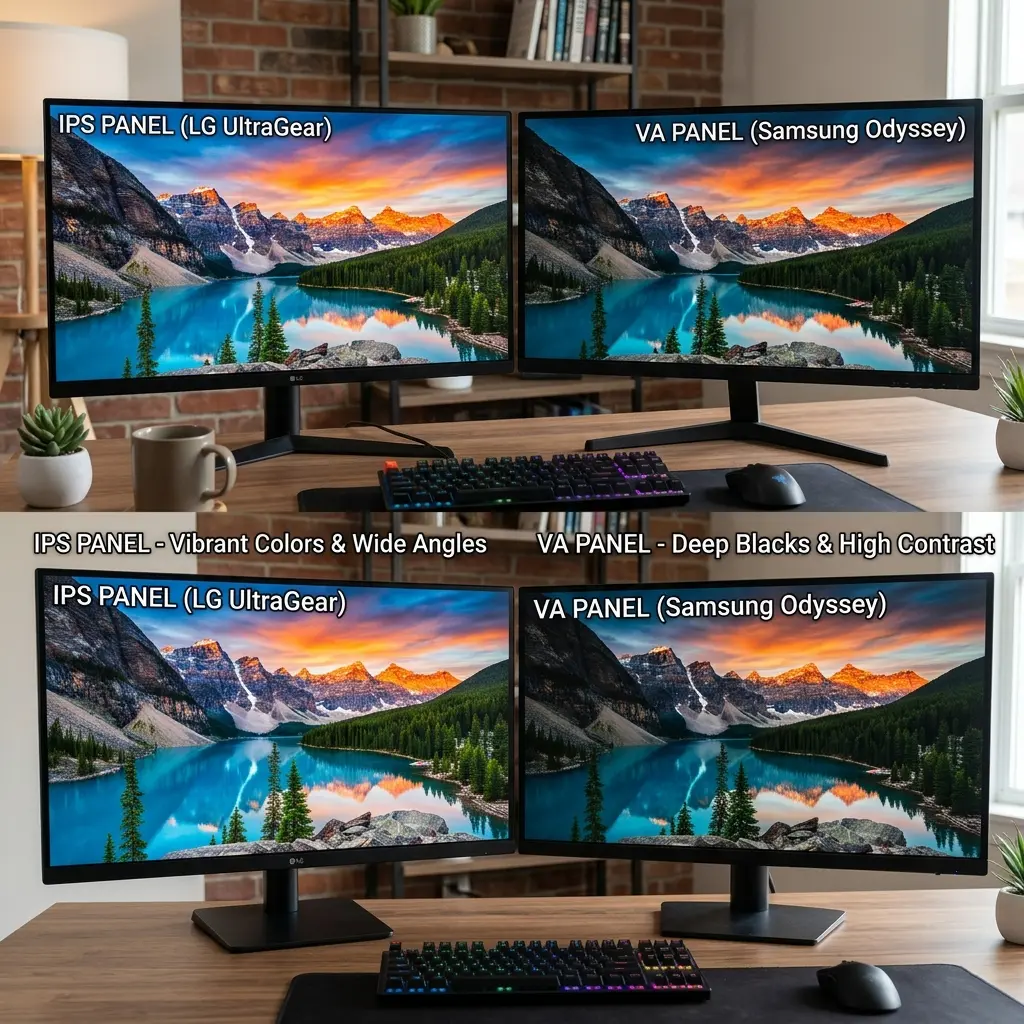
For improved typing comfort, consider options to choose mechanical keyboard switches or invest in an ergonomic office chair.
Understanding Netflix's Server Infrastructure
Netflix relies on a complex network of servers and data centers spread across the globe to deliver content efficiently.
These servers handle millions of requests simultaneously, which can sometimes lead to bottlenecks, especially during peak viewing times.
Understanding how this infrastructure works can help users grasp why they may experience connectivity issues.
Netflix uses adaptive streaming technology, which adjusts video quality based on available bandwidth, but server overloads can still cause disruptions.
The Role of Internet Service Providers (ISPs)
Your Internet Service Provider plays a crucial role in your ability to access Netflix smoothly.
Sometimes, issues can arise from throttling, where ISPs intentionally slow down your connection based on your usage patterns.
It’s essential to know whether your ISP has a history of causing streaming issues or outages.
Contacting your ISP can provide clarity and help diagnose whether they are contributing to your Netflix troubles.
Device Compatibility and Updates
Not all devices support Netflix equally, and older devices may struggle with the latest app updates.
Keeping your device's operating system and Netflix app up to date is vital for optimal performance.
Sometimes, the problem can stem from outdated software, which can lead to bugs and performance issues.
Checking for updates regularly can make a significant difference in your streaming experience.
Network Configuration and Home Setup
Your home network configuration can significantly impact your Netflix experience.
Common issues include improper router settings or interference from other devices connected to the same network.
Rebooting your router and checking your network settings can often resolve unexpected connectivity problems.
Creating a dedicated streaming network by limiting other devices can also enhance your Netflix performance.
Regional Restrictions and Content Availability
Netflix offers different content libraries based on geographic location, which can sometimes confuse users.
Connection issues may also arise if you're using a VPN to bypass these regional restrictions.
Knowing the content availability in your region can help manage expectations and reduce frustration.
Make sure your VPN settings are correctly configured if you're trying to access different regional libraries.
Common Error Codes and Their Meanings
Netflix has several error codes, each indicating specific issues that can arise during streaming.
Understanding these error codes can help you troubleshoot more effectively and identify the root cause of the problem.
For instance, error code NW-2-5 often signifies network connectivity issues, while code UI-800-3 may indicate problems with the Netflix app itself.
Familiarizing yourself with these codes can empower you to resolve issues quickly and efficiently.
Community Support and User Experiences
Sometimes, the best solutions come from the Netflix community itself, where users share their experiences and fixes.
Online forums and social media platforms often feature discussions about current outages, troubleshooting tips, and user-generated solutions.
Engaging with these communities can provide real-time insights and creative workarounds for connection issues.
Don't hesitate to reach out and share your experiences; you might help someone else while gaining useful tips yourself.
Understanding Netflix's Content Delivery Network (CDN)
Netflix employs a sophisticated Content Delivery Network (CDN) known as Open Connect, which is designed to enhance streaming performance. This system utilizes a network of servers strategically located around the globe to reduce latency and ensure that users can access content quickly and efficiently.
When you stream a show, your request is routed to the nearest Open Connect server, optimizing your viewing experience. However, if there are issues with these servers, such as outages or maintenance, it can lead to buffering or connection errors that interrupt your binge-watching sessions.
Understanding how the CDN works can help you appreciate the complexity involved in delivering seamless entertainment. It’s also a reminder that sometimes, the issue may not be on your end but rather a temporary glitch in Netflix's global infrastructure.
To stay informed about any potential outages, keep an eye on official Netflix channels or third-party outage detection websites that monitor CDN performance for added clarity during streaming disruptions.
The Impact of Router and Modem Quality on Streaming
Your home internet setup plays a pivotal role in how smoothly Netflix streams. The quality of your router and modem can significantly affect your connection speed and stability. Older models may struggle with high-definition content, and outdated firmware could lead to unexpected disconnections.
Investing in a modern router can drastically improve your streaming experience. Features like dual-band capabilities and Quality of Service (QoS) settings allow for better bandwidth management, ensuring that Netflix gets the priority it needs for uninterrupted viewing.
It’s also essential to position your router strategically in your home. A central location reduces interference from walls and electronic devices, thus maximizing your streaming speed. A well-placed router can make all the difference in avoiding frustrating buffering moments.
Regularly checking for firmware updates and ensuring your router is equipped to handle multiple devices can make your Netflix experience smoother, keeping you engrossed in your favorite shows without interruption.
Exploring Alternative Streaming Solutions During Downtime
While Netflix is a favorite for many, it’s beneficial to have backup streaming options when it experiences downtime. Platforms like Hulu, Amazon Prime Video, and Disney+ offer a variety of content that can keep you entertained until Netflix resolves its issues.
These alternatives often feature different types of content, from original series to classic films, giving you a diverse viewing experience. Additionally, many platforms offer free trials, allowing you to explore new shows without any commitment.
Using this downtime to explore new genres or discover hidden gems on other platforms can be a delightful distraction. You might even find a new favorite show that you wouldn’t have considered otherwise!
Remember to check the compatibility of these services with your device, as some may have specific requirements or restrictions that could impact your viewing experience.
Keeping Your Streaming Environment Organized
A cluttered streaming environment can lead to a frustrating experience, especially if you're constantly dealing with cable tangles or misplaced remotes. Taking some time to organize your space can enhance your overall Netflix experience.
Start by ensuring that your devices are easily accessible and that cables are neatly managed. Consider investing in cable organizers or decorative boxes to hide unsightly wires. A tidy space not only looks better but also helps you focus on your favorite shows without distractions.
Additionally, creating a designated streaming area can make a significant difference. Whether it’s a cozy corner of your living room or a well-lit nook in your bedroom, having a comfortable spot dedicated to watching Netflix can elevate your viewing pleasure.
Finally, ensure you have all necessary accessories—like extra batteries for the remote or a charging station for your devices—readily available. This small organization effort can prevent interruptions, allowing you to stay immersed in your shows.
The Influence of User Behavior on Streaming Quality
Your streaming experience can be significantly affected by your behavior as a user. For instance, streaming during peak hours may result in slower speeds due to increased traffic on your network. Understanding when your internet is less congested can help improve your Netflix experience.
Moreover, simultaneously using multiple devices for bandwidth-heavy activities can strain your connection. If possible, try to limit high-data usage tasks when you're planning to enjoy a Netflix marathon.
Another factor to consider is your viewing settings; streaming in standard definition can save bandwidth and reduce buffering, especially if you're on a slower connection. Adjusting these settings based on your current internet speed can make a noticeable difference.
Being mindful of these aspects can help you optimize your Netflix viewing experience, ensuring you can enjoy your favorite shows without the frustration of technical issues.
Temporary Outages vs. Long-Term Issues
When dealing with Netflix down situations, it’s essential to differentiate between temporary outages and long-term issues. Temporary outages often occur due to scheduled maintenance or unexpected server overloads. These situations usually resolve themselves within a short period, allowing users to return to their favorite shows without much disruption.
On the other hand, long-term issues can stem from persistent technical faults or infrastructural inadequacies. In these cases, users may experience extended downtimes, requiring more proactive measures. Recognizing the nature of the outage can help in effectively managing expectations and exploring alternative solutions.
Netflix is known for its robust infrastructure, but even the best systems can face challenges. Situations like a major software update or a significant increase in users—like during a global event—can lead to temporary performance issues. Staying informed about these potential causes can help users remain patient and avoid unnecessary frustration.
To keep up with the status of Netflix services, users can follow official channels like the Netflix Help Center or social media accounts. These platforms often provide real-time updates and insights, helping viewers understand whether they are facing a temporary hiccup or something more persistent.
Optimizing Your Streaming Environment for Reliability
Creating a reliable streaming environment can significantly enhance your Netflix experience, especially during peak usage times. Start by ensuring that your internet connection is stable and has sufficient bandwidth. Running speed tests can help identify if your connection meets Netflix’s recommended requirements for streaming.
Additionally, consider optimizing your Wi-Fi setup by positioning your router in a central location within your home. Obstacles like walls and electronic devices can interfere with signal strength, so minimizing these barriers can lead to a more consistent streaming experience. Using a wired connection for devices that support it can also enhance reliability.
Moreover, regularly updating your device’s software and Netflix app is crucial. Outdated software can lead to bugs and compatibility issues that may disrupt your viewing experience. Keeping everything up to date ensures that you benefit from the latest features and improvements, which often include optimizations for streaming performance.
Finally, think about managing the number of devices connected to your network. Streaming on multiple devices simultaneously can strain your bandwidth, leading to buffering and connection errors. By limiting the number of active streams, you can ensure a smoother experience, especially during peak hours when internet traffic is high.
How to Diagnose Connection Issues Effectively
Diagnosing connection issues with Netflix can seem daunting, but it doesn't have to be. First and foremost, start by ensuring that your internet connection is stable. You can do this by running a speed test on a device connected to your network. A speed of at least 3 Mbps is recommended for standard definition, while 5 Mbps is ideal for HD streaming. If your speeds are below these thresholds, it's likely the root of your problem.
Next, check for any ongoing outages in your area. Websites like Downdetector provide real-time updates on service disruptions. You can also visit Netflix's official social media pages for announcements. This can save you time troubleshooting, as it may simply be a regional issue affecting multiple users.
If your internet is functioning normally, it’s time to investigate your devices. Sometimes, older devices may not handle Netflix's streaming requirements well. Ensure your device is updated with the latest software version, as updates often fix bugs that could lead to connection problems. Additionally, try streaming on a different device to see if the issue persists.
Lastly, consider rebooting your network equipment. Unplugging your modem and router for a minute can clear temporary glitches that might be causing connectivity issues. After a reboot, check your connection again to see if the problem has been resolved.
Understanding Different Streaming Quality Settings
Streaming quality can significantly affect your viewing experience on Netflix, particularly during times of high demand or connection instability. Netflix provides users with options to adjust their streaming quality based on their internet speed. These settings can be found in your account profile under "Playback settings."
There are typically three streaming qualities available: Auto, Medium, and High. The Auto setting allows Netflix to automatically adjust the quality based on your current internet speed, ensuring a seamless experience. On the other hand, selecting Medium will deliver a lower resolution, which may help in maintaining a steady connection during outages.
High-quality streaming is ideal for users with robust internet connections, as it provides the best visual experience. However, if you experience buffering or lagging, consider switching to Medium or even Auto to enhance streaming reliability. Keeping an eye on your data usage is also wise, especially if you have a limited data plan.
Understanding these settings not only improves your experience but can also help you troubleshoot more effectively. If you notice that adjusting these settings resolves your issues, you may need to consider upgrading your internet plan or optimizing your network setup for better performance.
Frequently Asked Questions
1. How do I know if Netflix is down?
Check Netflix's official status page or social media for any reported outages.
2. What should I do if Netflix won't load?
Try restarting your device and checking your internet connection for any issues.
3. Can my internet speed affect Netflix streaming?
Yes, slow internet speeds can lead to buffering and poor streaming quality.
4. Is there a way to improve my connection for streaming?
Using a wired connection or ensuring minimal interference with Wi-Fi can enhance streaming quality.
5. What security measures should I take for my Netflix account?
Regularly update your password and enable two-factor authentication for added security.




