Monocrystalline vs. Polycrystalline Solar Panels: Key Differences
Comparative Analysis of Performance
Monocrystalline solar panels are made from pure silicon offering higher efficiency, while polycrystalline panels are cheaper with lower yields. Choosing and installing the right system ensures energy independence and long-term utility bill reductions.
Monocrystalline solar panels are made from pure silicon offering higher efficiency, while polycrystalline panels are cheaper with lower yields. Choosing and installing the right system ensures energy independence and long-term utility bill reductions.
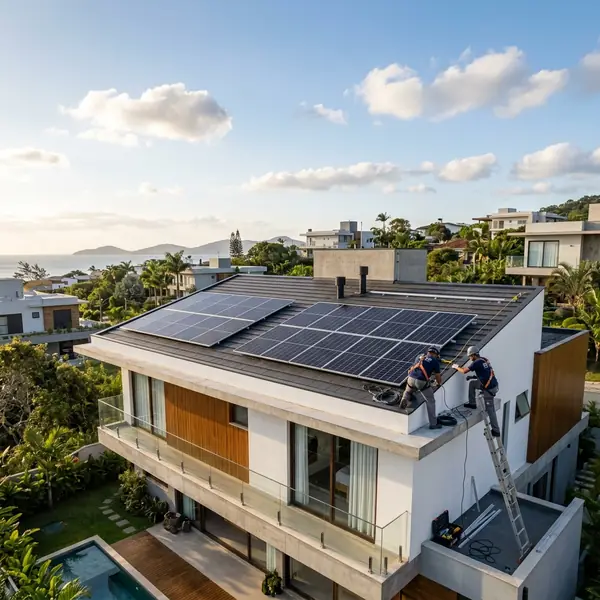
When evaluating solar panels, performance metrics such as energy output and efficiency are key. While monocrystalline panels generally lead in efficiency, real-world performance can vary based on installation conditions. Understanding how these panels perform under different circumstances can help you make a more informed choice.
In optimal conditions, monocrystalline panels can generate around 1,200 to 1,500 kWh per year per installed kW. In contrast, polycrystalline panels may yield around 1,000 to 1,300 kWh per year under similar conditions. This difference can translate into significant savings over the lifespan of the panels.
Cost Analysis and Payback Periods
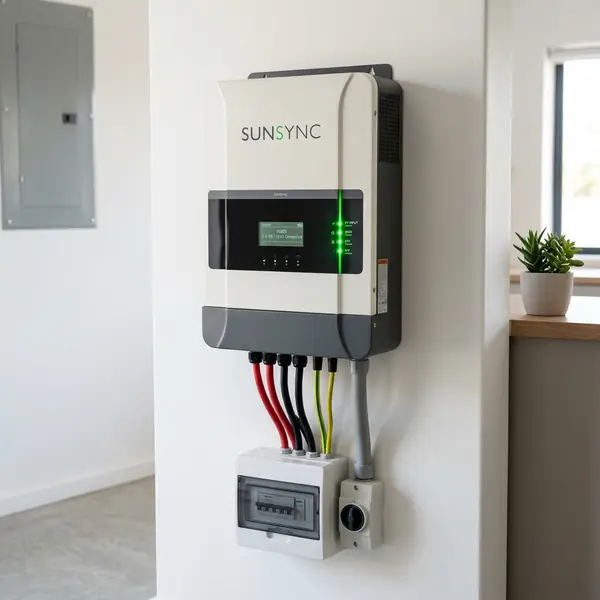
The financial aspect of solar panel installation is often a deciding factor for homeowners. As of 2026, the average installation cost for residential solar systems in the U.S. is around $2.75 to $3.50 per watt.
This includes the panels, inverter, and installation fees.
For monocrystalline systems, the higher efficiency can result in a quicker payback period, typically around 5 to 7 years. In comparison, polycrystalline systems may have a payback period of 6 to 8 years due to their lower upfront costs and efficiency. Homeowners should consider both initial investment and long-term savings when making their choice.
Environmental Impact and Sustainability
Both monocrystalline and polycrystalline solar panels offer environmental benefits by reducing reliance on fossil fuels. However, their production processes differ in terms of energy consumption and resource use. Monocrystalline panels often require more energy to produce, while polycrystalline panels utilize a more straightforward manufacturing approach.
Despite the initial production energy costs, both types ultimately contribute to lower carbon footprints over their lifetimes. The National Renewable Energy Laboratory (NREL) estimates that solar energy can reduce greenhouse gas emissions by up to 90% over traditional energy sources.
Practical Tips for Choosing the Right Panels
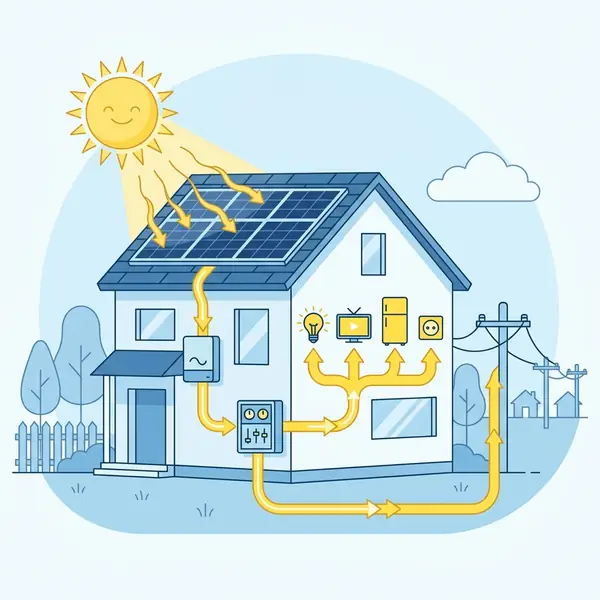
When selecting solar panels, consider your specific needs and circumstances. Assess your roof space, energy consumption, and budget constraints. For instance, if you have limited roof space, investing in monocrystalline panels may be worth the higher upfront cost due to their efficiency.
Additionally, it’s important to obtain multiple quotes from reputable solar installers. This allows you to compare not only prices but also warranties and service agreements. Look for installers with experience and positive customer reviews to ensure a smooth installation process.
Real-Life Examples of Monocrystalline and Polycrystalline Installations
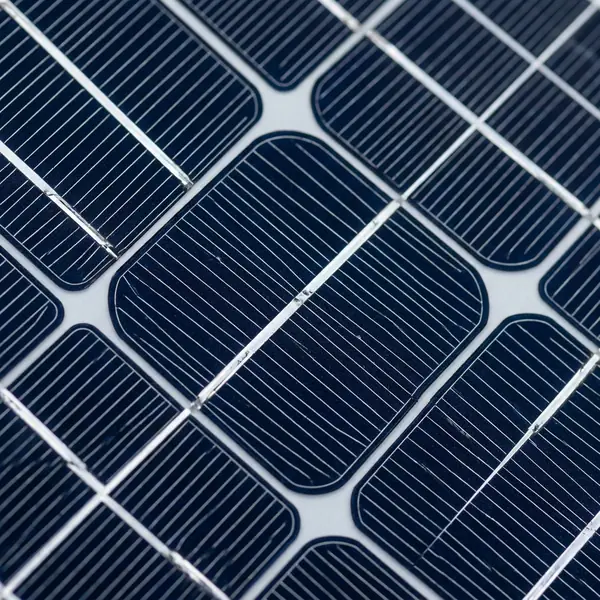
Real-world installations can provide valuable insights into the performance of both panel types. For example, a homeowner in California opted for a 6 kW monocrystalline system, resulting in an average monthly savings of $150 on their electricity bill. This system paid for itself in just under six years.
Conversely, a homeowner in Texas chose a 6 kW polycrystalline system, which cost less upfront but resulted in slightly higher electricity bills—around $120 monthly savings. The payback period for this installation was about seven years, demonstrating that both options can be effective depending on individual circumstances.
| Feature | Monocrystalline Panels | Polycrystalline Panels |
|---|---|---|
| Efficiency Range | 15% - 22% | 13% - 16% |
| Average Cost (USD per watt) | $1.00 - $1.50 | $0.80 - $1.20 |
| Typical Warranty | 25 years | 20 - 25 years |
| Payback Period (years) | 5 - 7 | 6 - 8 |
| Best for Limited Space? | Yes | No |
In conclusion, both monocrystalline and polycrystalline solar panels have their own unique advantages and drawbacks. By considering factors such as efficiency, cost, and installation conditions, you can make an informed choice that best suits your energy needs and financial situation.
Performance Under Different Conditions
Monocrystalline solar panels typically exhibit better performance in low-light conditions compared to polycrystalline panels. This is due to their higher purity silicon, which allows for more efficient energy conversion even when sunlight is less than optimal.
Additionally, monocrystalline panels tend to maintain their efficiency at elevated temperatures. Polycrystalline panels, on the other hand, may experience a drop in efficiency as temperatures rise, making them less suitable for extremely hot climates.
Durability and Lifespan
Durability is a significant factor when choosing solar panels. Monocrystalline panels generally have a longer lifespan, often exceeding 25 years of performance, thanks to their robust design and superior materials.
Polycrystalline panels usually have a slightly shorter lifespan, averaging around 20-25 years. However, both types of panels are built to withstand harsh weather conditions, including hail and heavy winds.
Cost Analysis and Financial Considerations
As of 2026, the average cost of monocrystalline solar panels is around $1.00 to $1.50 per watt, while polycrystalline panels typically range from $0.80 to $1.20 per watt. Although monocrystalline panels are more expensive, their higher efficiency can lead to lower overall installation costs due to reduced space requirements.
When considering financing options, it’s important to evaluate the payback period. Monocrystalline panels may offer a quicker return on investment due to their efficiency, often resulting in a payback period of 5 to 7 years, while polycrystalline panels may extend that period to 7 to 10 years.
Environmental Impact
The production process for solar panels can have varying environmental impacts. Monocrystalline solar panels tend to require more energy during manufacturing, which can lead to a higher initial carbon footprint. However, their longevity and efficiency can offset this over their lifespan.
Polycrystalline panels, while less energy-intensive to produce, may not provide the same level of energy output over time. Therefore, when considering overall environmental impact, it's key to evaluate not just production processes but also long-term performance and efficiency.
| Feature | Monocrystalline Panels | Polycrystalline Panels |
|---|---|---|
| Efficiency | 15-22% | 13-16% |
| Cost per Watt (2026) | $1.00 - $1.50 | $0.80 - $1.20 |
| Temperature Coefficient | -0.3%/°C | -0.5%/°C |
| Lifespan | 25+ years | 20-25 years |
| Warranty | 25 years | 20 years |
DomineTec Tip: When evaluating solar panel options, consider both long-term performance and initial costs to make the most informed decision for your energy needs.
Are monocrystalline panels worth the higher cost?
Yes, monocrystalline panels can be worth the investment due to their higher efficiency, longer lifespan, and potentially lower installation costs, particularly in space-constrained areas.
How do temperature changes affect solar panel performance?
Temperature affects solar panel performance, with monocrystalline panels generally performing better at higher temperatures compared to polycrystalline panels, which can see a more significant drop in efficiency.
What is the typical payback period for solar panels?
The payback period for solar panels can vary, with monocrystalline panels typically offering a return on investment in 5 to 7 years, while polycrystalline panels may take 7 to 10 years.
What are the environmental impacts of solar panel production?
The environmental impact varies; monocrystalline panels have a higher initial carbon footprint due to energy-intensive production, while polycrystalline panels are less energy-intensive but may not provide the same long-term output.




