Mini LED vs OLED Monitor: Which Display Technology is Better?
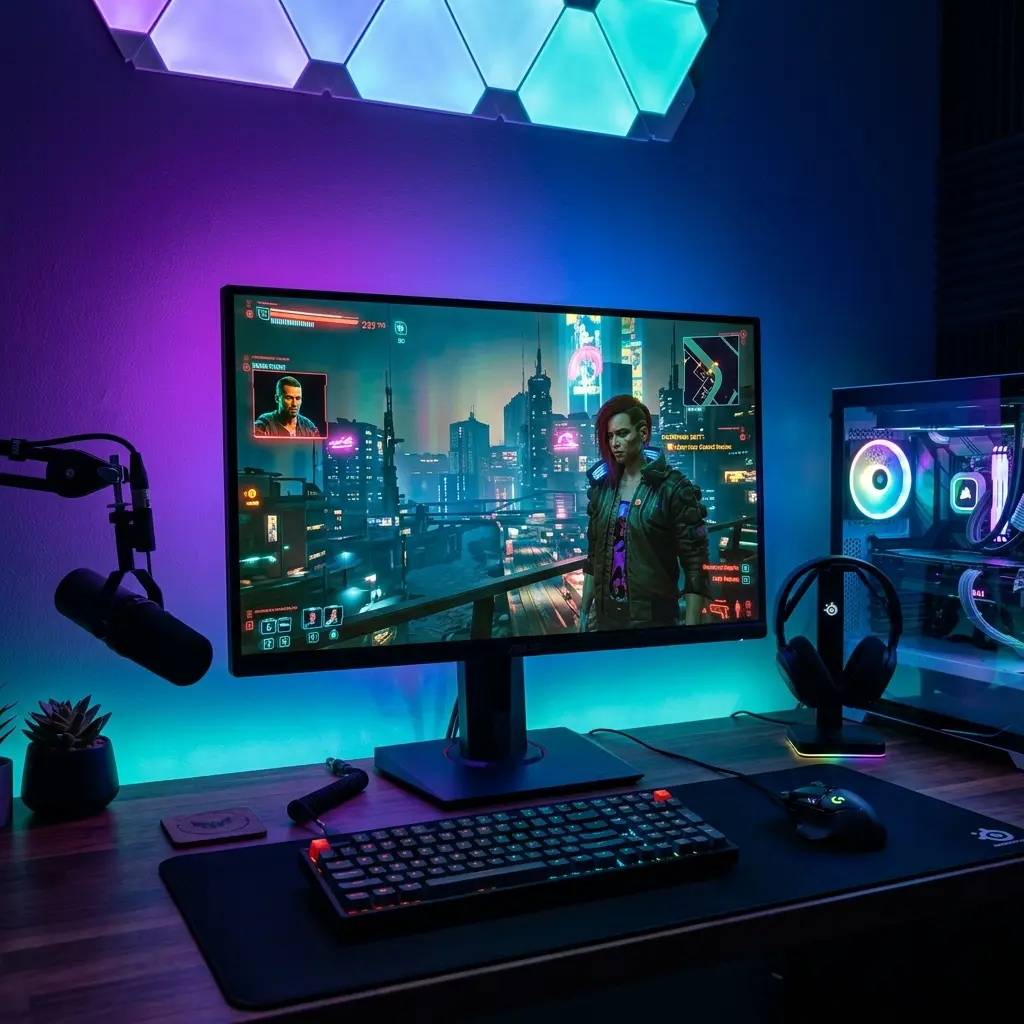
Mini LED and OLED monitors both offer distinct advantages; however, OLED is generally preferred for superior color accuracy and contrast.
Physical Aspects and Resolution
Mini LED monitors utilize a backlight that consists of numerous tiny LEDs, improving brightness and contrast. OLED displays, on the other hand, feature self-emissive pixels, allowing for true blacks and a wider color gamut.
Performance and Technology
Mini LED technology enhances local dimming capabilities, resulting in better HDR performance and reduced blooming effects. OLED technology excels in response time and viewing angles, providing a more immersive experience in dynamic content.
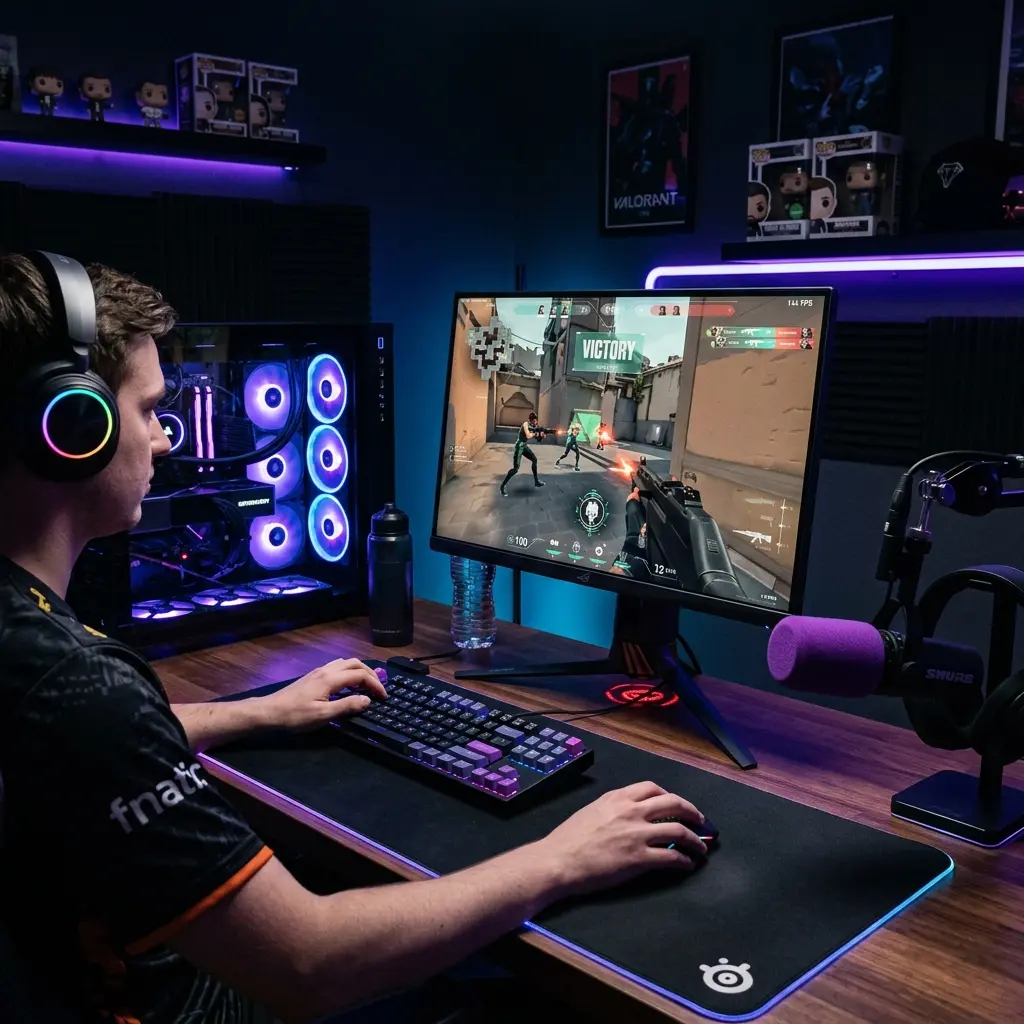
Ergonomics and Visual Comfort
Both technologies offer varying ergonomics; Mini LED monitors can be more energy-efficient, while OLED screens often reduce eye strain due to their high contrast. Flicker-free technology is commonly found in both types, enhancing visual comfort during prolonged use.
| Feature | Mini LED | OLED |
|---|---|---|
| Brightness | High (up to 2000 nits) | Moderate (up to 1000 nits) |
| Contrast Ratio | Good (local dimming) | Infinite (true blacks) |
| Color Accuracy | Very Good | Exceptional |
| Response Time | 1-3 ms | 0.1 ms |
| Burn-in Risk | Low | High |
Materials and Durability
Mini LED monitors often use robust materials that enhance longevity and heat dissipation. OLED displays, while stunning, may require more careful handling due to potential burn-in issues over time.
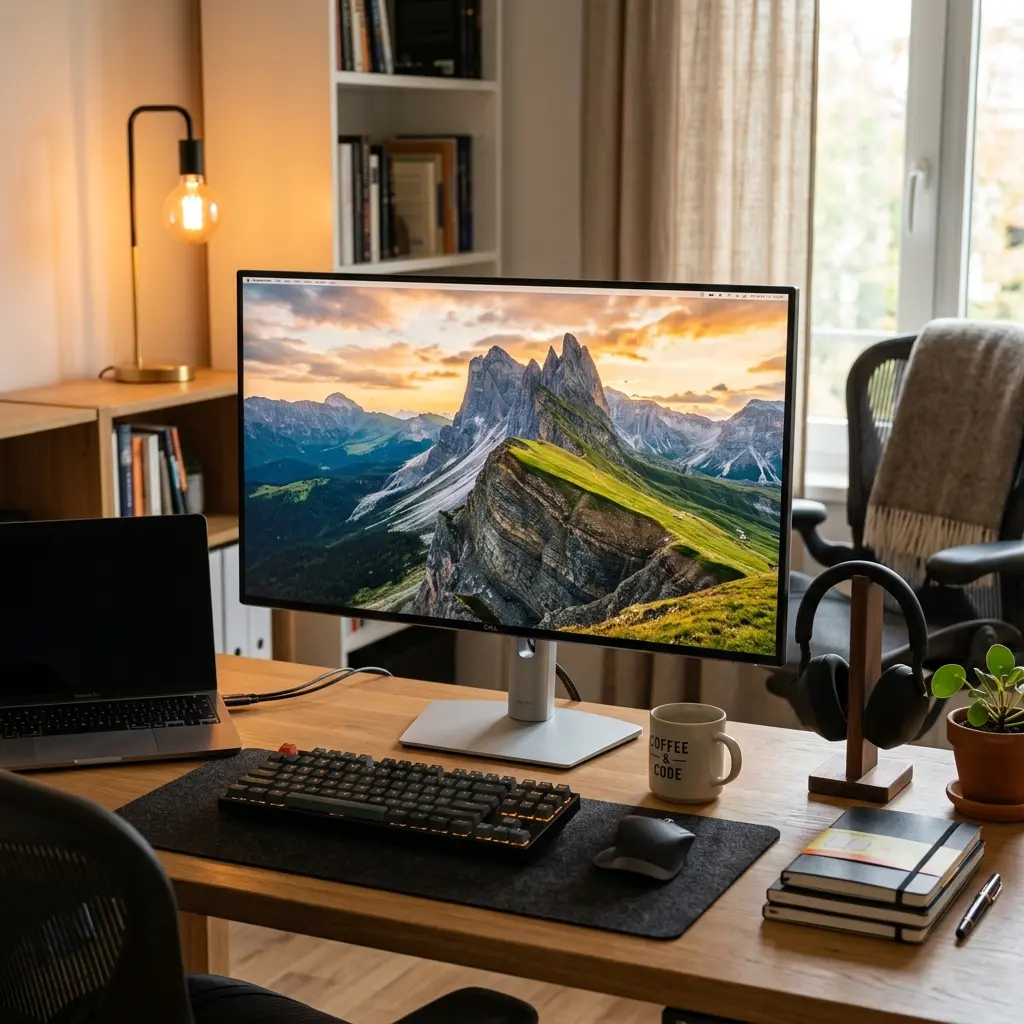
DomineTec Tip: Ensure proper monitor height to reduce neck strain; the top of the screen should be at or just below eye level.
Buying Recommendations and Brands
Leading brands for Mini LED include ASUS and Acer, while OLED is dominated by LG and Sony. Consider features like refresh rate, resolution, and panel type based on usage needs.

- Determine primary use: gaming, content creation, or general use.
- Assess space and ergonomic requirements for optimal setup.
- Compare specifications, focusing on brightness, contrast, and refresh rates.
- Research brand reliability and after-sales support.
- Set a budget, considering both initial investment and long-term value.
Value Analysis and Verdict
Mini LED monitors offer excellent brightness and HDR performance, making them suitable for bright environments. Conversely, OLED monitors provide unparalleled color quality and contrast, ideal for dark room setups.
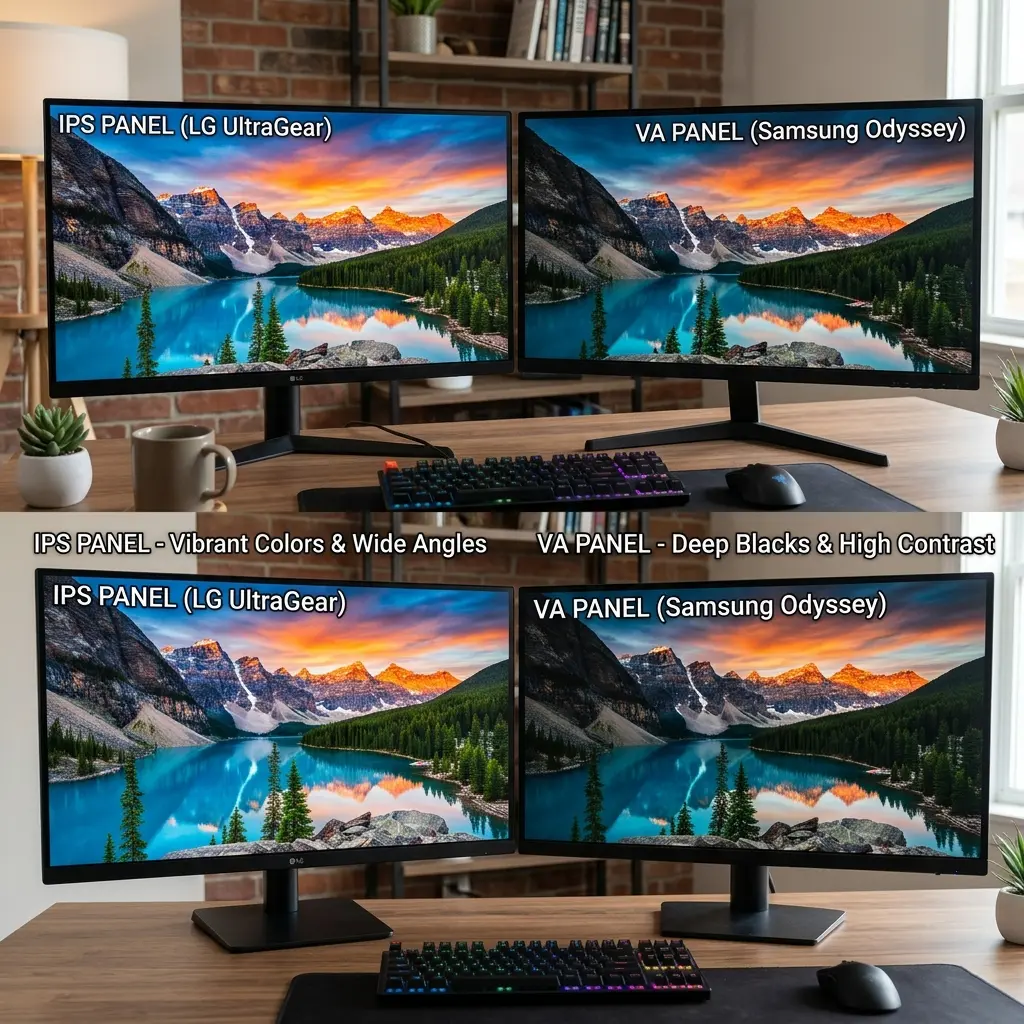
For a clean productivity desk setup or to ensure your monitor is at the correct height, consider these technologies for their unique advantages.
Color Accuracy and Gamut Coverage
Color accuracy is a critical aspect when comparing Mini LED and OLED monitors, as it directly impacts the visual experience for professionals and casual users alike.
Mini LED technology often boasts superior color gamut coverage, enabling a wider range of colors to be displayed, which is particularly beneficial for tasks such as video editing and graphic design.
In contrast, OLED monitors are known for their vibrant colors and deep blacks, but they can sometimes struggle with maintaining color accuracy at different brightness levels.
Ultimately, the choice between the two may depend on the specific use case and the importance of color fidelity in the user's workflow.
Black Levels and Contrast Ratios
Black levels and contrast ratios are crucial in determining the overall picture quality of a display, influencing the perception of depth and detail in images.
OLED monitors excel in this area, achieving true black levels due to their self-emissive technology, where individual pixels can turn off completely.
Mini LED monitors, while improved over traditional LED panels, still rely on local dimming zones, which can lead to slight blooming effects around bright objects on dark backgrounds.
For users prioritizing cinematic experiences or dark room environments, OLED may be the preferred choice due to its unparalleled contrast performance.
Input Lag and Response Time
Input lag and response time are essential metrics, especially for gamers and fast-paced content creators who require quick reactions from their displays.
OLED monitors typically offer lower input lag and faster response times, making them ideal for competitive gaming where every millisecond counts.
Mini LED monitors, while generally responsive, may exhibit slightly higher input lag, which can be a disadvantage in high-stakes gaming scenarios.
Gamers should consider their specific gaming style and the types of games they play when deciding between these two technologies.
Power Consumption and Heat Generation
Power consumption and heat generation are important factors that can affect both the environment and the longevity of the monitor.
Mini LED monitors tend to be more energy-efficient than their OLED counterparts, especially when displaying bright images, as they do not require as much power to illuminate the screen.
However, OLED monitors can consume more power when displaying bright scenes due to their self-emissive nature.
Users should weigh their energy consumption preferences against the visual benefits each technology offers when making a decision.
Viewing Angles and Reflections
Viewing angles are a significant consideration for users who often share their screen or work in collaborative environments.
OLED monitors generally provide superior viewing angles, maintaining color accuracy and brightness even at extreme angles.
Mini LED monitors tend to suffer from color shift and reduced brightness when viewed from the side, which can detract from collaborative use.
For users who value wide viewing angles for presentations or group activities, OLED might be the better option.
Environmental Impact and Sustainability
The environmental impact and sustainability of display technologies are increasingly important to consumers concerned about ecological footprints.
Mini LED displays often use less hazardous materials and are generally easier to recycle compared to OLED screens, which may contain more complex materials.
On the other hand, OLED technology has made strides in sustainability, with manufacturers focusing on reducing waste and improving energy efficiency.
Consumers should consider the lifecycle of the product and the manufacturer's commitment to sustainability when choosing between these technologies.
Future Developments and Trends
As display technology continues to evolve, understanding future developments can help consumers make informed decisions.
Ongoing advancements in OLED technology aim to improve brightness, longevity, and color accuracy, making it an exciting option for future displays.
Mini LED technology is also rapidly developing, with innovations in local dimming and color performance that could potentially close the gap with OLED.
Keeping an eye on these trends will ensure consumers select the best technology that meets their future needs and preferences.
Influence of Ambient Lighting
The performance of Mini LED and OLED monitors can vary significantly based on the ambient lighting conditions in which they are used. Mini LED displays typically excel in brightly lit environments due to their higher peak brightness levels. This feature allows them to maintain vibrant colors and reduce the appearance of reflections, making them suitable for well-lit rooms.
Conversely, OLED monitors tend to perform better in darker settings. Their ability to achieve true blacks leads to enhanced contrast ratios, which can be more visually striking in low-light conditions. However, in high ambient light, OLED screens can struggle with glare and reflections, which may detract from the viewing experience.
Users should consider their primary usage environment when choosing between these technologies. A workspace with a lot of natural light might favor a Mini LED setup, while a home theater environment could benefit from the superior contrast of an OLED screen.
Additionally, advancements in screen coatings and anti-reflective technologies are being developed for both Mini LED and OLED displays, which may mitigate some of the issues associated with ambient lighting in the future.
Gaming Performance and Features
In the gaming realm, the performance of Mini LED and OLED monitors is influenced by several critical features tailored for gamers. Mini LED monitors often offer higher refresh rates and variable refresh rate (VRR) technologies, making them appealing for competitive gaming. These features can help reduce screen tearing and provide a smoother gameplay experience.
On the other hand, OLED monitors are recognized for their incredibly low input lag and rapid response times, which can enhance the gaming experience by providing instantaneous feedback. This quick response is particularly beneficial in fast-paced gaming scenarios where every millisecond counts.
Furthermore, the implementation of features like HDR (High Dynamic Range) can also differ between the two technologies. While both may support HDR, OLED displays often deliver a more immersive experience due to their superior contrast and color performance.
Ultimately, the choice between Mini LED and OLED for gaming will depend on the user's specific gaming preferences and priorities, such as refresh rate versus response time, and the types of games they typically play.
Cost of Ownership and Maintenance
The total cost of ownership for Mini LED and OLED monitors extends beyond the initial purchase price. Mini LED monitors generally have a lower up-front cost, making them a more accessible option for consumers with budget constraints. However, potential maintenance costs and longevity should also be considered.
OLED monitors, while often more expensive initially, may incur additional costs related to burn-in risk, where static images can permanently affect the display. Users who frequently display static content may find themselves needing to replace OLED screens more often, which can increase long-term costs.
In contrast, Mini LED displays boast longer lifespans due to their use of backlighting technology, which is less susceptible to burn-in. This durability can lead to a more favorable cost-to-performance ratio over time, especially for users who keep their monitors for extended periods.
When assessing the overall cost of ownership, consumers should weigh the potential for maintenance against the initial investment, factoring in their specific usage patterns and needs.
Compatibility with Content Types
The compatibility of Mini LED and OLED monitors with various content types can significantly influence user satisfaction. Mini LED monitors are typically designed to handle a wide range of content, from everyday office tasks to high-resolution gaming and video editing, thanks to their high brightness and color accuracy capabilities.
On the other hand, OLED monitors shine in content consumption, particularly for cinema and photography. Their ability to reproduce deep blacks and vibrant colors makes them ideal for watching movies and editing images, where color fidelity is paramount.
Additionally, the future of content consumption is leaning towards higher resolutions and dynamic range, which both technologies aim to support. However, the inherent properties of OLED may provide a more engaging experience for users focused on visual storytelling and artistic endeavors.
Ultimately, the choice between Mini LED and OLED should consider the primary content types the user engages with, as each technology has its strengths tailored to different applications.
Calibration and Color Management
Calibration plays a crucial role in ensuring that both Mini LED and OLED monitors deliver accurate and consistent color representation. While Mini LED displays often come with preset calibration profiles, OLED technology tends to require more frequent manual calibration due to its inherent characteristics.
Professional colorists and graphic designers may favor OLED monitors for their ability to reproduce true blacks and rich colors, which enhances the calibration process. However, Mini LED monitors have made significant strides in color accuracy, particularly with advanced calibration tools that allow users to fine-tune their settings.
For photographers and videographers, the calibration capabilities of a monitor can significantly affect the quality of their work. Both technologies offer options for hardware calibration, but users should assess the available tools and software compatibility to optimize their workflow.
Ultimately, the choice between Mini LED and OLED may depend on the specific calibration needs of the user, as well as their familiarity with color management techniques. Both technologies have their strengths, but careful consideration of calibration options is vital for achieving the best results.
User Experience and Interface Features
The user experience is heavily influenced by the interface features that each technology offers. Mini LED monitors often provide a more versatile range of connectivity options, including multiple HDMI and DisplayPort ports, which can enhance usability in multi-device setups.
On the other hand, OLED monitors typically offer user-friendly features such as customizable display modes and integrated software for easy access to settings. This can significantly enhance the overall user experience, especially for creative professionals who require quick adjustments while working.
Additionally, the interface design and menu navigation can vary significantly between the two technologies, impacting user satisfaction. A more intuitive interface can save time and reduce frustration, making it a crucial aspect to consider when choosing between Mini LED and OLED displays.
In summary, while both Mini LED and OLED monitors can provide an excellent visual experience, the user interface and additional features play a significant role in overall satisfaction. Evaluating these elements can help users make a more informed decision based on their specific needs and preferences.
Compatibility with Graphics and Gaming Hardware
When considering monitor technology, compatibility with existing graphics hardware is essential for maximizing performance. Mini LED and OLED monitors both offer unique advantages, but their effectiveness can be influenced by the graphics card and gaming console being used.
Mini LED monitors typically leverage DisplayHDR technology, providing enhanced brightness levels that can improve gaming experiences, especially in HDR titles. These monitors often support higher refresh rates and adaptive sync technologies, making them suitable for high-end gaming setups.
On the other hand, OLED monitors excel in color reproduction and response times, which can enhance the gaming experience, particularly in fast-paced scenarios. The near-instantaneous pixel response time of OLED technology reduces motion blur, making it a preferred choice for competitive gamers.
Ultimately, the choice between Mini LED and OLED may also depend on the specific graphics hardware capabilities, such as frame rates and resolution support. Ensuring compatibility with the latest graphics cards can help users unlock the full potential of their chosen display technology.
Heat Management and Thermal Performance
Heat management is a critical aspect of monitor performance that can influence both longevity and visual quality. Mini LED monitors generally have a more efficient heat distribution system due to their backlighting technology, which allows for better thermal management during prolonged use.
In contrast, OLED monitors can experience heat buildup due to the nature of their self-emissive pixels. While modern OLED displays integrate heat dissipation mechanisms, they can still face challenges under intensive usage, particularly in bright environments.
Effective thermal management not only prolongs the lifespan of the monitor but also affects performance. Excessive heat can lead to throttling in both types of displays, potentially impacting brightness and color accuracy.
Users should consider how heat management might affect their usage patterns. In environments where prolonged use is common, Mini LED monitors may offer a more stable performance over time, while OLED monitors could require more careful management to avoid thermal issues.
Frequently Asked Questions
What is the main advantage of Mini LED over OLED?
Mini LED technology offers higher brightness levels, making it suitable for well-lit environments.
Can OLED monitors suffer from burn-in issues?
Yes, OLED displays can experience burn-in if static images are displayed for extended periods.
Which technology is better for gaming?
OLED is often favored for gaming due to its superior response time and vibrant colors.
Are Mini LED monitors more affordable than OLED?
Mini LED monitors typically offer a more budget-friendly price point compared to OLED displays.
Can both technologies be used for professional work?
Both Mini LED and OLED monitors can be used for professional work, but OLED may provide better color accuracy for creative tasks.




