Best Midjourney Prompts for Artistic Caricatures and 3D Avatars

Midjourney prompts can create stunning caricatures and 3D avatars, elevating your digital art to new heights. These prompts allow artists to explore unique styles and ideas, transforming ordinary concepts into extraordinary visual representations.
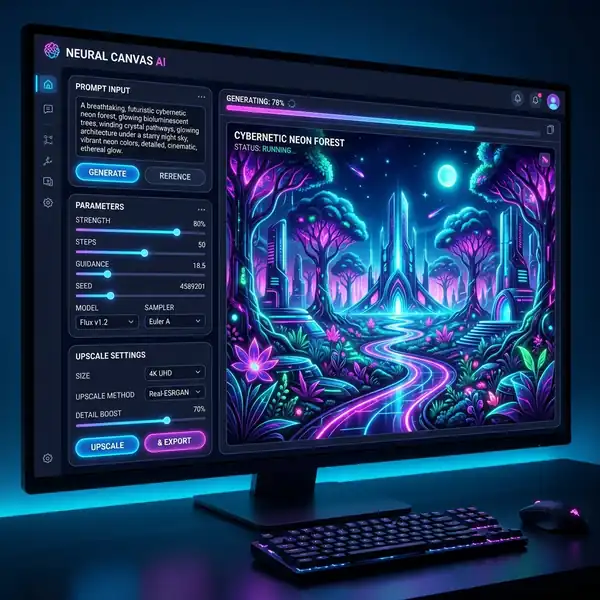
Midjourney Portrait Artistry: Differentiating caricatures and business avatars
DomineTec Tip: To generate prompts automatically without effort, read our review of the best Midjourney prompt generators.
Understanding the distinction between caricatures and business avatars is important for any artist using Midjourney. Caricatures are exaggerated representations of individuals, often highlighting specific features for comedic or artistic effect. They are frequently used in entertainment, social media profiles, and personalized gifts. In contrast, business avatars are designed to convey professionalism and branding. These avatars typically reflect a more realistic and polished appearance, aligning with corporate identities.
When creating caricatures, artists can use Midjourney to amplify distinctive traits, such as an oversized nose or exaggerated expressions, to evoke humor and personality. Business avatars, however, require a balance of realism and style that communicates authority and trustworthiness. Understanding these nuances in portrait artistry allows creators to tailor their prompts effectively, producing images that resonate with their intended audience.
Essential Keywords: Claymation renders, octane lighting, and pencil strokes
| Artistic Goal | Recommended Syntax Settings | Detail Quality |
|---|---|---|
| 3D Claymation / Disney | octane render, toy character, 3d, --v 6.0 | Excellent High Fidelity |
| Charcoal Hand Drawn | pencil drawing, hand-drawn sketch style, raw | Hand-styled textures |
In the realm of digital artistry, certain keywords can significantly enhance the quality and style of the generated images. “Claymation renders” evoke a playful, textured aesthetic reminiscent of stop-motion animation, adding depth and a unique character to caricatures. This style can be particularly effective for whimsical artworks or animated avatars, providing a tactile feel that resonates with viewers.
“Octane lighting” refers to advanced lighting techniques that create realistic shadows and highlights, enhancing the three-dimensionality of avatars. This keyword is essential for artists aiming to produce lifelike representations, ensuring that facial features and expressions pop with clarity. Additionally, incorporating “pencil strokes” into prompts can simulate hand-drawn effects, giving digital creations an organic, artistic touch. These keywords, when strategically used in Midjourney prompts, can lead to impressive and visually striking results.
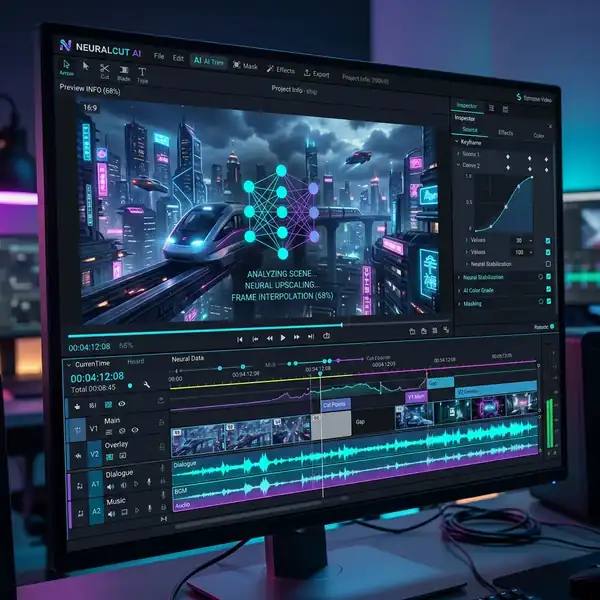
Top Midjourney Prompts List: Caricatures and 3D avatar commands
Creating effective Midjourney prompts is essential for achieving the desired artistic outcome. For caricatures, a prompt might look like: “A whimsical caricature of a man with an oversized nose, vibrant colors, claymation style, with exaggerated expressions.” This prompt specifies the desired features and style, guiding Midjourney to produce a humorous and engaging image.
For 3D avatars, a prompt could be: “A professional business avatar with realistic features, wearing glasses, soft octane lighting, and a neutral background.” This instruction helps ensure that the avatar aligns with business norms while maintaining a polished appearance. By experimenting with different configurations and keywords in your prompts, you can unlock a wide range of creative possibilities, tailoring each output to fit specific needs or artistic visions.
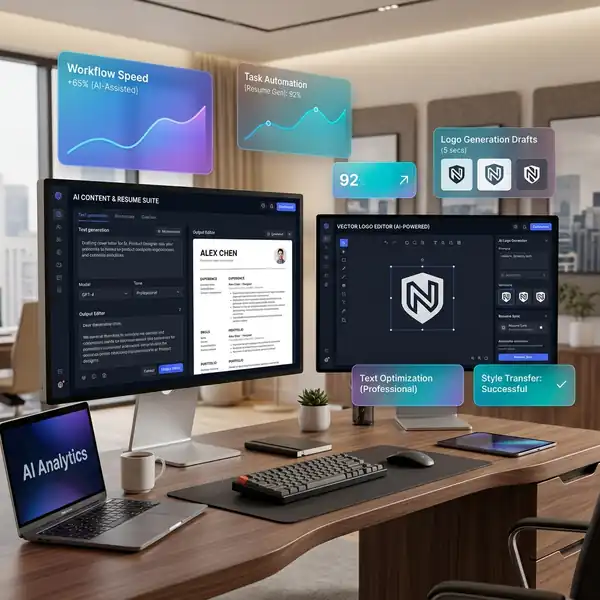
Comparison Table: Key Parameters for Cartoon versus Photorealism styles
| Parameter | Cartoon Style | Photorealism Style |
|---|---|---|
| Exaggeration | High | Low |
| Detail Level | Low to Medium | High |
| Color Palette | Vibrant and Bold | Natural and Subtle |
| Use Case | Entertainment, Personal Use | Professional, Branding |
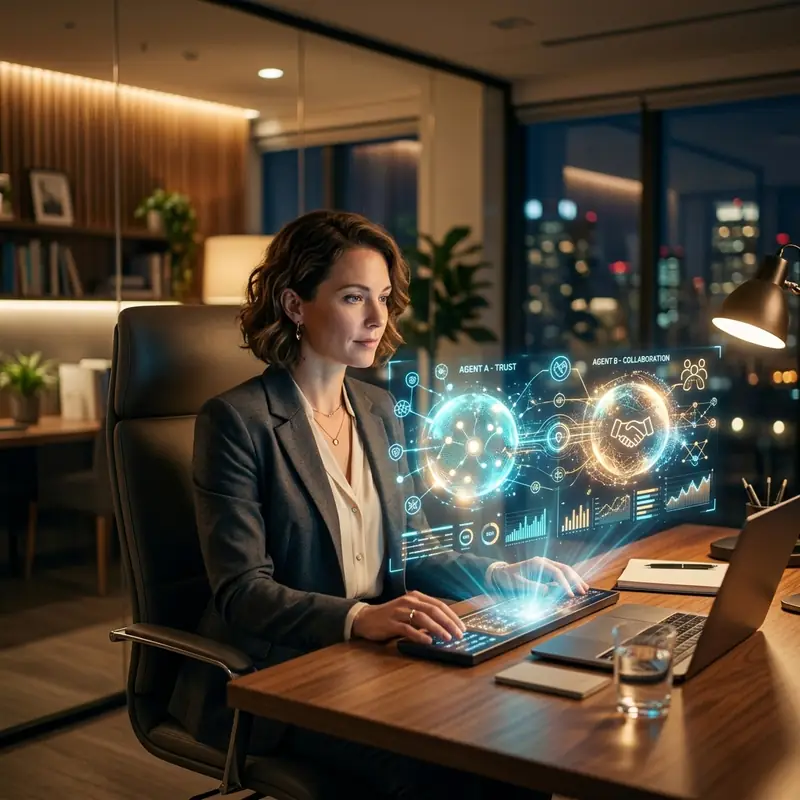
Configuring Midjourney Renders: Using stylize, chaos, and character reference
Configuring your Midjourney renders effectively can make a significant difference in the final output. The “stylize” parameter allows artists to dictate the level of creativity and abstraction in the generated image. A higher stylization value can yield more artistic results, while a lower value may produce more realistic outputs. Experimenting with this setting can help you find the perfect balance for caricatures and avatars.
The “chaos” parameter introduces variability into the image generation process. By adjusting this setting, artists can create unique and unexpected results, which can be particularly advantageous when designing caricatures that thrive on unpredictability. Additionally, using a “character reference” can guide Midjourney in replicating specific traits or styles, ensuring that the final output aligns closely with your artistic vision or brand identity.
Additional Resources and Recommended Links
For more guides and tutorials on AI image and video generators, check out our step-by-step articles on best Midjourney prompt generators and can I use Leonardo AI images commercially. For official platforms and tools, visit the Official Midjourney Platform.
Advanced Prompting Techniques for Artistic Caricatures and 3D Avatars
To harness the full potential of Midjourney for creating artistic caricatures and 3D avatars, understanding advanced prompting techniques is essential. One of the primary methods involves manipulating the style weights within your prompts. By assigning varying weights to different styles, you can dictate the prominence of certain artistic elements over others. For instance, if you want a caricature that emphasizes exaggerated features while maintaining a semblance of realism, you might structure your prompt as follows: “A portrait of a smiling man with oversized glasses and a whimsical smile, style weight: caricature: 1.5, realism: 0.5.” This formulation allows you to fine-tune the output to align more closely with your artistic vision, ensuring that the caricature retains its playful essence while not straying too far from reality. Furthermore, incorporating specific aspect ratios, such as 16:9 for landscape or 1:1 for social media profiles, can significantly impact the composition and usability of the final render. By specifying aspect ratios, you can optimize your images for various platforms, making them more adaptable to your marketing or presentation needs.
Another critical aspect of advanced prompting is the strategic use of parameters like chaos, seed control, and reference images. The chaos parameter allows users to introduce a level of unpredictability into the generation process. For example, setting a chaos level of 50 can yield dramatically different outputs for similar prompts, which is particularly useful when exploring unique caricature styles. Seed control, on the other hand, enables you to replicate specific results by using a consistent seed number across different prompts. This is valuable for maintaining a cohesive visual identity in a series of caricatures or avatars, especially when consistency is important for branding or artistic series. In addition to these parameters, you can also utilize reference images by including a URL to a specific artwork or photograph that embodies the style or features you wish to emulate. This can greatly enhance the accuracy of the output, aligning it with existing artistic standards or personal preferences.
To further refine your prompts, consider employing specific formulaic structures that encapsulate the essence of your desired output. For instance, a structured prompt could look like: “Create a whimsical 3D avatar of a young woman, wearing a blue dress, with flowing curly hair, in a vibrant park setting, emphasizing bright colors and exaggerated proportions, chaos: 20, aspect ratio: 1:1.” This level of detail not only clarifies your expectations but also provides the Midjourney algorithm with a clear direction on how to interpret and execute your request. Moreover, experimenting with various combinations of artistic styles, such as merging “cartoonish” with “surrealistic,” can yield intriguing results that transcend conventional caricature or avatar design. This iterative approach to refining prompts empowers users to explore a wide spectrum of artistic possibilities, ultimately leading to more personalized and engaging outputs.
Incorporating additional technical specifications also plays a vital role in achieving desired artistic outcomes. Utilizing the vref parameter can help in adjusting the visual fidelity of the outputs, allowing you to trade off between detail and artistic abstraction depending on your project needs. A prompt could read: “Render a detailed caricature of a businessman, exaggerated features, vref: 1.5, with an emphasis on facial expressions and a playful background.” This not only directs Midjourney but also enhances the likelihood of generating high-quality images suitable for professional use. As you delve deeper into the mechanics of prompting, embracing a systematic approach while combining various parameters will enable you to create visually stunning caricatures and avatars that stand out in a competitive landscape.
Creative Integration and Professional Workflow for Midjourney Outputs
Once you have generated artistic caricatures and 3D avatars using Midjourney, the next critical step is to seamlessly integrate these outputs into your professional workflow. This process involves not only utilizing the images generated for their intended purposes but also enhancing them through various design tools and automation platforms. For instance, if you are in the marketing domain, using tools like Adobe Photoshop can elevate the quality and adaptability of your images. You can modify colors, add textures, or even composite multiple avatars into a single promotional piece, ensuring that the final output aligns with your brand's aesthetic. Moreover, leveraging features such as layer masks and adjustment layers in Photoshop can provide nuanced control over how caricatures and avatars interact with other design elements, allowing for a more cohesive visual narrative.
In e-commerce, integrating Midjourney outputs into product listings can significantly enhance customer engagement and conversion rates. By creating unique avatars that represent product categories or embody brand personas, you can add a layer of personalization that resonates with potential buyers. For instance, using Canva's user-friendly interface, you can create marketing materials that feature your avatars, incorporating them into social media posts, email newsletters, and website banners. Additionally, by utilizing Canva's animation features, you can bring these avatars to life in promotional videos or GIFs, capturing the attention of your audience and driving higher engagement. This creative integration not only showcases the original artwork but also enhances the overall branding strategy by providing a distinct visual identity.
Collaboration is another important aspect of effectively utilizing Midjourney outputs. Platforms like Figma allow for real-time collaboration among design teams, enabling multiple stakeholders to contribute to projects involving avatars and caricatures. By uploading your generated images into Figma, team members can provide feedback, edit designs, or brainstorm ideas collaboratively. This is particularly beneficial in scenarios where rapid iteration is required, such as in product design sprints or marketing campaigns with tight deadlines. Furthermore, automation tools such as Zapier can streamline processes by connecting Midjourney with other applications, allowing for automated workflows that save time and resources. For example, you could set up a system where new caricature outputs are automatically uploaded to a specific folder in your cloud storage, ready for immediate use in ongoing projects.
Moreover, understanding the importance of brand consistency when integrating these creative outputs is essential. In any professional setting, maintaining a consistent visual style across all marketing and design materials helps to build brand recognition and trust. Therefore, it is advisable to create a style guide that outlines the usage of avatars and caricatures, including color palettes, typography, and image placement. This guide should be referenced in all projects to ensure that every piece produced aligns with the established brand identity. Additionally, leveraging user feedback on these avatars can provide insights into customer preferences and perceptions, allowing for continuous improvement and adaptation of creative outputs to better meet audience expectations. By combining effective creative integration with a robust professional workflow, you can maximize the impact of your Midjourney-generated caricatures and avatars across various platforms and applications.
Technical Limitations of Midjourney: Troubleshooting and Ethical Guidelines
While Midjourney is a powerful tool for generating artistic caricatures and 3D avatars, it is important to be aware of its technical limitations. One common issue that users encounter is the generation of outputs that do not fully align with their expectations. This can stem from vague or overly broad prompts, which may lead to ambiguous results. To troubleshoot this, it is advisable to refine your prompts by incorporating specific details and artistic styles. Additionally, keep in mind that Midjourney's output quality can vary based on the complexity of the prompt and the inherent limitations of the algorithm. For example, overly intricate requests with multiple conflicting elements may result in images that appear cluttered or inconsistent. Therefore, it is essential to balance creativity with clarity in your prompting to enhance the chances of receiving high-quality outputs.
Another technical limitation relates to the rendering time and processing capabilities of Midjourney. Depending on the complexity of your prompt and the current server load, generating a high-resolution output may take longer than expected. This can be particularly frustrating for users who are working on tight deadlines. To mitigate this, consider breaking down complex prompts into simpler segments, generating outputs in stages, and then integrating them in post-production using design software. Additionally, keeping track of server updates and understanding peak usage times can help you plan your projects more effectively, avoiding bottlenecks in the rendering process.
Common beginner mistakes often include neglecting to experiment with various parameters and failing to utilize reference images effectively. Many users tend to stick to basic prompts without exploring the richer functionalities of the tool. To counter this, it is beneficial to dedicate time to learn about different parameters and how they can be combined for optimal results. Engaging with community forums or tutorials can provide valuable insights into successful prompting strategies and common pitfalls to avoid. Furthermore, if outputs do not meet expectations, seeking feedback from peers or online communities can help identify areas for improvement and enhance your overall proficiency with Midjourney.
Lastly, ethical guidelines and commercial usage rights are paramount when utilizing Midjourney's outputs for professional purposes. Users must be aware that the images generated may have restrictions depending on the subscription tier or usage context. Familiarizing yourself with Midjourney's terms of service is essential to ensure compliance with copyright and licensing agreements. For developers and businesses, understanding these legalities not only protects the creator's rights but also fosters ethical practices in digital art consumption. Additionally, acknowledging the work of original artists, especially when using reference images or styles inspired by established works, is a fundamental aspect of maintaining integrity within the creative community. By adhering to these guidelines, you ensure that your use of Midjourney-generated content is both respectful and legally sound.




