MDF vs Solid Wood Desktop: Monitor Arm Weight Capacity Comparison
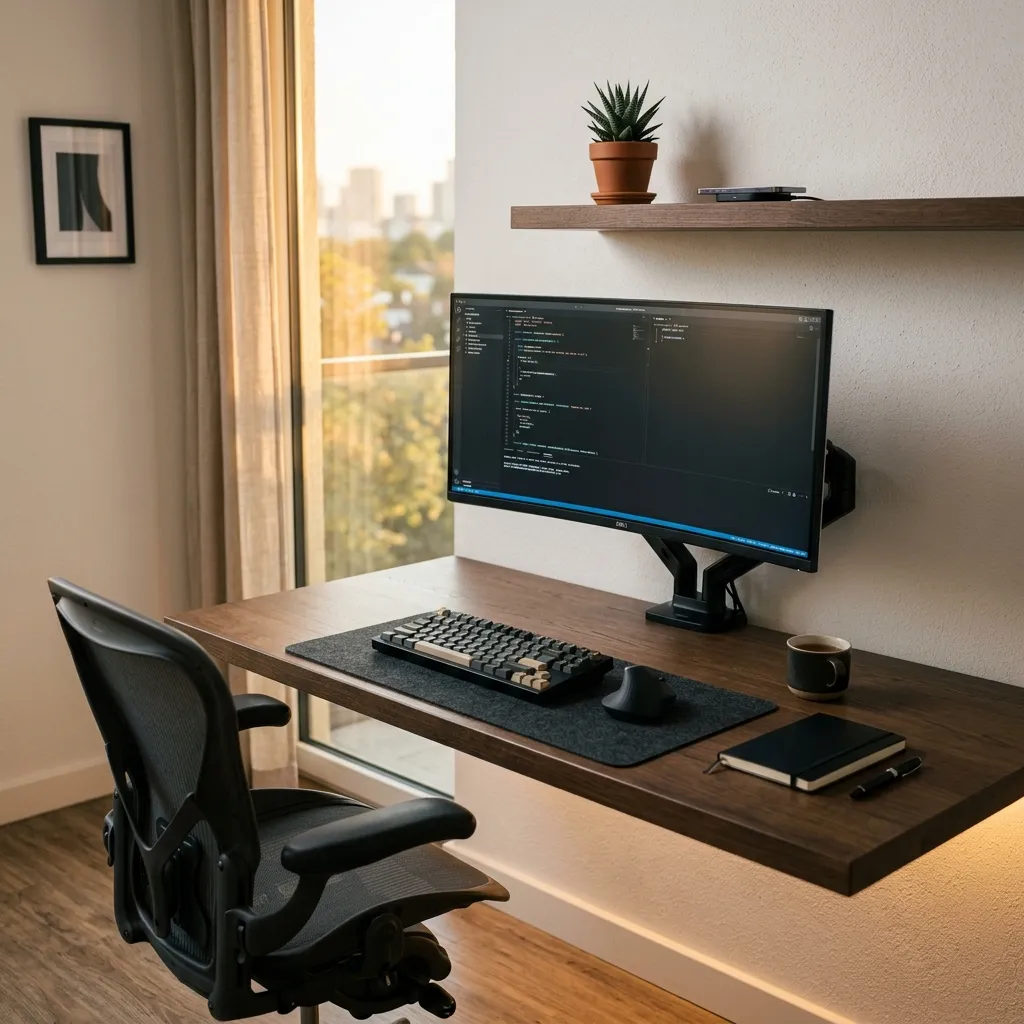
MDF desktops generally support lower weight capacities than solid wood, affecting monitor arm performance.
Material Composition
MDF (Medium-Density Fiberboard) is made from wood fibers, wax, and resin, providing a smooth surface but less strength.
In contrast, solid wood is derived from natural timber, offering superior durability and resistance to wear.
Weight Capacity Analysis
Typical MDF desktops support monitor arms with a weight capacity of 10-15 kg.
Solid wood desktops often accommodate monitor arms with capacities exceeding 20 kg, ideal for heavy equipment.
Ergonomics and Stability
The weight of the desktop influences stability, with solid wood providing a sturdier base for ergonomic setups.
Inadequate support from MDF can lead to wobbling, compromising user comfort and productivity.
Manufacturing Processes
MDF production involves compressing wood fibers, resulting in a uniform material but with potential for moisture absorption.
Solid wood is cut and shaped directly from logs, preserving the natural grain and enhancing aesthetics.
Performance in Real-World Use
In practical applications, solid wood desktops perform better under heavy loads, maintaining integrity over time.
MDF may sag or warp under significant weight, impacting the functionality of attached monitor arms.
| Feature | MDF Desktop | Solid Wood Desktop |
|---|---|---|
| Weight Capacity | 10-15 kg | 20 kg+ |
| Durability | Moderate | High |
| Moisture Resistance | Low | Variable (depends on treatment) |
| Cost | Lower | Higher |
| Aesthetic Appeal | Uniform | Natural grain variations |
DomineTec Tip: Consider integrating an adjustable monitor arm to enhance ergonomic positioning, reducing neck strain.
- Evaluate the weight of your monitor and any additional equipment.
- Choose a desktop material that aligns with your ergonomic needs.
- Ensure the monitor arm is compatible with the desktop's weight capacity.
- Regularly check the stability of the setup to prevent accidents.
- Optimize the desk height for proper posture and comfort.
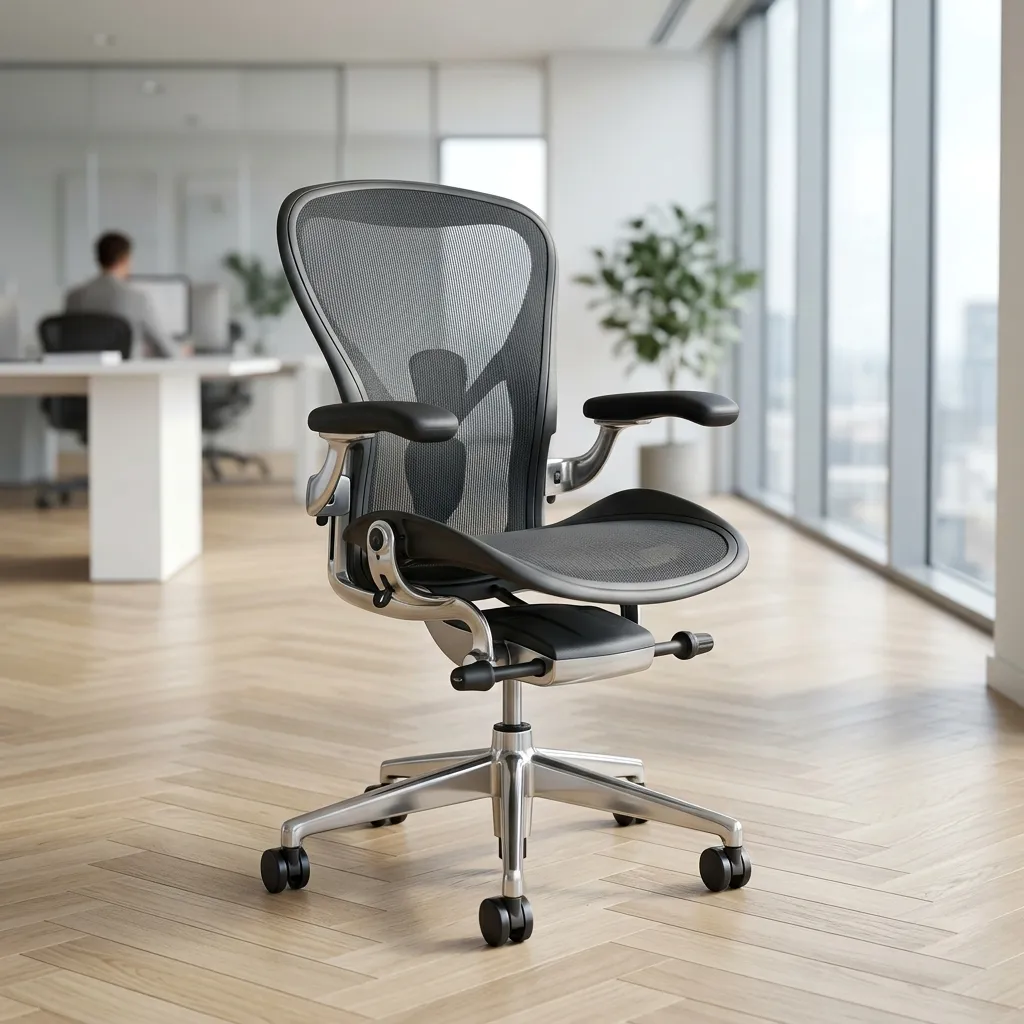
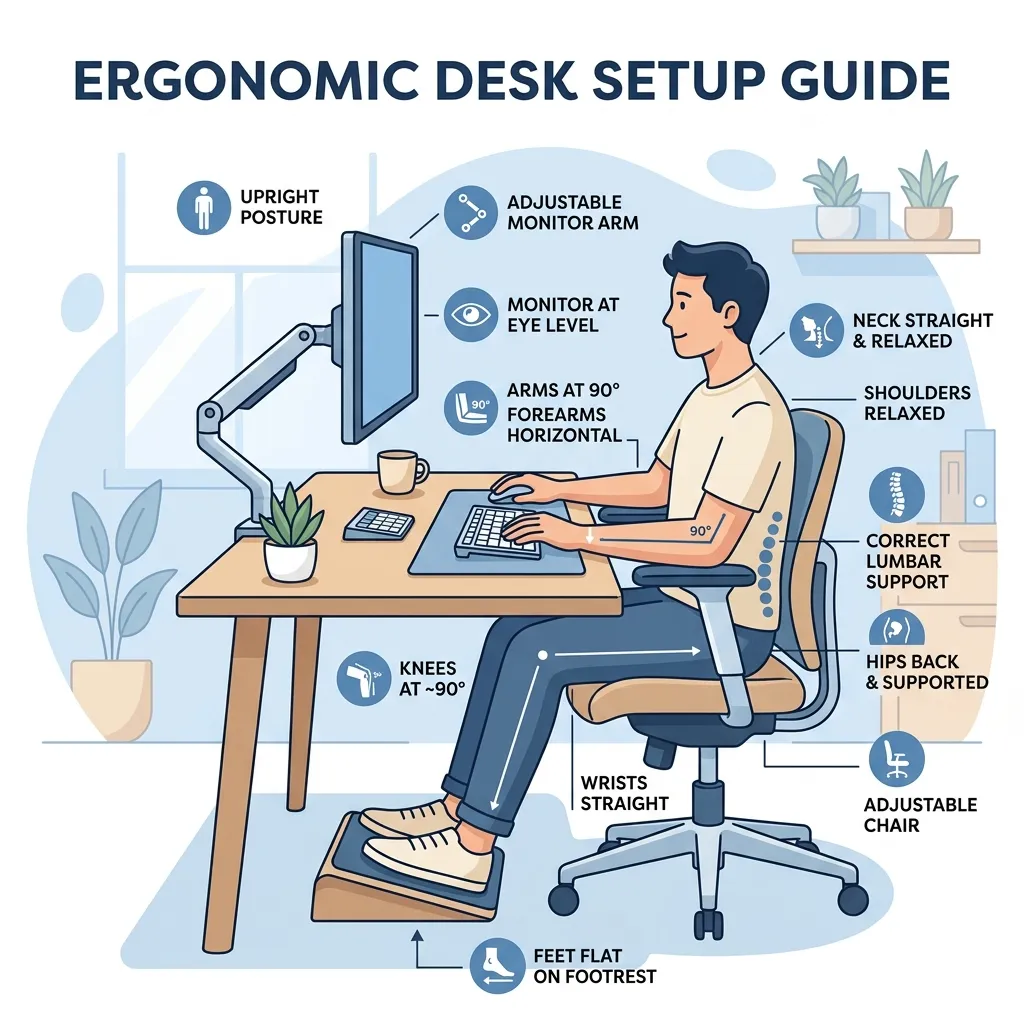
For an optimal workspace, consider using an ergonomic office chair that complements your desktop choice.
Maintaining the correct monitor height is crucial for preventing strain during extended work hours.
Cost Considerations
The cost of MDF and solid wood desktops varies significantly, influencing consumer choices. MDF is generally more budget-friendly than solid wood, making it a popular choice for those with financial constraints.
Solid wood, while more expensive, is often seen as an investment due to its durability and aesthetic appeal. The initial higher cost can be offset by its longevity and potential to increase in value over time.
When evaluating total cost, consumers should also consider maintenance expenses. Solid wood may require more frequent refinishing or treatment, while MDF typically needs less upkeep.
Ultimately, the decision should factor in both upfront costs and long-term value, ensuring alignment with individual budgetary constraints and lifestyle preferences.
Environmental Impact
The environmental implications of manufacturing MDF versus solid wood are significant and multifaceted. MDF is produced using wood fibers and adhesives, which can involve chemicals that may not be eco-friendly.
In contrast, solid wood is a renewable resource, provided it comes from sustainably managed forests. This makes it a more environmentally friendly option, especially when sourced from certified suppliers.
However, the transportation and harvesting of solid wood can contribute to carbon emissions, raising concerns about its overall ecological footprint. Consumers should investigate the sourcing and production processes of both materials.
In selecting between MDF and solid wood, eco-conscious buyers may prioritize products with certifications like FSC (Forest Stewardship Council) for solid wood or seek out manufacturers that minimize environmental impacts in MDF production.
Durability and Wear Resistance
Durability is a critical factor in the comparison between MDF and solid wood desktops. Solid wood is inherently robust, capable of withstanding significant wear and tear over time without compromising structural integrity.
MDF, while strong, is more susceptible to damage from moisture, heat, and heavy loads. Over time, it may experience warping or delamination, which can affect its usability as a desktop.
In terms of wear resistance, solid wood can often be refinished to restore its appearance, extending its lifespan significantly. On the other hand, repairs to MDF are generally limited, making it less viable for long-term use.
Ultimately, the choice between these materials should consider anticipated usage patterns, environmental conditions, and the importance of longevity in the desktop's design and functionality.
Aesthetic Appeal
The aesthetic qualities of MDF and solid wood desktops play a pivotal role in consumer preferences. Solid wood is celebrated for its natural beauty, featuring unique grain patterns and textures that add character to any workspace.
MDF, while often available in various finishes and colors, lacks the intrinsic beauty of real wood. However, it can be coated with veneers or laminates that mimic the appearance of wood, providing a visually appealing alternative.
Design flexibility is another aspect to consider; solid wood can be more challenging to shape and customize compared to MDF, which can be easily cut and molded into diverse forms.
In choosing between the two, consumers should evaluate their design preferences and how the desktop will fit within their overall interior decor and functional requirements.
Sound Dampening Properties
Sound dampening is an often-overlooked feature in the selection of desktops for home or office environments. MDF typically exhibits better sound absorption qualities compared to solid wood, reducing noise transmission in busy settings.
This property is particularly beneficial for shared workspaces or environments where focus and concentration are paramount. The denser composition of MDF helps to minimize echoes and disturbances.
On the other hand, solid wood may amplify sound due to its hard surface, which can reflect noise more readily. This might be a consideration for individuals seeking tranquility in their work environment.
For those prioritizing a quieter workspace, MDF might offer a distinct advantage, while solid wood's aesthetic and durability may appeal to different consumer priorities.
Customization and Modifications
Customization options vary greatly between MDF and solid wood desktops. MDF is generally easier to cut, shape, and modify, making it a favorite for DIY projects and personalized designs.
Solid wood, while also customizable, often requires specialized tools and expertise to be shaped, which can limit modification options for the average consumer. This may result in higher costs for custom work on solid wood desktops.
In terms of finish, MDF can be painted or veneered in a variety of styles and colors, allowing for broad customization possibilities. Solid wood typically requires staining or sealing to enhance its natural beauty.
Ultimately, the decision between the two materials should reflect the consumer's desire for customization versus the aesthetic and tactile qualities of natural wood.
Compatibility with Accessories
When considering desktops for monitor arms, compatibility with various accessories is crucial. MDF desktops often have a more uniform surface, which can facilitate easier installation of monitor arms and other accessories.
Solid wood desktops, while sturdy, may present challenges due to their varying grain and density, potentially complicating the attachment of accessories without specialized hardware.
Moreover, the weight distribution characteristics differ; MDF may provide a more stable base for accessories, reducing the risk of tilting or instability when heavy monitors are mounted.
Consumers should assess their intended use of accessories and how each material will accommodate these needs to ensure optimal workspace functionality and safety.
Maintenance and Care Requirements
Both MDF and solid wood desktops require specific maintenance to ensure longevity and performance. MDF surfaces generally need to be cleaned with a damp cloth and mild detergent, avoiding excessive moisture to prevent swelling or damage.
Solid wood, on the other hand, often requires periodic oiling or sealing to maintain its finish and prevent drying out or cracking. This maintenance can add to the overall effort needed to keep the desktop in optimal condition.
In terms of scratch resistance, solid wood may perform better, but it can also show wear over time, necessitating refinishing to restore its appearance. MDF, while less prone to visible scratches, may suffer from surface damage if not properly maintained.
Ultimately, the choice between MDF and solid wood may depend on the user's willingness to invest time and resources into maintenance and care practices, impacting long-term satisfaction with the desktop.
Heat Resistance and Performance
Heat resistance is a critical factor to consider when evaluating desktop materials. Solid wood tends to handle heat better, as it can withstand higher temperatures without warping or discoloration.
MDF, composed of compressed wood fibers and adhesives, may be more susceptible to heat damage, which can lead to deformation or compromised structural integrity if hot items are placed directly on its surface.
For users who frequently use hot equipment, such as laptops or monitors that generate heat, solid wood may present a more reliable option. However, using heat-resistant mats or coasters can mitigate some of the risks associated with MDF.
Therefore, the performance under heat exposure should be a key consideration, particularly for setups involving extensive electronic use or where heat generation is anticipated.
Impact on Acoustic Performance
The acoustic properties of a desktop can influence the overall workspace environment, particularly in settings where noise reduction is desired. MDF, due to its dense composition, can help absorb sound, reducing the transmission of noise in the surrounding area.
Solid wood, while aesthetically pleasing, may not offer the same level of sound dampening as MDF, potentially leading to a noisier workspace. This can be a consideration in open office environments where multiple workstations are in close proximity.
Users seeking a quieter workspace may find that selecting an MDF desktop aids in creating a more conducive environment for concentration and productivity. Additionally, the choice of accessories, such as monitor arms, can further influence sound dynamics.
Understanding how each material interacts with sound can inform better decisions for those prioritizing acoustic performance in their workspaces.
Long-Term Investment Value
When assessing the long-term investment value of desktop materials, both MDF and solid wood have unique attributes that affect their overall worth. Solid wood typically has a higher initial cost but can appreciate over time if maintained properly.
MDF, while more affordable upfront, may need replacement sooner due to wear and tear, potentially leading to higher long-term costs. Buyers should consider their usage patterns and how that may affect the lifespan of their chosen material.
Additionally, solid wood surfaces can often be refinished, extending their life and maintaining their aesthetic appeal, whereas MDF lacks this capability, limiting its sustainability in the long run.
Ultimately, evaluating the long-term investment value requires careful consideration of initial costs, maintenance needs, and potential resale value, guiding users towards a more informed decision.
Weight Distribution and Load Management
When considering monitor arms for desktops made of MDF or solid wood, understanding weight distribution and load management is crucial. Solid wood, known for its density and strength, can typically support heavier loads without bending or warping.
This characteristic allows for a more even distribution of weight across the surface, ensuring that monitor arms remain stable under varying conditions.
MDF, while versatile and cost-effective, has a lower load-bearing capacity compared to solid wood. Its composition of wood fibers and adhesives can lead to sagging or deformation over time, especially if the weight is not evenly distributed.
Proper placement of the monitor arm on an MDF surface can mitigate these issues, but users must remain vigilant about weight limits.
Additionally, the configuration of the monitor arm itself plays a significant role in weight distribution. Adjustable arms that allow for height and tilt modifications can help balance the load more effectively on both MDF and solid wood desktops.
However, monitor arms designed for heavier equipment may still pose a risk of damaging MDF surfaces if not paired correctly.
Users should also consider the mounting options available for both types of desktops. Heavy-duty clamps or grommet mounts can provide additional support on MDF surfaces, while solid wood desktops may allow for more traditional mounting methods.
Ensuring that the monitor arm is compatible with the desktop material can enhance overall stability and performance.
User Experience and Feedback
User experience plays a significant role in the choice between MDF and solid wood for desktop applications, particularly when it comes to monitor arms. Feedback from users often highlights the importance of weight capacity and the perceived sturdiness of the material under real-world conditions.
Many users report that solid wood provides a more reassuring sense of stability when using heavy monitors, leading to increased satisfaction with their workspace setup.
Conversely, some users appreciate the lightweight nature and ease of installation that MDF offers. However, there are also accounts of dissatisfaction from users who have experienced issues such as sagging or warping over time, particularly with heavier monitor setups.
These considerations often influence the overall user experience, leading individuals to prioritize material choice based on their specific needs and preferences.
In community forums and product reviews, users often share tips and advice on optimizing their setups. Recommendations can include strategies for balancing monitor weight, ensuring proper mounting techniques, and selecting compatible monitor arms that cater to the specific characteristics of MDF or solid wood desktops.
This user-generated advice can help prospective buyers make informed decisions.
Ultimately, user feedback reveals a clear divide in preferences, with some individuals favoring the aesthetic and durability of solid wood, while others lean towards the affordability and flexibility of MDF. Awareness of these varying experiences can guide potential purchasers to choose a desktop material that aligns best with their individual needs and workspace dynamics.
Frequently Asked Questions
What is the main difference between MDF and solid wood desktops?
MDF is engineered from wood fibers, while solid wood is made from whole timber, offering different durability and aesthetics.
How much weight can a typical MDF desktop support?
A typical MDF desktop can support monitor arms with a weight capacity of about 10-15 kg.
Is solid wood worth the higher cost?
Solid wood offers better durability and aesthetic appeal, making it a worthwhile investment for long-term use.
Can MDF warp with heavy equipment?
Yes, MDF can warp or sag under heavy loads, affecting the stability of mounted equipment.
What is the best setup for an ergonomic workstation?
Utilizing a solid wood desktop with an adjustable monitor arm and ergonomic chair is ideal for comfort and productivity.