MDF vs Solid Wood Desktop: Dual Monitor Arm Weight Capacity Comparison
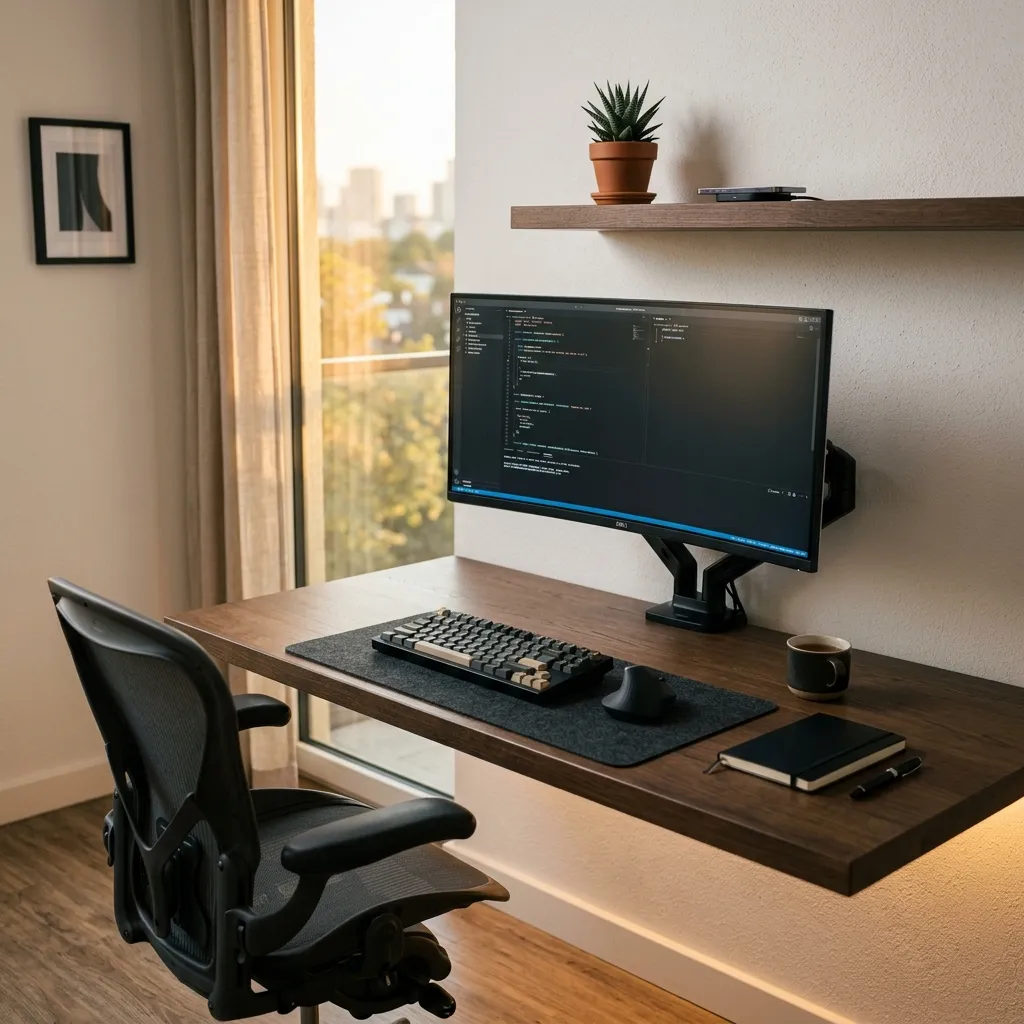
MDF desktops typically support less weight than solid wood, affecting dual monitor arm setups significantly.
Material Properties
MDF (Medium Density Fiberboard) is created from wood fibers glued under heat and pressure, resulting in a smooth finish and uniform density.
Solid wood, derived directly from lumber, offers inherent strength and durability, often supporting greater weight loads than MDF.
Weight Capacity Comparison
Typical MDF desktops can support around 50-70 kg, while solid wood desktops often surpass 80-100 kg depending on the type of wood used.
This difference in weight capacity is crucial when considering dual monitor arms that may require additional support for multiple monitors.
Ergonomic Considerations
Ergonomics play a significant role in desk selection; solid wood provides a stable platform, reducing vibrations and potential injuries from monitor instability.
MDF, while lighter, can flex under weight, potentially causing visual distortions which can lead to discomfort during prolonged use.
Manufacturing and Sustainability
MDF is often more environmentally friendly due to its use of recycled wood fibers, yet the adhesives used can emit VOCs.
Solid wood's sustainability greatly depends on sourcing practices, with responsibly harvested wood being a more eco-conscious choice.
Design Aesthetics
The visual appeal of solid wood varies with grain patterns and color, enhancing office aesthetics significantly.
MDF can be finished with veneers or paints, offering versatility in design but often lacking the organic feel of natural wood.
| Feature | MDF | Solid Wood |
|---|---|---|
| Weight Capacity | 50-70 kg | 80-100 kg |
| Durability | Moderate | High |
| Cost | Lower | Higher |
| Environmental Impact | Moderate (VOCs) | Dependent on sourcing |
| Design Versatility | High | Moderate |
DomineTec Tip: Always ensure that the weight of monitors does not exceed the combined weight capacity of both the arm and the surface.
- Assess the total weight of monitors and accessories before selecting a desktop material.
- Consider ergonomic height adjustments based on desktop material to optimize posture.
- Choose solid wood for environments where durability is essential.
- Opt for MDF if budget constraints are significant, but be mindful of its weight capacity.
- Regularly check monitor arms for stability and desk integrity during use.
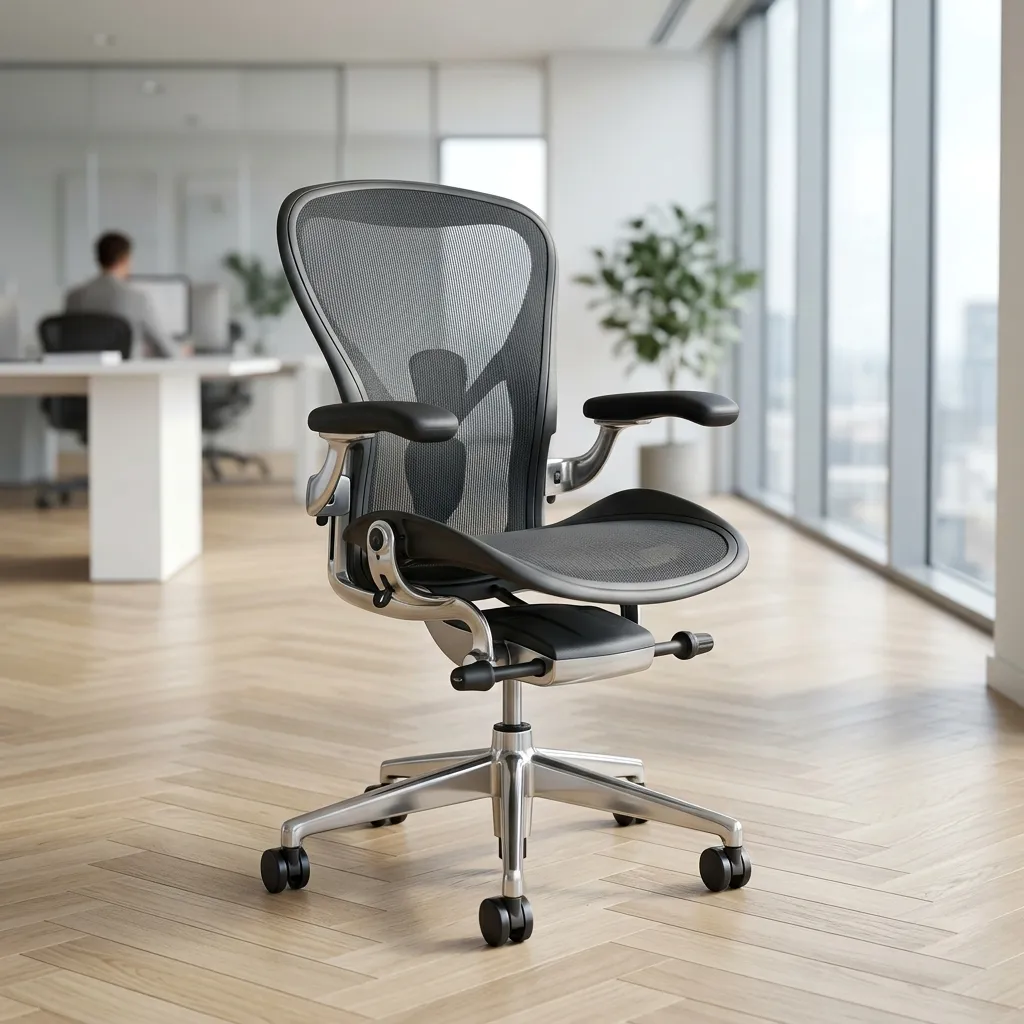
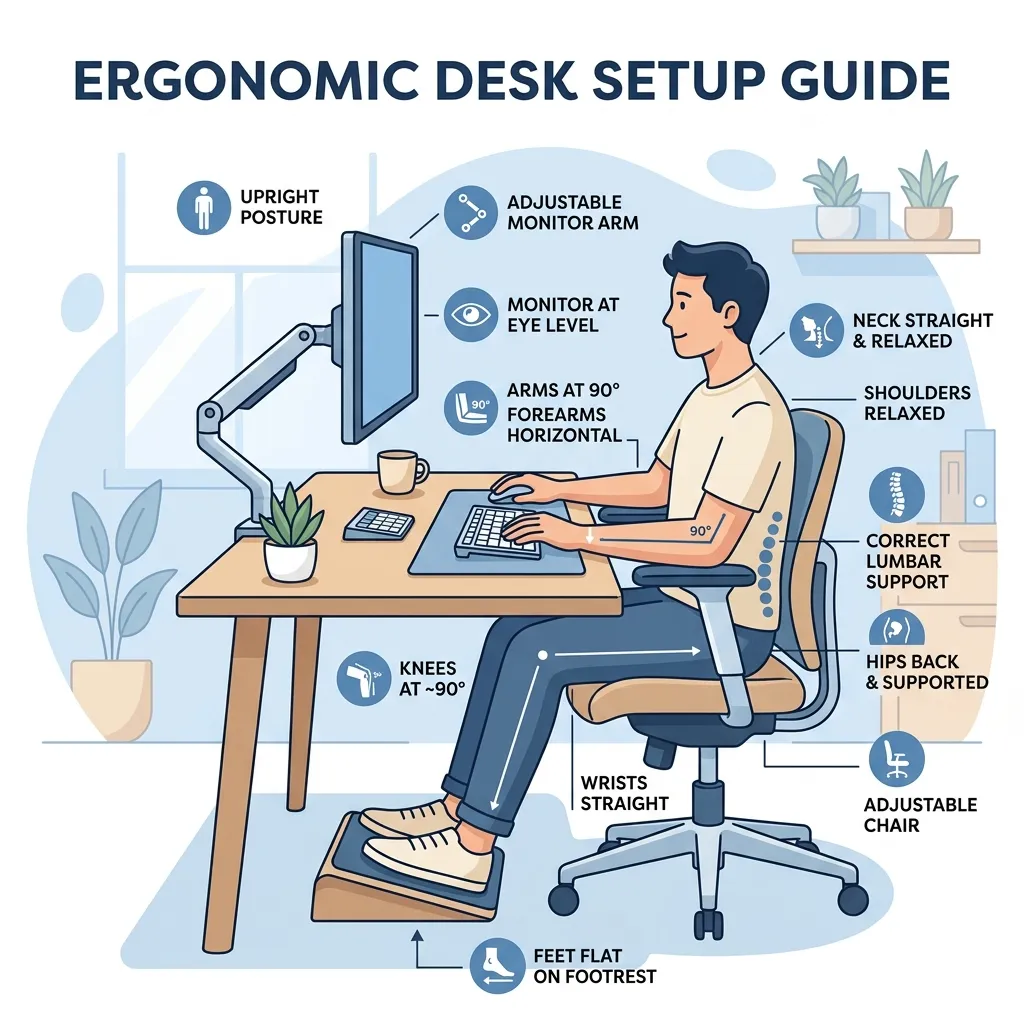
For those looking to choose mechanical keyboard switches, consider the overall setup ergonomics.
Additionally, explore ways to clean productivity desk setup for optimal performance.
Durability and Longevity
When comparing MDF and solid wood desktops, durability is a critical factor. Solid wood is renowned for its strength and resilience, often lasting for generations with proper care.
MDF, while not as strong as solid wood, can still offer decent durability, particularly when sealed properly. However, it is more susceptible to moisture damage, which can lead to warping or delamination.
In environments with high humidity, solid wood tends to perform better due to its natural ability to manage moisture. Conversely, MDF can deteriorate over time if exposed to damp conditions, reducing its lifespan.
Overall, solid wood desktops tend to be a long-term investment, while MDF may require replacement sooner, making it essential to consider the intended use and environmental factors when choosing between the two.
Maintenance and Care
Maintaining a desktop is crucial for its longevity, and the care requirements differ significantly between MDF and solid wood. Solid wood generally requires regular polishing and conditioning to prevent drying and cracking.
MDF, on the other hand, is easier to clean and maintain, often needing only a damp cloth for routine cleaning. However, its surface can be more prone to scratches and damage, requiring repairs if not handled carefully.
In terms of refinishing, solid wood can be sanded down and re-stained numerous times, providing flexibility for aesthetic updates. MDF, however, is limited in this regard, as sanding can compromise its structure.
Ultimately, the choice between the two should consider the desired level of maintenance and the potential for wear over time, influencing overall satisfaction with the desktop choice.
Cost Considerations
Cost is a significant factor in the decision-making process when selecting between MDF and solid wood desktops. Generally, MDF is more budget-friendly, making it an attractive option for cost-conscious consumers.
However, solid wood tends to be more expensive due to the quality of materials and craftsmanship involved in its production. This higher price can be justified by its longevity and durability, potentially offering better value in the long run.
It is essential to consider not only the initial purchase price but also the long-term costs associated with maintenance and potential replacement. Investing in a solid wood desktop may reduce the need for future expenditures.
For those on a tighter budget or who require a temporary solution, MDF can be a viable choice, but it’s crucial to weigh the long-term implications of durability and replacement costs.
Impact on Workspace Environment
The choice of desktop material can significantly affect the overall workspace environment. Solid wood is often associated with a warm, inviting aesthetic that can enhance the atmosphere of an office.
MDF, while versatile in design, may not provide the same organic feel, which could impact the comfort and appeal of the workspace. A well-chosen material can contribute to employee satisfaction and productivity.
Additionally, solid wood can improve air quality by regulating humidity levels, while MDF may emit volatile organic compounds (VOCs) over time, potentially affecting indoor air quality.
When considering the workspace environment, it is vital to factor in both the aesthetic appeal and health implications of the materials used, ensuring a balance between style and functionality.
Customizability and Personalization
Customizability is a key advantage when selecting a desktop for dual monitor setups. Solid wood desktops can be easily customized in terms of shape, size, and finish, allowing users to create a piece that fits their specific needs.
MDF can also be customized, particularly in terms of color and surface treatments, but it may lack the unique grain patterns and character that solid wood offers. This can limit personalization for users seeking a distinctive appearance.
Furthermore, solid wood can be crafted into various styles, from modern to rustic, without compromising structural integrity. MDF may be more suitable for contemporary designs but can struggle with traditional aesthetics.
For individuals looking for a unique or tailored workspace, solid wood provides the flexibility to create a truly personalized desktop that reflects personal style and enhances functionality.
Weight Distribution and Stability
Weight distribution is a critical aspect of desktop performance, particularly when using a dual monitor arm. Solid wood typically provides better weight distribution due to its natural density and structural integrity.
MDF, while sturdy, may not handle uneven weight distribution as effectively as solid wood, potentially leading to instability over time. This can be a concern for users with multiple heavy monitors.
In addition, solid wood’s intrinsic properties can help absorb vibrations and reduce wobbling, providing a stable platform for monitors. MDF may not offer the same level of support, especially if it is not adequately reinforced.
When setting up a dual monitor system, considering the stability and weight distribution capabilities of the chosen desktop material is crucial for ensuring a safe and functional workspace.
Resale Value and Market Demand
Resale value is an important consideration for many consumers when choosing a desktop material. Solid wood generally retains its value better than MDF, often appealing to buyers seeking quality furnishings.
MDF, being more affordable, may not command the same resale price, potentially leading to a loss in value over time. This factor can influence long-term investment decisions for consumers.
The market demand for solid wood furniture tends to be higher due to its durability and aesthetic appeal. In contrast, MDF may have a niche market, primarily appealing to budget-conscious consumers.
When considering the future resale potential, solid wood desks may provide a more promising avenue for recouping investment costs, making them a favorable choice for many buyers.
Installation and Setup Ease
When comparing MDF and solid wood desktops, the installation and setup processes can vary significantly. MDF is generally lighter than solid wood, making it easier to handle during installation, especially for dual monitor arms that require precise positioning and support.
Furthermore, MDF typically comes with pre-drilled holes and a more uniform surface, allowing for straightforward attachment of hardware. This can significantly reduce the complexity and time required for setup compared to solid wood, which may necessitate additional tools and skills for drilling and fastening.
Solid wood desktops may require more careful handling to avoid damage during installation, as their heavier weight can lead to strain or accidental drops. Proper alignment is crucial to ensure the stability of the dual monitor arm, adding another layer of complexity to the setup process.
In terms of user-friendliness, MDF offers a more accessible option for individuals who may not have extensive experience with furniture assembly. This ease of installation can make MDF a preferred choice for those seeking a quick and efficient setup for their dual monitor workstations.
Compatibility with Accessories
When selecting a desktop for dual monitor arms, compatibility with various accessories is an essential consideration. MDF typically features a more consistent thickness and surface finish, which can facilitate easy attachment of monitor arms and other peripherals.
Additionally, the uniform nature of MDF allows for better integration with cable management systems, ensuring that cords and wires remain organized and out of sight. This can enhance the overall aesthetic of the workspace while also contributing to a clutter-free environment.
Solid wood, while aesthetically pleasing, may present challenges in terms of compatibility with certain accessories. Variations in wood grain and thickness can affect how well monitor arms attach, potentially leading to instability or misalignment over time.
Ultimately, users should assess how well their chosen desktop material aligns with their accessory needs, as this can impact both functionality and the overall user experience in a dual monitor setup.
Acoustic Properties
Acoustic properties are an often-overlooked factor in the choice between MDF and solid wood desktops. MDF has sound-dampening qualities due to its dense composition, which can help minimize noise generated from typing or other activities on the desk.
This can be particularly beneficial in shared workspaces or home offices where sound transmission may be a concern. By reducing noise levels, MDF can contribute to a more focused and less distracting working environment.
In contrast, solid wood may resonate more due to its natural grain structure, which can amplify sound rather than dampen it. This characteristic may not be ideal for users who prioritize a quiet workspace or those who engage in frequent phone calls or virtual meetings.
When selecting a desktop, considering the acoustic properties can enhance user comfort and productivity, especially in environments where noise control is essential.
Impact on User Productivity
The choice between MDF and solid wood desktops can significantly influence user productivity in a dual-monitor setup. Solid wood offers a more stable surface that may reduce vibrations and distractions, allowing for better focus during work tasks.
On the other hand, MDF can be engineered for specific performance characteristics that might enhance certain workflow aspects. Moreover, the aesthetic appeal of solid wood can create a more inviting workspace, potentially improving mood and motivation.
However, MDF desktops can be customized with finishes that mimic wood grain, offering a balance between aesthetics and affordability. Understanding these factors can help users make informed decisions that align with their productivity goals.
Additionally, the weight capacity of the desktop directly correlates with the ability to support heavier equipment like dual monitors, which can affect workflow efficiency. If the desktop cannot handle the weight, users may experience instability, leading to interruptions and distractions during work hours.
Ensuring that the chosen material meets the required specifications is crucial for maintaining a productive environment. Finally, the ergonomic setup of a dual-monitor arm can also influence productivity. Properly configured dual monitors can enhance multitasking capabilities, and the stability provided by the desktop material plays a vital role in achieving this setup.
Environmental Considerations
When evaluating MDF and solid wood desktops, environmental impact is an essential factor to consider. Solid wood is often perceived as a more sustainable choice, particularly if sourced from responsibly managed forests. The renewable nature of wood can significantly reduce the carbon footprint associated with desk manufacturing.
Conversely, MDF is typically made from wood fibers and recycled materials, which can lessen the demand for virgin timber. However, the production process for MDF often involves adhesives and chemicals that may have environmental implications.
Understanding the source and manufacturing processes of both materials can help consumers make more eco-conscious decisions. Additionally, the lifecycle of the product plays a critical role in its environmental impact.
Solid wood furniture can often be repaired or refinished, extending its lifespan and reducing waste. In contrast, MDF may not have the same longevity due to its susceptibility to damage from moisture and wear, leading to more frequent replacements.
Finally, awareness of local regulations regarding sustainable materials can guide consumers in their choices. Certifications such as FSC (Forest Stewardship Council) for wood products or low-VOC emissions for MDF can provide assurance that the materials used align with environmental standards.
Frequently Asked Questions
What is the main difference between MDF and solid wood?
MDF is made from wood fibers, while solid wood is sourced directly from trees, leading to differences in strength and weight capacity.
How much weight can a standard dual monitor arm support?
Most dual monitor arms support between 10 to 15 kg per monitor, but checking the specific model’s specifications is crucial.
Is MDF suitable for heavy-duty use?
MDF can handle moderate use but is not recommended for heavy-duty applications due to potential flexing and warping.
Can solid wood desktops be customized?
Yes, solid wood desktops can be customized in terms of size, finish, and design, making them versatile for various setups.
Are there any health benefits to choosing solid wood?
Solid wood desks tend to vibrate less and provide a more stable surface, which can enhance comfort and reduce strain during extended use.