MDF vs Solid Wood Desktop: Which is Better for Your Desk Setup?

MDF vs Solid Wood Desktop: Which is Better for Your Desk Setup?
Choosing between MDF and solid wood for a desktop primarily depends on budget, aesthetics, and durability needs.
Material Composition
MDF (Medium-Density Fiberboard) is crafted from wood fibers bonded with adhesive under heat and pressure, making it denser than solid wood. Solid wood, derived from trees, offers natural grain patterns and unique characteristics that enhance aesthetic appeal.
Durability and Longevity
Solid wood desks tend to outlast MDF options due to resistance against warping and moisture. High-quality MDF can provide adequate durability if properly maintained and sealed, but it may not match the longevity of solid wood.
Weight and Portability
MDF desktops are generally lighter than solid wood, making them easier to transport and maneuver. This aspect is especially advantageous for setups that may require frequent reconfiguration.
Cost Considerations
MDF is typically more affordable than solid wood, making it a practical choice for budget-conscious consumers. The price of solid wood varies significantly based on species, with options ranging from economical to premium.
Ergonomics and Comfort
Both materials can be designed to accommodate ergonomic needs, but solid wood often provides a more stable and comfortable surface. The choice of desktop thickness and finish can also impact overall user comfort during prolonged usage.
| Feature | MDF | Solid Wood |
|---|---|---|
| Weight | Lightweight | Heavy |
| Cost | Lower | Higher |
| Durability | Moderate | High |
| Maintenance | Easy | Varies |
| Aesthetic Appeal | Uniform | Unique |
DomineTec Tip: Regularly adjust chair height and desk position to maintain a neutral wrist posture while typing.
- Determine budget constraints to narrow down material options.
- Evaluate the desk's intended use to assess durability needs.
- Consider design preferences and how they align with overall room aesthetics.
- Research brands that offer warranties and high-quality finishes.
- Test ergonomics by sitting at potential desks to gauge comfort.
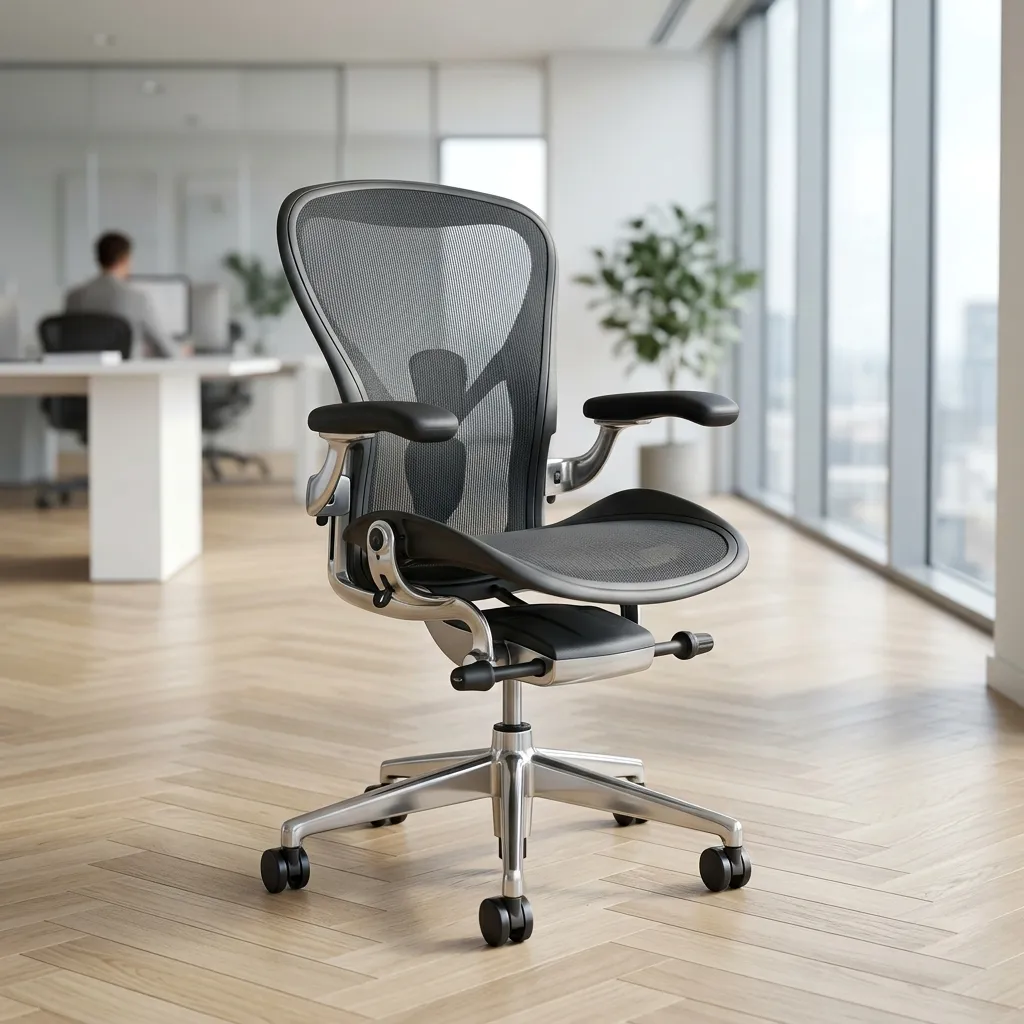
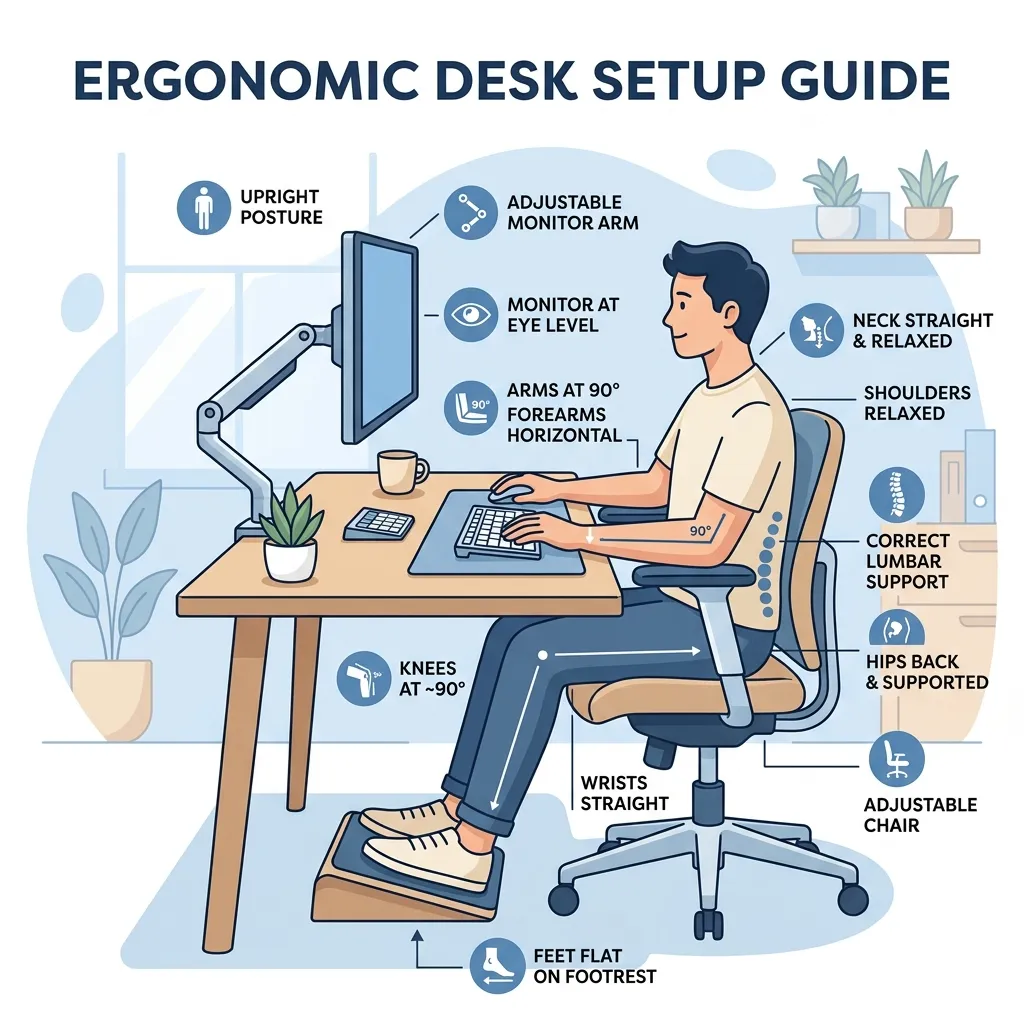
For further enhancement of your workspace, consider how to choose mechanical keyboard switches or explore options for an ergonomic office chair.
Environmental Impact
Choosing between MDF and solid wood for a desktop involves considering their environmental footprints. Solid wood is typically sourced from sustainably managed forests, which can be beneficial for biodiversity and ecosystem health.
MDF is made from wood fibers, glue, and other additives, and its production process can be energy-intensive. The sourcing of materials for MDF can also involve the use of non-renewable resources, impacting its overall sustainability.
Recycling and disposal are additional factors. Solid wood can decompose naturally, while MDF can release harmful chemicals when burned or disposed of improperly. Therefore, the end-of-life considerations for each material are crucial for environmentally conscious consumers.
Ultimately, the choice may depend on individual values regarding sustainability, with solid wood generally viewed as the more eco-friendly option if sourced responsibly.
Maintenance Requirements
Maintenance is a critical aspect to consider when choosing between MDF and solid wood desktops. Solid wood often requires regular upkeep, including polishing and conditioning to prevent drying and cracking.
MDF is typically easier to maintain due to its smooth surface, which does not require polishing. However, it is more susceptible to water damage, necessitating immediate cleanup of spills to avoid swelling and warping.
Solid wood can be refinished multiple times throughout its life, while MDF cannot be sanded or stained effectively due to its composite nature, limiting its longevity in terms of aesthetic maintenance.
The decision on maintenance should align with the user's willingness to invest time and resources in care, as solid wood often demands more attention than MDF.
Appearance and Aesthetics
Aesthetics can significantly influence the choice between MDF and solid wood for a desktop. Solid wood is often favored for its natural beauty, featuring unique grain patterns and rich colors that can enhance the overall look of a workspace.
MDF, while available in a variety of finishes, typically lacks the organic visual appeal of solid wood. It can mimic the appearance of wood with veneers, but the feel and warmth of real wood are often absent.
Moreover, solid wood can be easily customized through staining or painting, allowing for a broader range of design possibilities. MDF, while also customizable, often requires more effort to achieve the desired finish due to its composition.
For those prioritizing aesthetics in their desk setup, solid wood may emerge as the more attractive option, providing a timeless look that complements various interior design styles.
Sound Absorption and Acoustics
Another aspect to consider is the sound absorption qualities of MDF versus solid wood. Solid wood generally offers better acoustic properties, helping to dampen noise in a workspace environment due to its denser structure.
MDF also provides sound insulation, but its performance can vary based on thickness and density. For individuals working in noisy environments, a solid wood desktop may contribute to a quieter atmosphere, enhancing focus and productivity.
Additionally, the sound produced by tapping or sliding objects on a solid wood surface tends to be softer compared to the sharper sounds often associated with MDF. This can create a more pleasant auditory experience in a home or office setting.
When considering acoustics in a workspace, solid wood may be the preferable option for individuals sensitive to noise or those seeking a more serene environment.
Customization Options
Customization options represent another critical factor when comparing MDF and solid wood desktops. Solid wood offers extensive possibilities for customization, including various shapes, sizes, and finishes tailored to individual preferences.
MDF, while also customizable, may have limitations due to its composite nature. It can be shaped and painted, but achieving intricate designs may be more challenging compared to solid wood.
Furthermore, solid wood can be easily modified with hardware attachments or additional features, such as built-in cable management systems, without compromising structural integrity. MDF, while versatile, may not support heavy attachments as effectively.
For those desiring a bespoke desk setup that reflects personal style, solid wood often stands out as the superior choice due to its adaptability and potential for intricate design work.
Health Considerations
Health implications associated with MDF and solid wood are vital, especially concerning indoor air quality. MDF often contains formaldehyde and other volatile organic compounds (VOCs), which can off-gas and affect air quality in enclosed spaces.
In contrast, solid wood is generally considered safer, as it is a natural material and does not emit harmful chemicals in the same way as MDF. However, the treatment and finishing processes for solid wood can introduce VOCs if not carefully chosen.
Individuals with sensitivities or allergies may prefer solid wood for its lower risk of chemical exposure. Additionally, the choice of finishes and coatings on solid wood can further influence health considerations.
For a healthier workspace, consumers should be informed about the materials and finishes used in their desk setup, opting for products with low VOC emissions whenever possible.
Resale Value and Investment
The potential resale value of a desktop can also influence the choice between MDF and solid wood. Solid wood furniture often retains a higher resale value due to its durability and timeless appeal, making it a more attractive long-term investment.
MDF, while more affordable initially, typically depreciates at a faster rate. Its composite nature and susceptibility to damage can deter potential buyers, impacting resale prospects.
Moreover, solid wood pieces can be refinished or repurposed, enhancing their longevity and market appeal. In contrast, once an MDF desk shows signs of wear, it may be challenging to restore its original condition.
For individuals considering their desk as a long-term investment, solid wood often proves to be the more financially sound choice, offering both aesthetic and economic benefits over time.
Thermal Stability and Resistance
Thermal stability is a significant factor when considering desktop materials, especially in environments with fluctuating temperatures. MDF tends to have better thermal stability than solid wood due to its engineered composition, which minimizes expansion and contraction.
Solid wood, while beautiful and robust, can warp or crack when exposed to extreme heat or humidity, potentially affecting the functionality of the desk. Choosing a material with better thermal resistance can enhance the longevity of your desk setup, particularly in regions with diverse climatic conditions.
Installation and Setup Complexity
The complexity of installation and setup can vary significantly between MDF and solid wood desktops, impacting user convenience. MDF is typically lighter and easier to handle, making it simpler to install, particularly for individuals who may not have extensive woodworking skills.
Solid wood desktops, on the other hand, often require more careful handling and precise installation techniques due to their weight and the need for additional support structures. Considering the installation process is vital for those who value quick setup and mobility in their workspace arrangements.
Compatibility with Office Equipment
The compatibility of desktops with office equipment is an essential consideration for achieving an efficient workspace. MDF surfaces often come with finishes that are optimized for various office equipment, including monitors and printers, minimizing the risk of damage.
Solid wood, while aesthetically pleasing, may not always provide the same level of compatibility due to its natural characteristics and varying finishes. Assessing how well each material interacts with office technology can help ensure that your desk setup remains functional and visually appealing over time.
Functionality and Usability
The functionality of a desktop plays a crucial role in its overall usability, especially in a workspace environment. Solid wood desktops tend to offer a more robust surface that can withstand heavy usage, making them ideal for those who require a durable workspace for writing, typing, or crafting.
MDF desktops often come with a smoother finish, providing an easier surface for writing or drawing. However, users may find that over time, MDF can show wear and tear more quickly than solid wood, particularly in high-use areas.
Another consideration is the potential for customization in relation to functionality. Solid wood desktops can be shaped and modified to accommodate various office needs, including cutouts for cable management or ergonomic adjustments. Meanwhile, MDF can also be customized but may have limitations in terms of structural integrity when modified.
Ultimately, the choice between solid wood and MDF in terms of functionality will depend on individual user needs, usage patterns, and preferences for durability versus smoothness of finish.
Impact on Productivity
The impact of a desktop material on productivity can be subtle yet significant. A solid wood desktop is often associated with a classic and professional aesthetic, which may enhance the overall mood and mindset of the workspace, potentially leading to increased productivity.
Conversely, while MDF can be equally functional, its appearance may not evoke the same level of professional ambiance. This can influence a user's psychological state, where the feel of a higher-quality wood surface may encourage more focused and engaged work.
Additionally, the tactile experience of working on different materials can affect comfort and concentration levels. Solid wood typically offers a warmer touch, which can create a more inviting atmosphere, while MDF may feel cooler and less personal.
Furthermore, the organization of the workspace, facilitated by a desktop's design and material, can significantly influence productivity. A well-structured and aesthetically pleasing desktop surface, whether made of solid wood or MDF, can lead to a more organized and effective work environment, ultimately enhancing focus and output.
Cleaning and Hygiene
When considering a desktop material, the ease of cleaning and hygiene factors play a significant role in long-term maintenance. MDF surfaces can be easily wiped down with a damp cloth and mild soap, making them suitable for environments where spills or dust accumulation may occur frequently.
In contrast, solid wood desktops may require more careful handling, as certain cleaning agents can damage the finish or penetrate the wood, leading to potential stains or degradation. While MDF is generally resistant to moisture, prolonged exposure to liquids can cause swelling or warping, highlighting the importance of immediate cleaning in both materials.
Heat Resistance and Performance
Heat resistance is a critical consideration for any desktop material, particularly for users who may rely on hot equipment like laptops or gaming consoles. Solid wood offers a natural resistance to heat, allowing it to withstand higher temperatures without warping or losing structural integrity.
Conversely, MDF is more susceptible to heat damage, as excessive warmth can lead to delamination or softening of the material over time. Individuals with a heavy reliance on electronic devices should weigh these factors when selecting between MDF and solid wood for their desk setup.
Technological Integration
As workspaces evolve, the integration of technology into desktop surfaces becomes increasingly important. Desks made from solid wood may lack built-in features that accommodate modern tech needs, such as cable management systems or integrated power outlets.
MDF desktops can be designed with specific features that support technology, making them more suitable for contemporary office setups. This can include channels for cables, recessed areas for wiring, and even built-in charging stations.
Furthermore, the flat and uniform surface of MDF allows for easier installation of accessories like monitor mounts or keyboard trays, enhancing the overall functionality of the workspace. Solid wood, while aesthetically pleasing, may require additional hardware to achieve similar results.
Considering future technological advancements, selecting a desktop that can easily adapt or incorporate these innovations is crucial for maintaining an efficient and organized workspace.
Impact on Work-Life Balance
The choice between MDF and solid wood desktops can significantly influence an individual's work-life balance. A well-designed workspace contributes not only to productivity but also to overall well-being.
Studies indicate that a comfortable and aesthetically pleasing desk can reduce stress levels and promote longer, more focused work sessions. Solid wood desks often provide a warm, natural feel that can enhance mood and satisfaction during work hours.
Conversely, MDF desktops can be engineered to incorporate ergonomic features that promote better posture, potentially reducing discomfort and fatigue. This ergonomics-focused approach can lead to a more sustainable work-life balance.
Ultimately, the right choice of desktop material can create a space that feels inviting and functional, allowing for a seamless transition between work and personal time. This holistic consideration is essential in today’s fast-paced work environment.
Frequently Asked Questions
Is MDF suitable for heavy equipment?
MDF can support moderate weight but may not be ideal for very heavy equipment without proper support.
Can solid wood desktops warp?
Solid wood can warp under extreme humidity changes, but proper care minimizes this risk.
What is the lifespan of an MDF desk?
With proper maintenance, an MDF desk can last around 5-10 years, depending on usage.
How can I maintain a solid wood desktop?
Regular polishing and avoiding excessive moisture will help maintain a solid wood surface.
Are there eco-friendly options for MDF?
Yes, many manufacturers offer MDF made from recycled materials and low-VOC adhesives for a more sustainable choice.