MDF Desktops for Home Office: Thickness, Weight Capacity and Durability
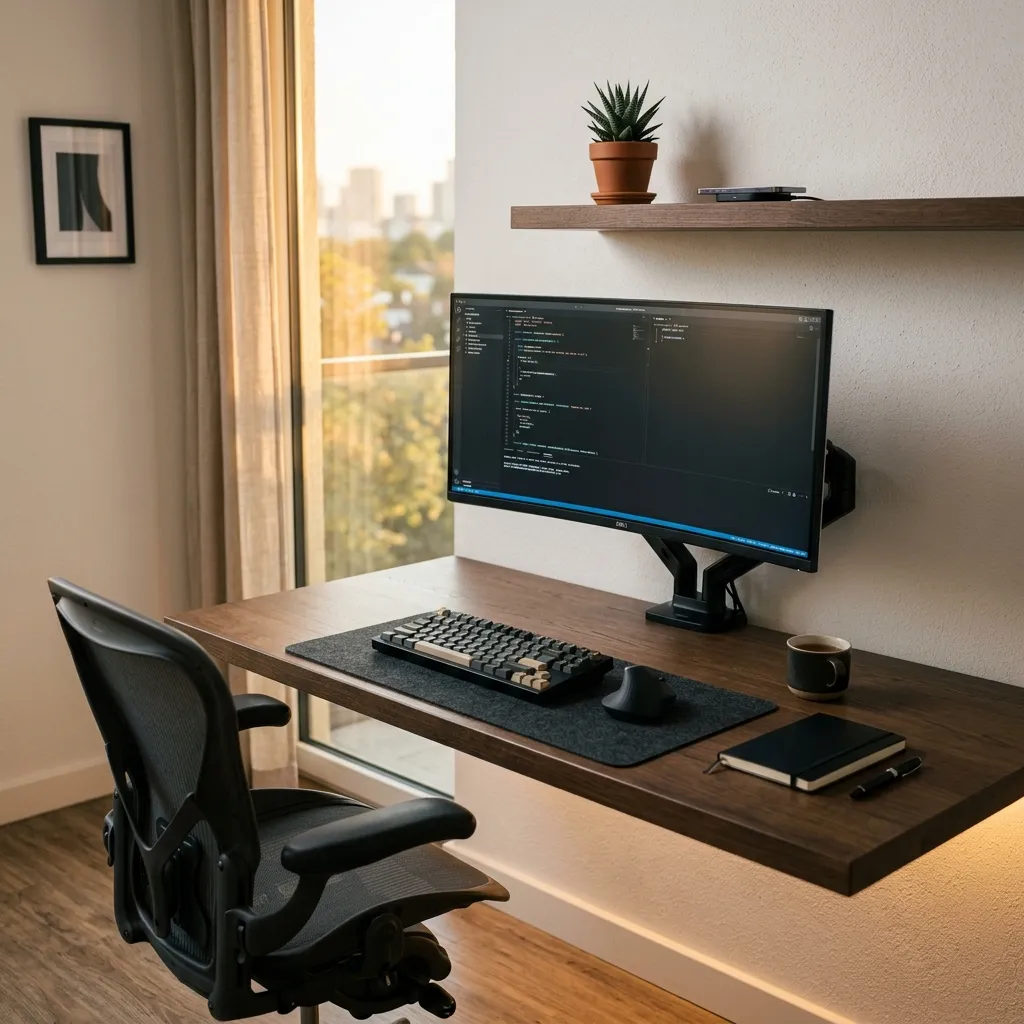
MDF desktops offer an optimal blend of thickness, weight capacity, and durability for home office setups.
Understanding MDF Composition
MDF, or Medium-Density Fiberboard, is engineered from wood fibers combined with adhesives under heat and pressure. This process results in a dense, smooth surface ideal for desktops.
Thickness and Its Impact on Stability
Common MDF thicknesses range from 15mm to 25mm, significantly affecting stability and support. Thicker desktops generally provide better resistance to bending under weight.
Weight Capacity Considerations
MDF desktops can typically support up to 60 kg when properly mounted on a sturdy frame. Proper weight distribution is crucial for maintaining structural integrity over time.
Durability and Longevity Factors
High-quality MDF desktops can last over a decade if maintained correctly, resisting warping and moisture damage. Regular sealing and protective coatings enhance their lifespan.
Ergonomics in Desktop Design
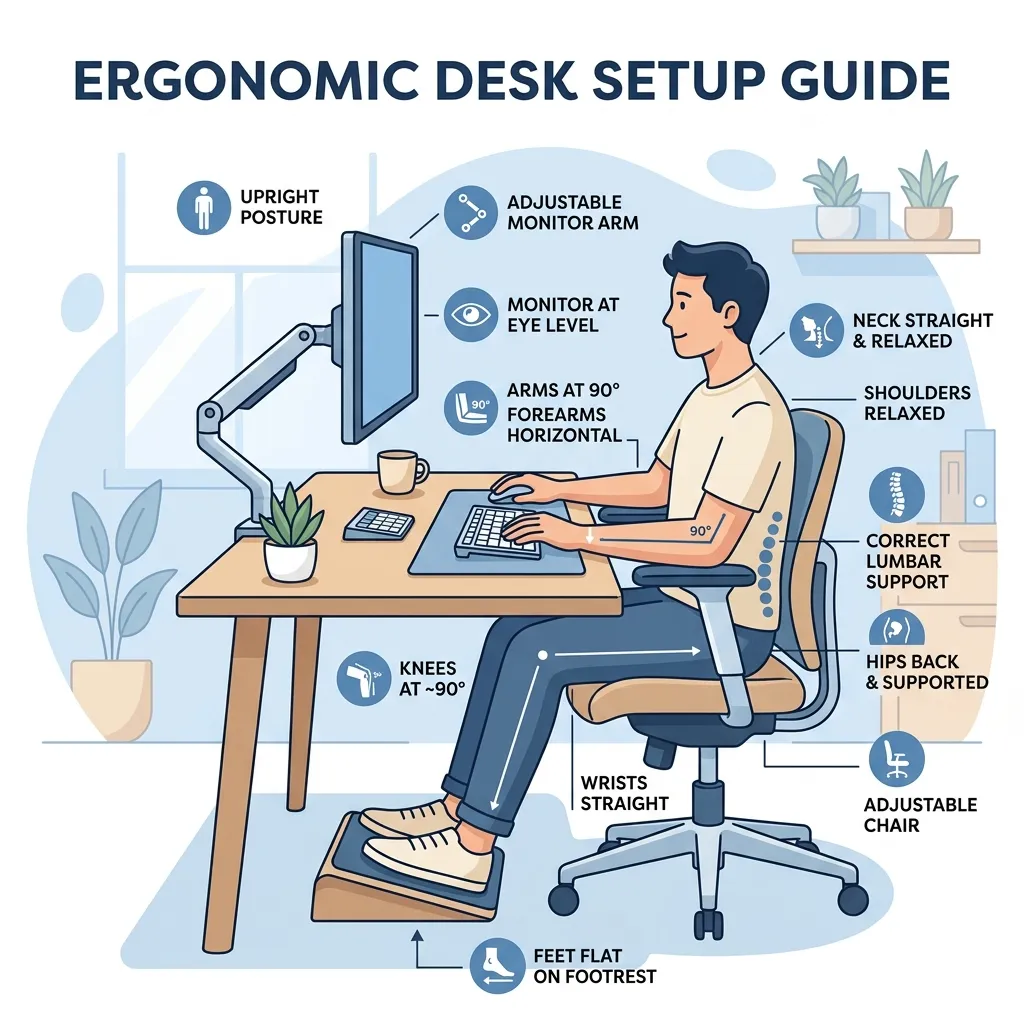
An ergonomic MDF desktop should complement chair height and monitor positioning to promote healthy posture. Adjustable height options can greatly improve user comfort during extended use.
| Brand | Thickness (mm) | Weight Capacity (kg) | Durability Rating |
|---|---|---|---|
| Brand A | 18 | 50 | 8/10 |
| Brand B | 25 | 80 | 9/10 |
| Brand C | 20 | 60 | 7/10 |
DomineTec Tip: Adjust monitor height so the top of the screen is at or just below eye level to reduce neck strain.
- Choose an MDF desktop with a thickness of at least 20mm for improved stability.
- Ensure the weight capacity meets the needs for equipment and accessories.
- Consider a finish that protects against moisture and scratches.
- Opt for a design that can be adjusted to suit various seated positions.
- Test the surface for smoothness and suitability for attaching accessories.
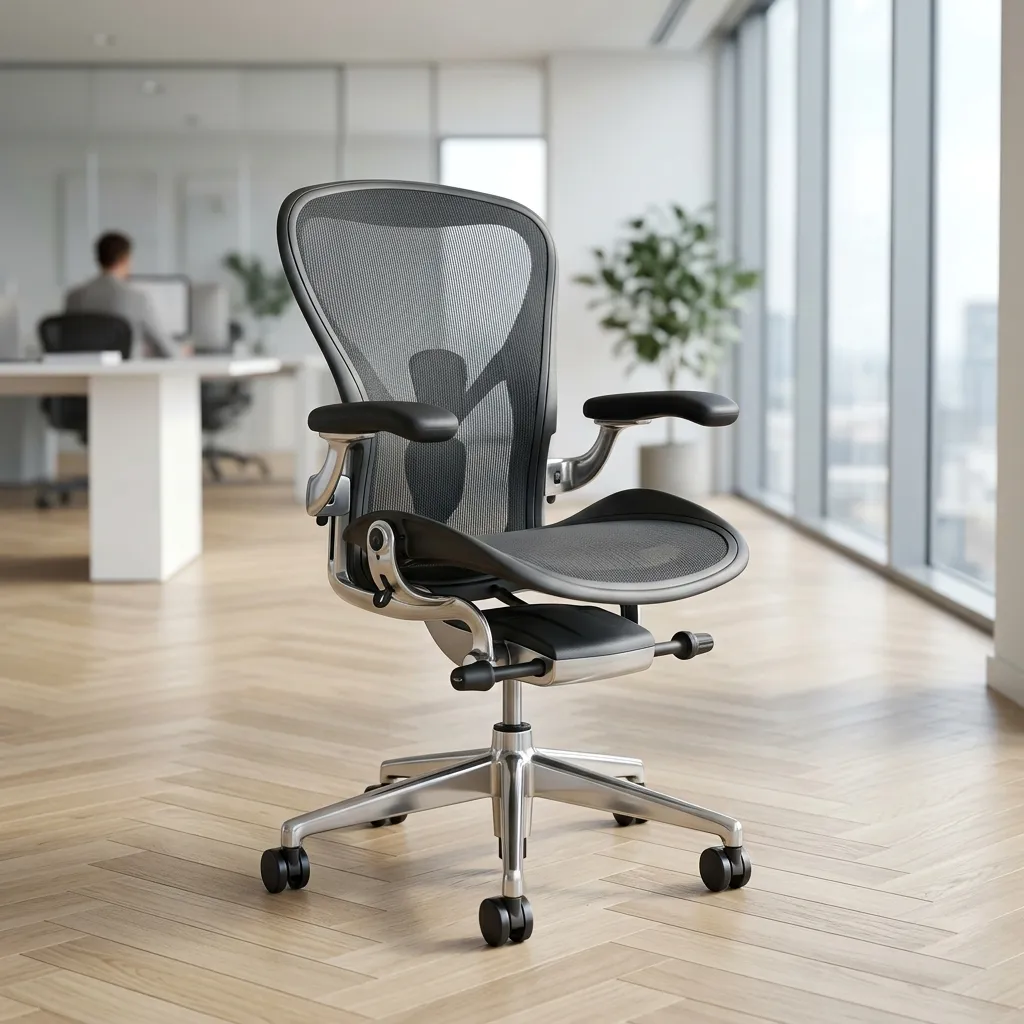
For optimal typing comfort, choose mechanical keyboard switches that suit personal preferences. Pair an ergonomic MDF desktop with a top-rated ergonomic office chair for maximum efficiency.
Environmental Impact of MDF Production
The production of Medium Density Fiberboard (MDF) has significant environmental implications. MDF is primarily made from wood fibers, which are often sourced from fast-growing tree species, but the overall sustainability of these practices can vary.
Furthermore, the adhesives and resins used in MDF production may release volatile organic compounds (VOCs), which can be harmful to indoor air quality. Manufacturers are increasingly focusing on low-VOC adhesives to mitigate these effects.
Recycling and waste management practices also play a critical role in the environmental footprint of MDF. Many companies are developing methods to reclaim MDF waste, reducing landfill contributions.
Consumers are encouraged to consider the sourcing of MDF products, opting for those certified by organizations that promote sustainable forestry practices, such as the Forest Stewardship Council (FSC).
Cost-Effectiveness of MDF Desktops
MDF desktops are often more affordable than solid wood options, making them a popular choice for home office setups. The cost-effectiveness is primarily due to the lower price of raw materials and manufacturing processes.
While the initial investment in MDF may be lower, potential long-term costs must be considered. For instance, if durability issues arise leading to frequent replacements, overall costs may increase.
Additionally, the aesthetic versatility of MDF allows for various finishes, which can appeal to different design preferences without significantly increasing costs. This adaptability can save money on customization.
Home office owners should weigh the cost against the desired lifespan and aesthetic needs, ensuring that they choose MDF products that align with their budget and functional requirements.
Finishing Options for MDF Desktops
The finishing process for MDF desktops greatly influences their appearance and usability. Common finishing options include paint, veneer, and laminate, each offering unique benefits and drawbacks.
Painting MDF is a popular choice due to its smooth surface, which provides excellent adhesion. However, proper preparation, including priming, is essential to prevent the paint from chipping or peeling over time.
Veneering MDF with real wood can enhance its aesthetic appeal while maintaining the cost benefits of MDF. This option allows users to achieve the look of solid wood without the associated price tag.
Laminate finishes provide a durable and water-resistant surface, ideal for busy home offices. However, they may not offer the same level of repairability as other finishes, necessitating careful consideration of usage.
Comparative Analysis: MDF vs. Other Materials
When selecting a material for desktops, MDF must be compared to alternatives such as particleboard, plywood, and solid wood. Each material has distinct characteristics that may suit different needs.
Particleboard is generally less expensive than MDF, but it lacks the same level of strength and durability. This can be a critical factor for users requiring stable work surfaces.
Plywood, while more robust than MDF, often comes at a higher price point. Its layered construction provides excellent stability, making it suitable for heavier loads, but it may not offer the same smooth finish as MDF.
Solid wood is prized for its aesthetic appeal and longevity but can be significantly more costly. Users should evaluate their specific requirements, including budget, aesthetics, and expected use, before making a decision.
Maintenance Tips for MDF Desktops
Proper maintenance of MDF desktops can significantly extend their lifespan. Regular cleaning with a damp cloth is essential to remove dust and prevent moisture accumulation, which can lead to warping.
Users should avoid using harsh chemicals or abrasive cleaners, as these can damage the surface finish and compromise the integrity of the MDF. Mild detergents are generally recommended for cleaning.
In addition to cleaning, users should inspect their desktops periodically for signs of wear or damage. Early detection of issues such as chipping or swelling can facilitate timely repairs.
Applying a protective coating, such as a sealant or varnish, can also enhance durability and resistance to moisture and stains, further preserving the desktop’s appearance and functionality.
Innovative Uses of MDF in Home Offices
MDF desktops are not only functional but also lend themselves to creative applications in home office environments. Custom designs can transform a simple workspace into a personalized haven.
For instance, MDF can be utilized for built-in shelving or cabinetry, providing additional storage solutions without sacrificing style. This integration can lead to a more organized and efficient workspace.
Furthermore, the versatility of MDF allows for unique shapes and configurations that can cater to specific needs, such as L-shaped desks for corner spaces or height-adjustable options for improved ergonomics.
These innovative uses demonstrate that MDF is not just a budget-friendly choice but also a material that can enhance the overall functionality and aesthetics of a home office.
Future Trends in MDF Desktop Design
As technology and design preferences evolve, MDF desktop manufacturing is also adapting to meet new demands. Current trends include the incorporation of smart technology into desk designs, facilitating a more integrated workspace.
Sustainability continues to be a significant focus, with manufacturers exploring eco-friendly materials and production processes. This shift aims to reduce environmental impact while meeting consumer demand for responsible products.
Additionally, customizable options are becoming increasingly popular, allowing consumers to tailor their desktops to specific needs, including integrated cable management systems and ergonomic features.
These trends reflect a broader movement toward creating functional, sustainable, and aesthetically pleasing office environments that enhance productivity and well-being.
Customizability and Aesthetic Appeal
MDF desktops offer a high degree of customizability, allowing users to choose from various shapes, sizes, and finishes to fit their home office aesthetics. This adaptability makes MDF an ideal choice for creating a personalized workspace that reflects individual tastes and preferences.
Additions such as edges, grooves, and inlays can enhance the visual appeal of MDF desktops, providing a unique touch that differentiates them from standard options. The ability to paint or laminate MDF surfaces further expands the design possibilities, making it easier to coordinate with existing furniture and decor.
Acoustic Properties of MDF Desktops
The acoustic properties of MDF can significantly enhance the home office environment by reducing noise levels. MDF's dense composition helps in sound absorption, creating a quieter workspace that can improve focus and productivity.
For those working from home, this can be particularly beneficial in minimizing distractions from surrounding activities. Incorporating sound-dampening features into MDF desktops can further optimize the acoustic benefits, making them a smart choice for busy home offices.
Health and Safety Considerations
When selecting MDF desktops, it is crucial to consider the potential health implications associated with formaldehyde emissions. Modern MDF products often comply with stringent safety standards, which can reduce the risk of harmful emissions in indoor environments.
Choosing low-emission or certified MDF can provide peace of mind regarding indoor air quality, especially in small or enclosed workspaces. Additionally, ensuring proper finishing and sealing can mitigate any residual emissions, further promoting a safe home office atmosphere.
Integration with Technology
MDF desktops can be designed to accommodate various technological setups, including cable management solutions and integrated power outlets. This integration helps maintain a clean and organized workspace, reducing clutter associated with cords and devices.
Moreover, MDF can support the installation of ergonomic devices like adjustable monitor stands and keyboard trays, enhancing overall usability. As technology continues to evolve, MDF desktops can adapt to incorporate smart features that promote an efficient and functional workspace.
Impact of Surface Finish on Functionality
The surface finish of MDF desktops significantly influences their functionality and user experience. A well-applied finish not only enhances the aesthetic appeal but also provides a protective barrier against moisture, stains, and scratches.
Various types of finishes, such as laminate, varnish, or paint, can alter the desktop's usability. For instance, a matte finish may reduce glare from screens, while a glossy finish can enhance color vibrancy but might reflect light excessively.
Furthermore, the choice of finish can affect the surface's friction properties. A smoother surface may facilitate mouse movement for gamers or graphic designers, while a textured finish can enhance grip for writing or drawing tasks.
Regular maintenance of the surface finish, including cleaning and reapplying protective layers, is essential for preserving the desktop's integrity and extending its lifespan.
Adaptability of MDF Desktops for Diverse Work Environments
MDF desktops are versatile and can be adapted to various work environments, catering to different needs and preferences. Their ability to blend seamlessly into both modern and traditional office settings makes them a popular choice.
For remote workers, MDF desktops can be customized in size and shape to fit limited spaces, ensuring that even small home offices are functional and stylish. Options such as corner desks or adjustable-height models enhance usability in constrained areas.
In collaborative settings, MDF desktops can be configured for multi-user stations, allowing for flexible arrangements that promote teamwork. Their lightweight nature also facilitates easy reconfiguration as workspace needs evolve.
Moreover, the ease of customization extends to color and texture, enabling users to create a workspace that reflects their personal style while still maintaining professional functionality.
Storage Solutions for MDF Desktops
MDF desktops can be effectively paired with various storage solutions to enhance organization in home offices. These solutions include built-in drawers, shelving units, and modular storage systems that complement the sleek design of MDF.
When selecting storage options, it is crucial to consider the weight capacity of both the desktop and the storage units. Properly distributed weight ensures stability and prevents any deformation of the MDF over time.
Integrated storage not only maximizes space efficiency but also contributes to a cleaner workspace. This can lead to improved productivity, as a well-organized environment minimizes distractions.
Customizable storage solutions that match the MDF finish can enhance the overall aesthetic appeal of a home office. Cohesive design elements create a more professional appearance, important for those working from home.
Understanding the Role of Finish in MDF Desktops
The finish applied to MDF desktops plays a crucial role in their overall performance and aesthetics. Different finishes can impact both the visual appeal and the durability of the surface.
Common finishes include veneers, laminates, and lacquers, each offering unique benefits. For instance, laminates are often more resistant to scratches and moisture, making them ideal for high-use environments.
Additionally, the choice of finish can affect the ease of cleaning and maintenance. Smooth finishes typically allow for easier wipe-downs, while textured surfaces might require more effort to maintain.
Ultimately, selecting the right finish involves balancing aesthetic preferences with practical considerations, ensuring that the desktop not only looks good but also meets the demands of daily use.
Versatility of MDF Desktops in Home Office Configurations
MDF desktops offer remarkable versatility, making them suitable for various home office configurations. Whether in a compact apartment or a spacious home office, MDF can adapt to different spatial requirements. This adaptability is crucial as remote work becomes increasingly popular.
The ability to customize the size and shape of MDF desktops allows users to create functional workspaces tailored to their specific needs. Corner desks, L-shaped configurations, or traditional rectangular designs can all be achieved with MDF, providing flexibility in layout.
Moreover, the lightweight nature of MDF facilitates easy relocation and reconfiguration. Users can easily move their desks to accommodate changing needs or preferences, promoting a dynamic work environment. This feature is particularly beneficial for those who frequently rearrange their spaces.
Additionally, MDF's compatibility with various mounting hardware enhances its versatility. Users can integrate shelves, monitors, and other accessories, effectively maximizing workspace efficiency without compromising design aesthetics.
The Role of MDF Desktops in Modern Home Office Aesthetics
MDF desktops have increasingly become a preferred choice for modern home office aesthetics due to their sleek finish and customizable designs. The smooth surface of MDF allows for an array of finishes, including laminates and paints, enabling users to match their desks with existing décor.
Incorporating MDF desktops into home office designs can elevate the overall aesthetic appeal of the workspace. Their clean lines and contemporary look can contribute to a cohesive design, enhancing the home office's visual harmony.
Furthermore, the ability to create bespoke designs means that MDF desktops can serve as statement pieces in a room. Unique shapes, colors, and finishes can reflect personal style while maintaining functionality, making the desk a focal point in the office.
As home offices continue to blend with living spaces, the aesthetic versatility of MDF desktops plays a vital role in creating environments that are both productive and visually pleasing. This combination of form and function is essential in contemporary home office design.
Frequently Asked Questions
What is the best thickness for an MDF desktop?
A thickness of 20mm to 25mm is recommended for enhanced stability and durability.
How much weight can an MDF desktop support?
Most MDF desktops support between 50 kg to 80 kg, depending on the brand and construction quality.
Are MDF desktops resistant to moisture?
While MDF is prone to moisture damage, sealed surfaces can mitigate this risk significantly.
How can durability be improved?
Applying a protective finish and avoiding direct exposure to water can enhance durability.
What ergonomic features should be considered?
Height adjustability, ample surface area, and smooth edges are key ergonomic features for comfort.